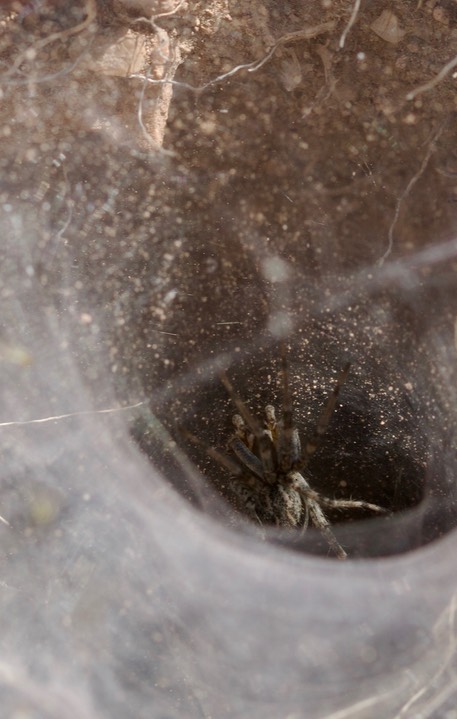
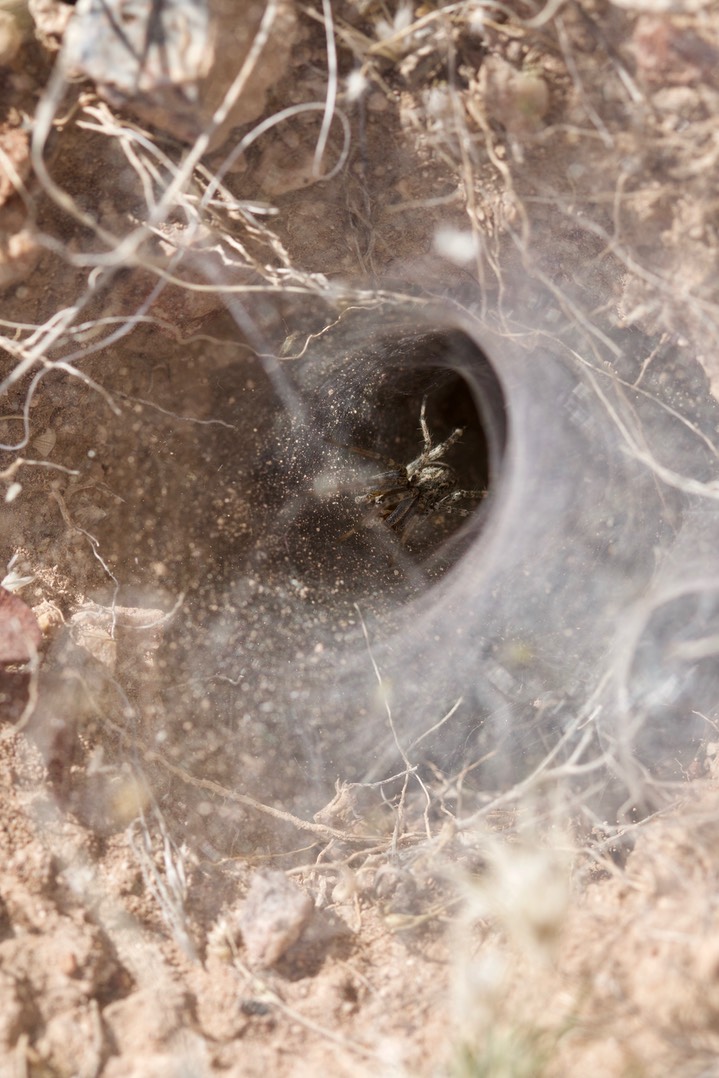
Agelenopsis aperta (?)
Western Funnelweb Spider
Percha Box Overlook,
E. of Hillsboro
April 8, 2020
Bugs of the Black Range
Includes all the small critters, 6- and 8-legged,
except Butterflies and Moths.
All photographs were taken in the Black Range of New Mexico.
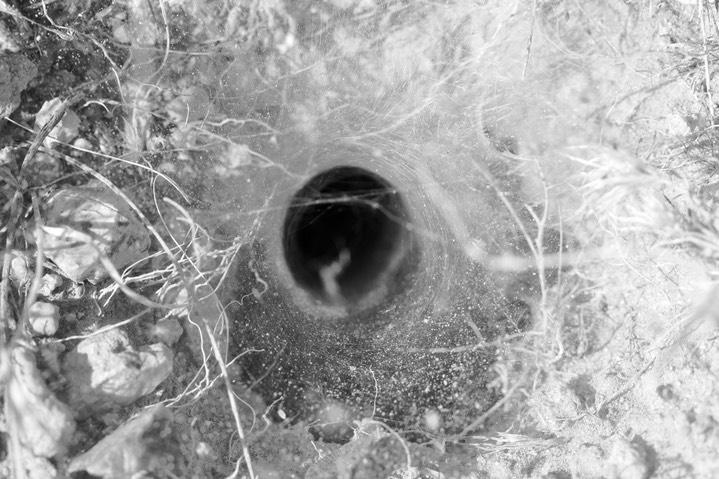
Agelenopsis aperta (?)
Western Funnelweb Spider
Percha Box Overlook,
E. of Hillsboro
April 8, 2020
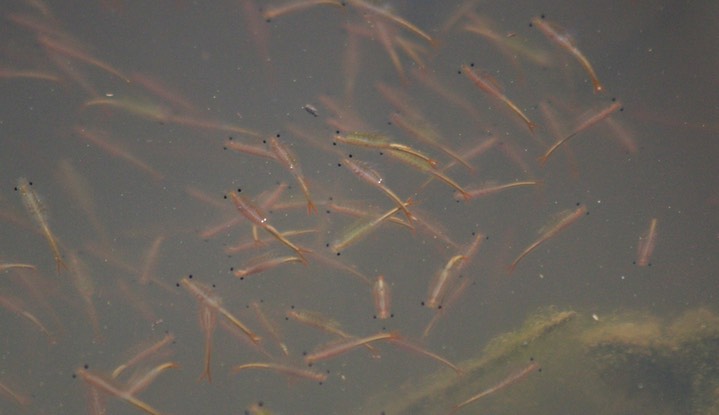
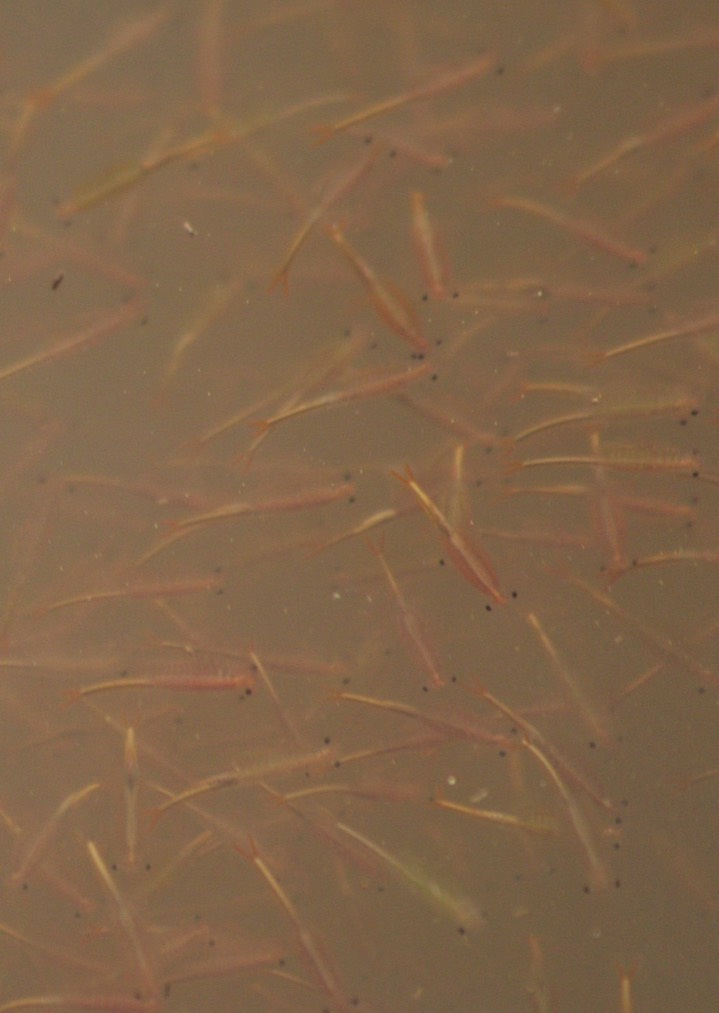
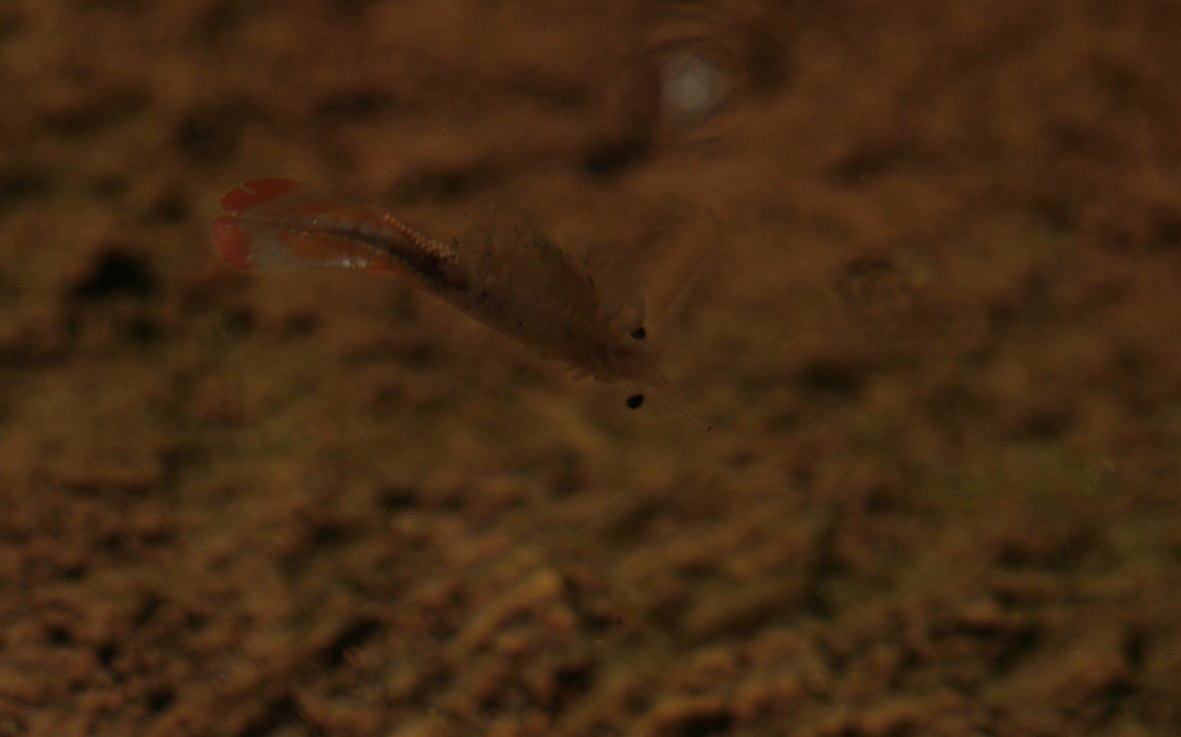
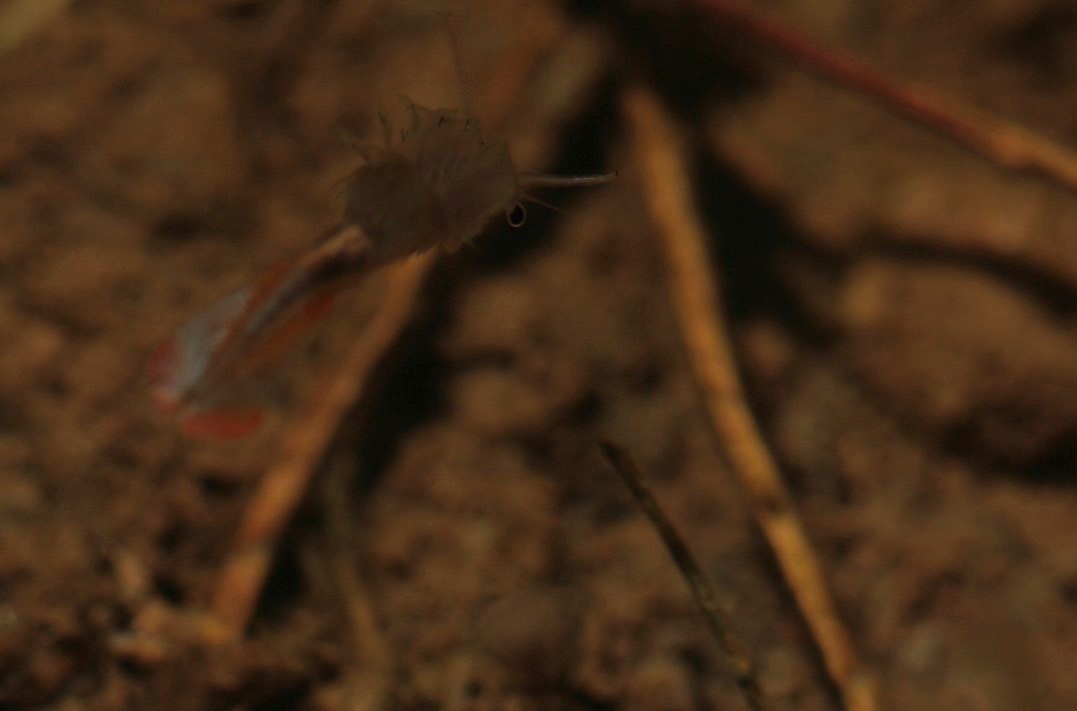
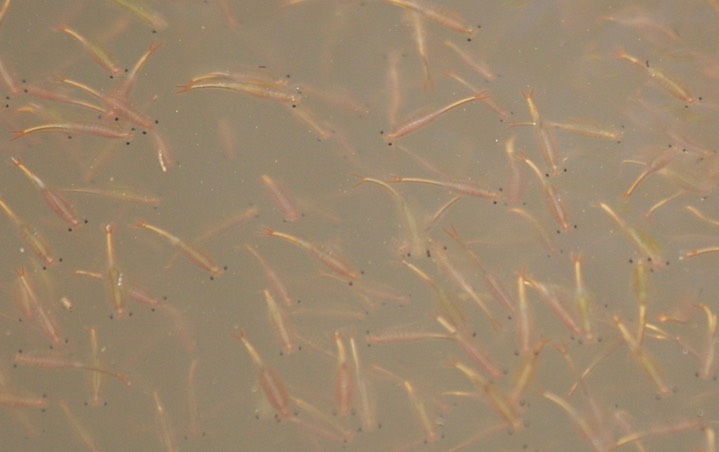
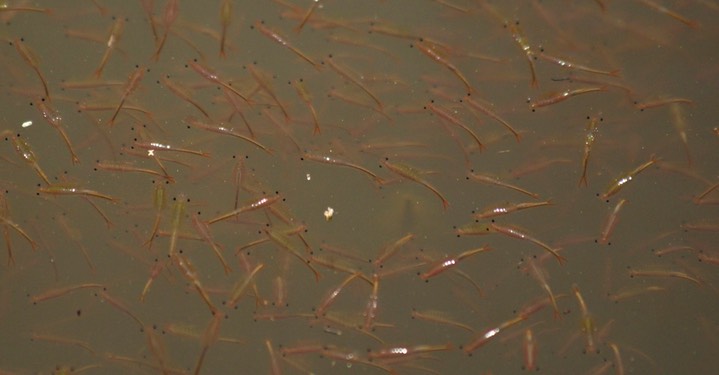
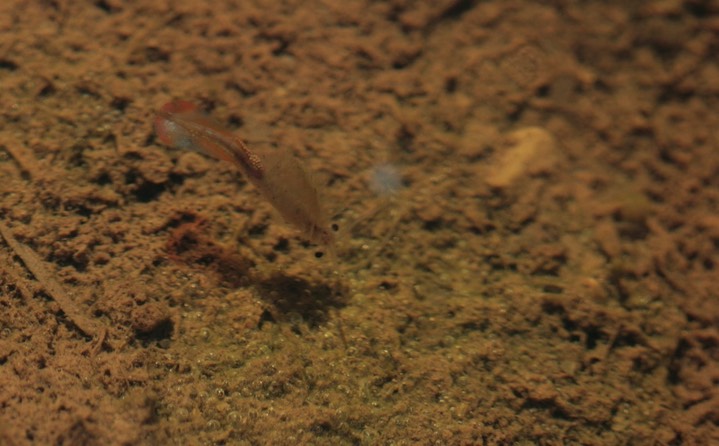
Anostraca (sp.?)
Fairy Shrimp
Lake Valley &
Ready Pay Gulch (e. of Hillsboro)
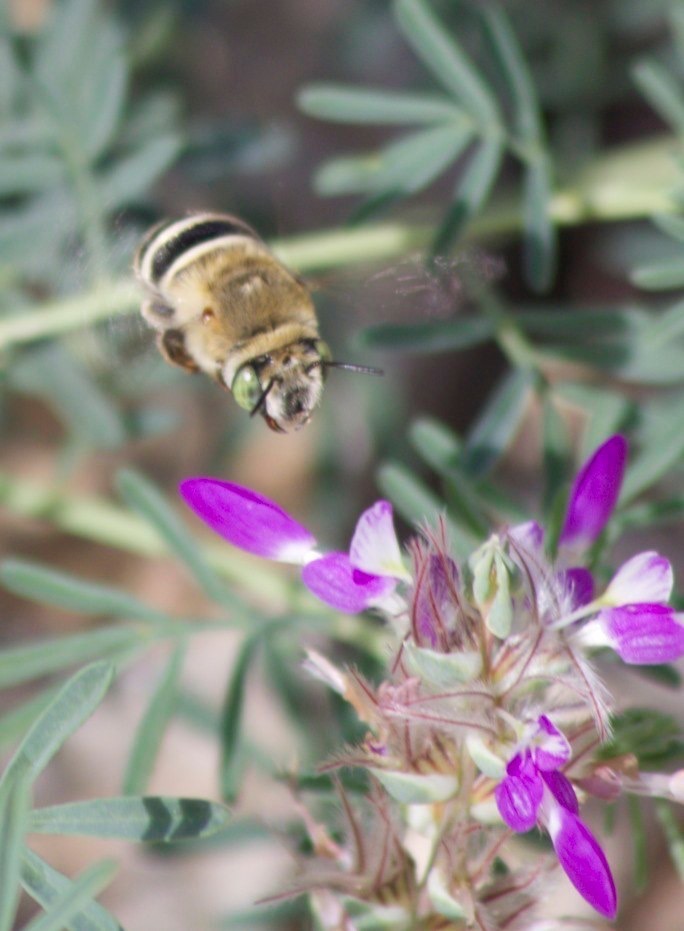
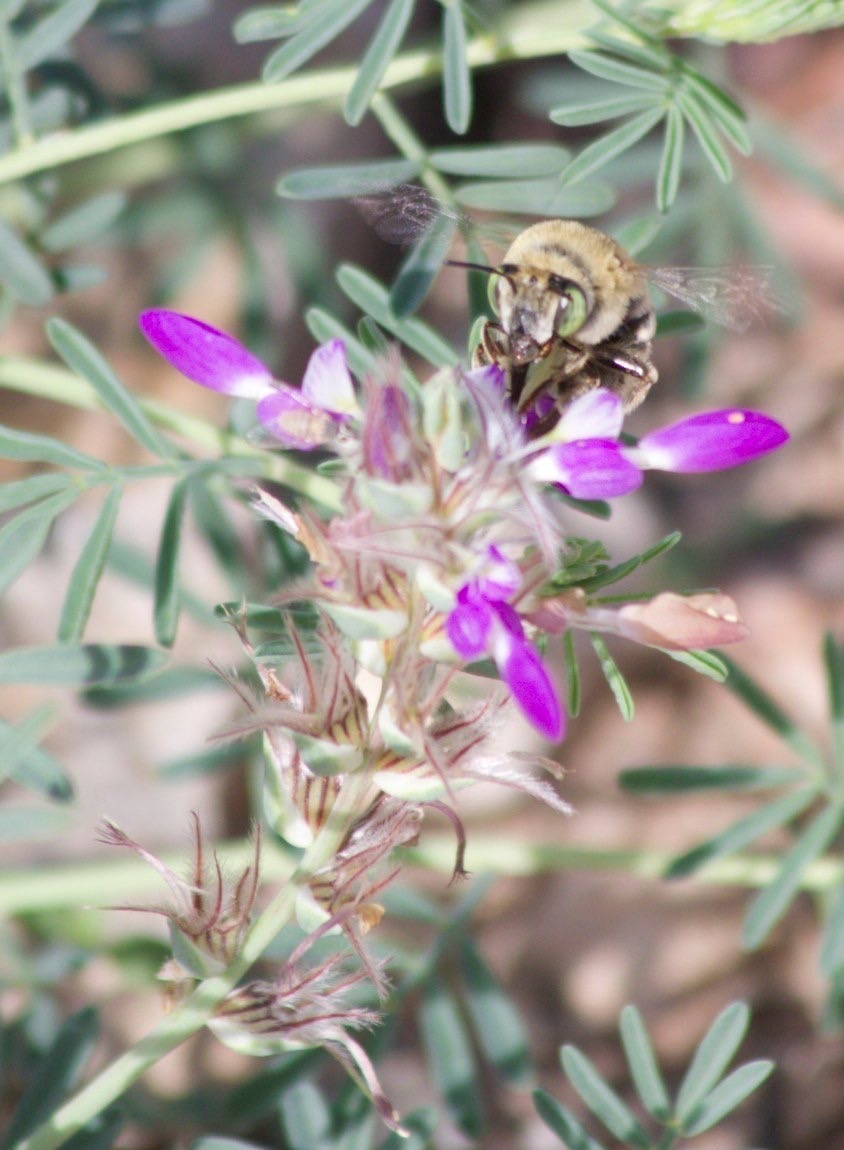
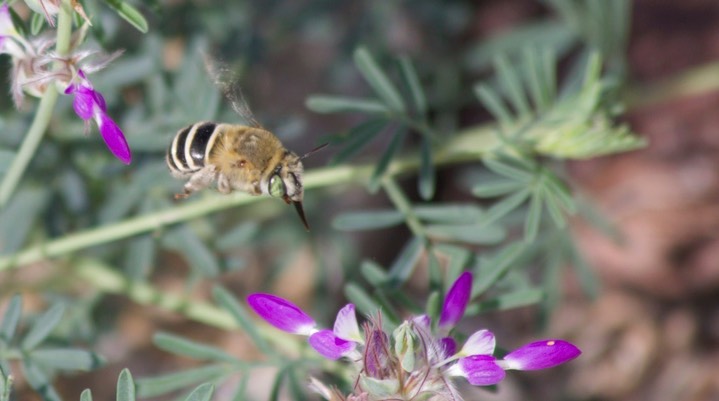
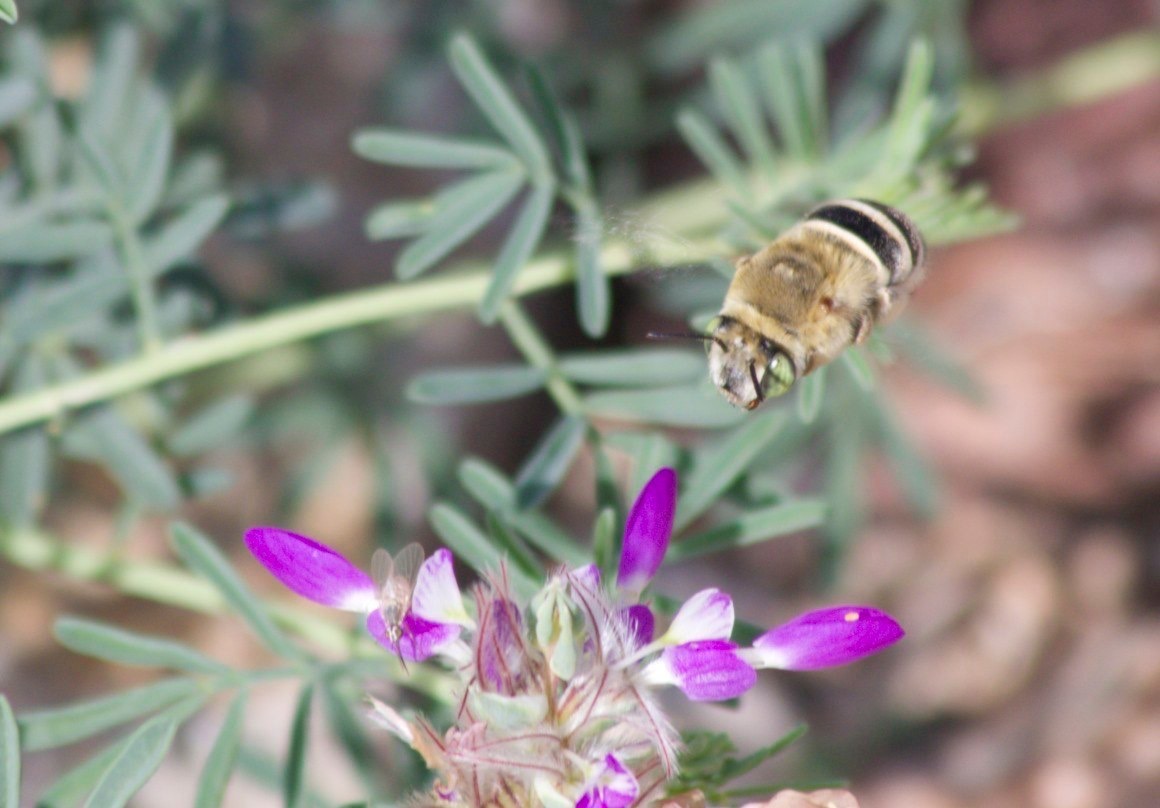
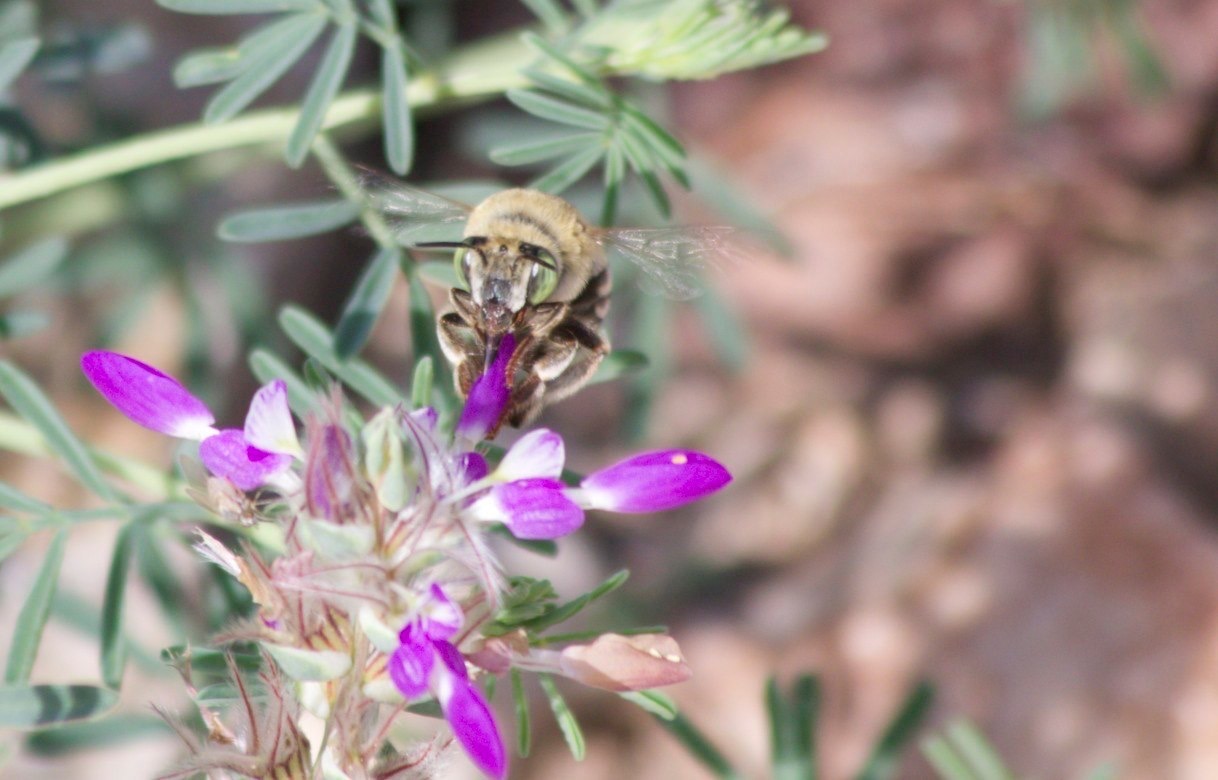
Anthophora (sp.?)
Digger Bee
East of Hillsboro
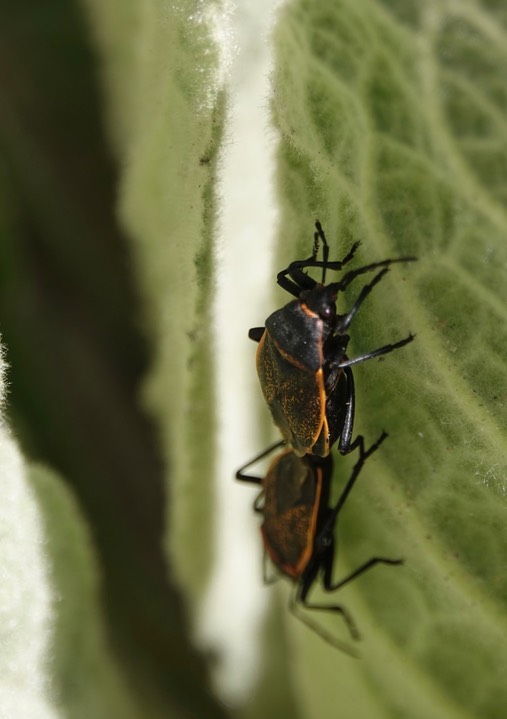
Apateticus marginventris
Trail 135
E slope of Black Range
April 2020
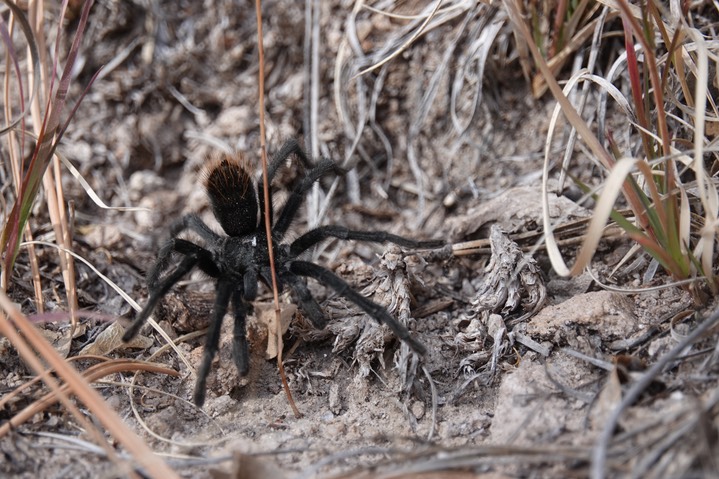
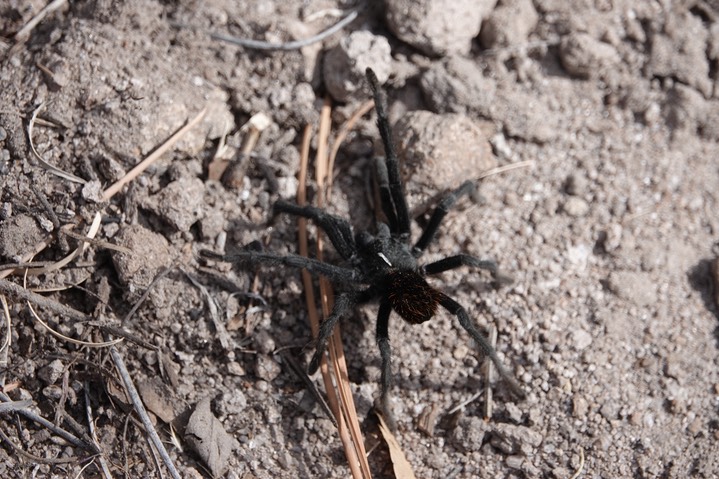
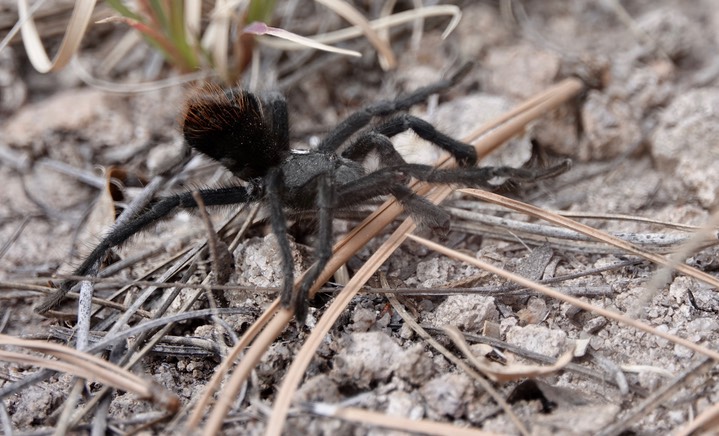
Aphonopelma (sp?)
Perhaps A. marxi or
A. madera
Tarantula
Hillsboro & Nutt Grasslands
View video of individual from east of Hillsboro, 2021
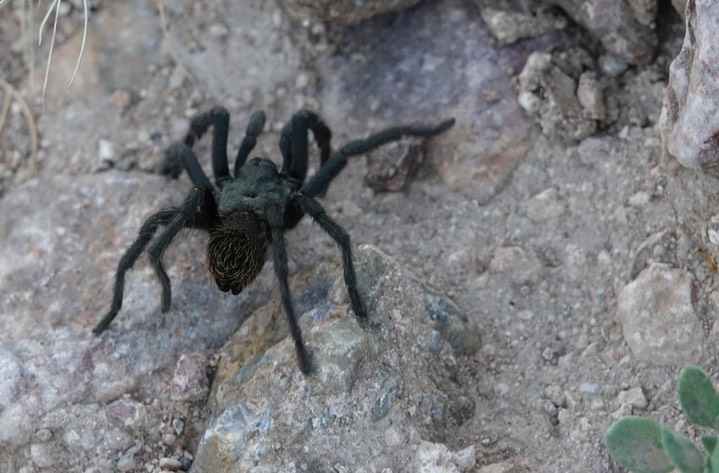
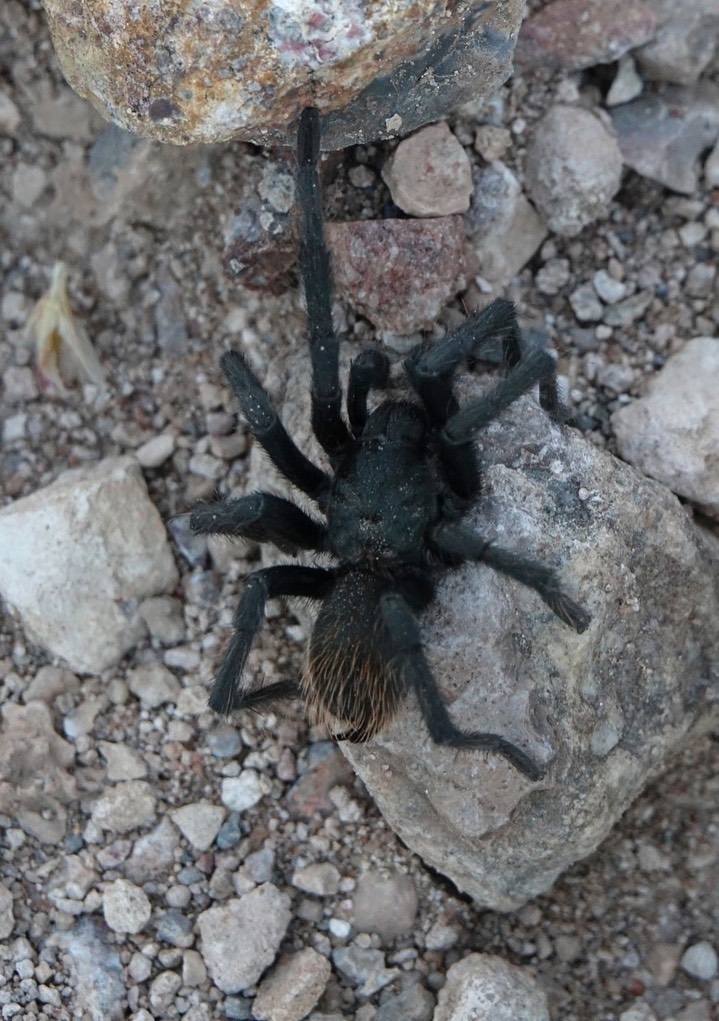
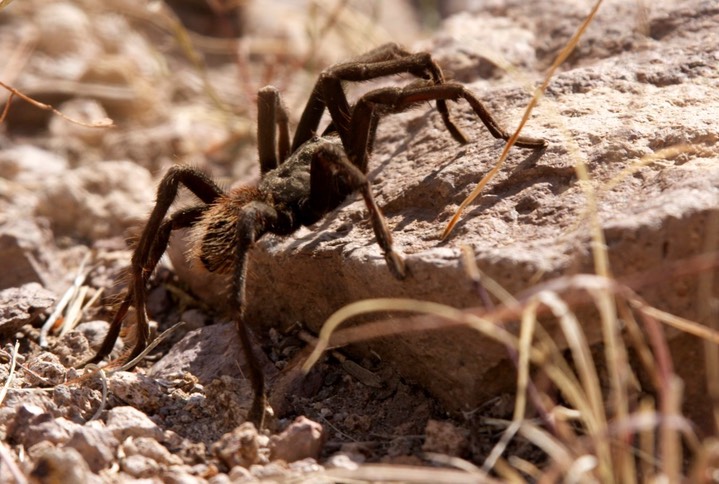
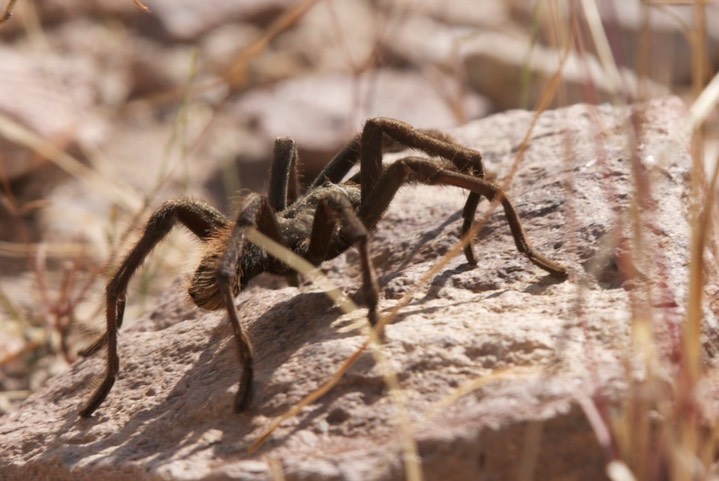
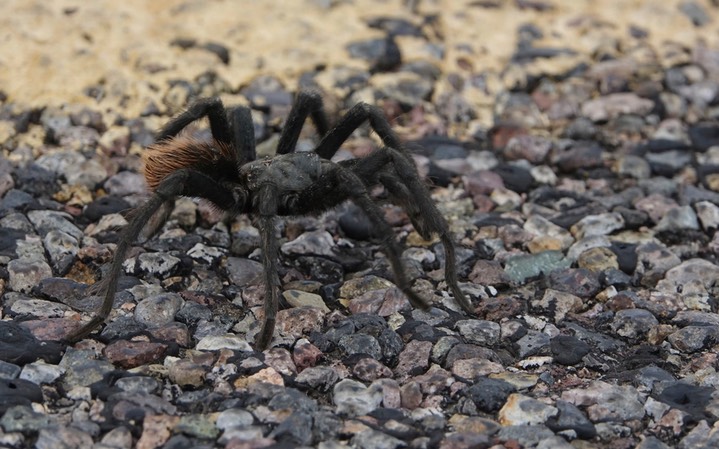
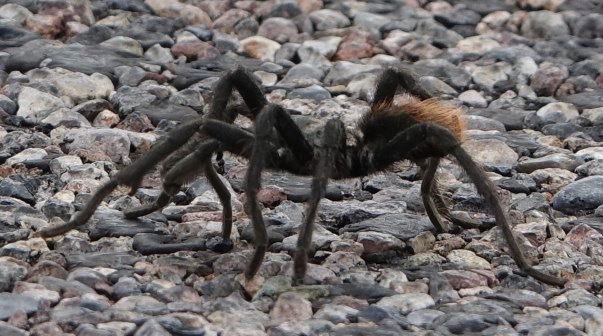
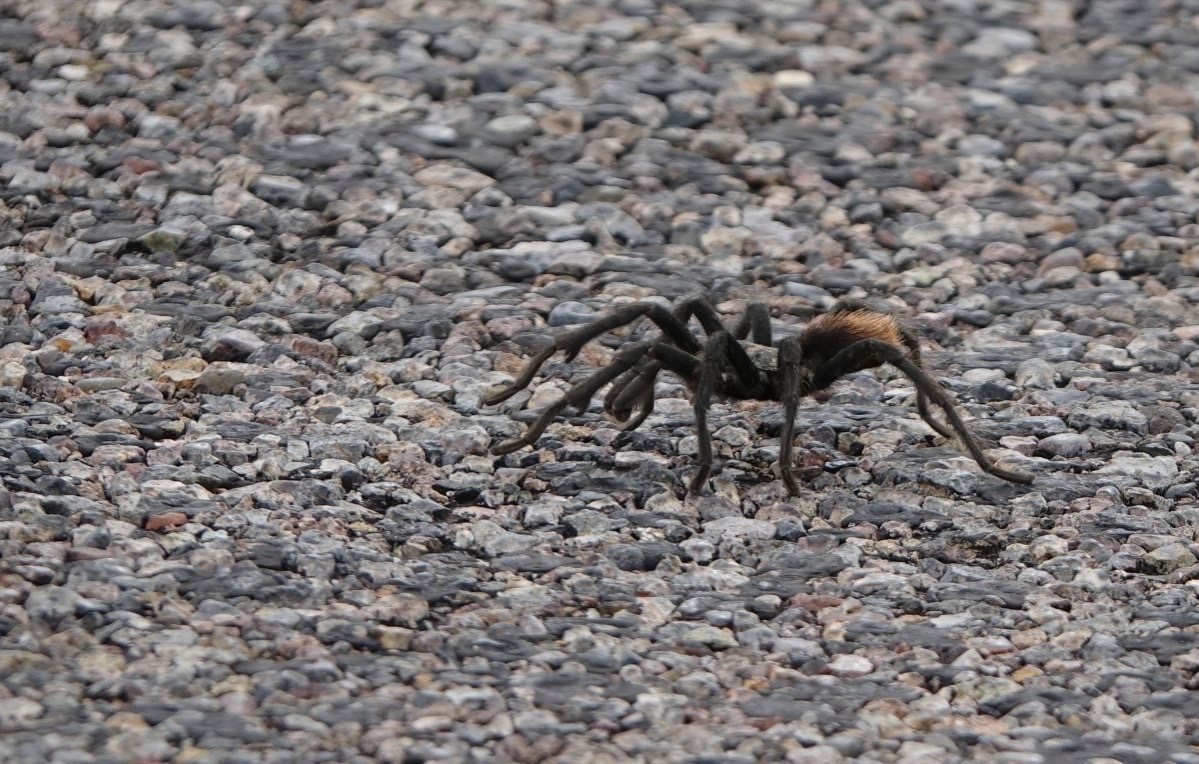
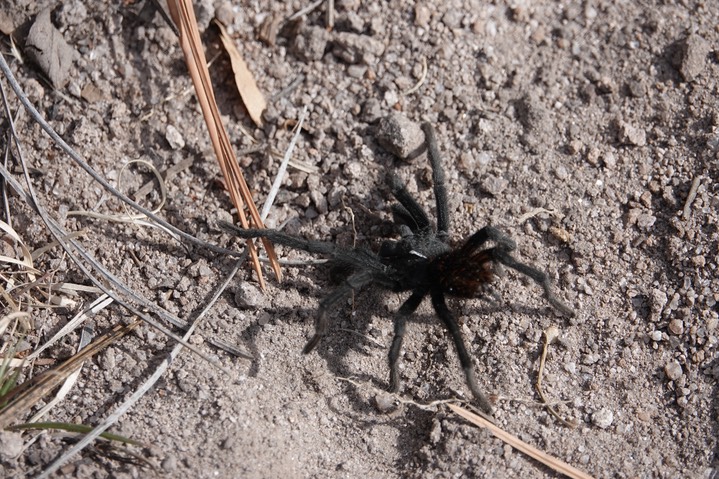
Aphonopelma madera?
Rabb Park Trail
November 17, 2020
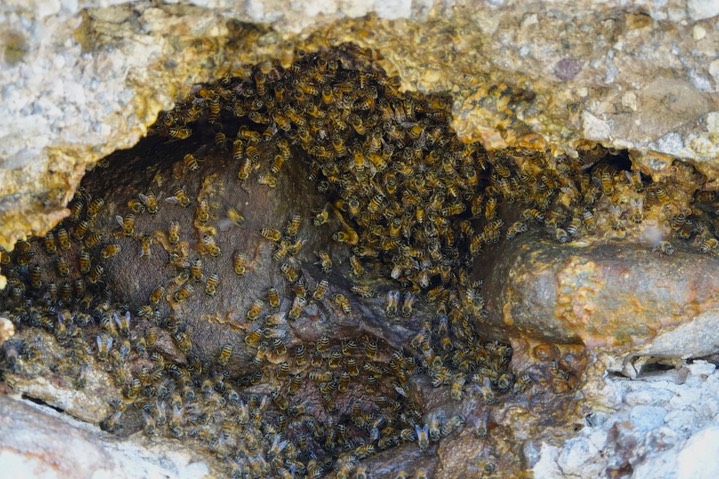
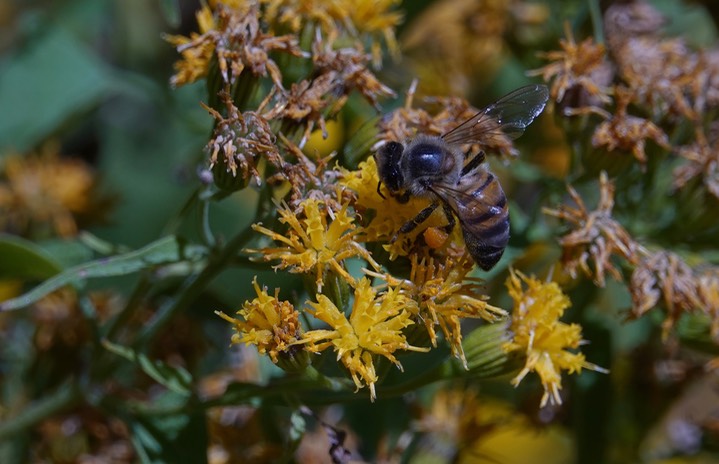
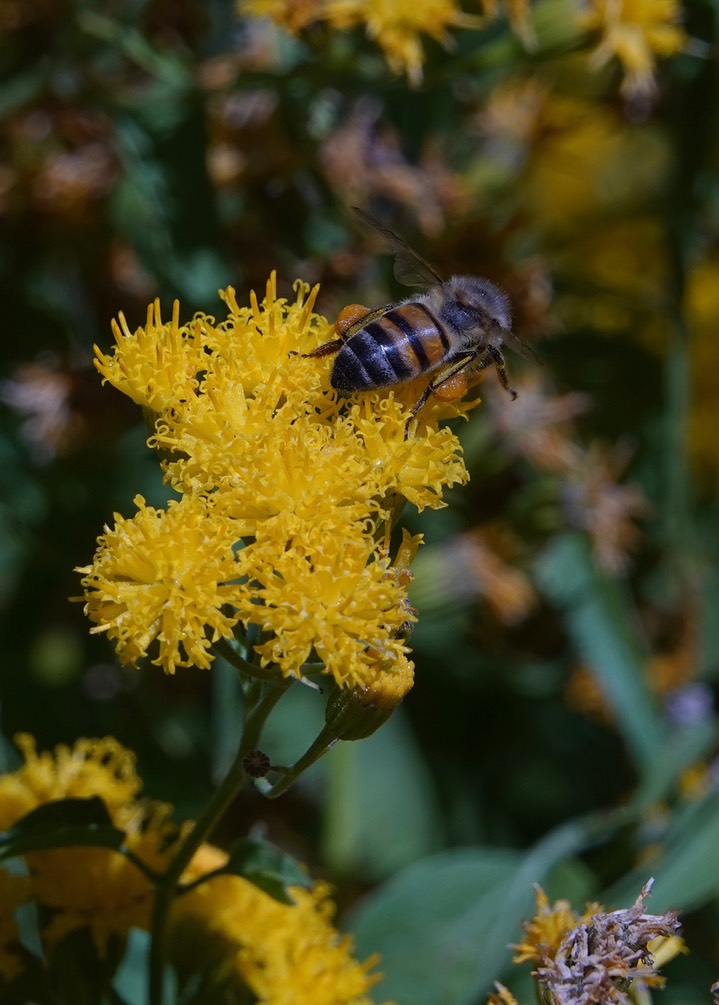
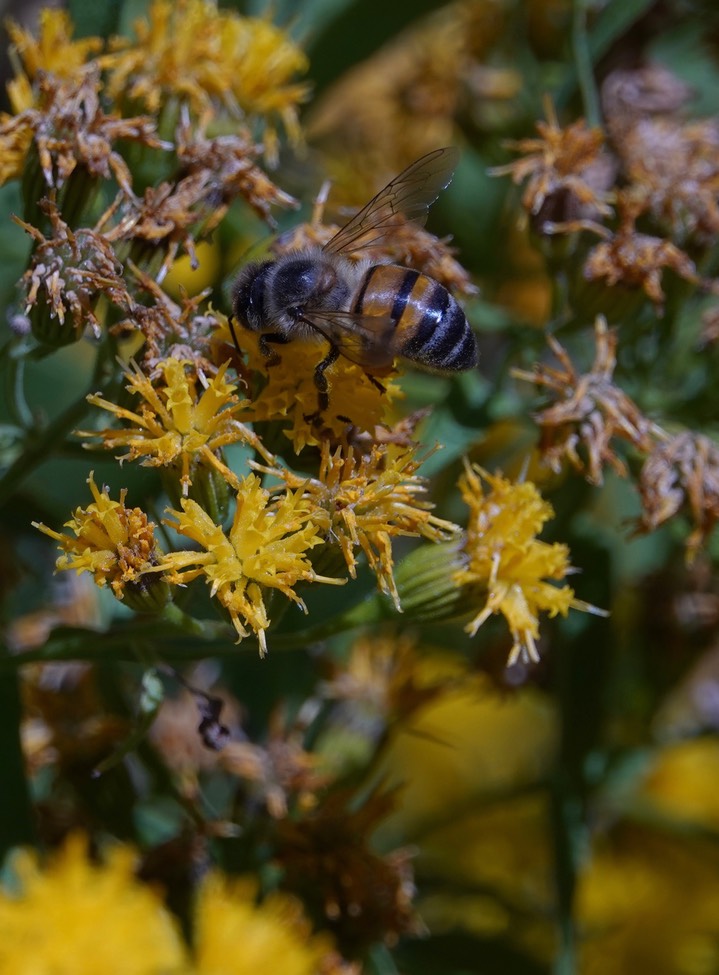
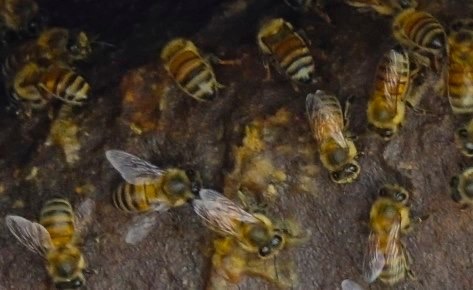
Apis mellifera
Western Honey Bee
Ready Pay Gulch & Silver Creek
East of Hillsboro
Aquarius remigis
North American Common Water Strider
Railroad Canyon
Black Range
New Mexico
March
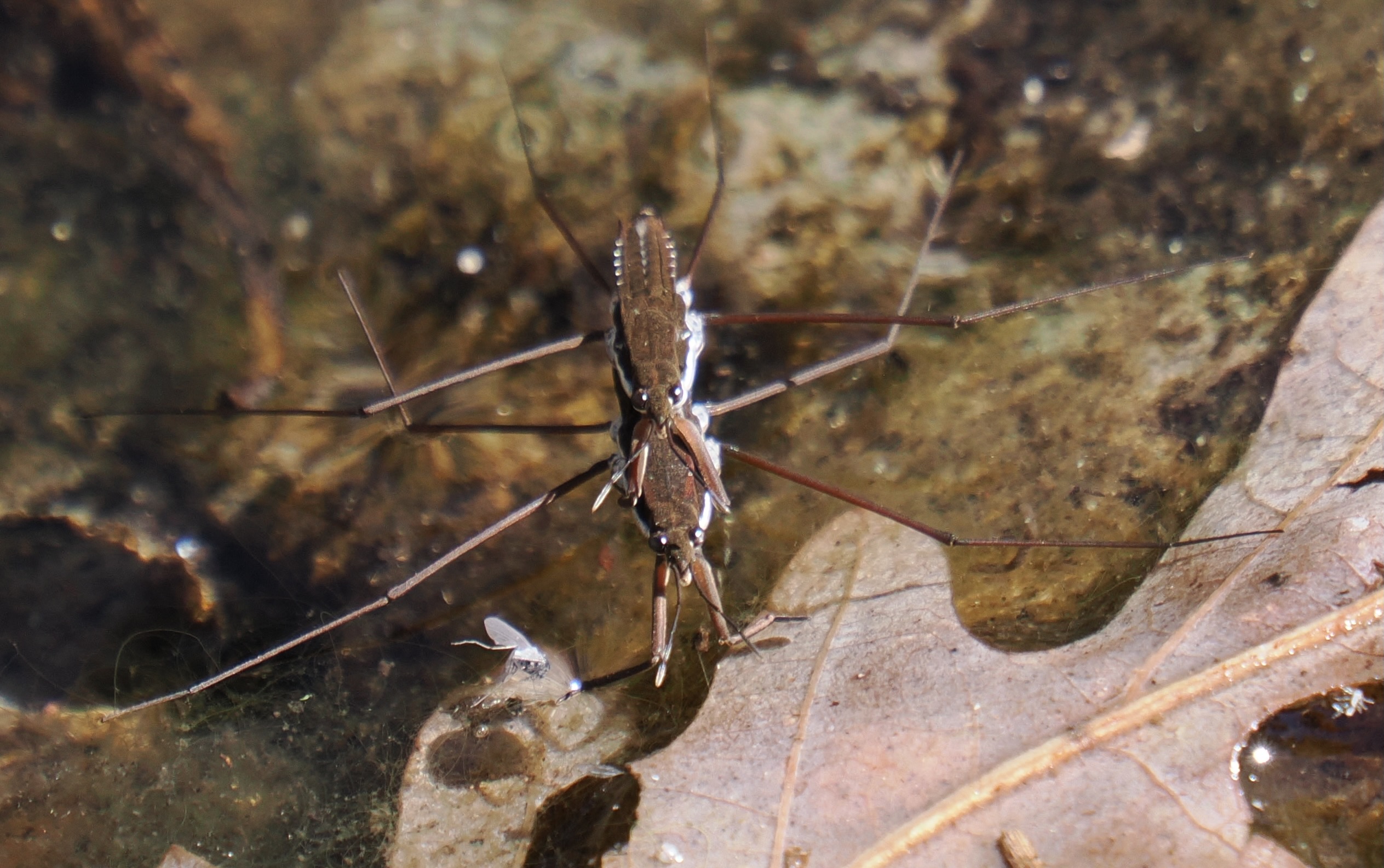
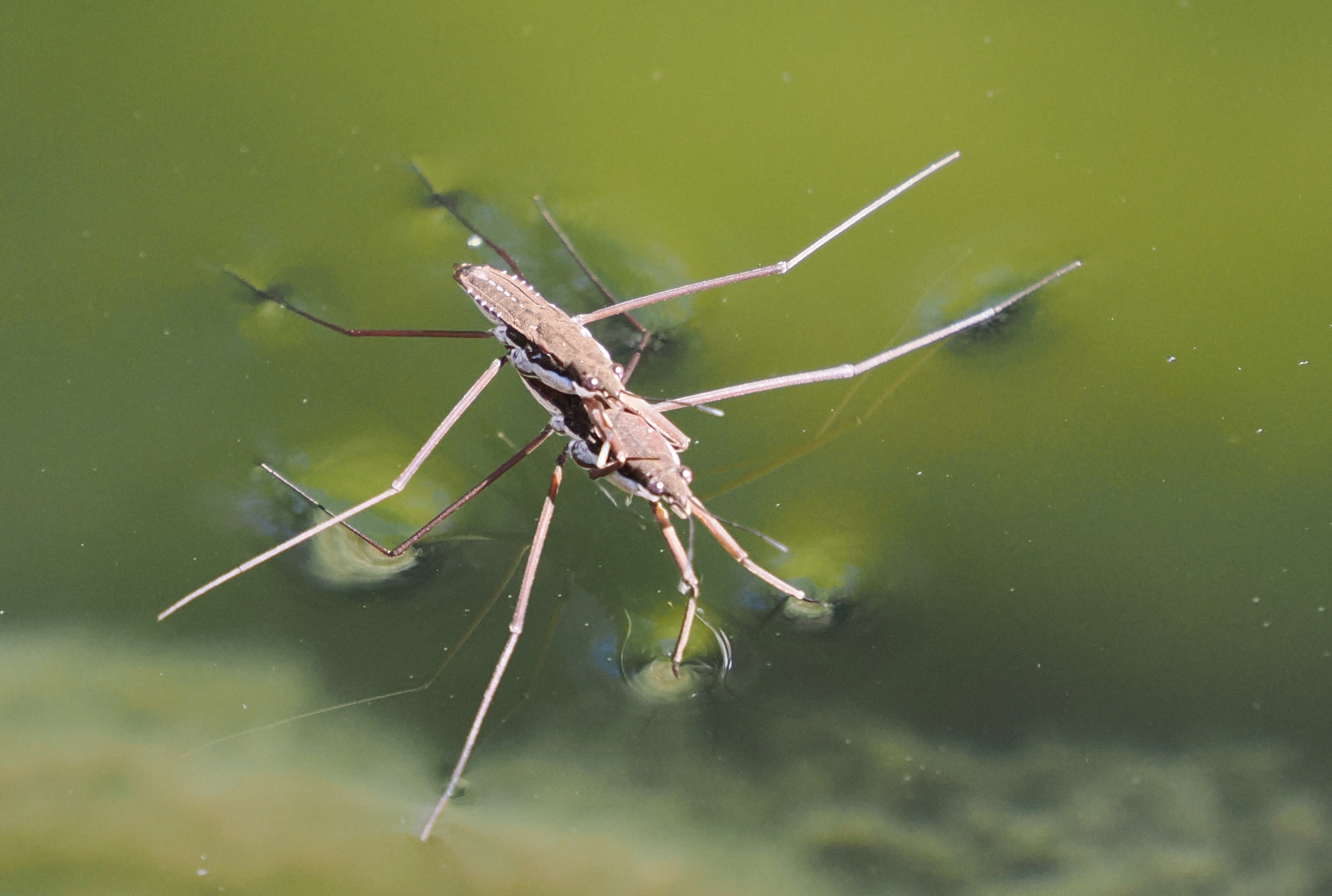
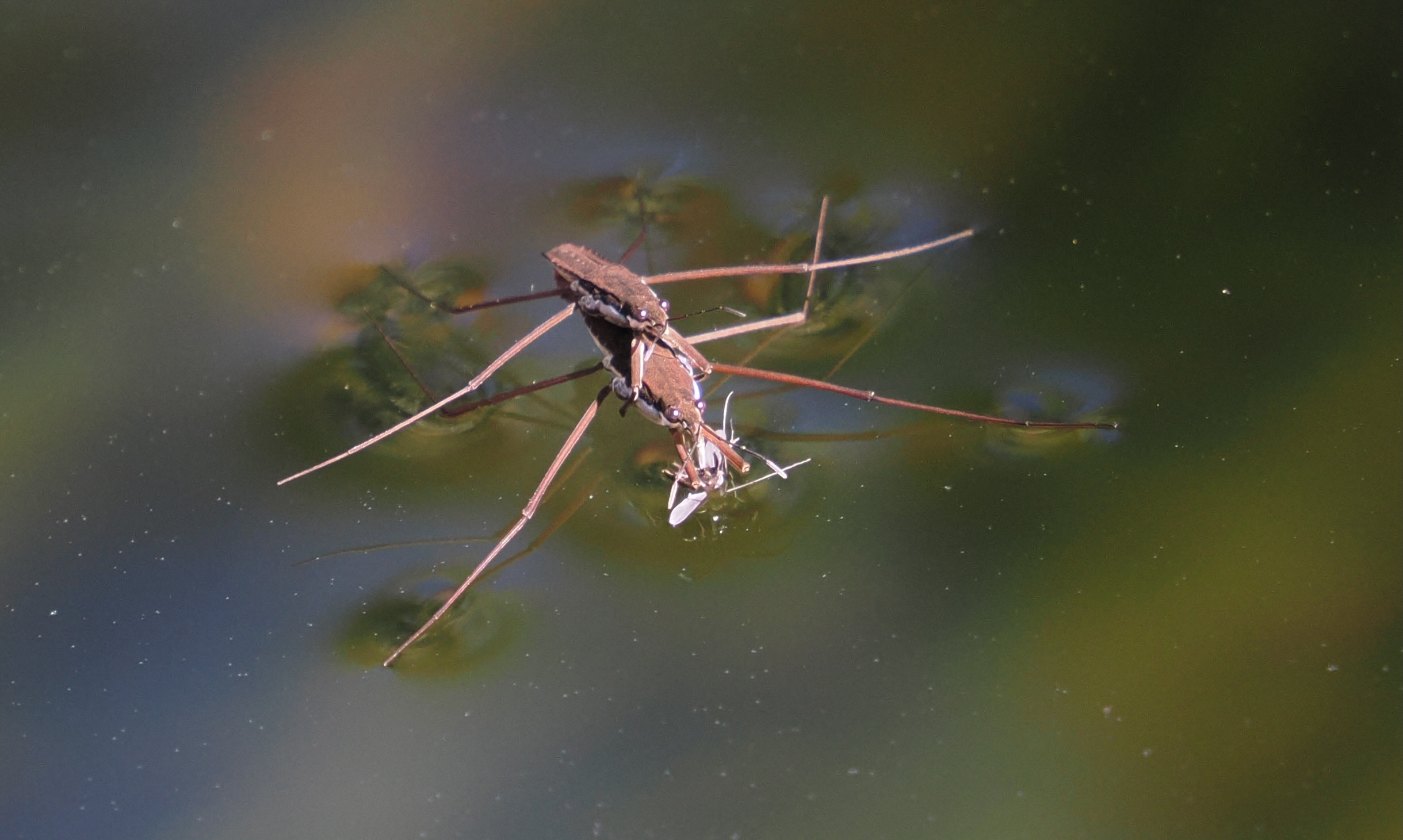
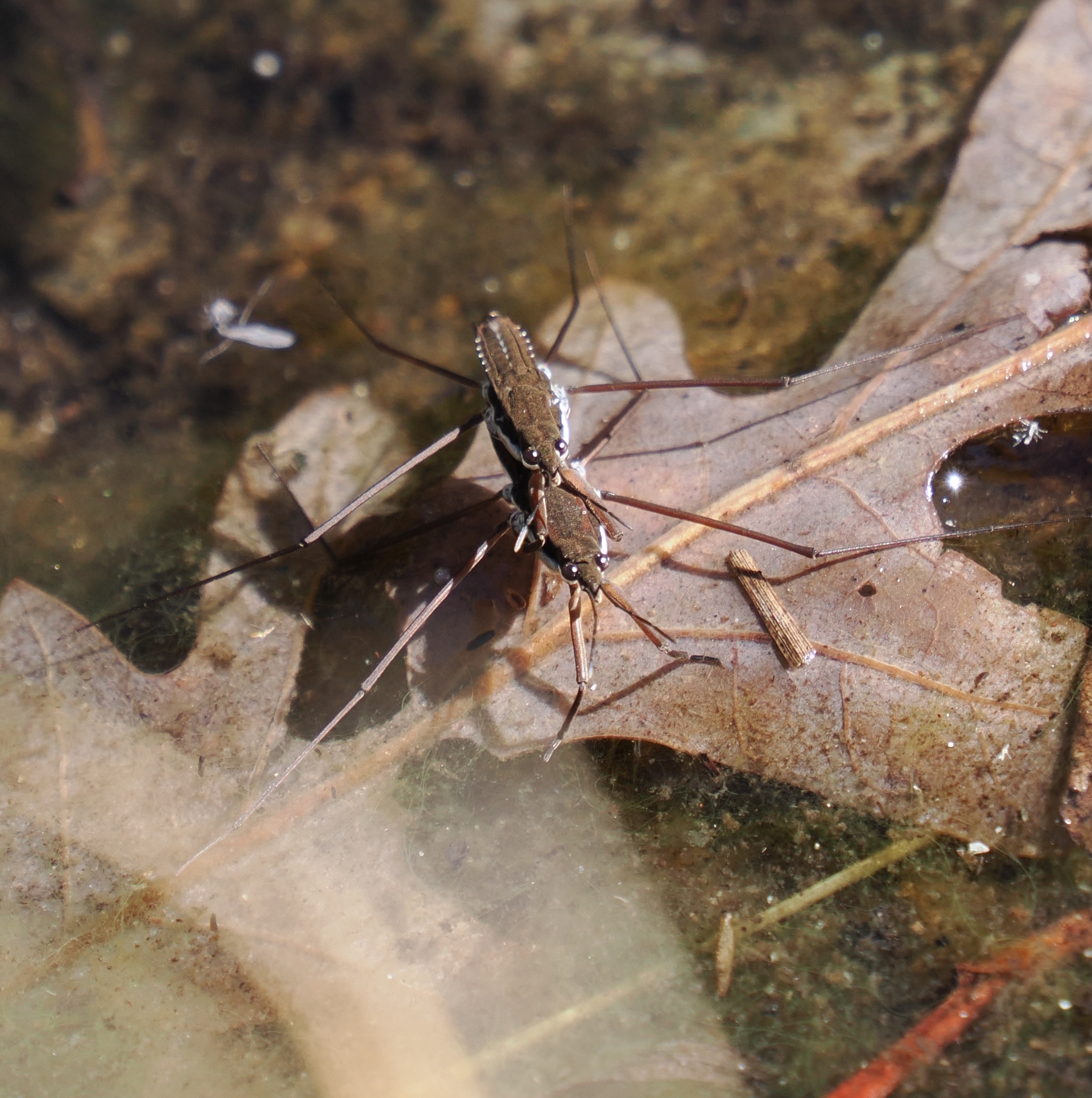
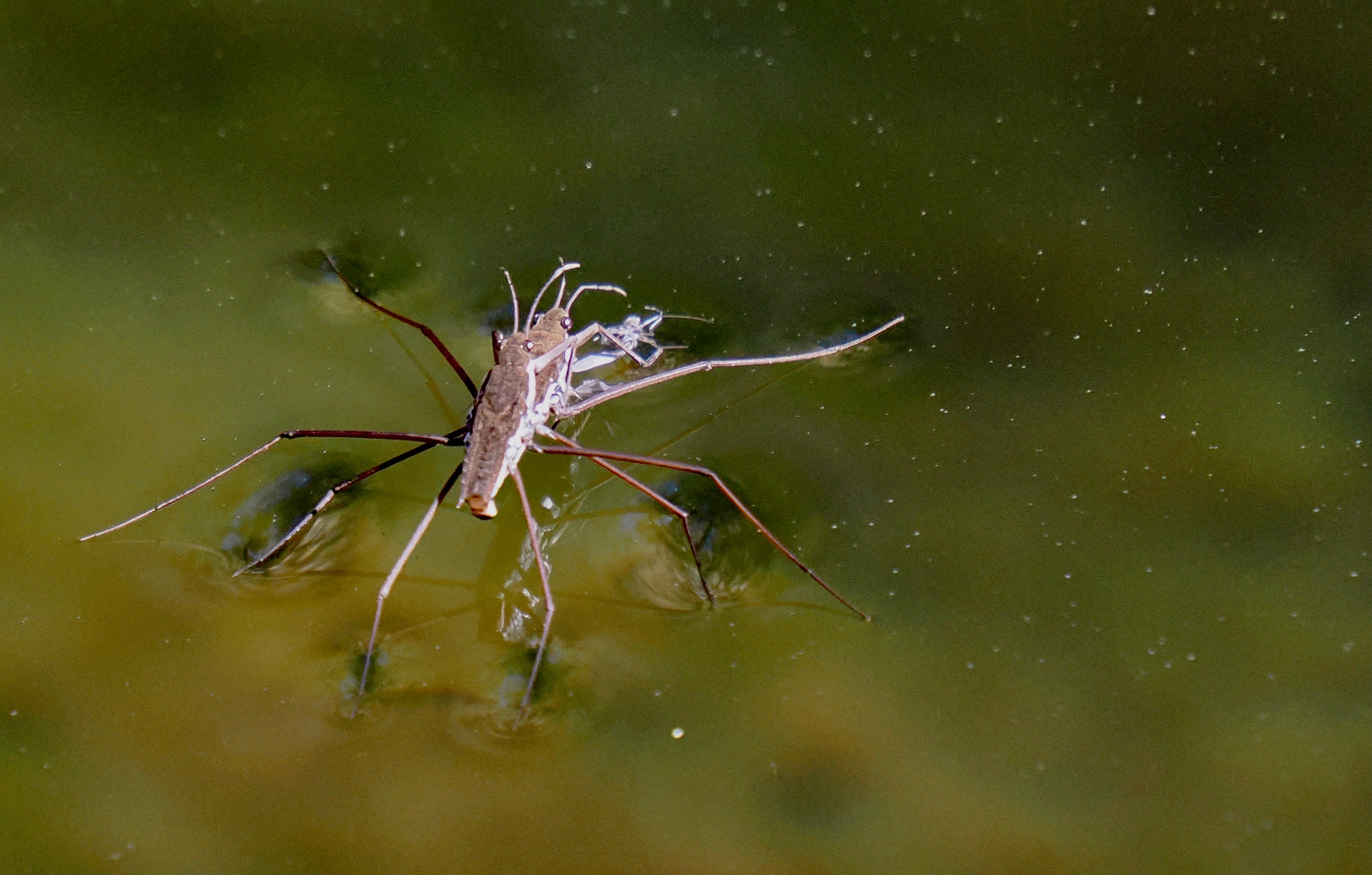
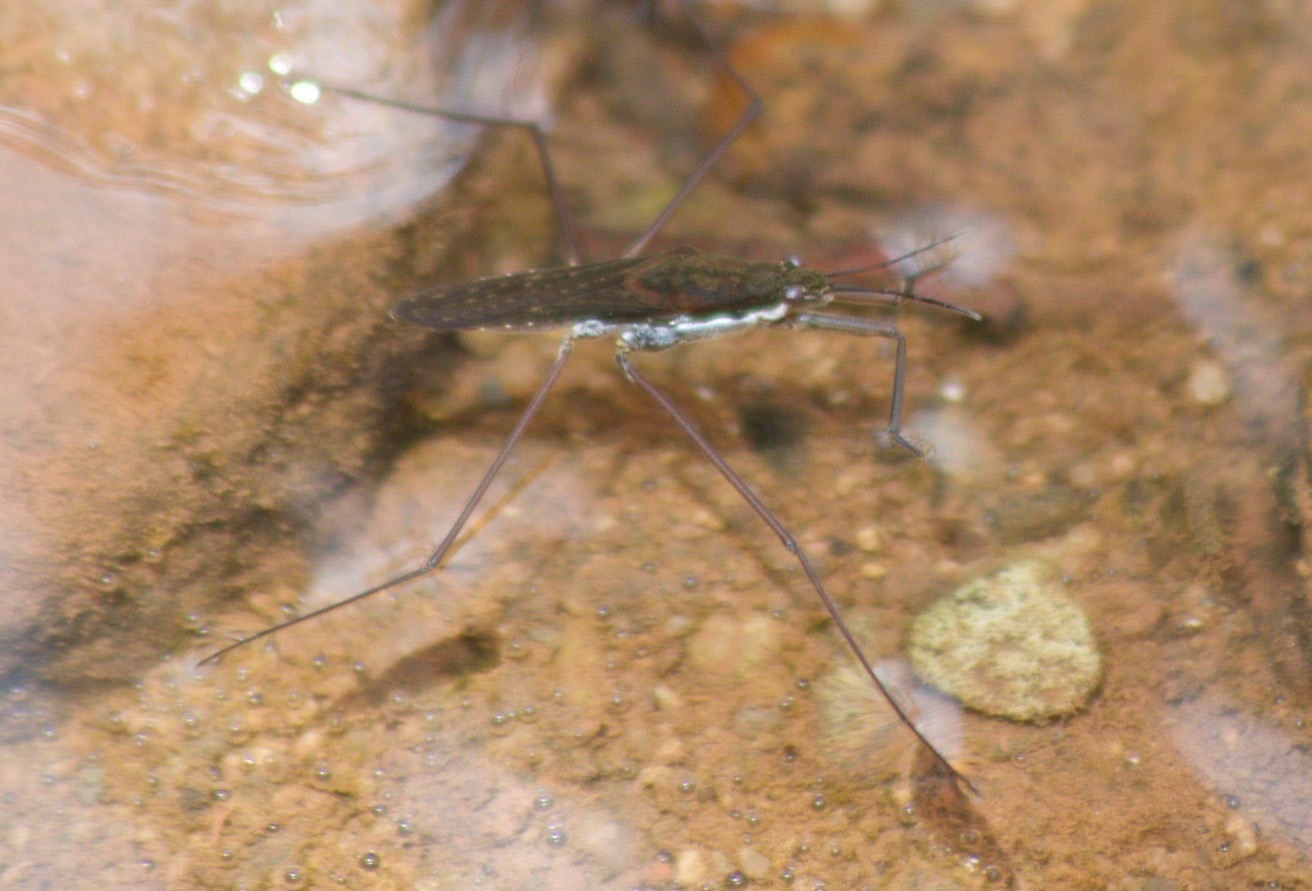
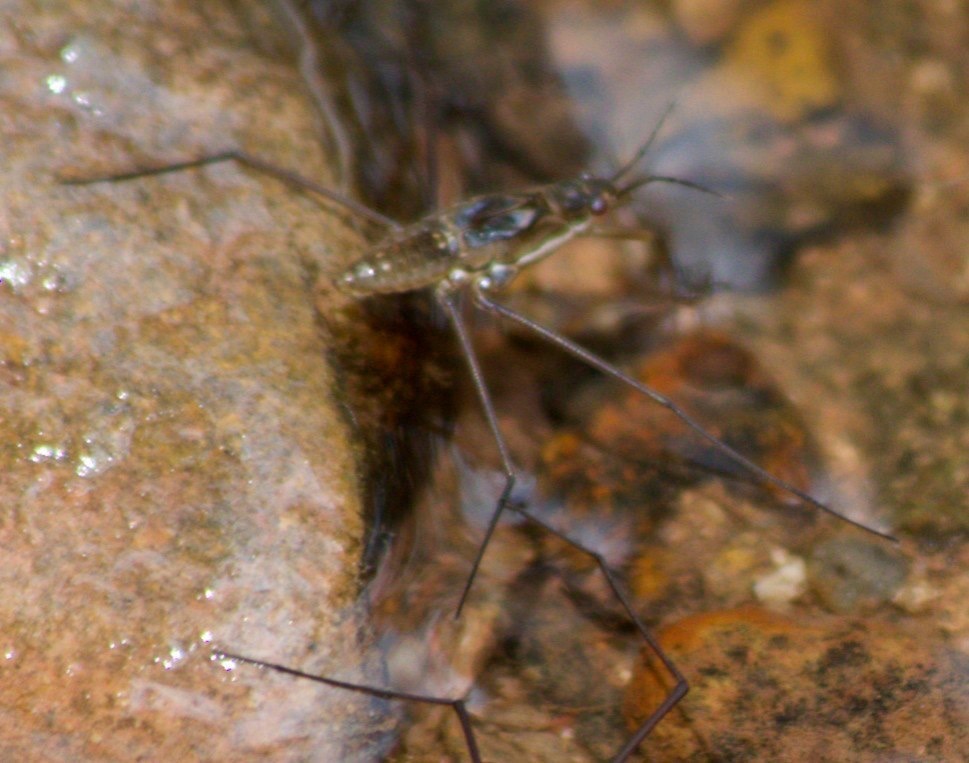
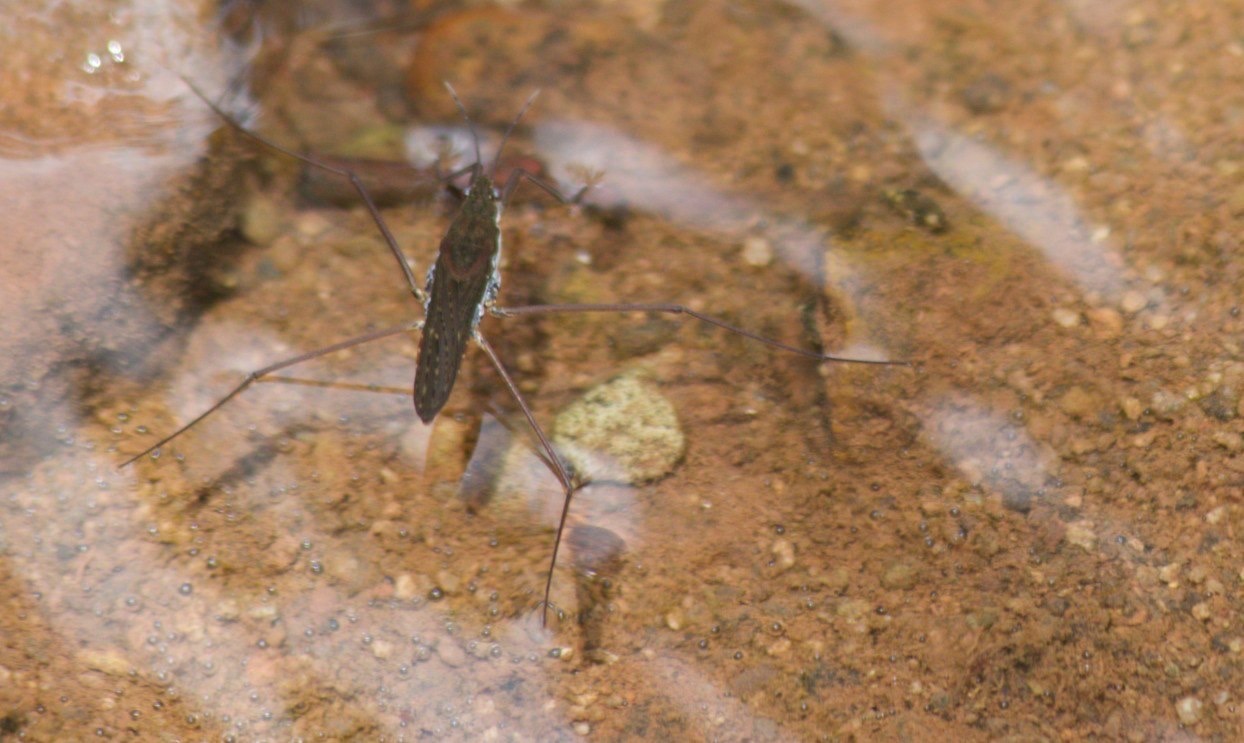
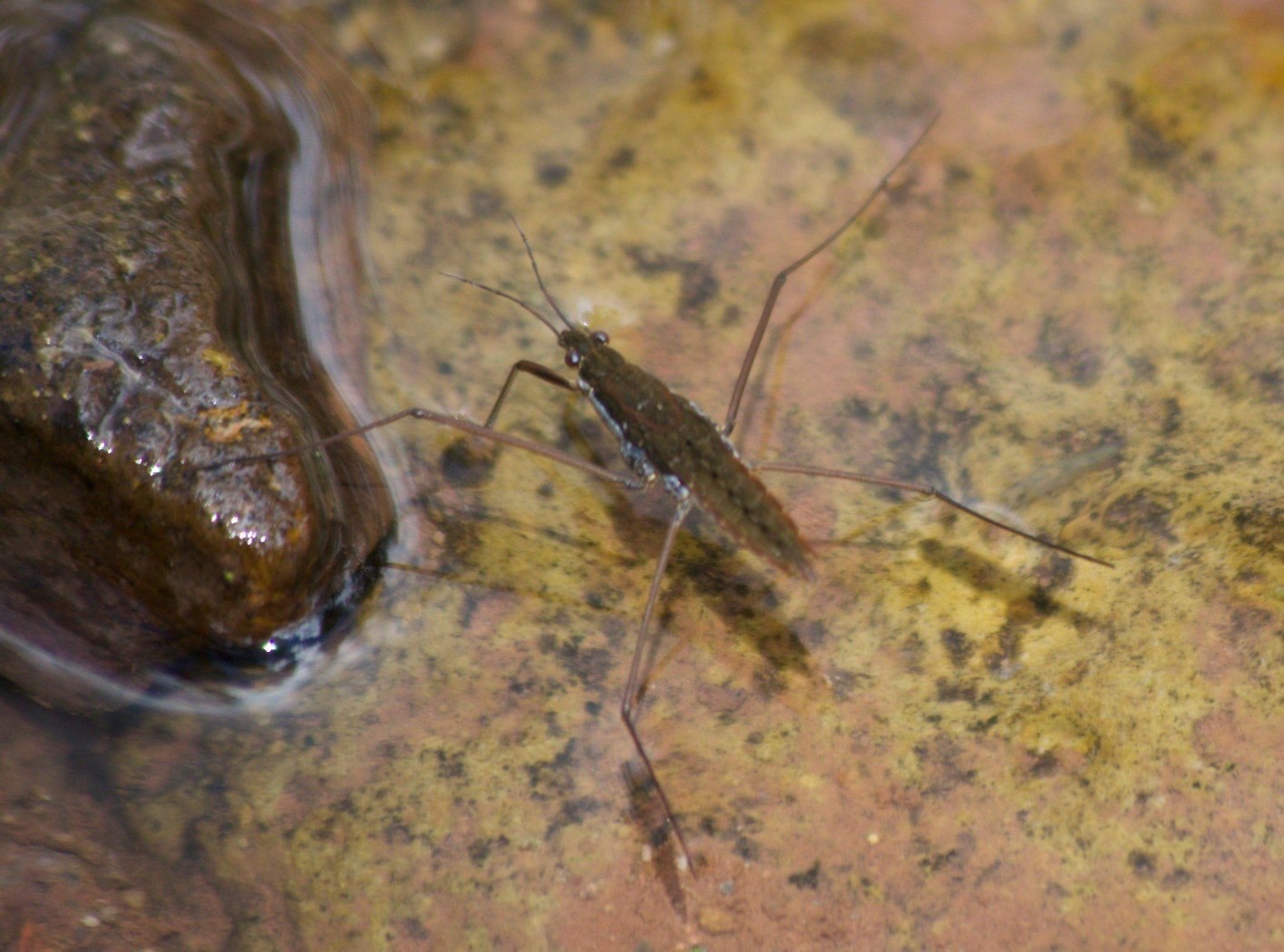
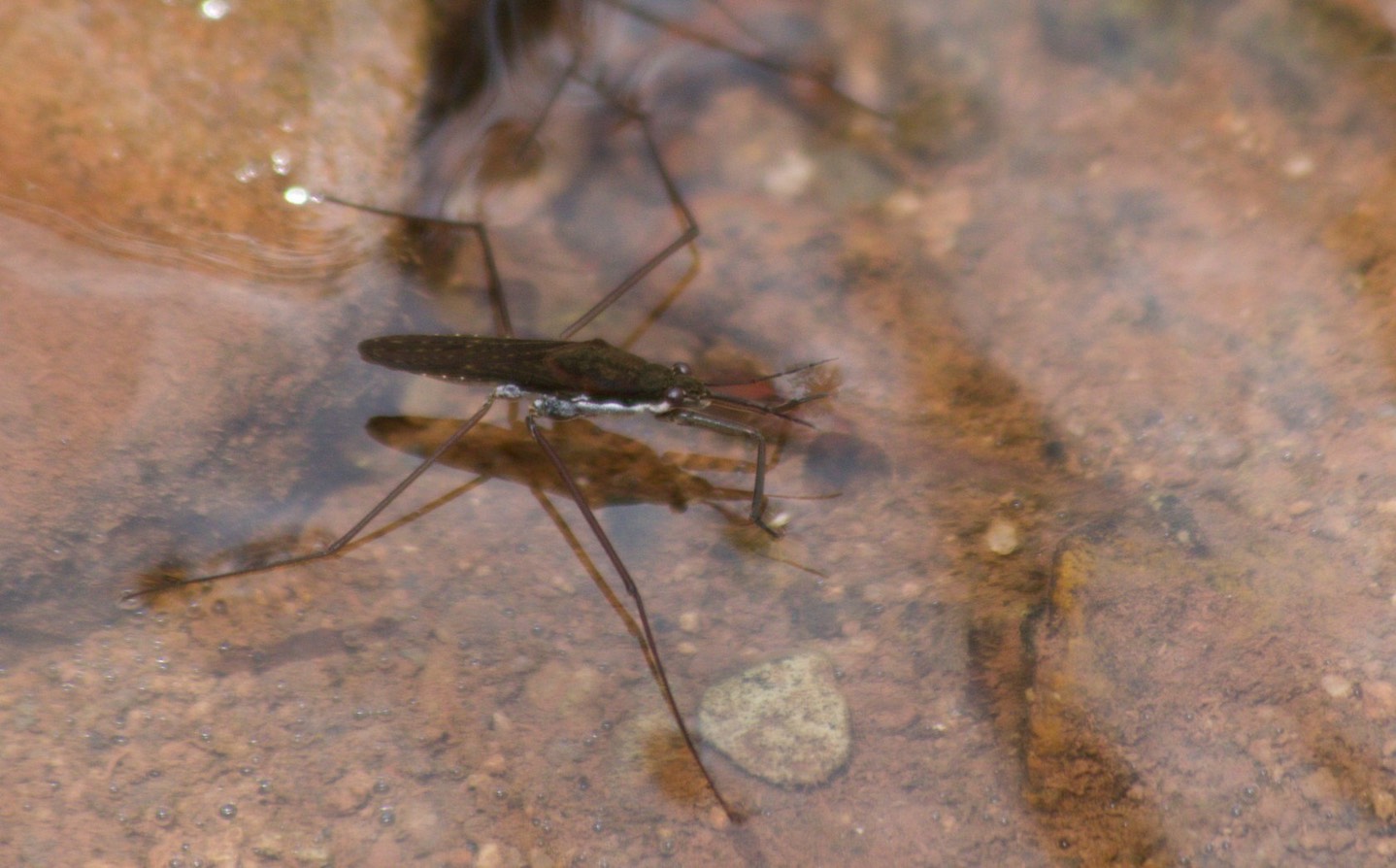
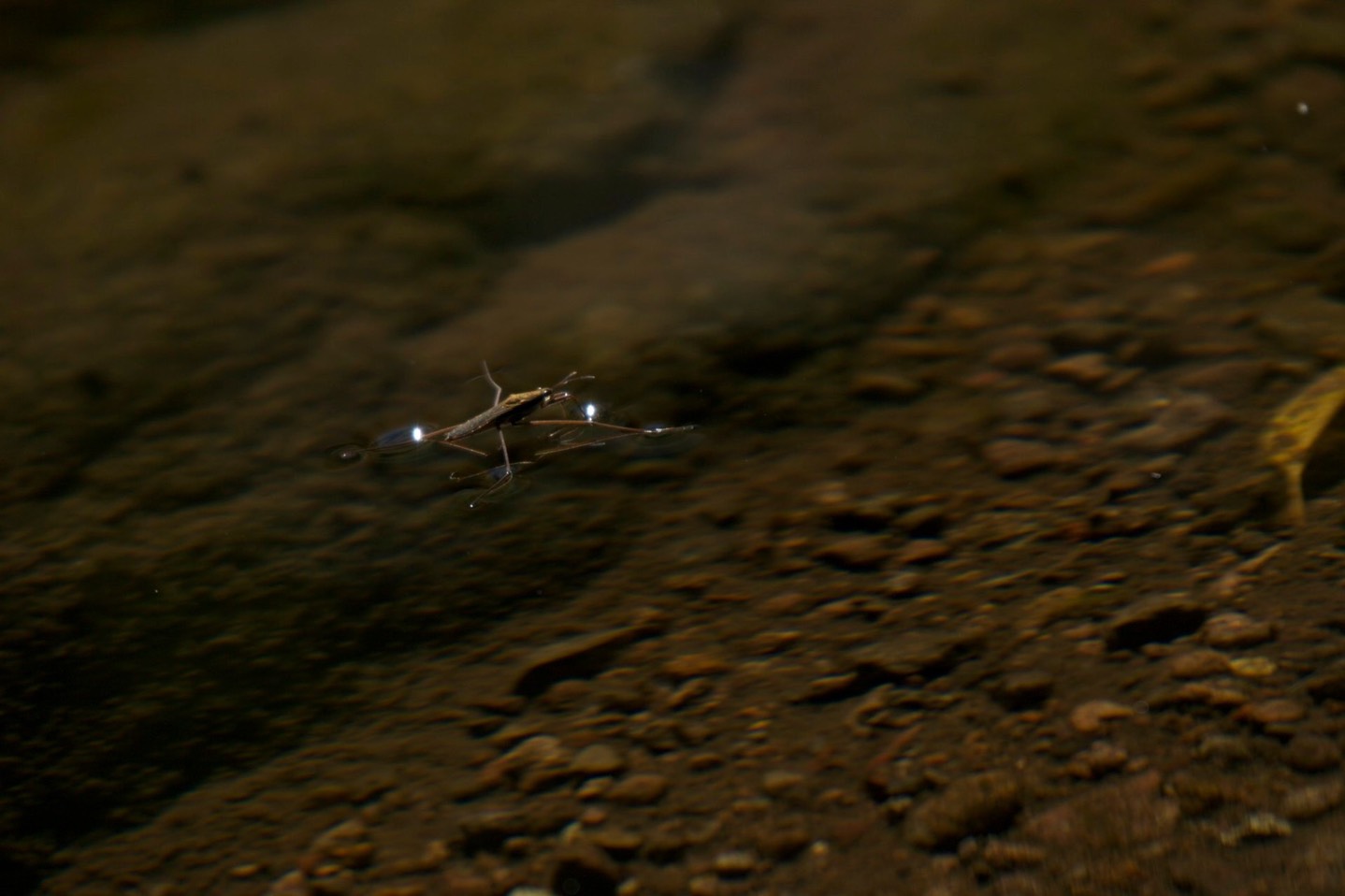
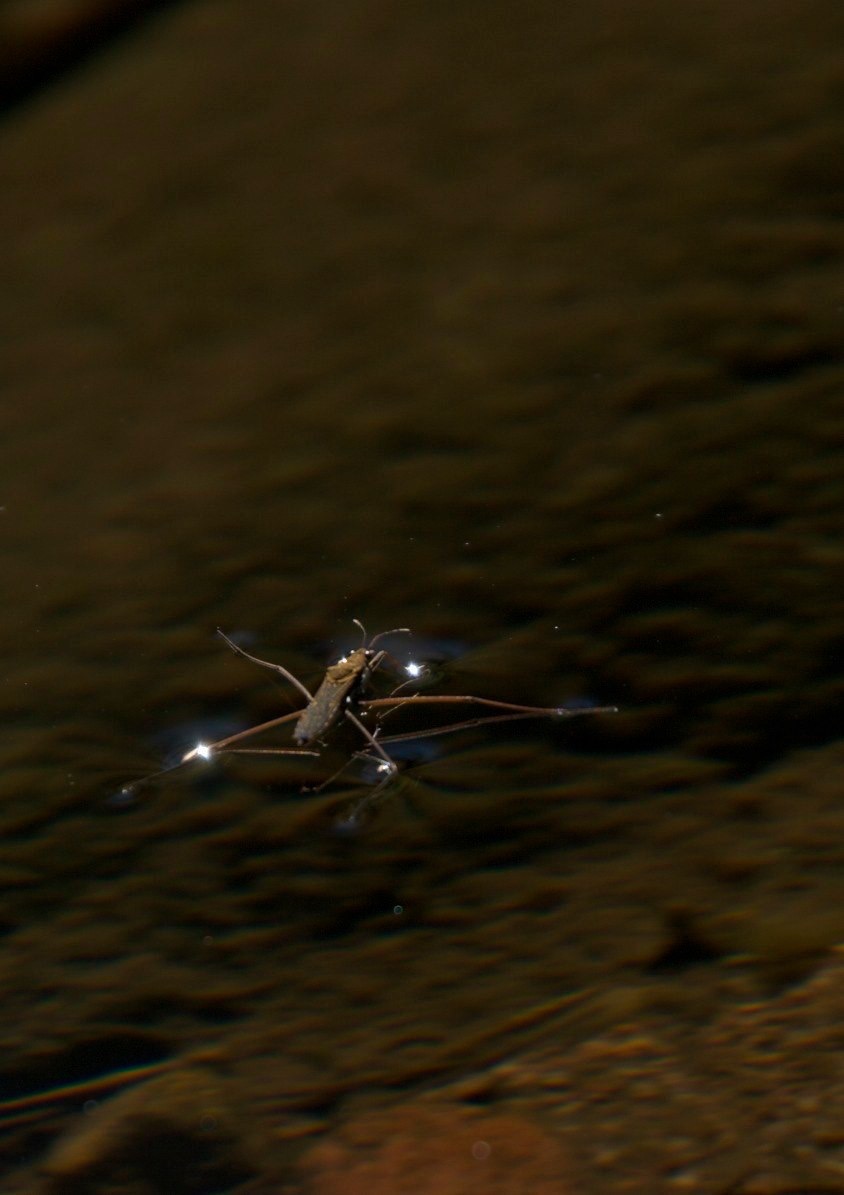
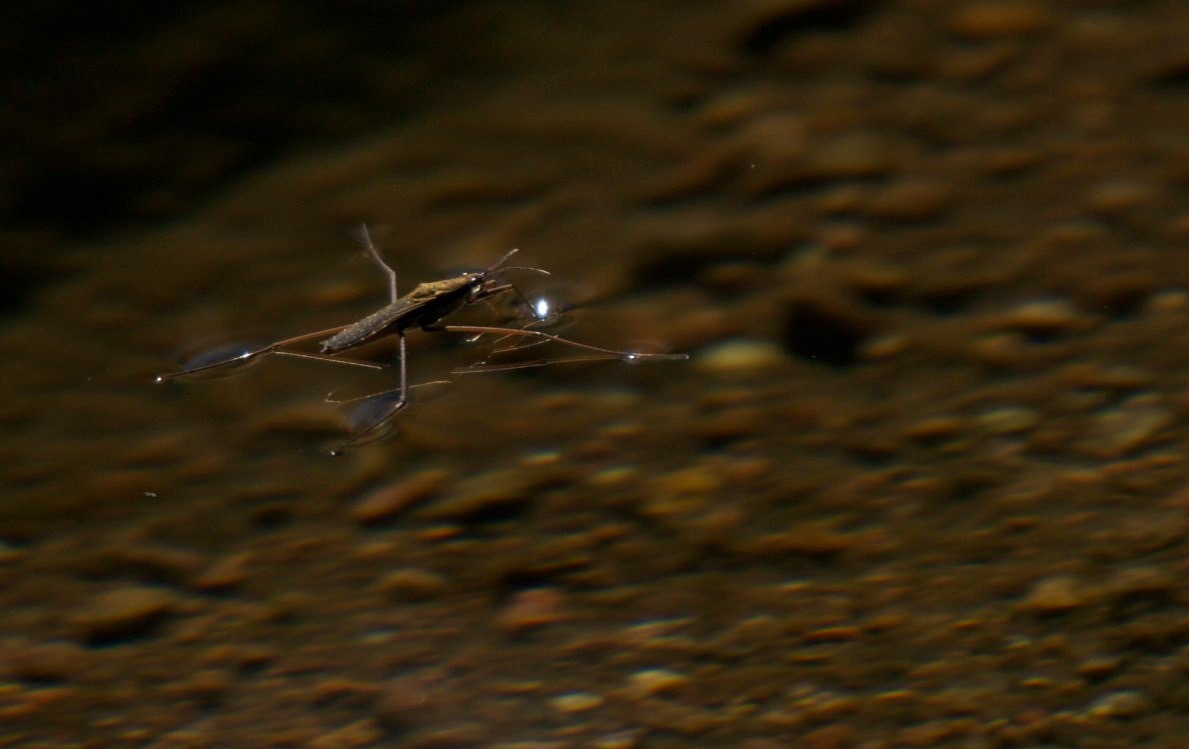
This small creature of just barely over a centi-meter in length, a small creature that darts about without warning, a bug, a small bug, and thus difficult to identify in the best of conditions.
Aquarius remigis is the water strider typically reported from this area. Aquarius remigis was first described by Say in 1832, although he placed it in the genus Gerris. These photographs were recorded on March 4 in Railroad Canyon, on the west slope of the Black Range.
Dolomedes gertschi, New Mexico Fishing Spider, preys on water striders. According to bugGuide its range is restricted to the Gila River drainage in Arizona and New Mexico. The waters of Railroad Canyon are in the Mimbres watershed, which drains into north central Mexico - but not at the surface. However, there are observations of this species of spider from Albuquerque and the Jemez Mountains listed at bugGuide and on iNaturalist from the Mimbres River. It is safe, I think, to state that fishing spiders found in this area will be of this species - by range.
BugGuide lists the following (unattributed) statement: "(Aquarius remigis) Faces a conflict when deciding which habitat refuge to use when responding to predators. Predation by sunfish (Lepomis) means these bugs need to retreat to the stream banks. But they must move away from those banks when avoiding fishing spiders (Dolomedes).” Now the stream in Railroad Canyon does not have any sunfish, but it is likely to have some fishing spiders.
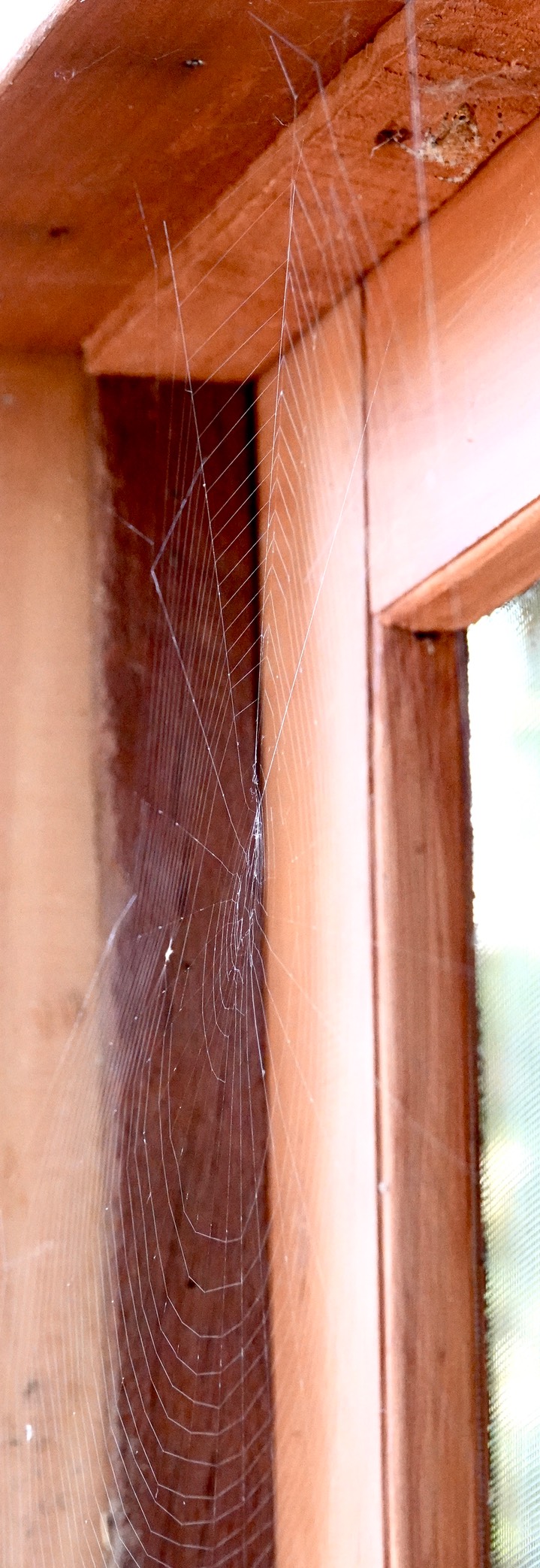
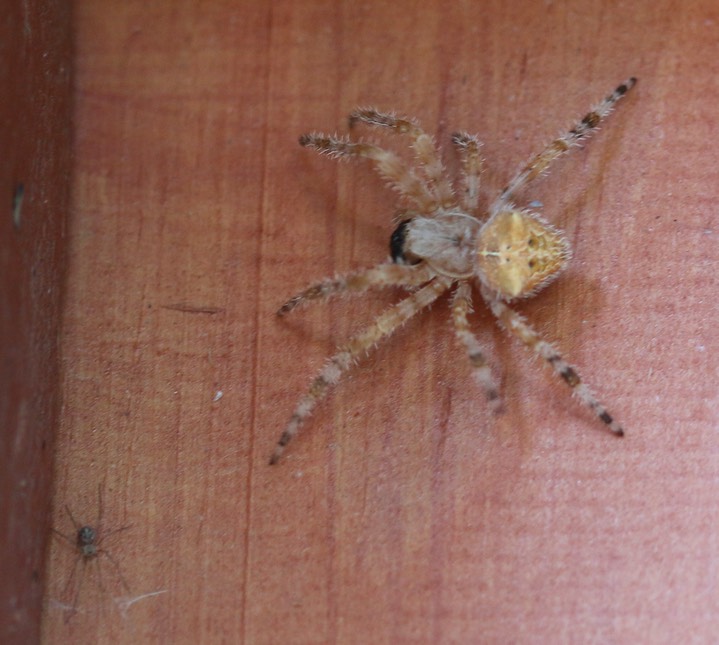
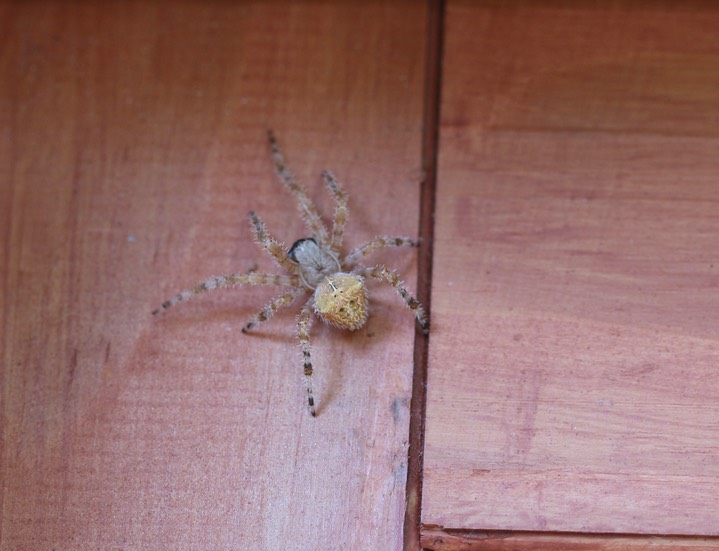
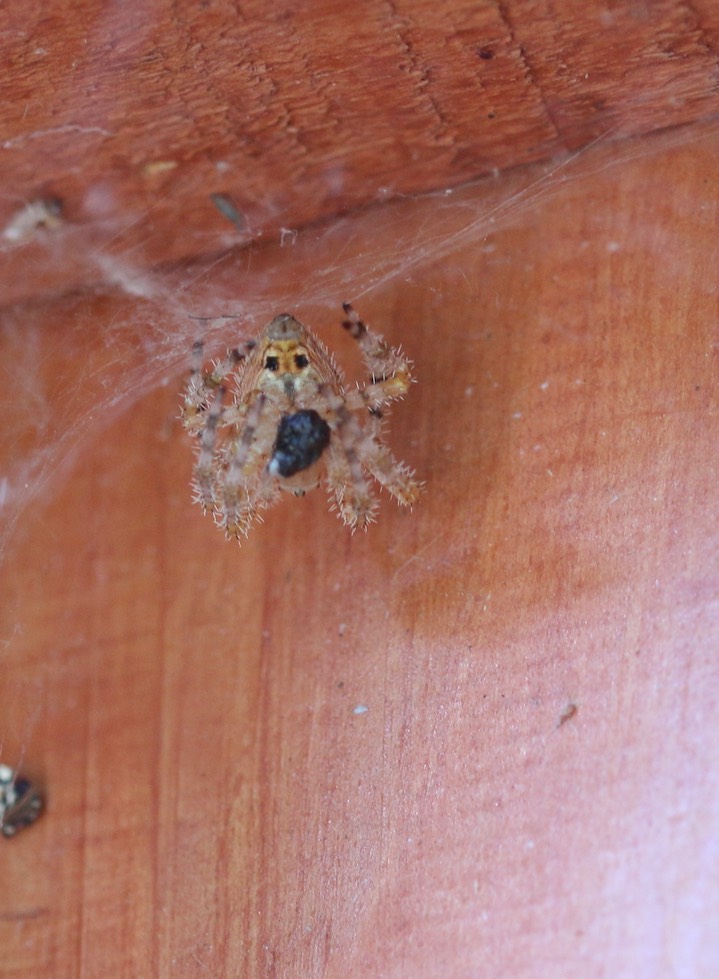
Araneidae (Family)
Hillsboro
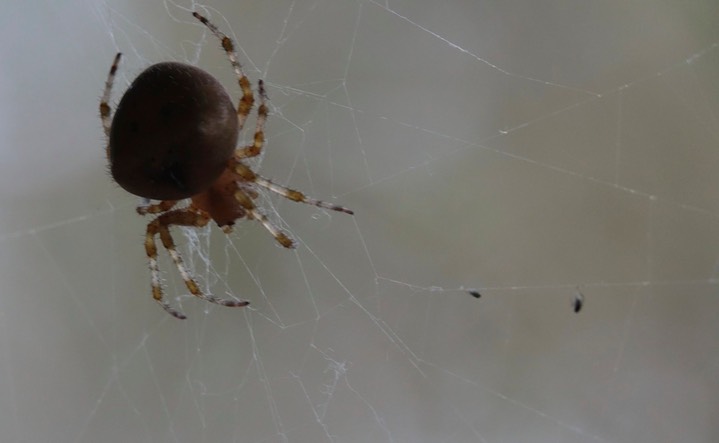
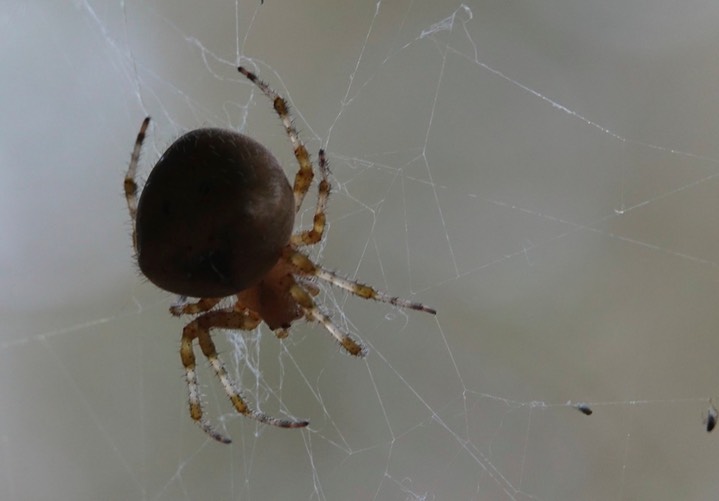
Araneus gemmoides/illaudatus
Common name for
A. gemmoides is Cat-faced Spider
Hillsboro
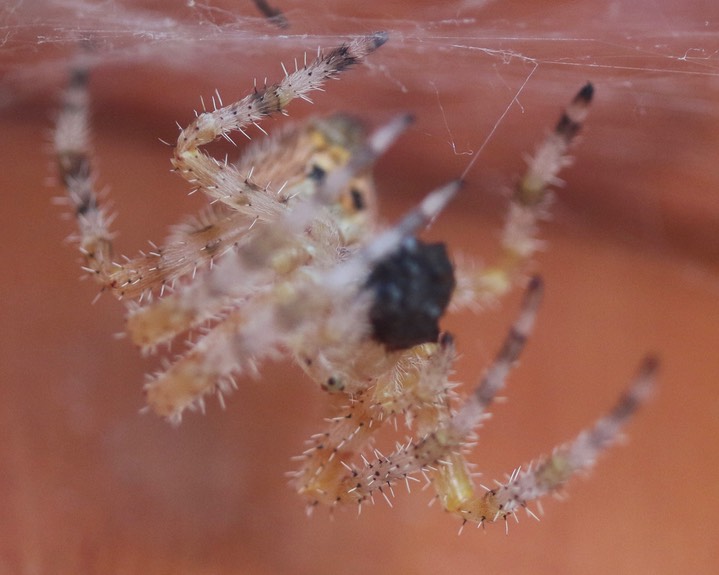
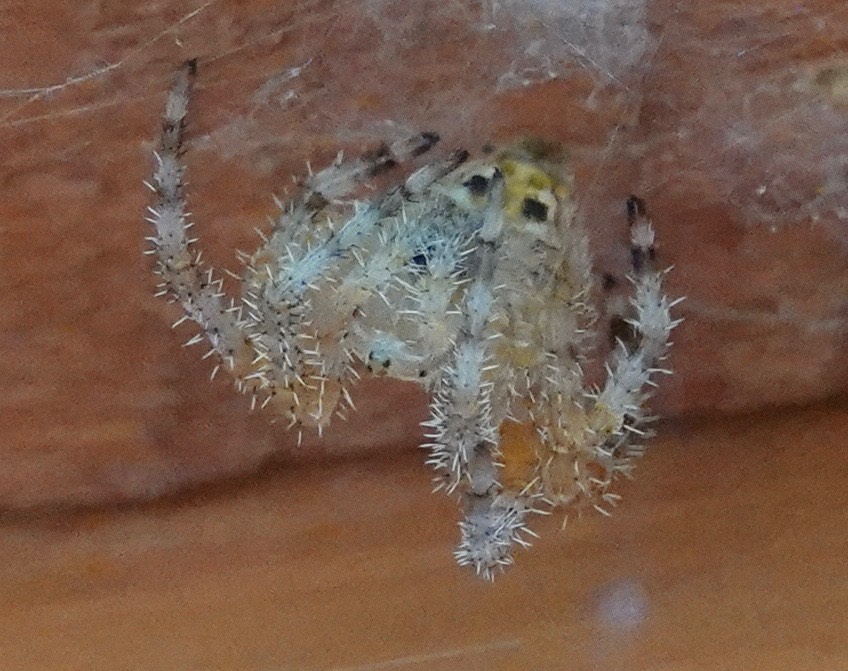
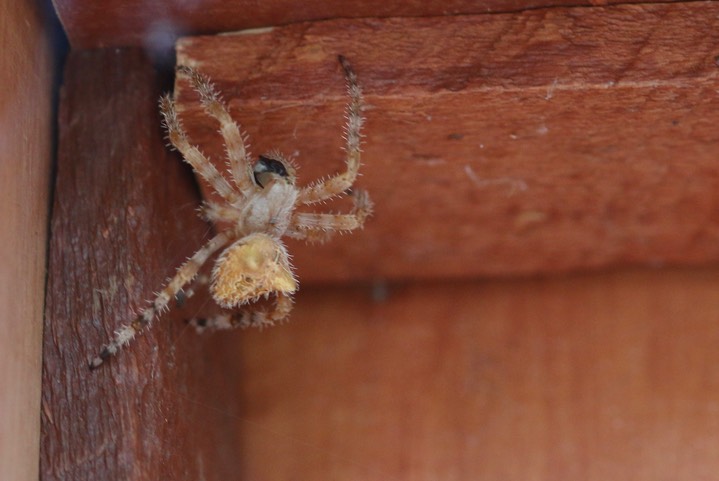
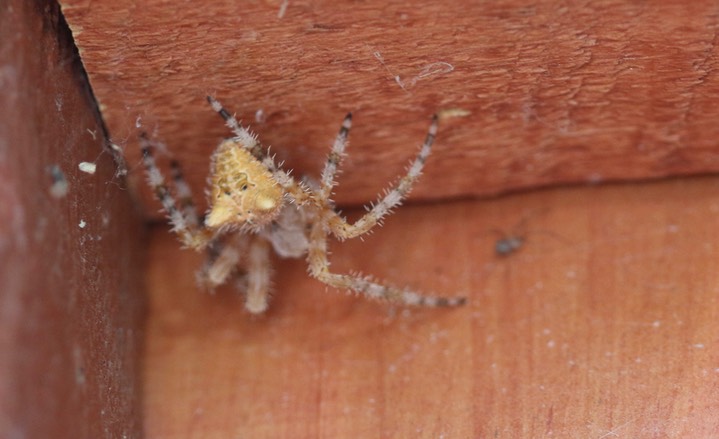
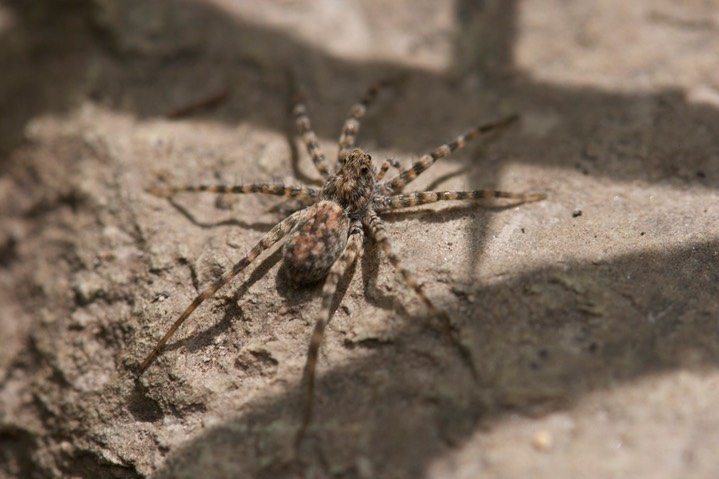
Arctosa littoralis?
A type of Wolf Spider
Railroad Canyon
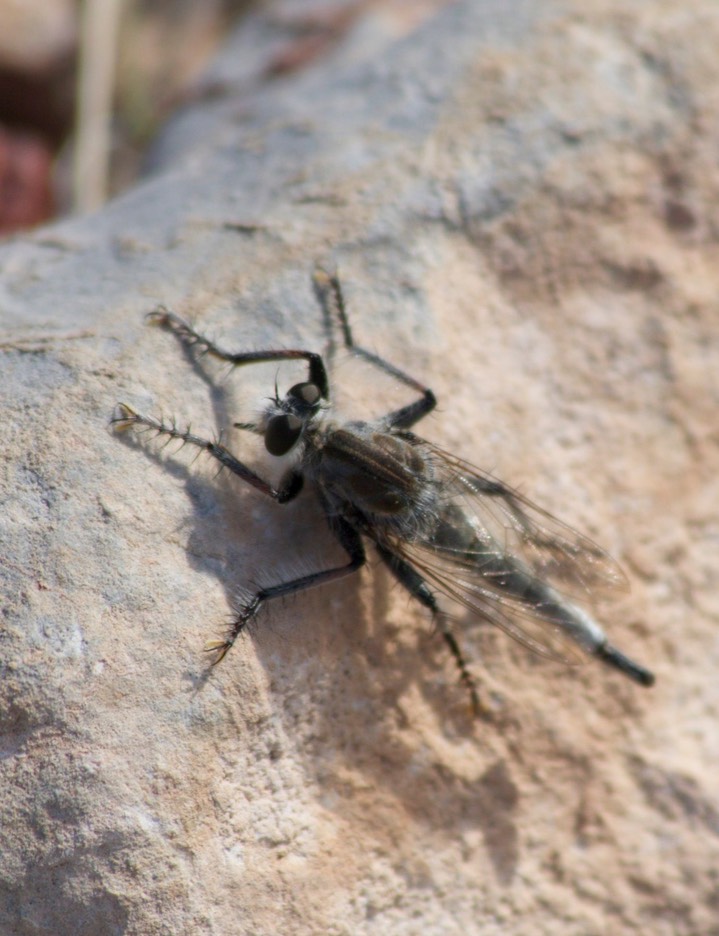
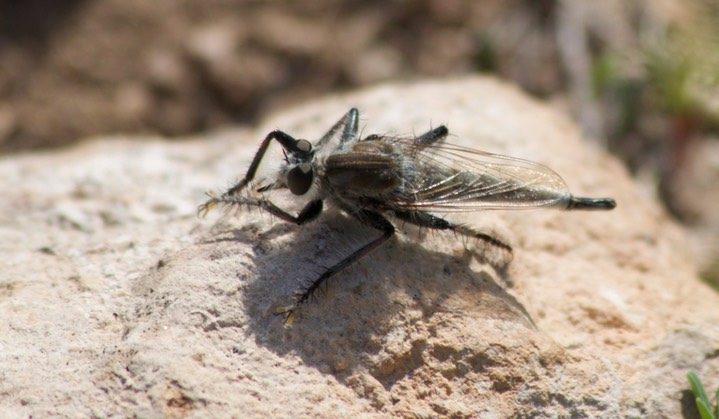
Asilidae sp?
Robber Fly
East of Hillsboro
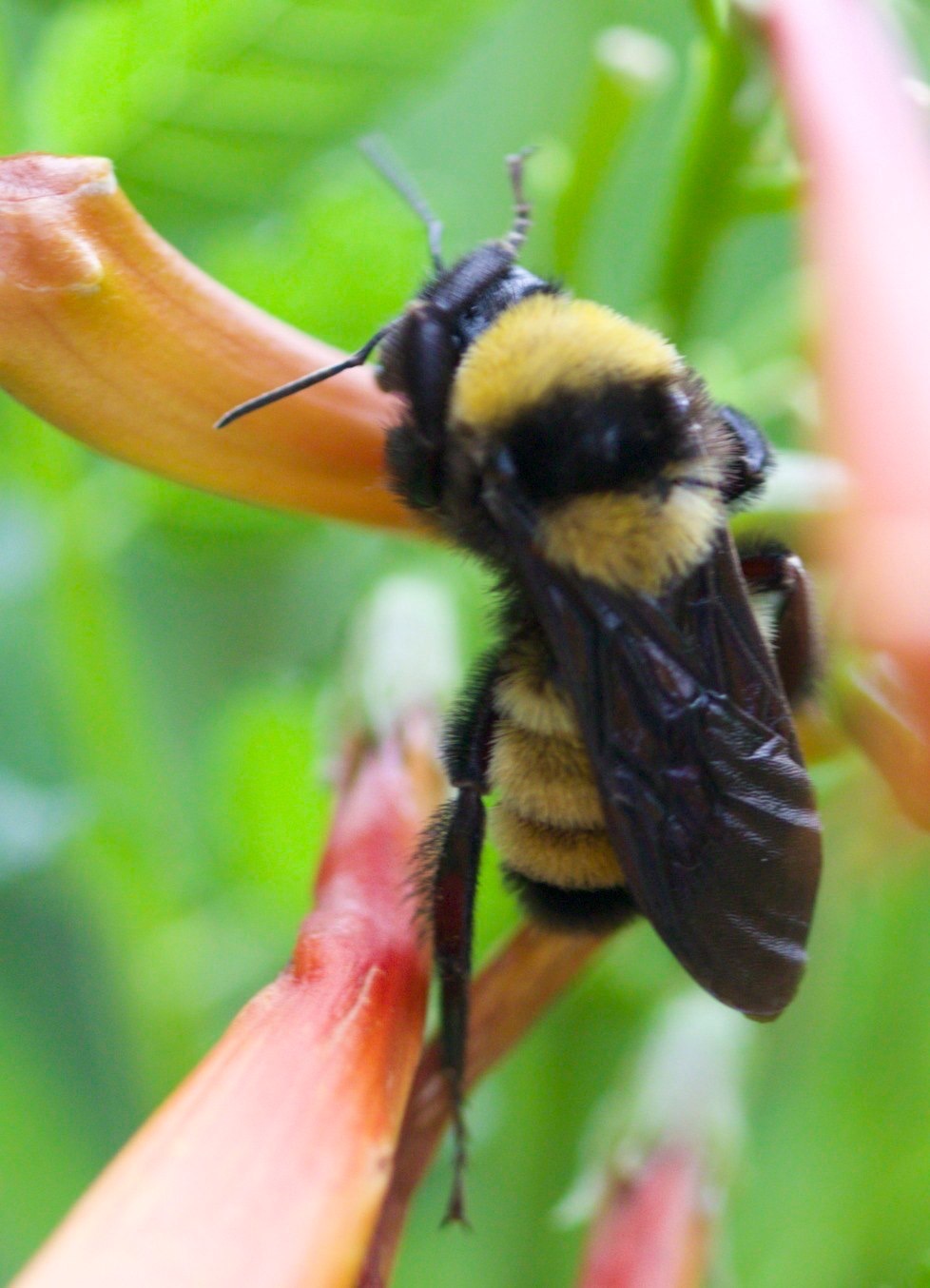
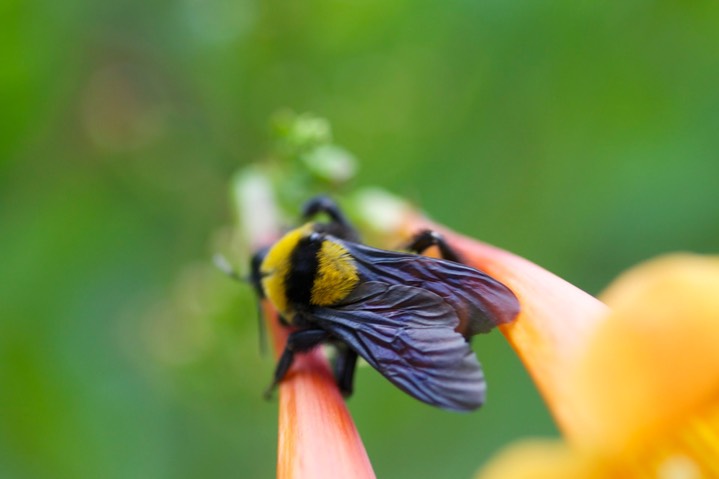
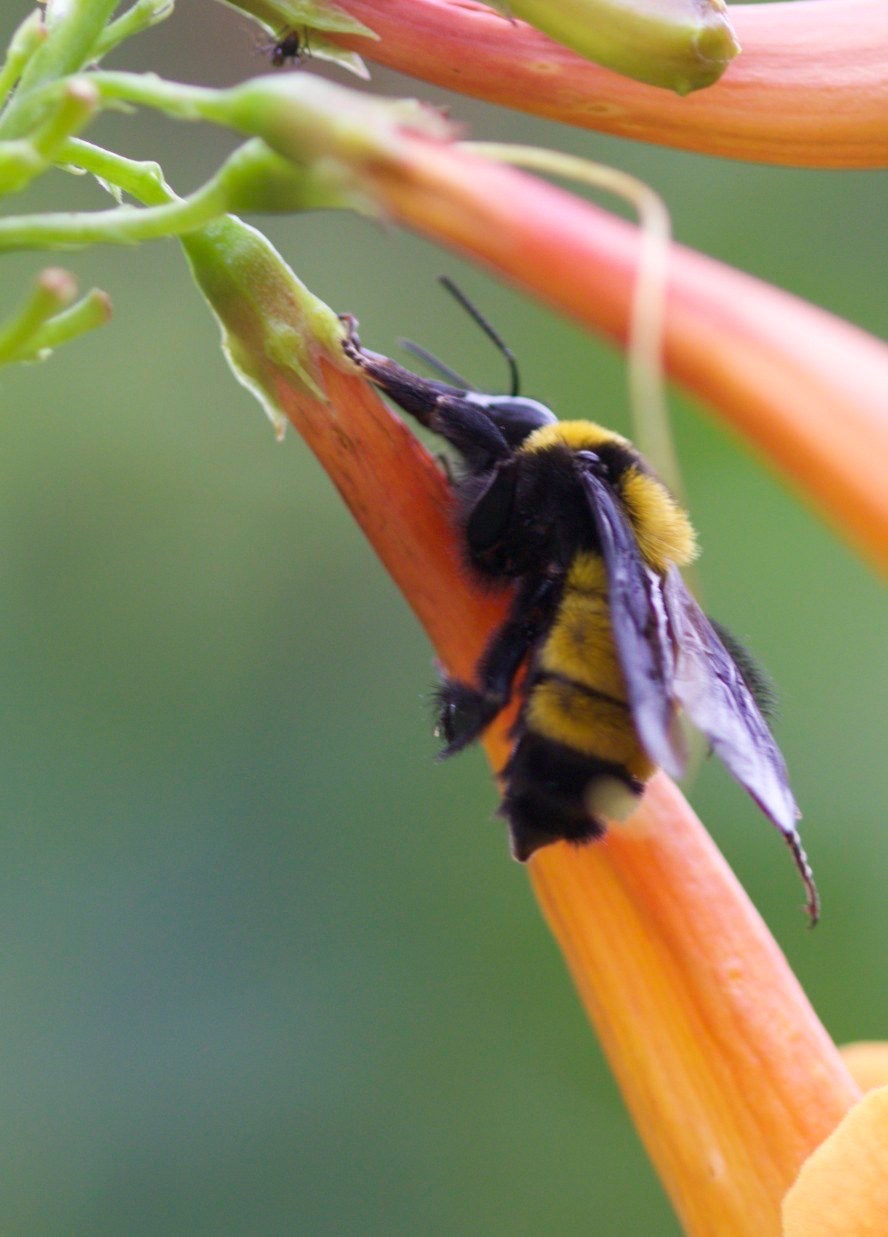
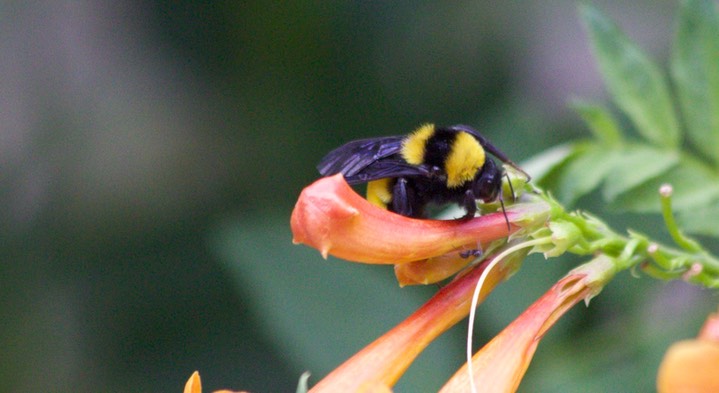
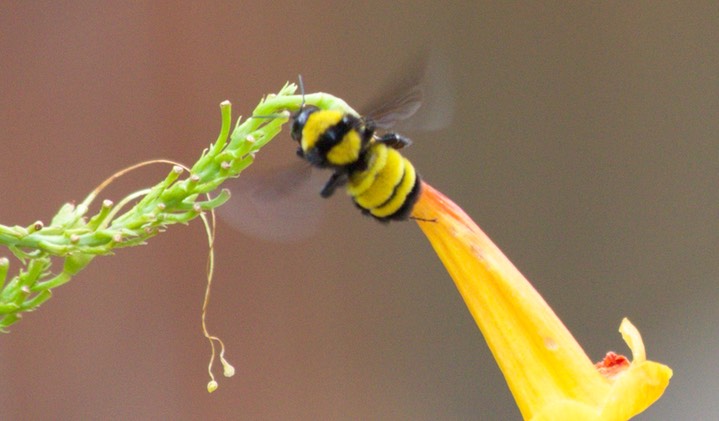
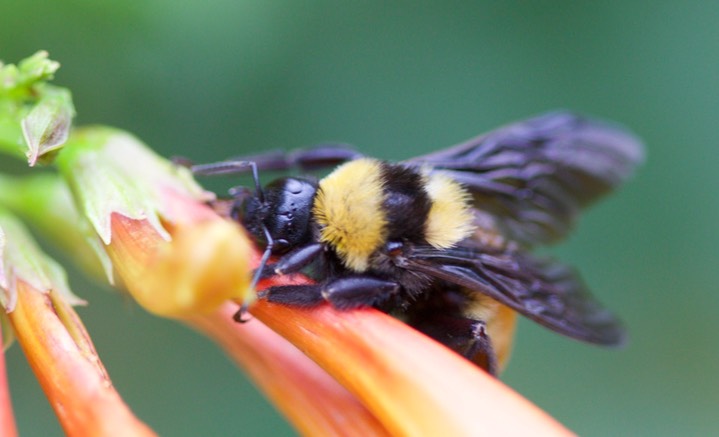
Bombus sonorus
Sonoran Bumble Bee
Hillsboro
Video



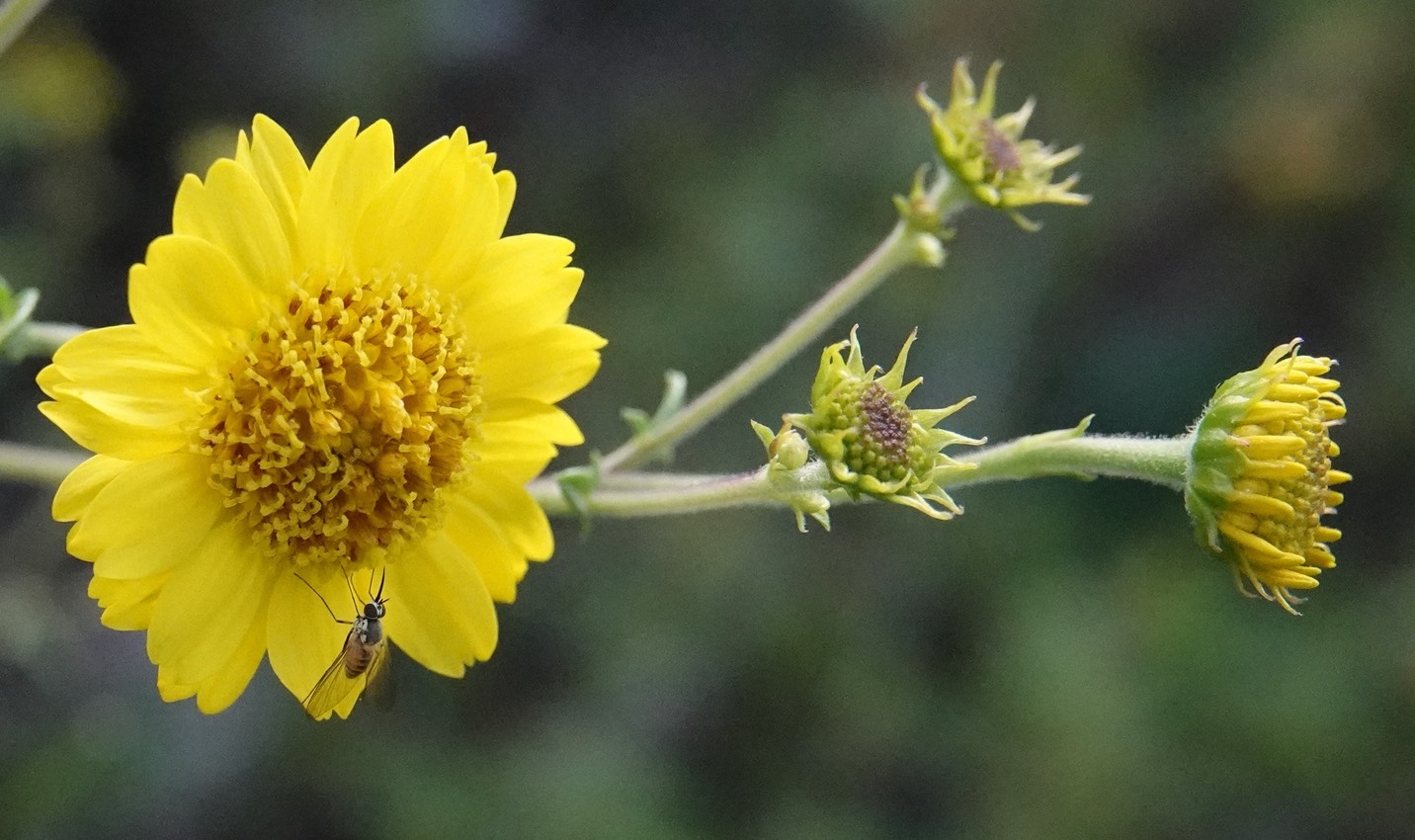
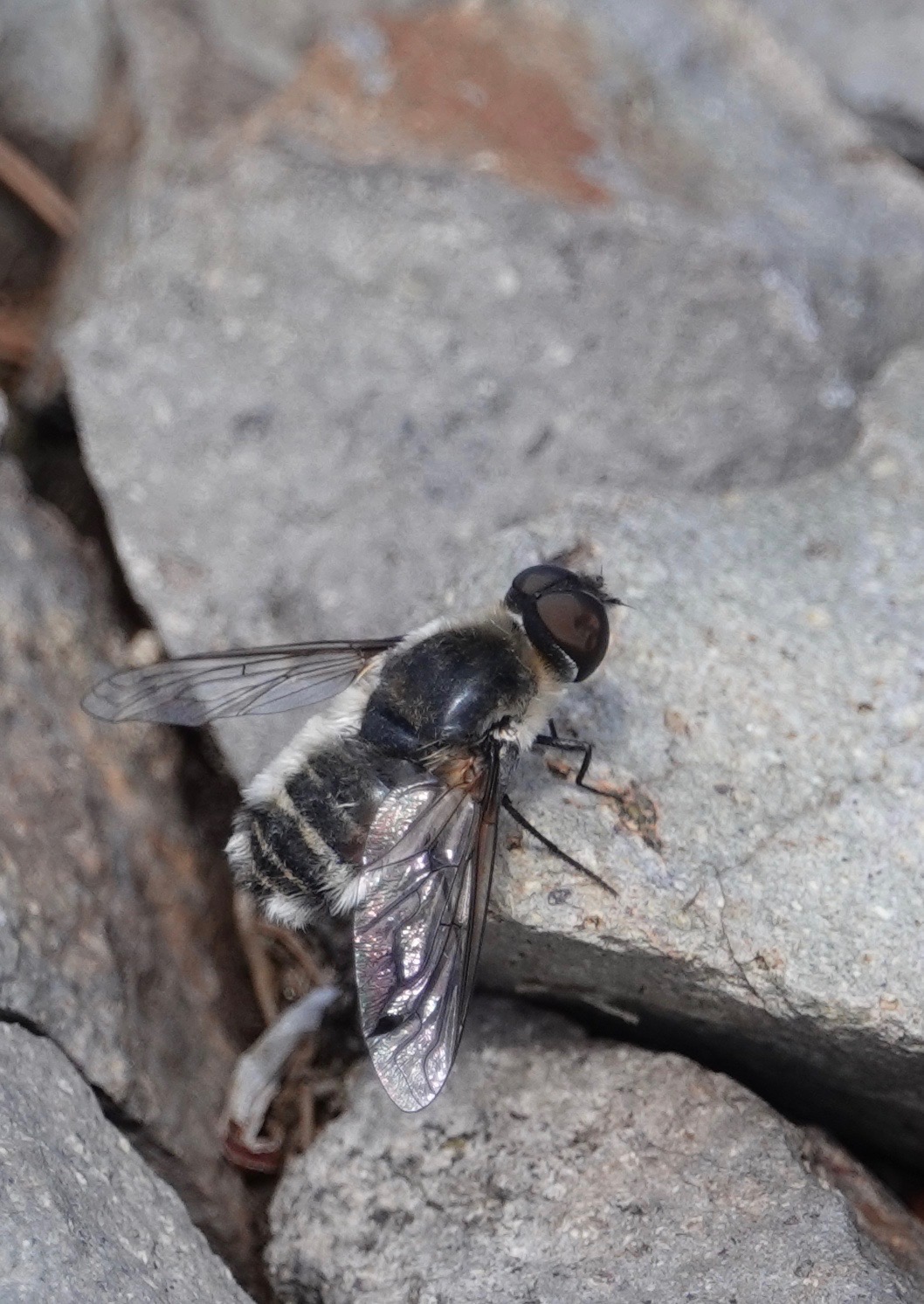
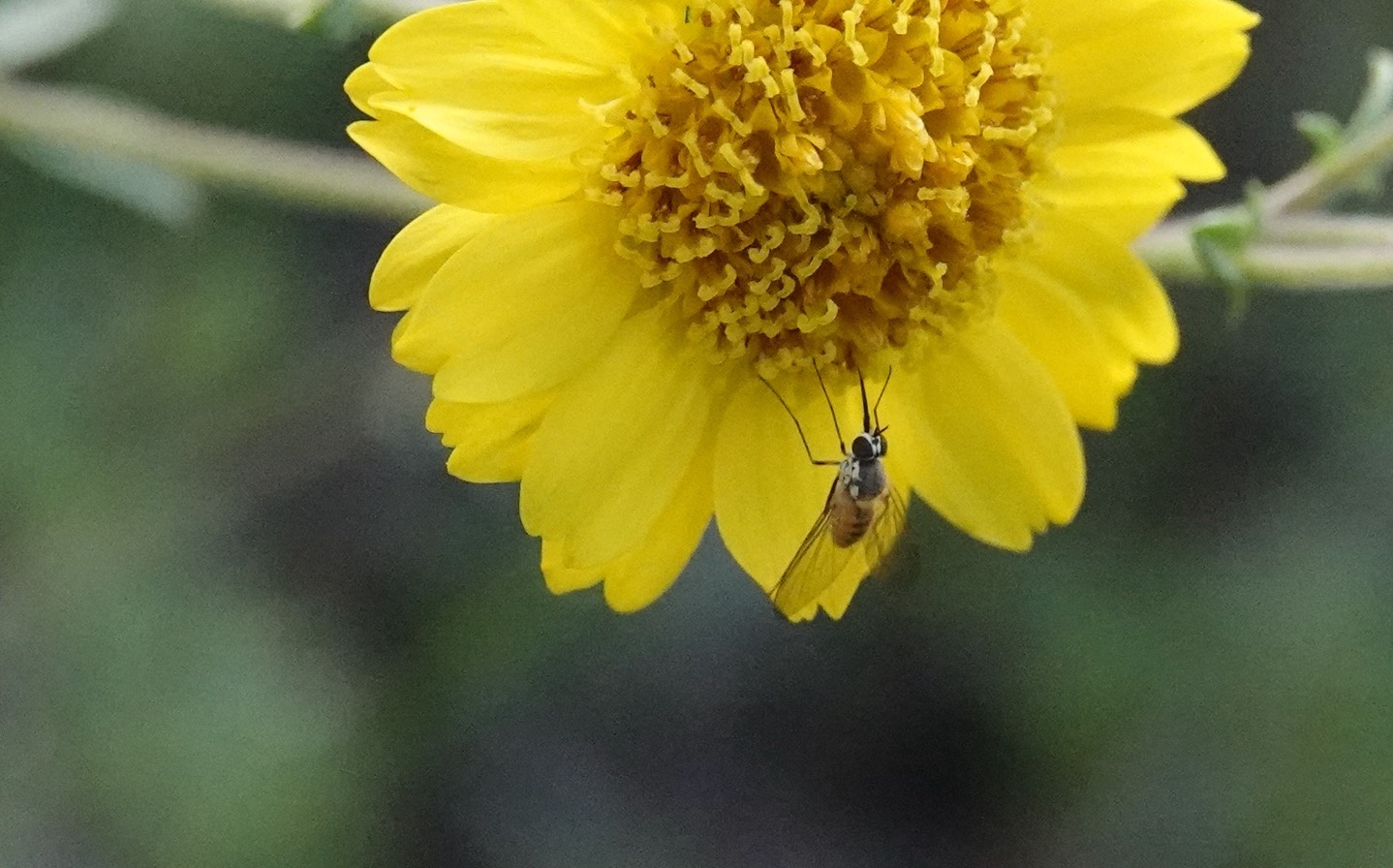
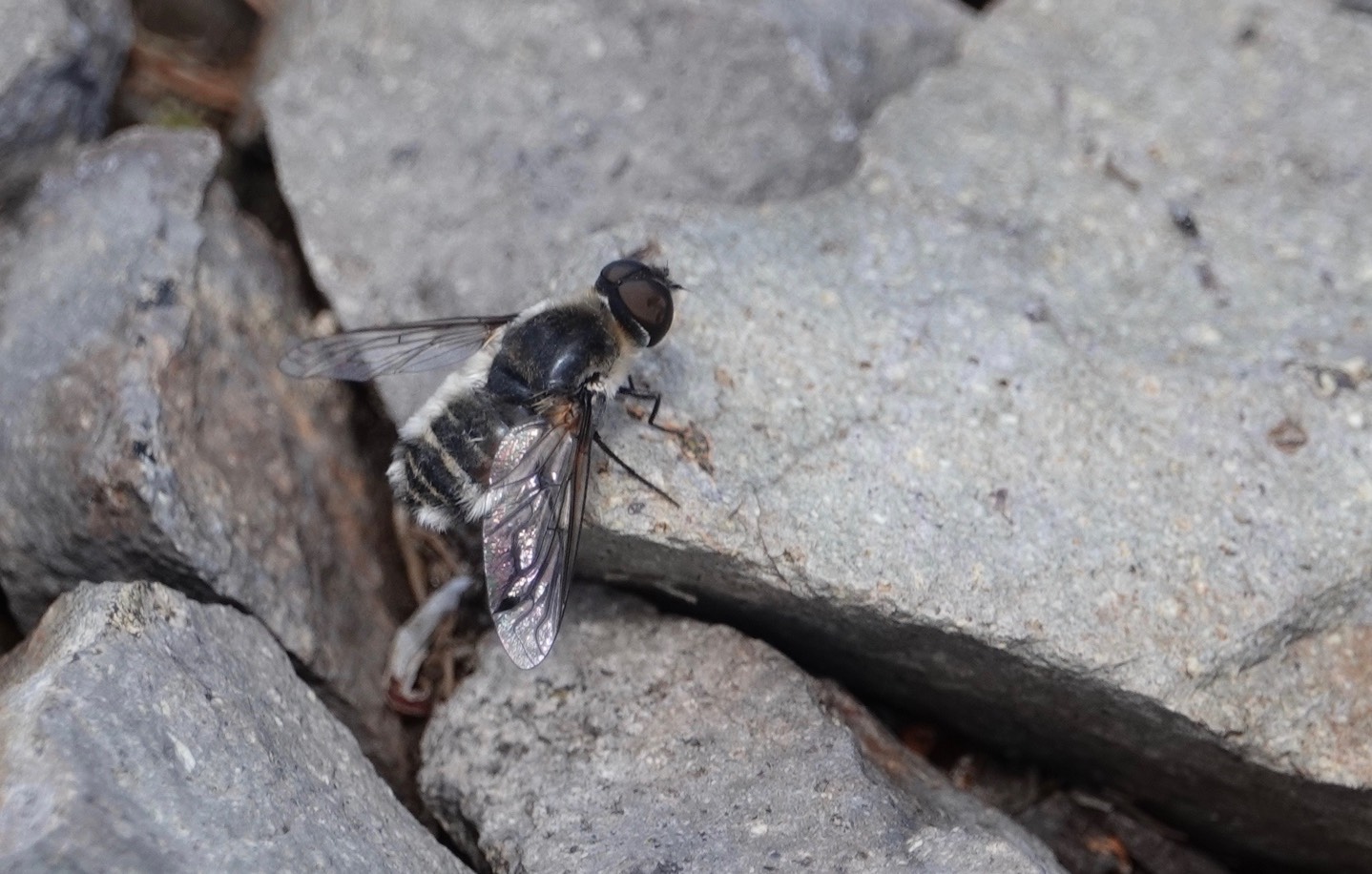
Family Bombyliidae
Maybe Bombylius or Poecilanthrax
Bee Fly
Hillsboro Peak Trail
April
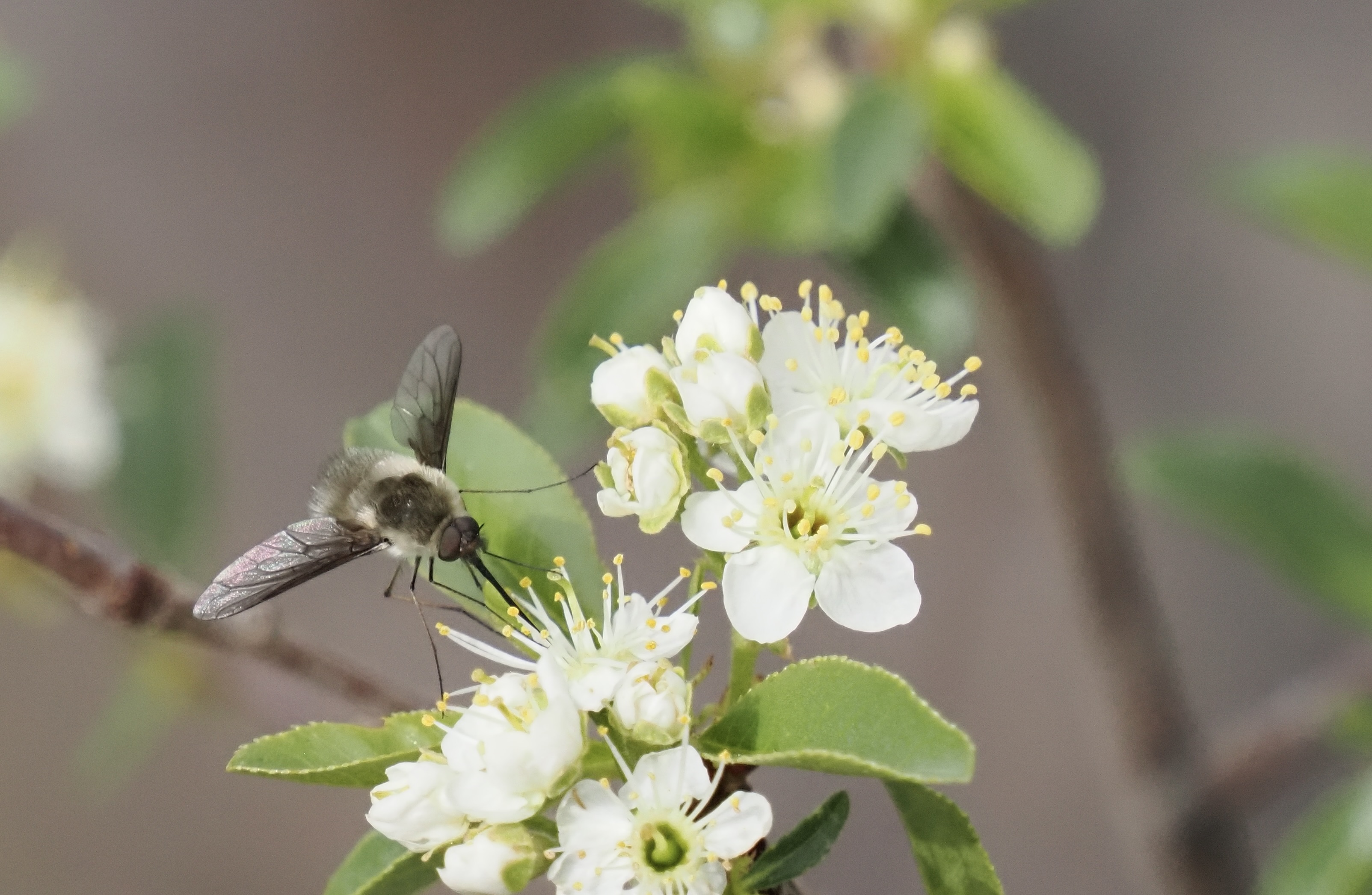
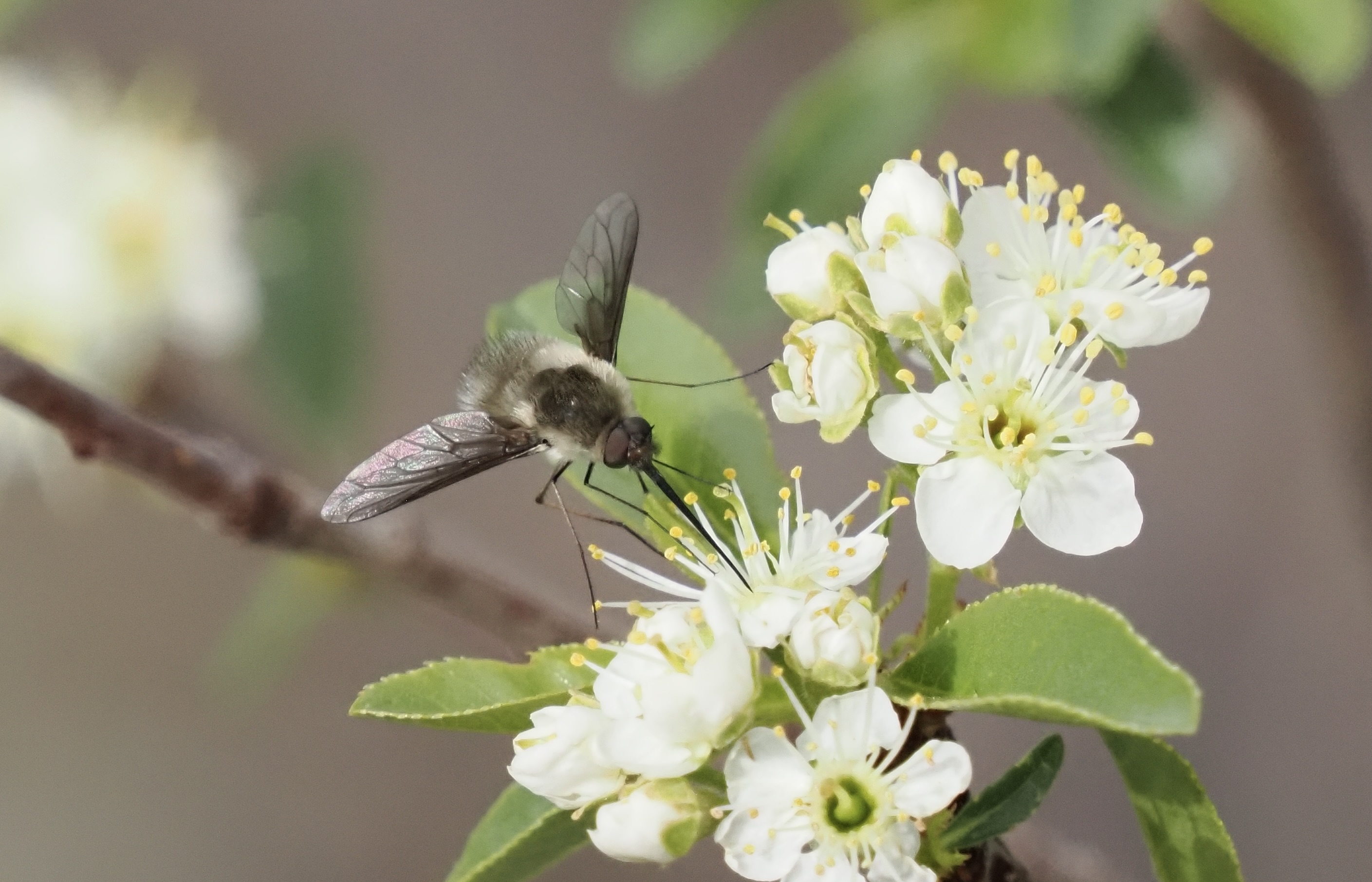
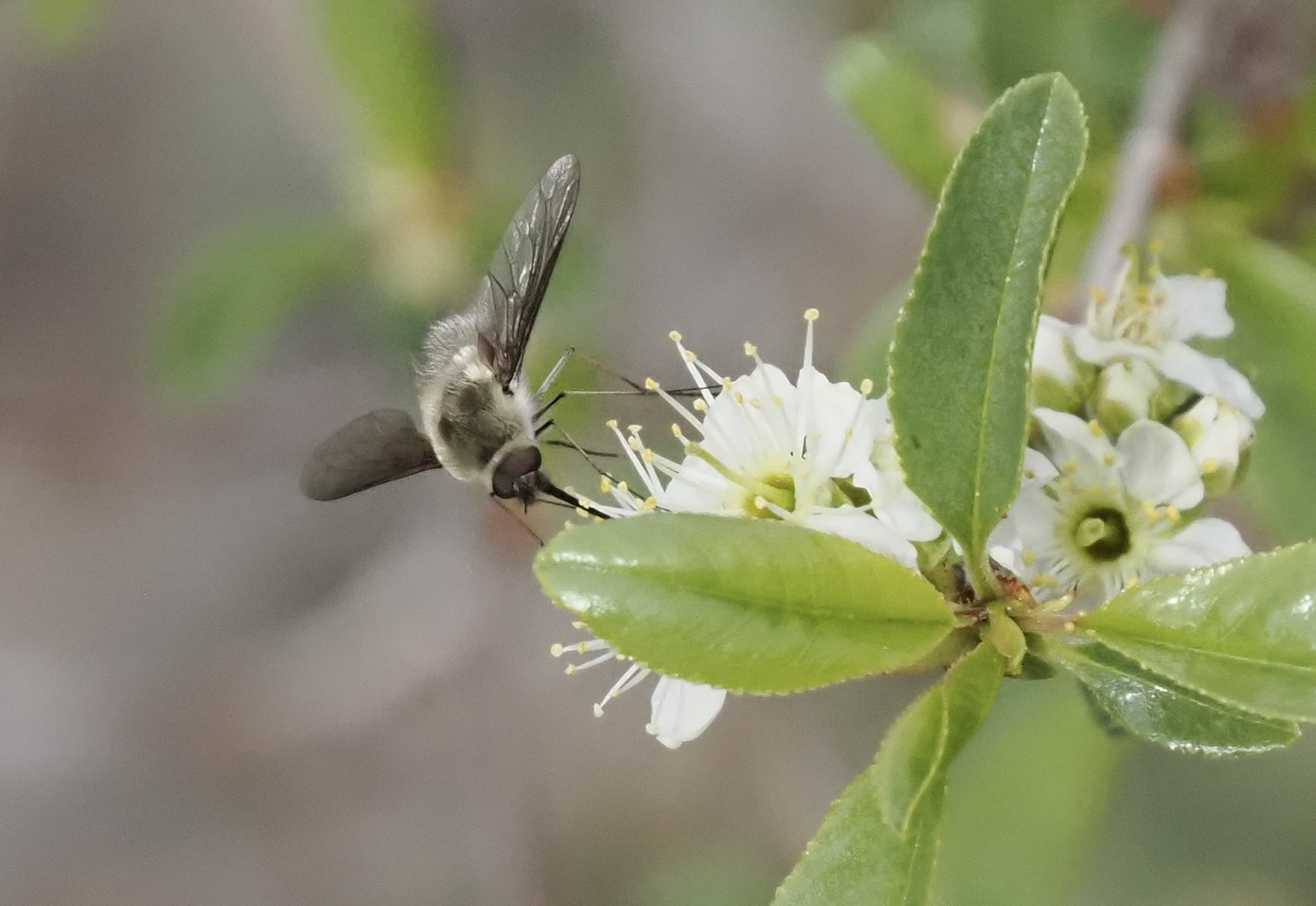
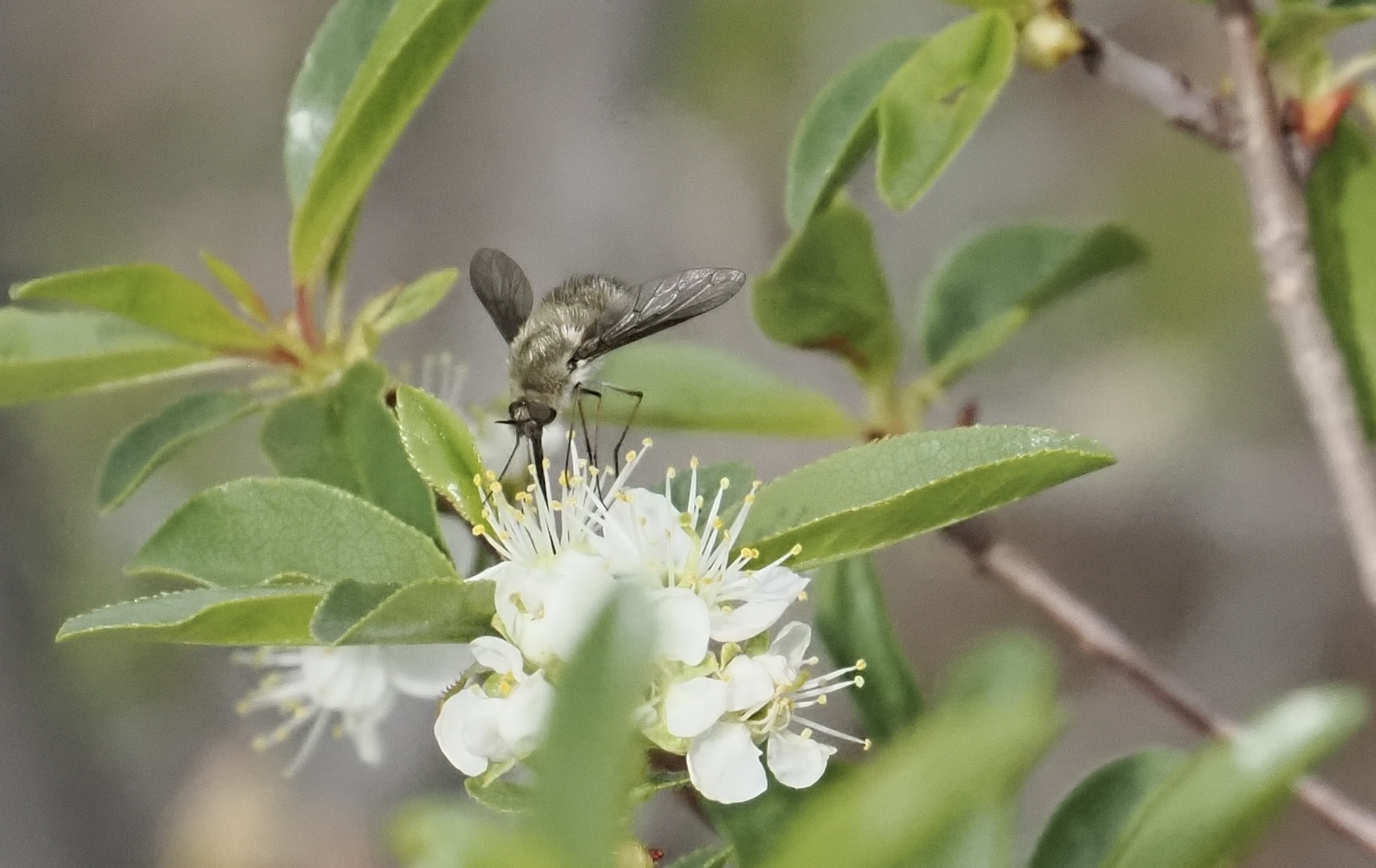
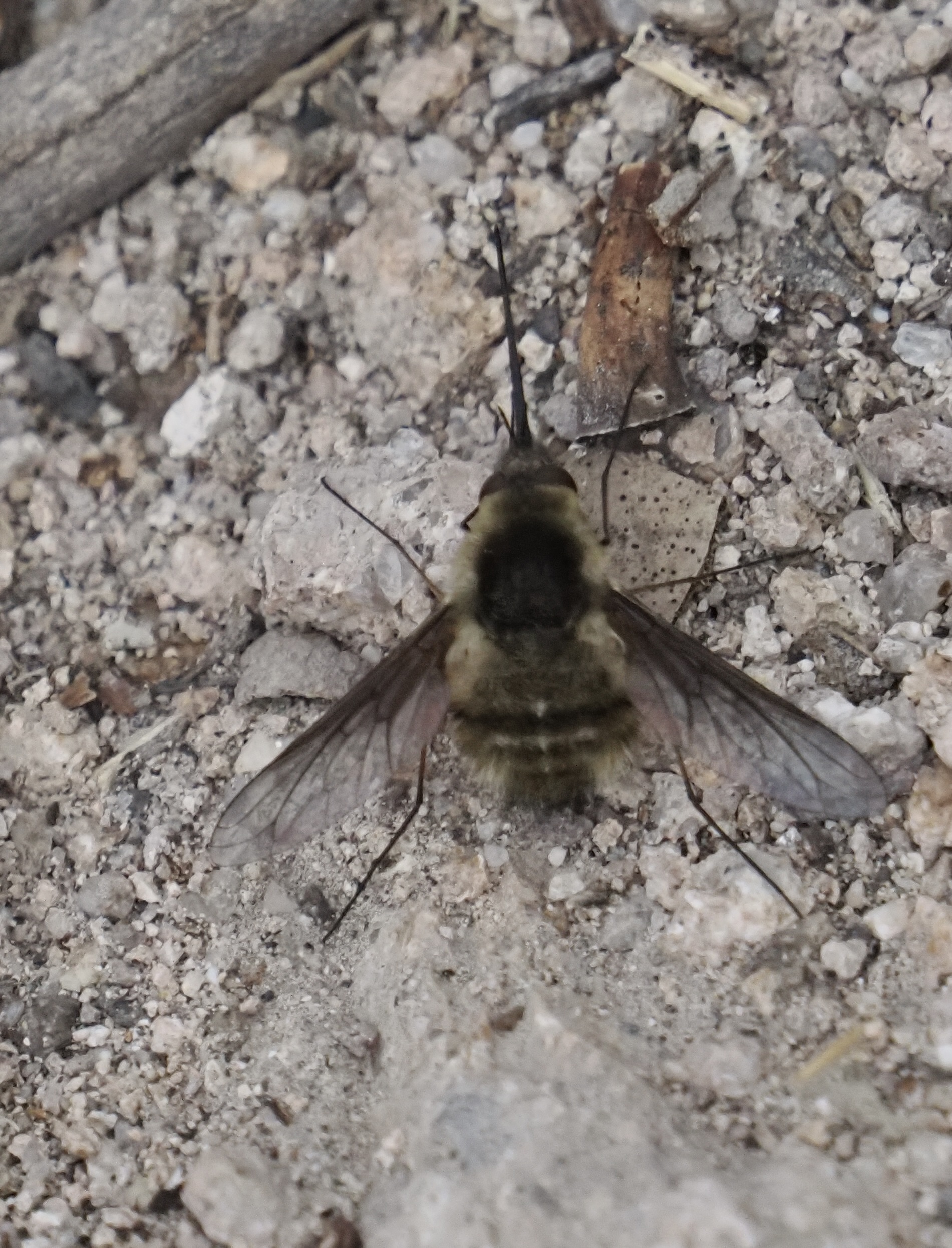
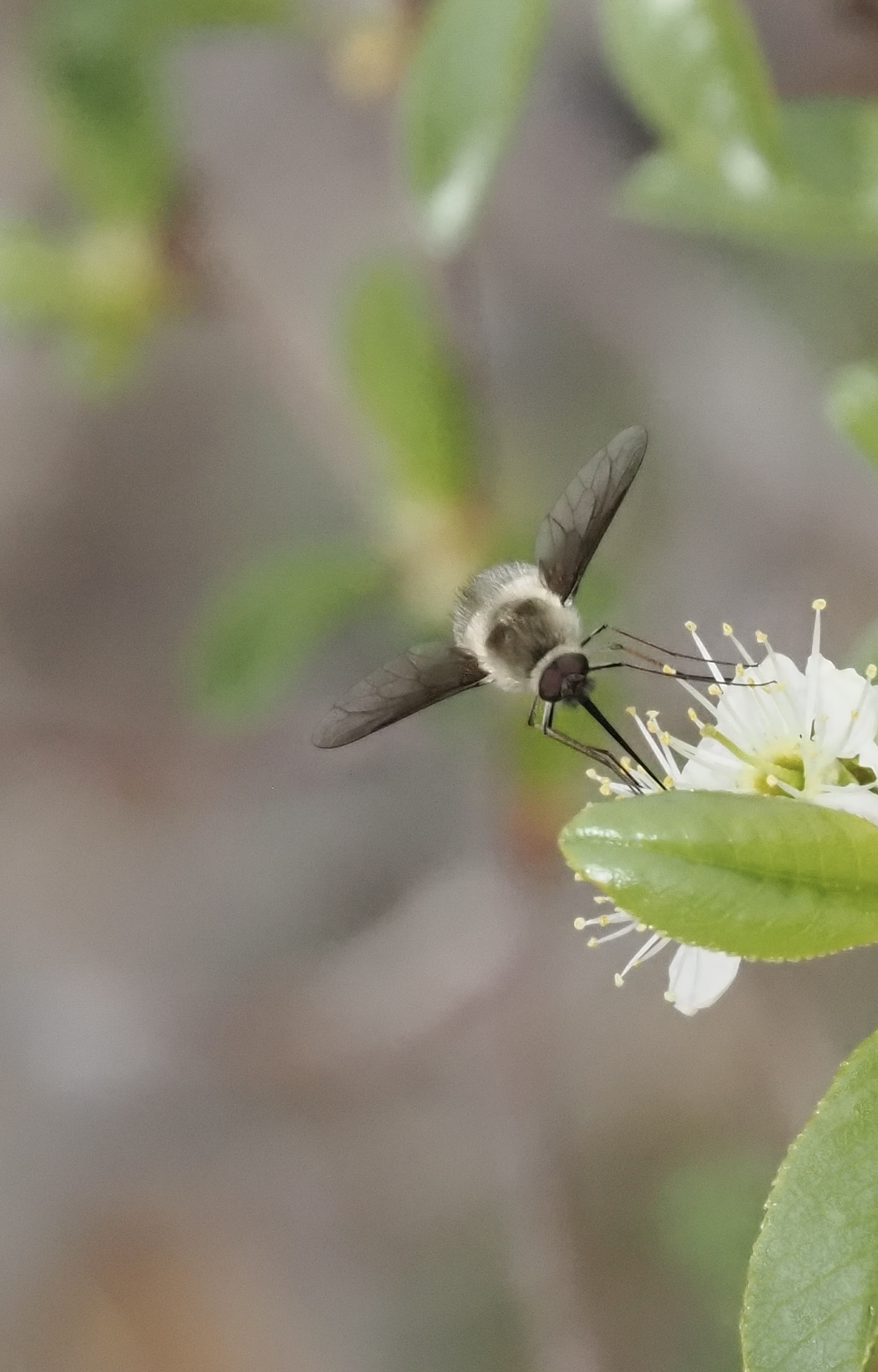
Currently under review at BugGuide.
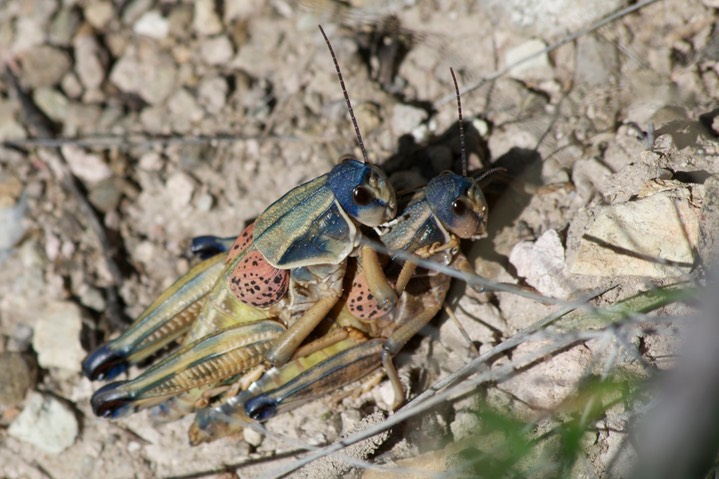
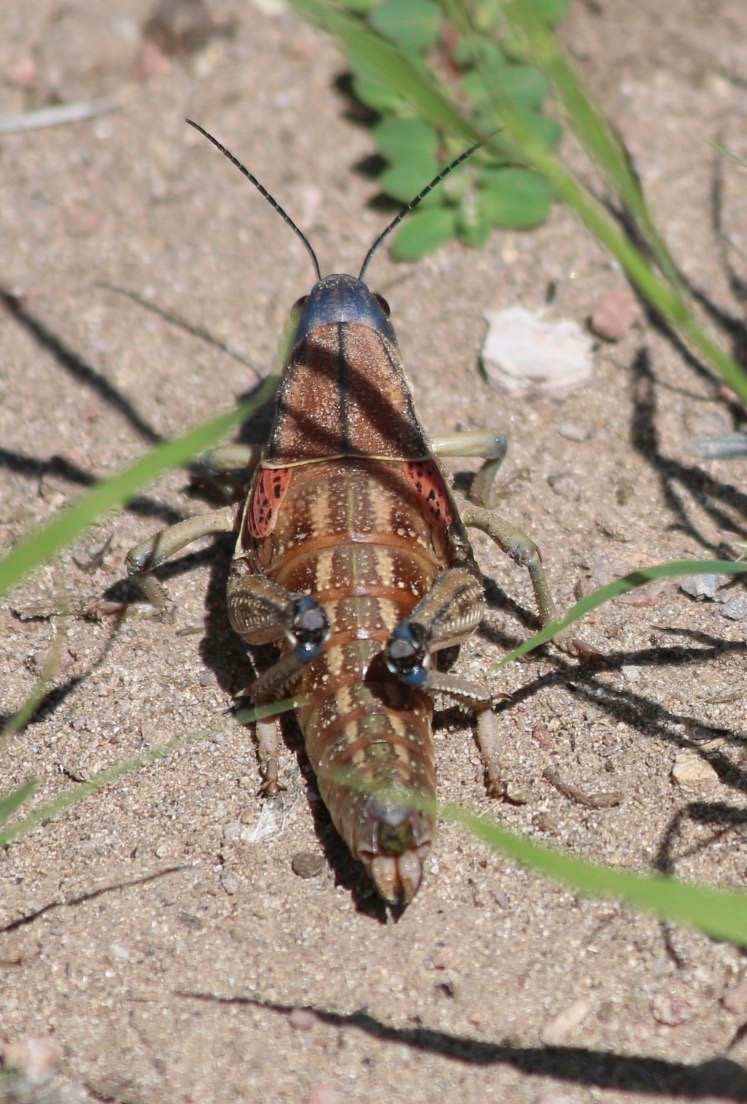
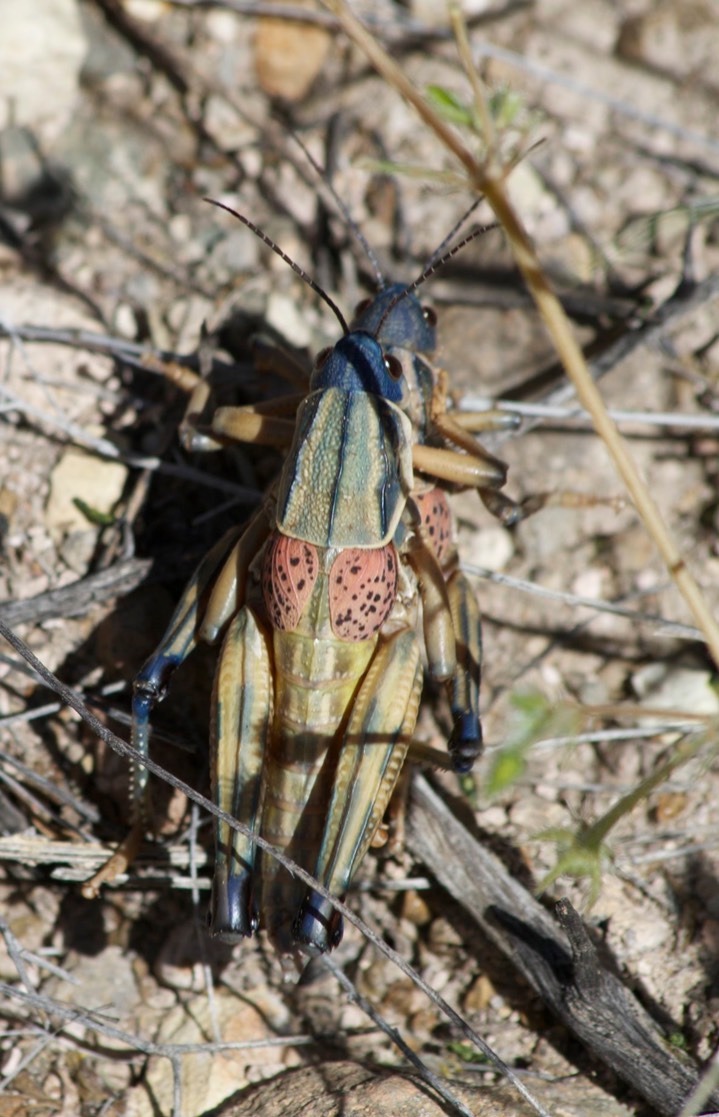
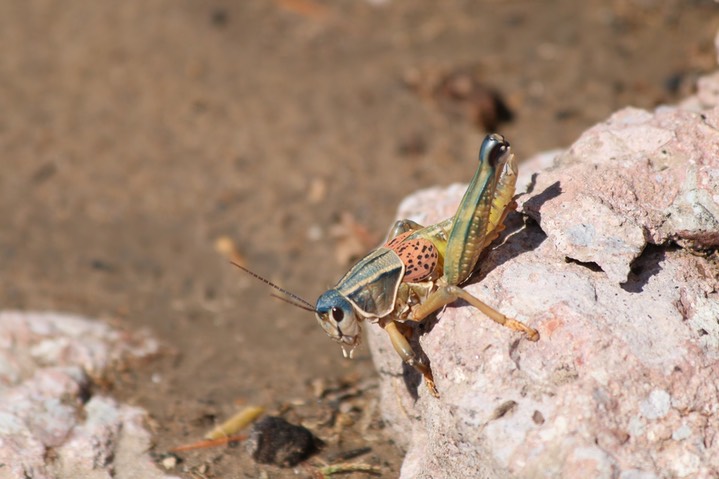
Boopedon nubilum
Ebony Grasshopper
Ready Pay Gulch east of Hillsboro
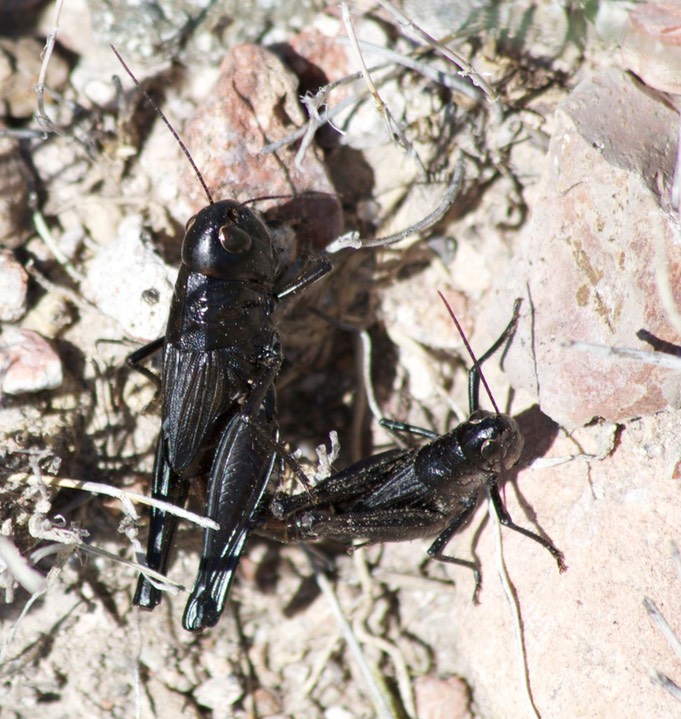
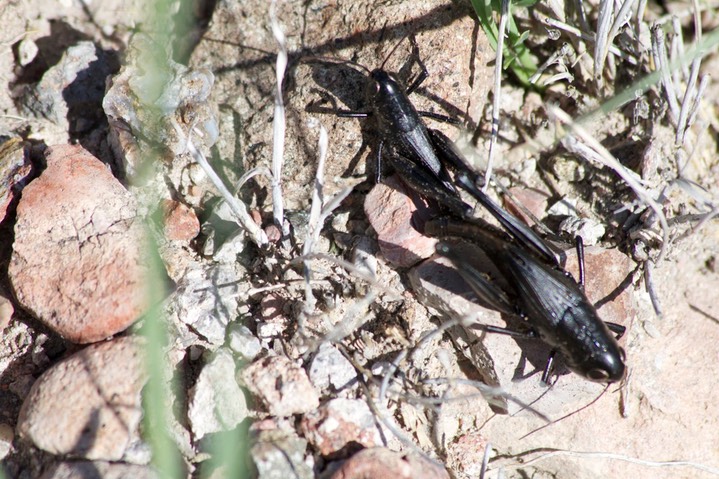
Brachynemurus ferox (?)
Ant Lion (adult)
Dry Creek
Just west of Kingston
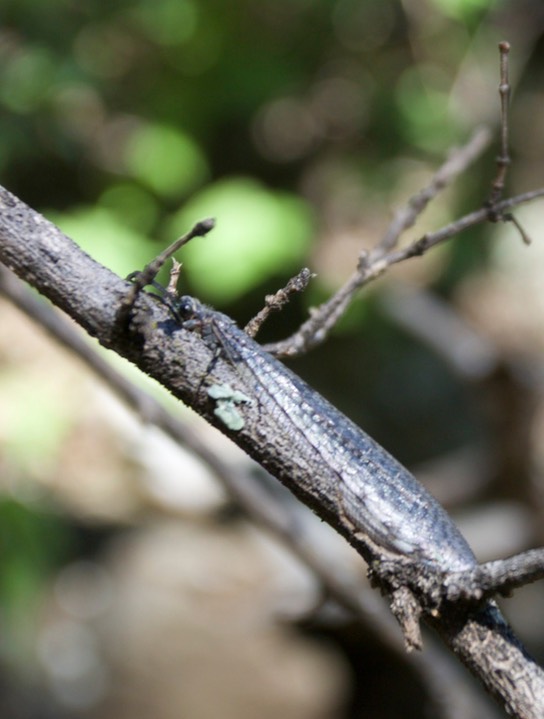
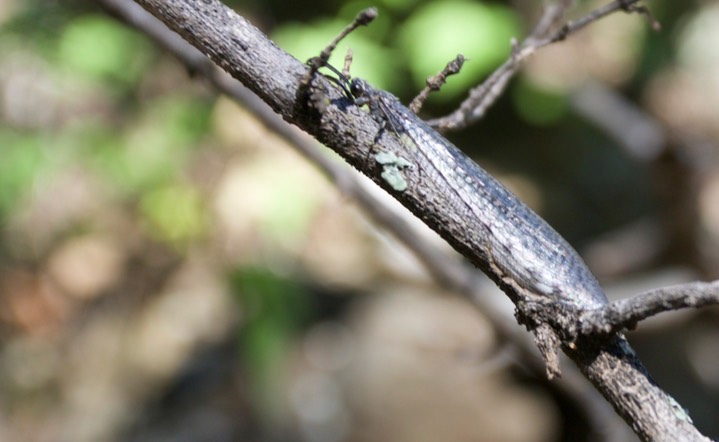
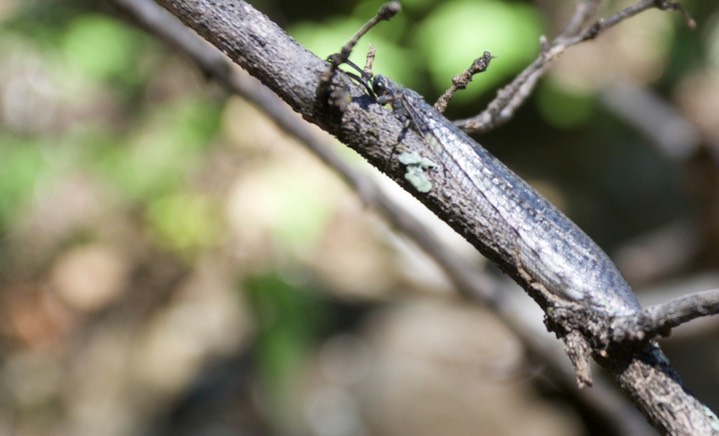
Brachystola magna
Plains Lubber Grasshopper
Percha Box, Hillsboro
Brochymena (sp?)
Middle Fork
Percha Creek
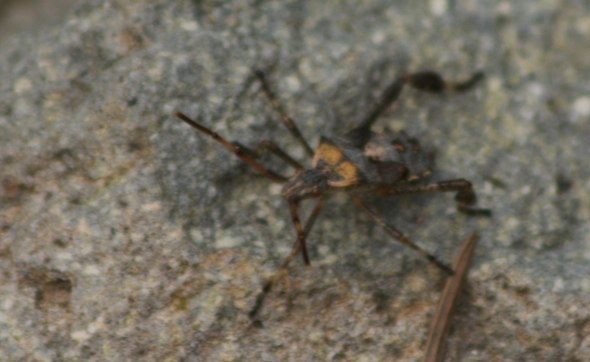
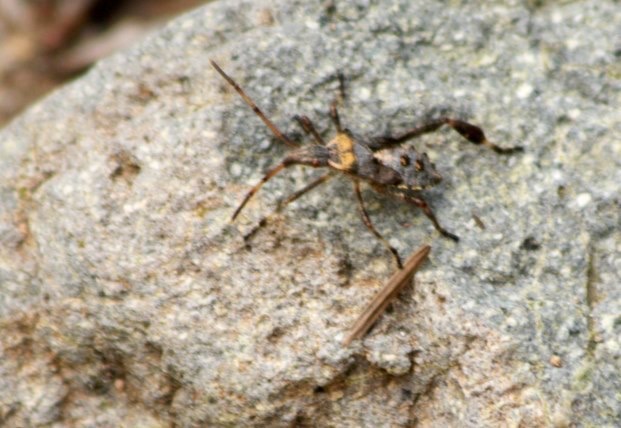
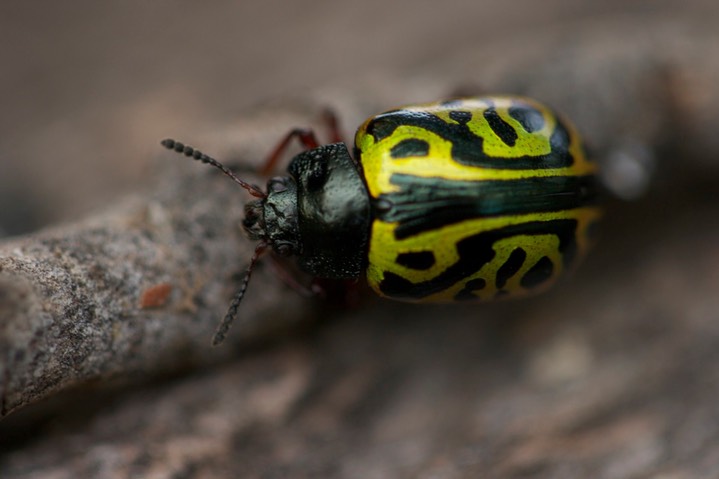
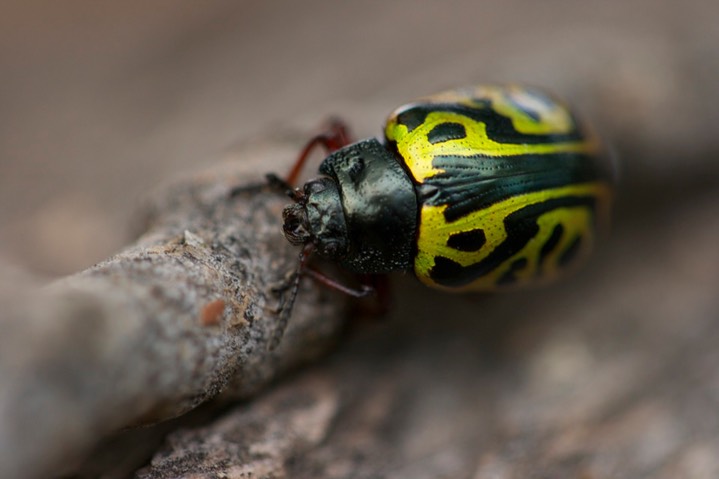
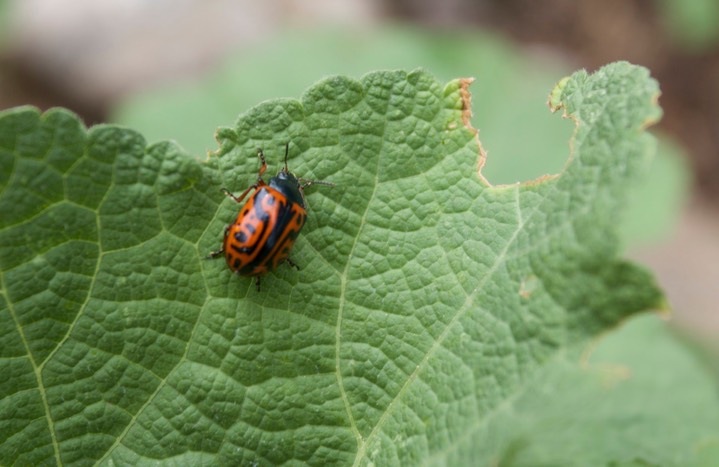
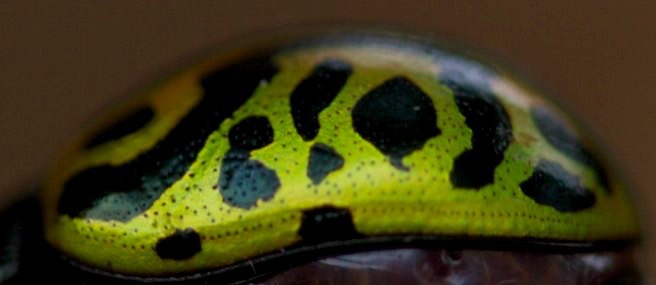
Calligrapha serpentina
Globemallow Leaf Beetle
Hillsboro
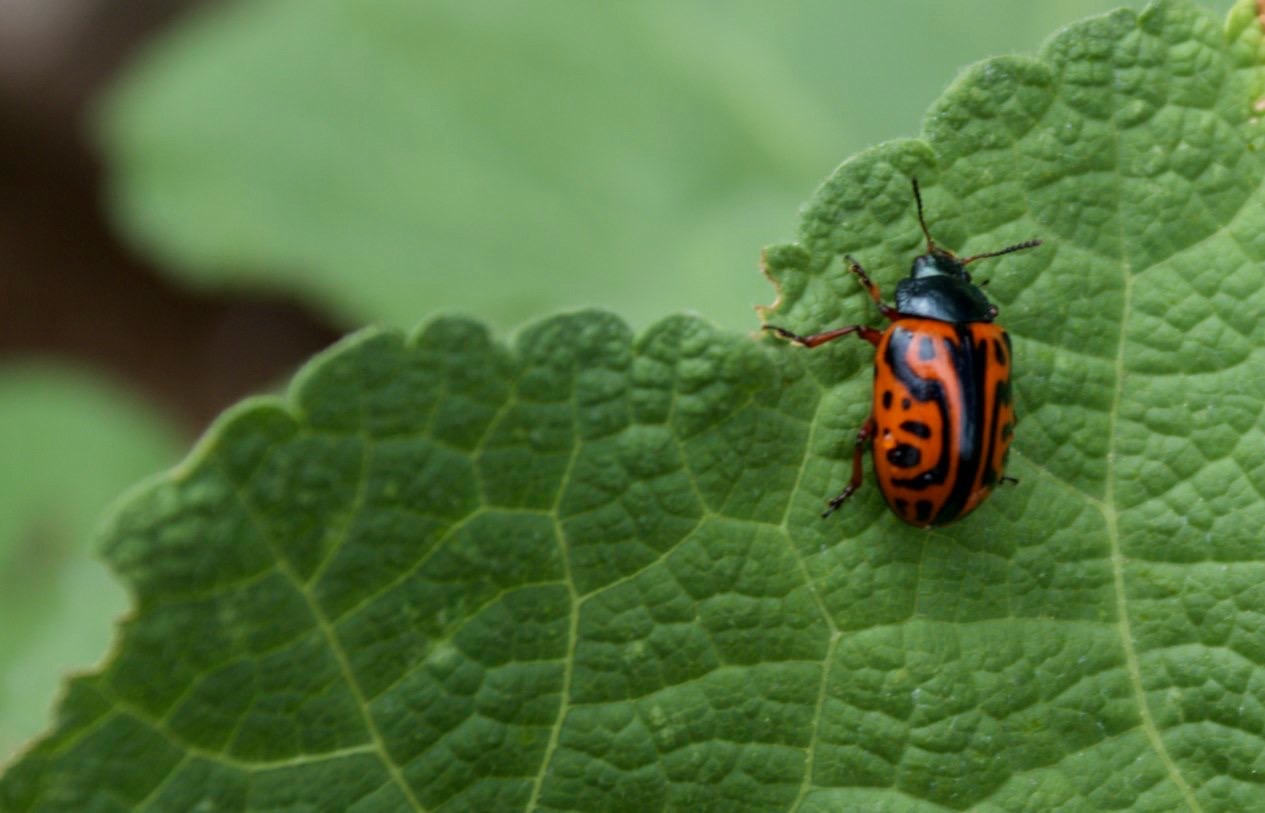
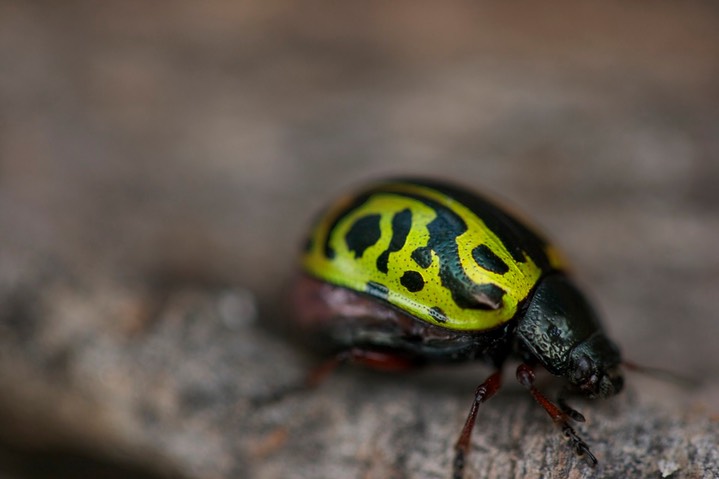
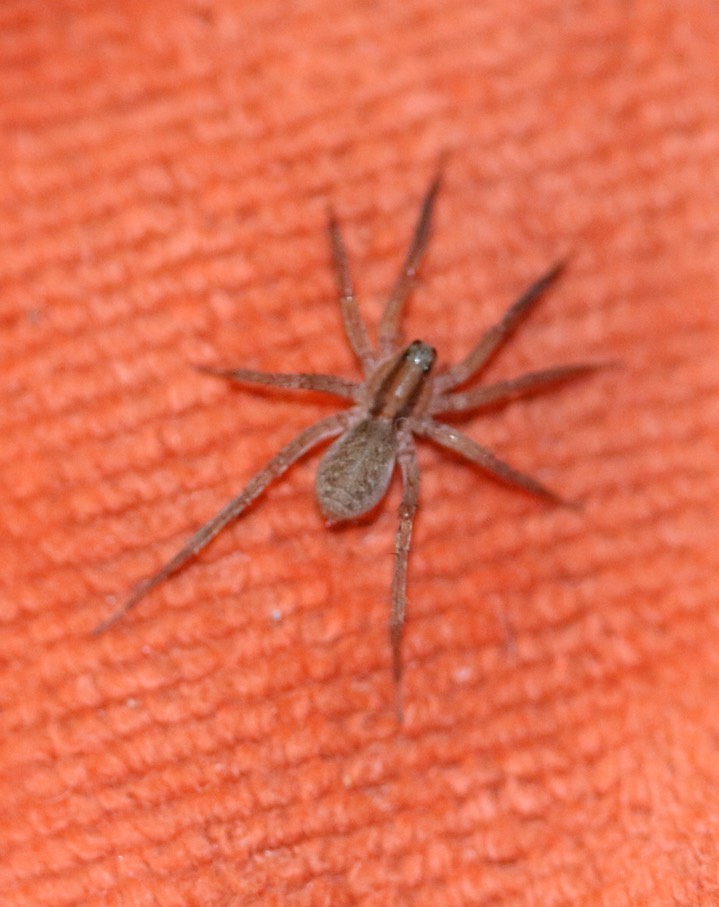
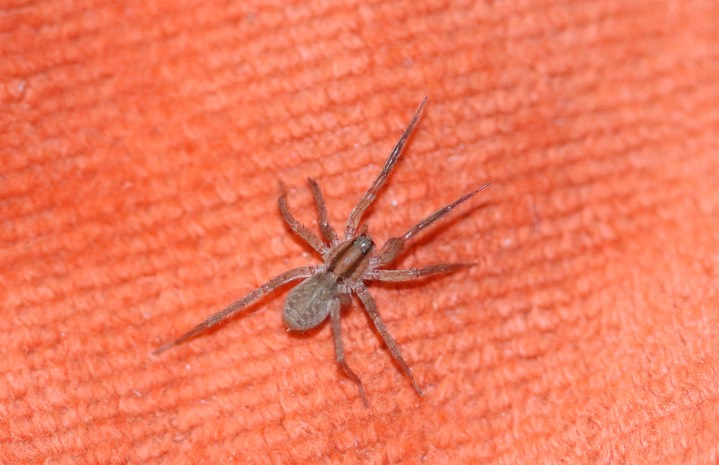
Camptocosa texana?
(But possibly Entelegynae or Lycosidae)
Hillsboro
August 2022
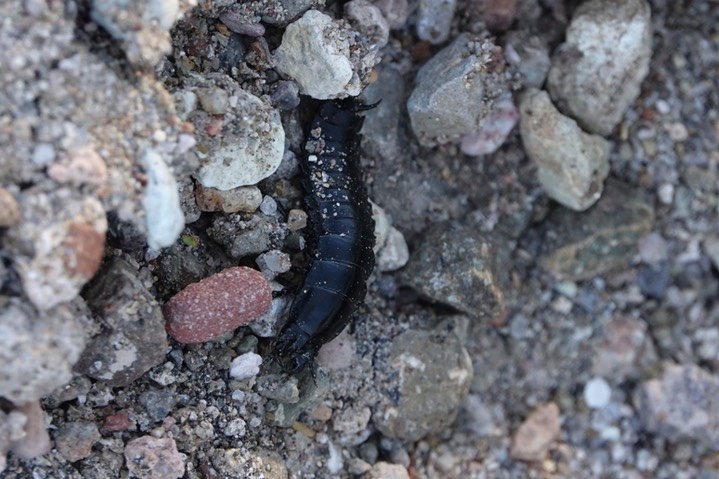
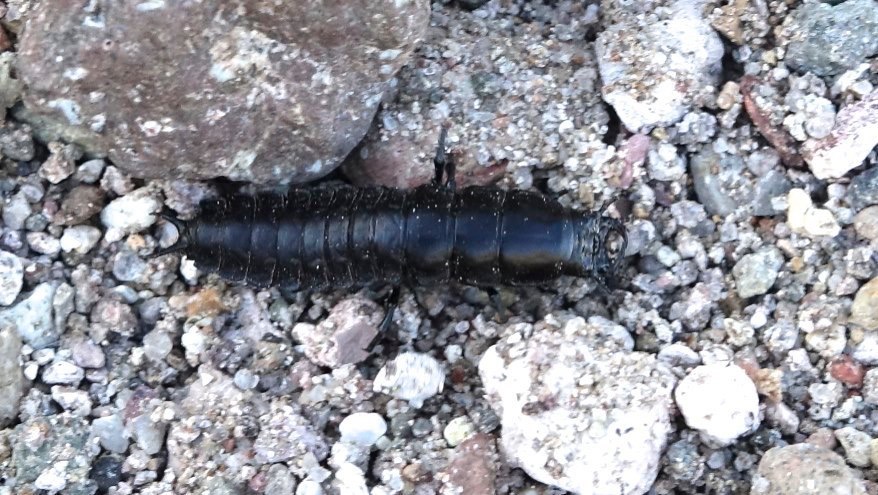
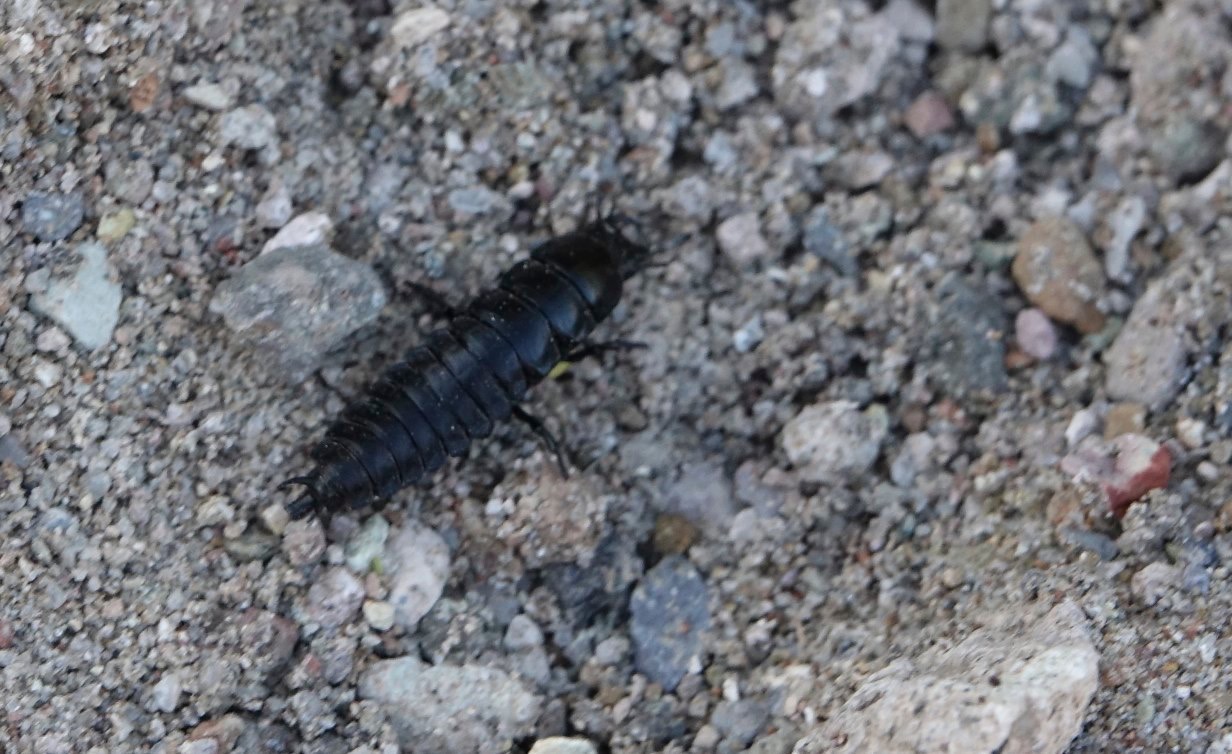
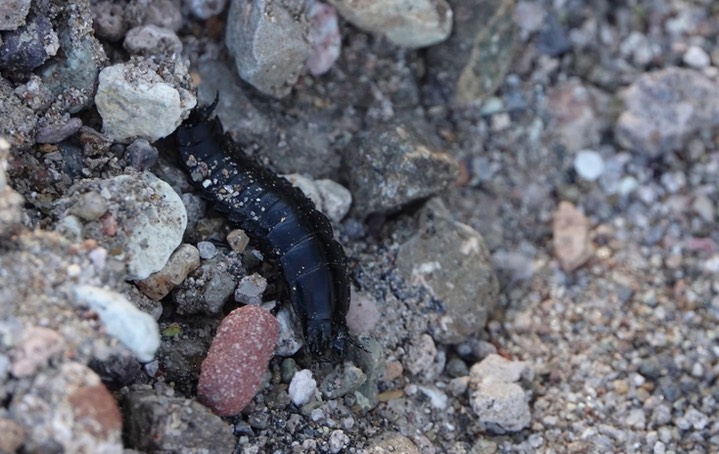
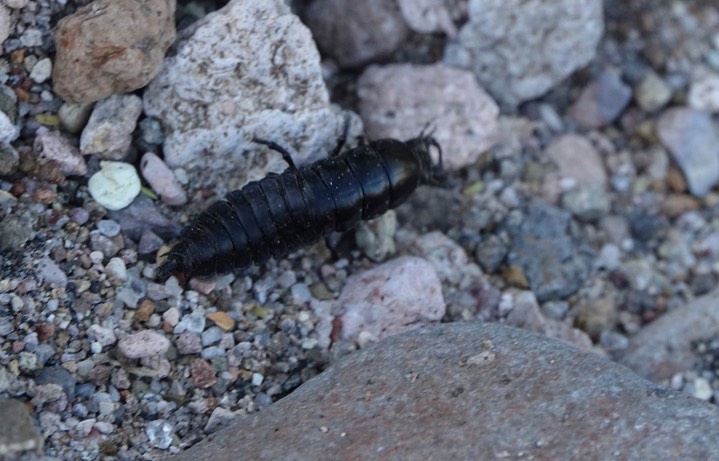
Carabidae (Family)
Larvae of a Ground Beetle
Ready Pay Gulch
East of Hillsboro
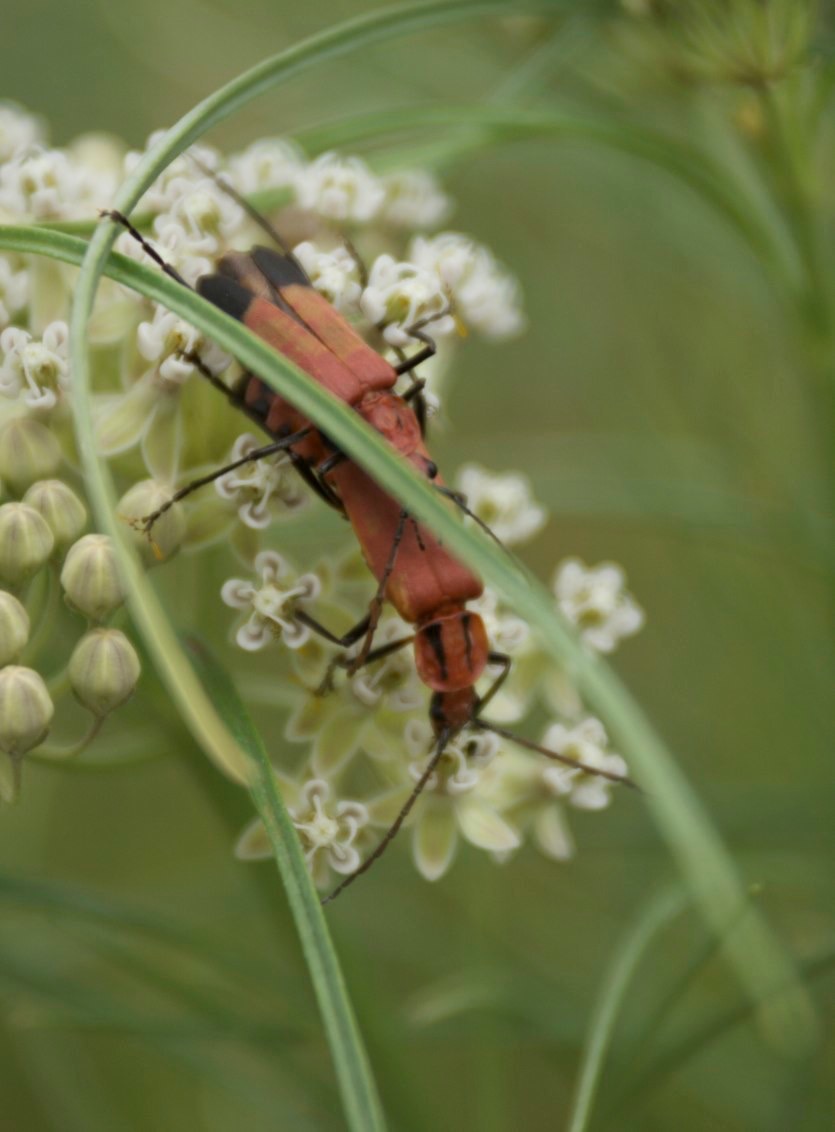
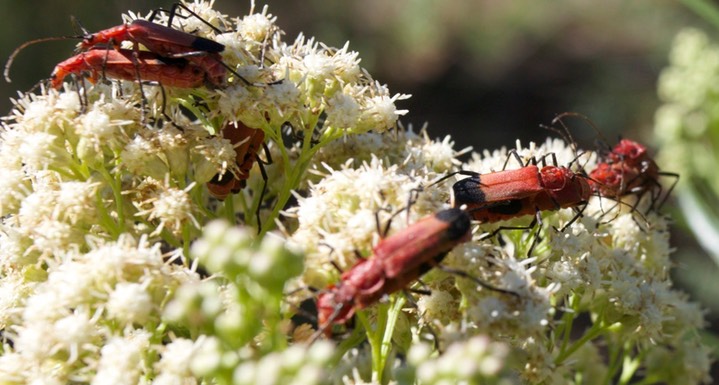
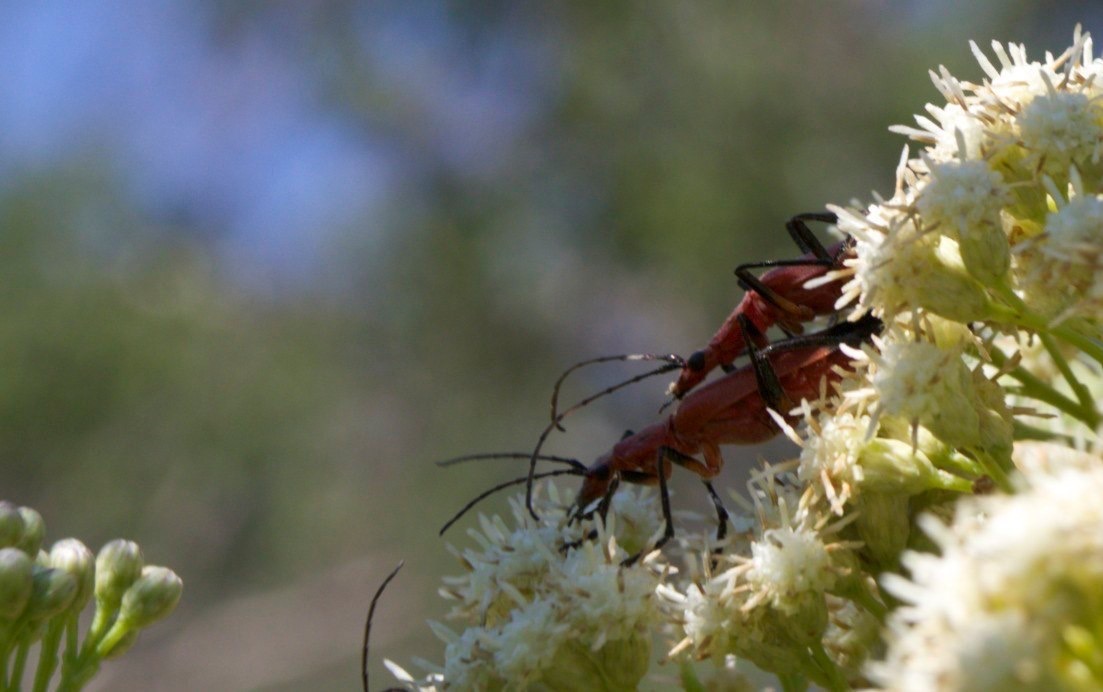
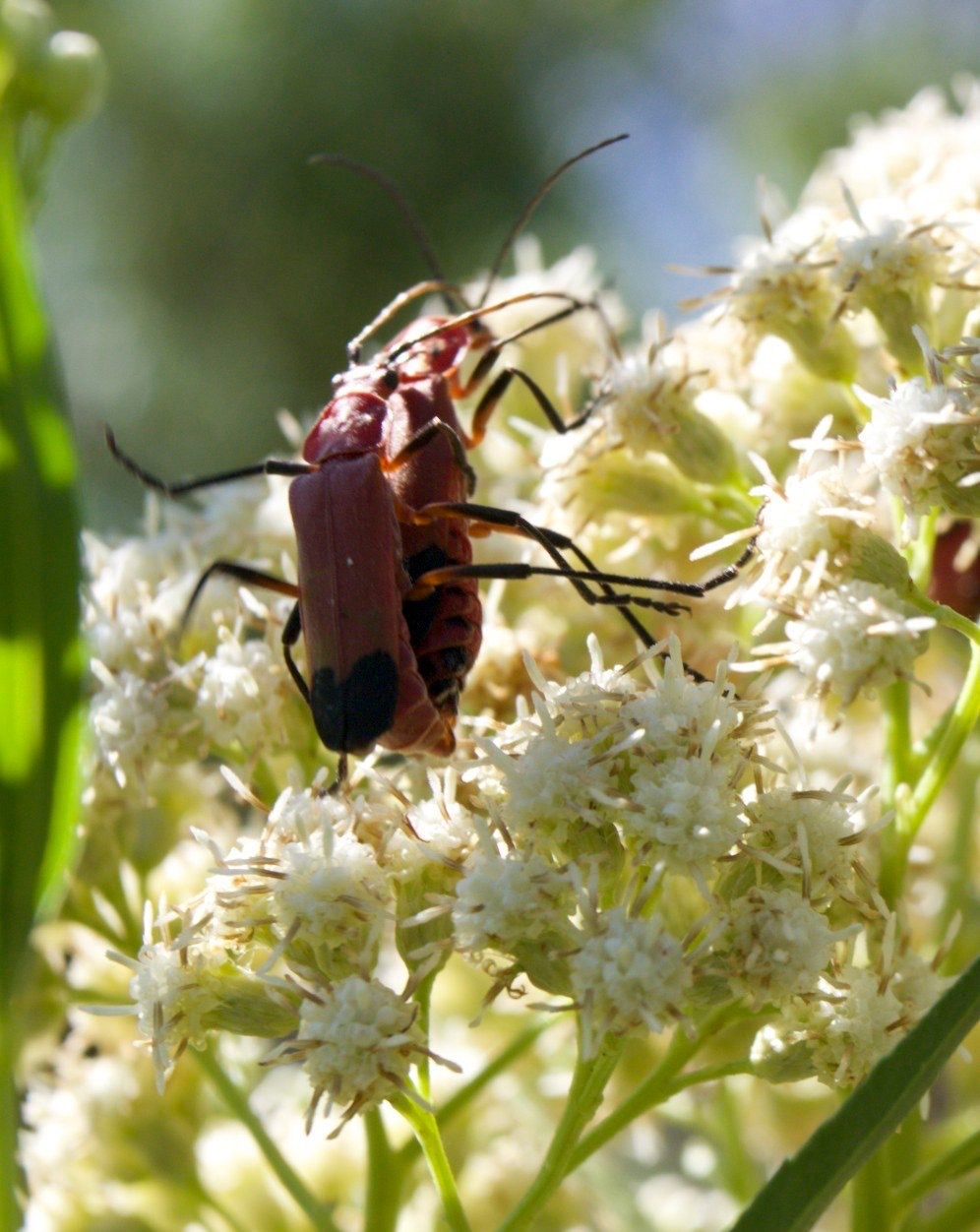
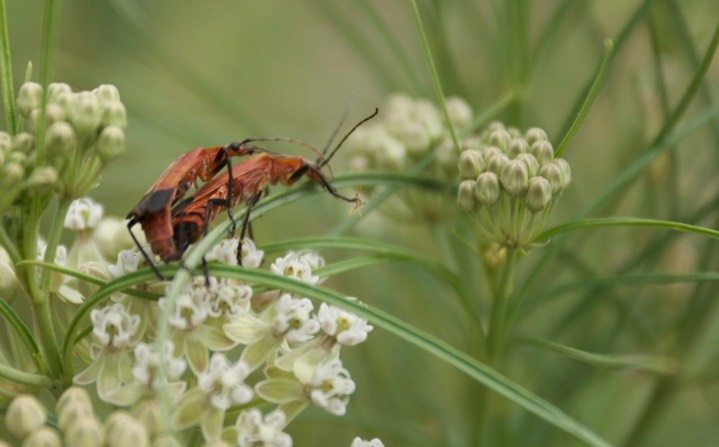
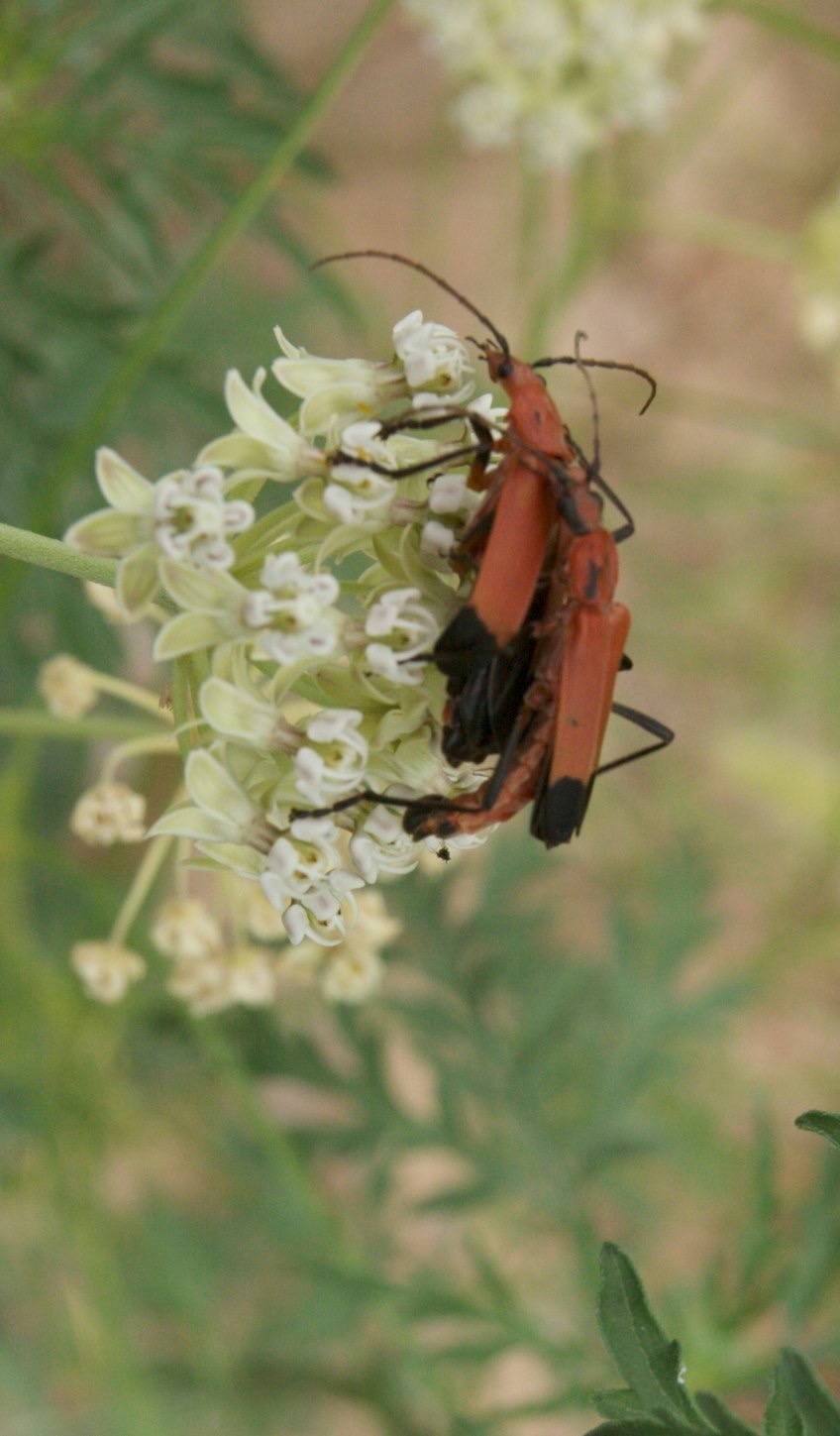
Chauliognathus lecontei
Soldier Beetle
Percha Creek
East of Hillsboro & San Lorenzo
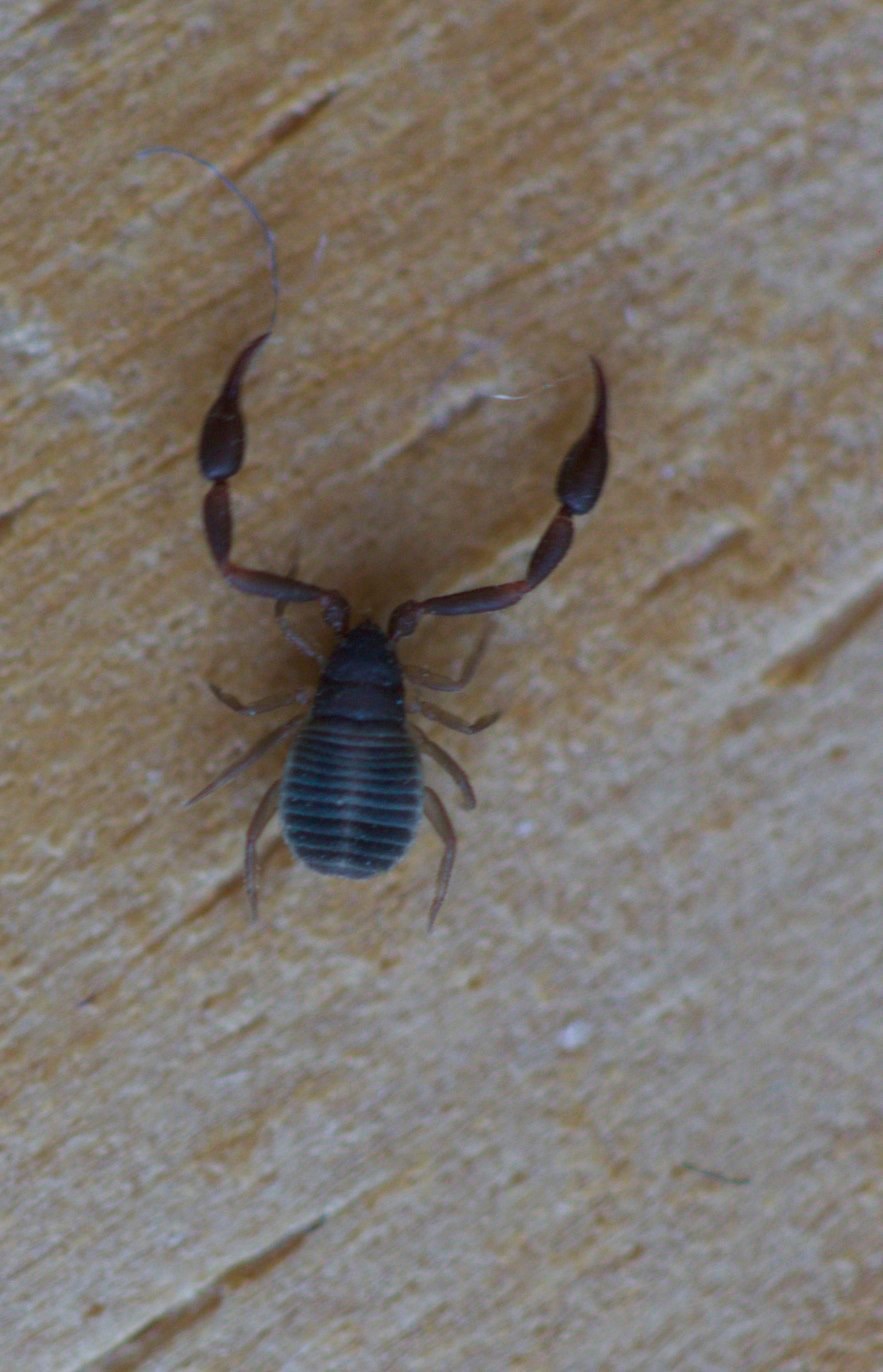
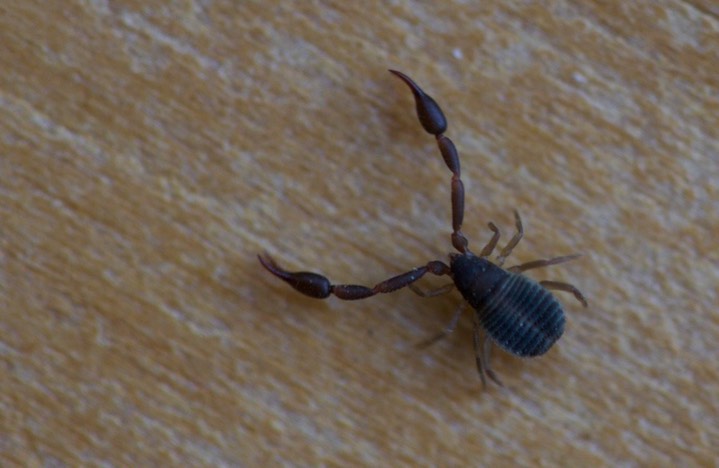
Chelifer cancroides (?)
House Pseudoscorpin
Hillsboro
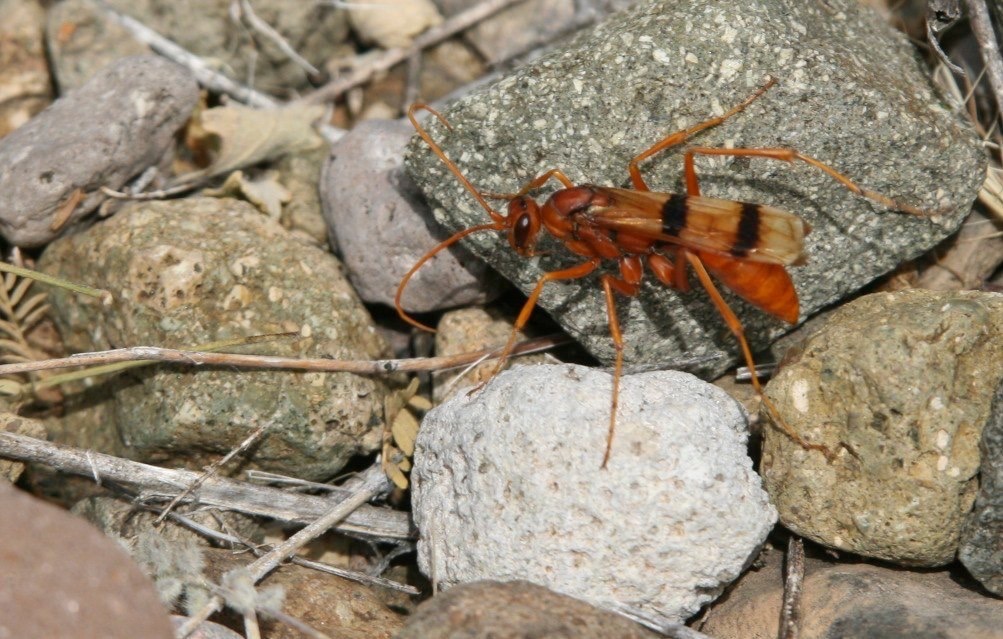
Compsocryptus (sp?)
Hillsboro
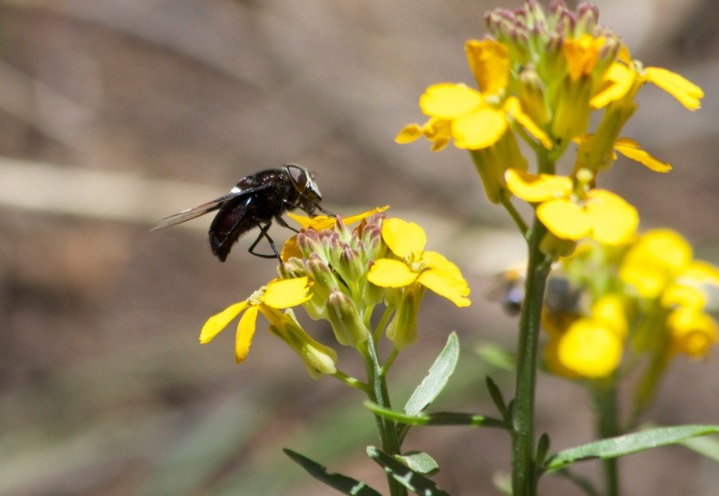
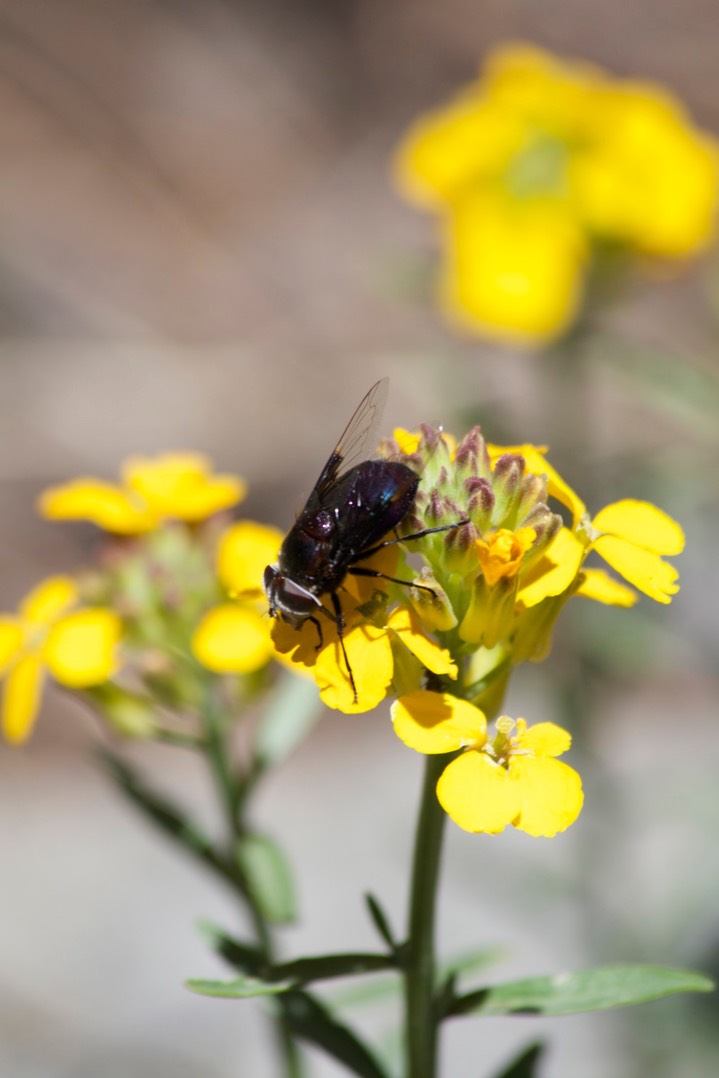
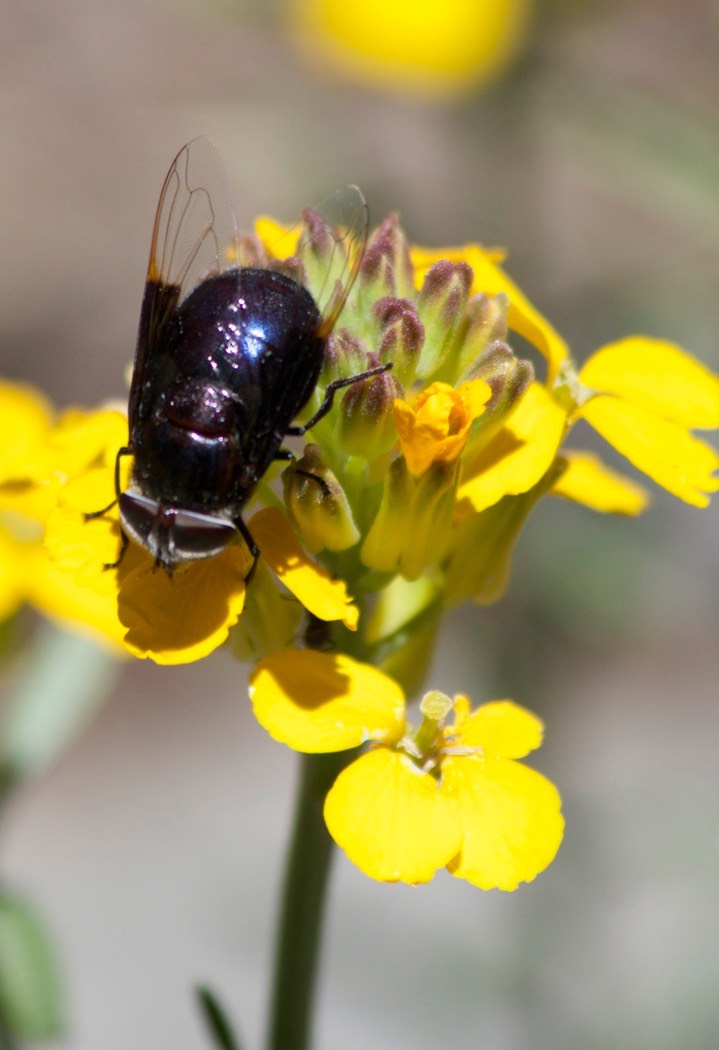
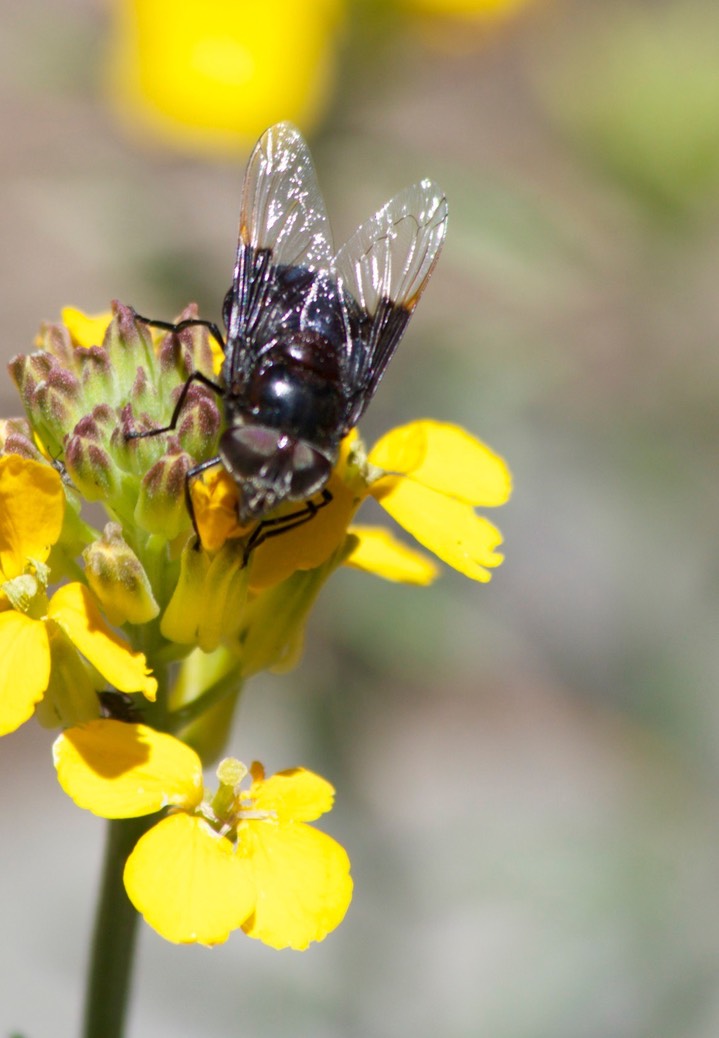
Copestylum mexicanum
Mexican Cactus Fly
On Erysimum capitatum - Western Wallflower
Sawyer Peak
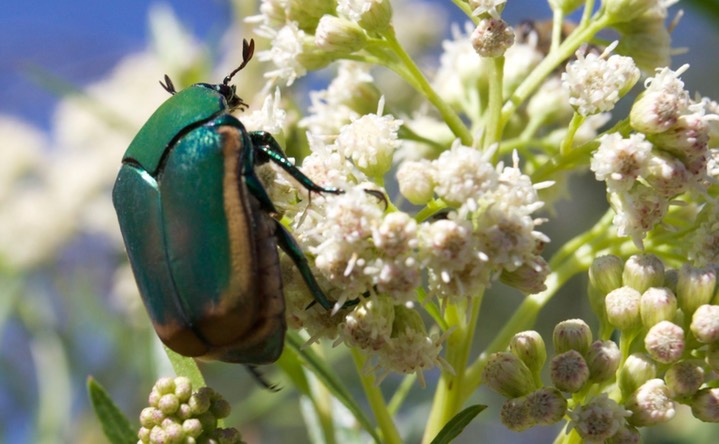
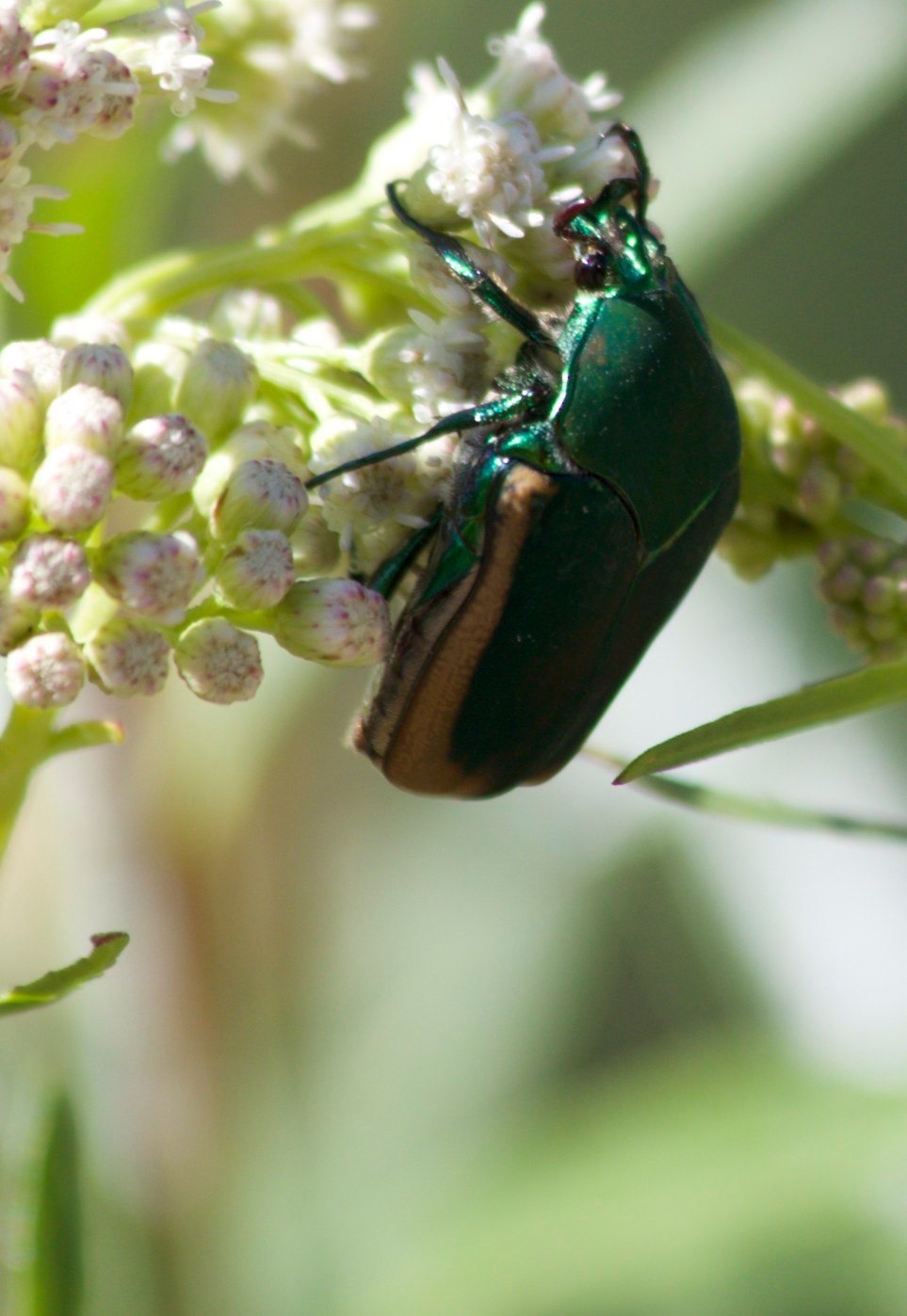
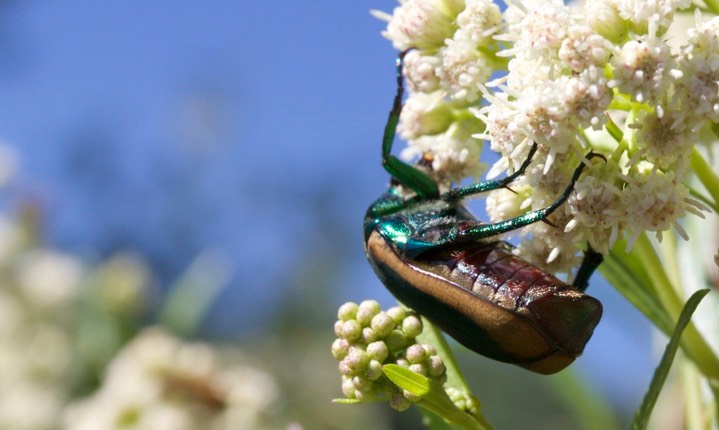
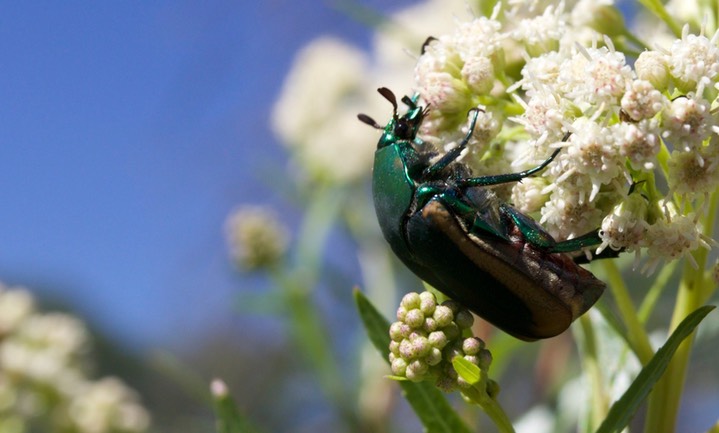
Cotinis mutabilis
Figeater Beetle
Percha Creek
East of Hillsboro
Cycloneda s. sanguinea
Spotless Lady Beetle
Blood-Red Ladybird Beetle
Railroad Canyon
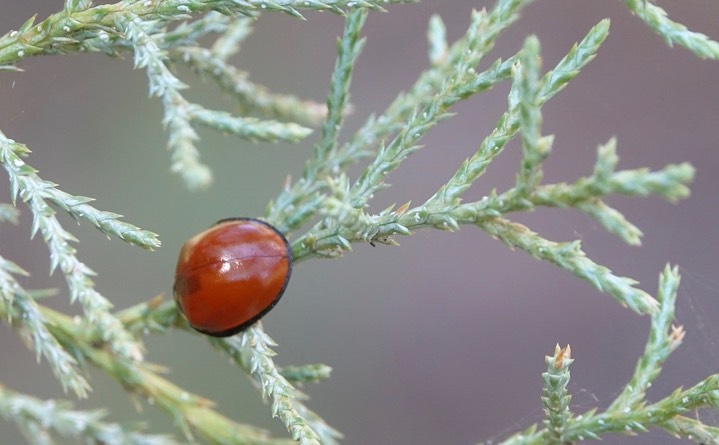
C. s. sanguinea is found as far south as Argentina and is the most widespread Lady Bird Beetle in Latin America. In the United States it is found in the far south, coast to coast. Interestingly, the pupae of this species has what is called a "gin trap". The pupae has "four deep clefts, situated dorsally on the abdomen between the segments. The anterior margin of each cleft is densely beset with tiny teeth.…When the pupa is at rest, with the body flexed and recumbent against the substrate, the traps are agape and ‘set’ for action. Stimulating such a pupa with a brush will cause it to straighten out abruptly, in a quick flipping action that causes the clefts to clamp shut…” Secret Weapons: Defenses of Insects…Thomas Eisner et al, p. 208
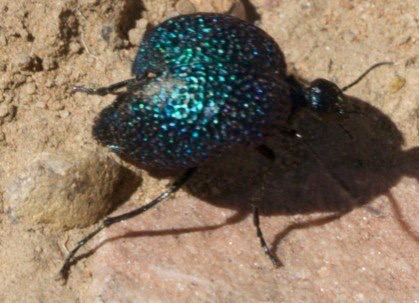
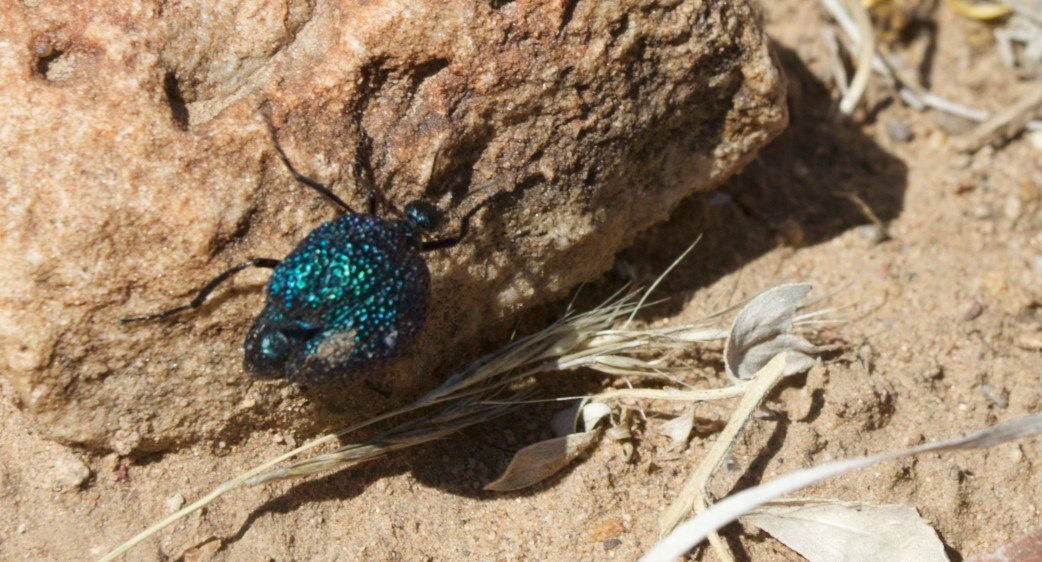
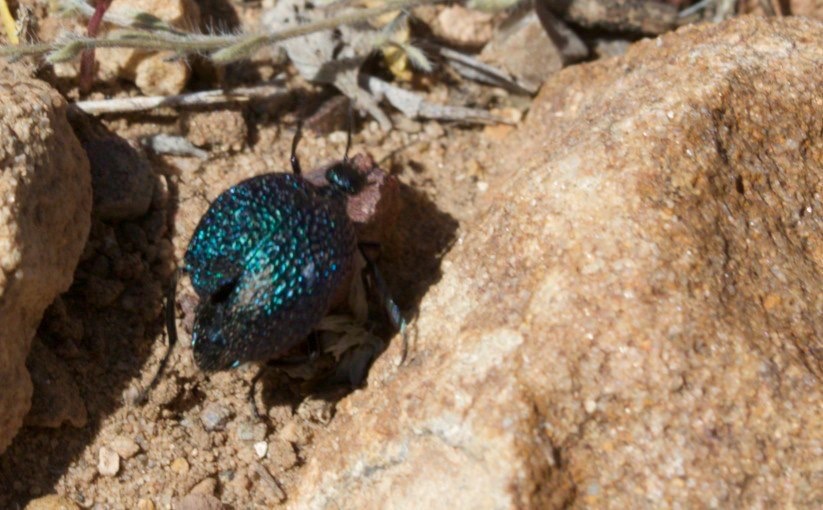
Cysteodemus wislizeni
Desert Blister Beetle
Ready Pay Gulch
East of Hillsboro
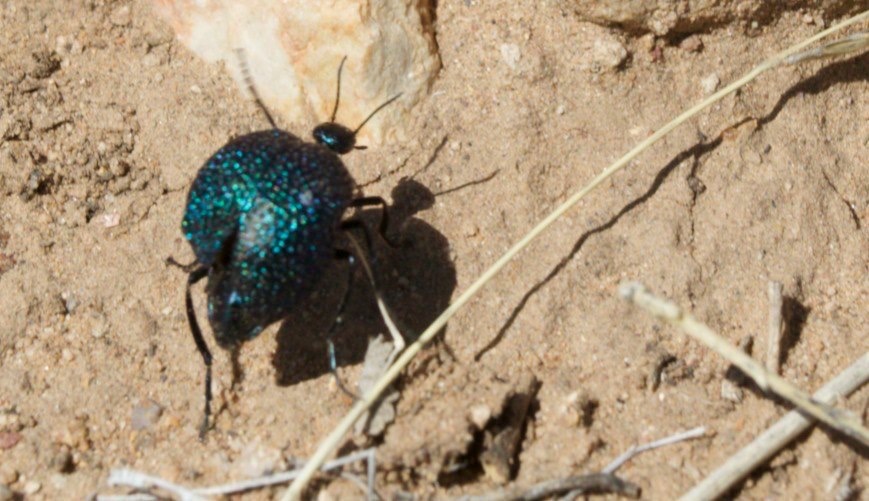
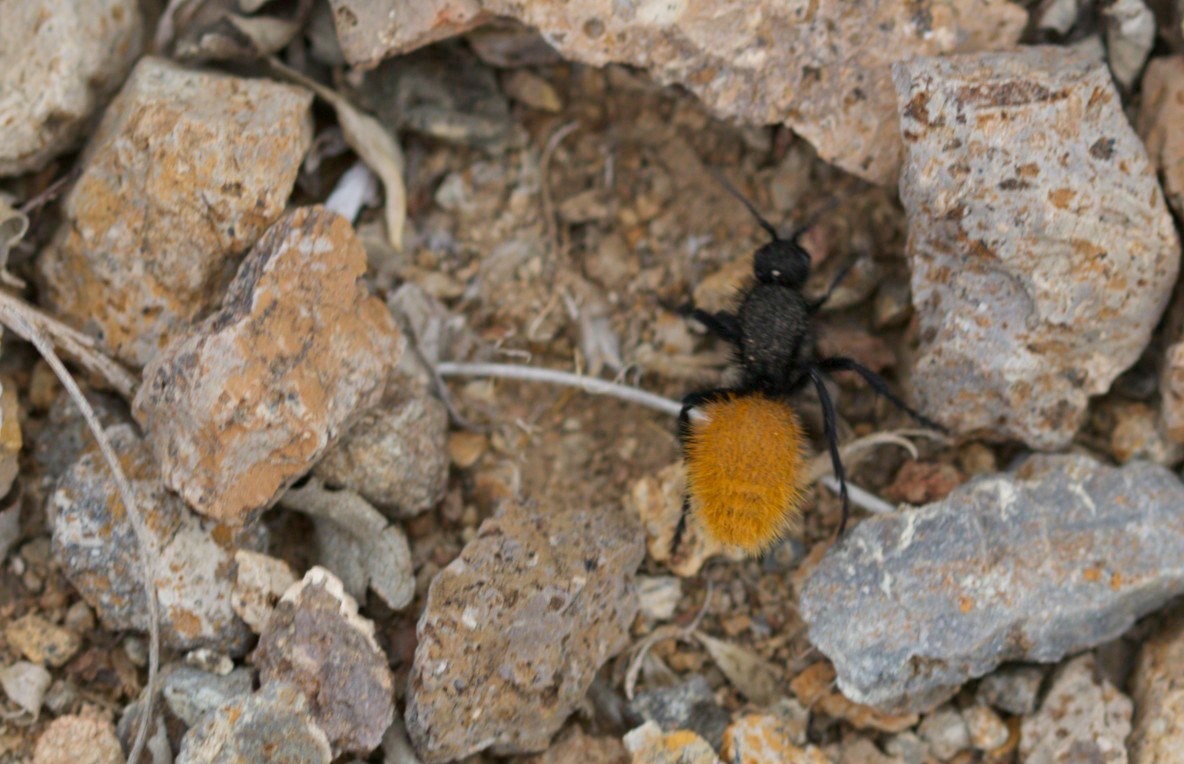
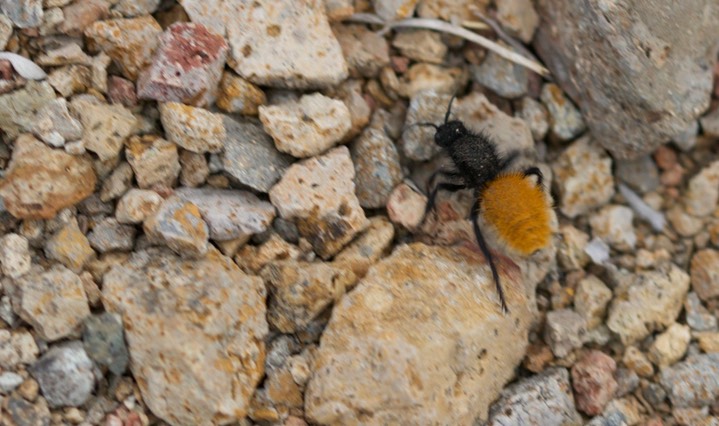
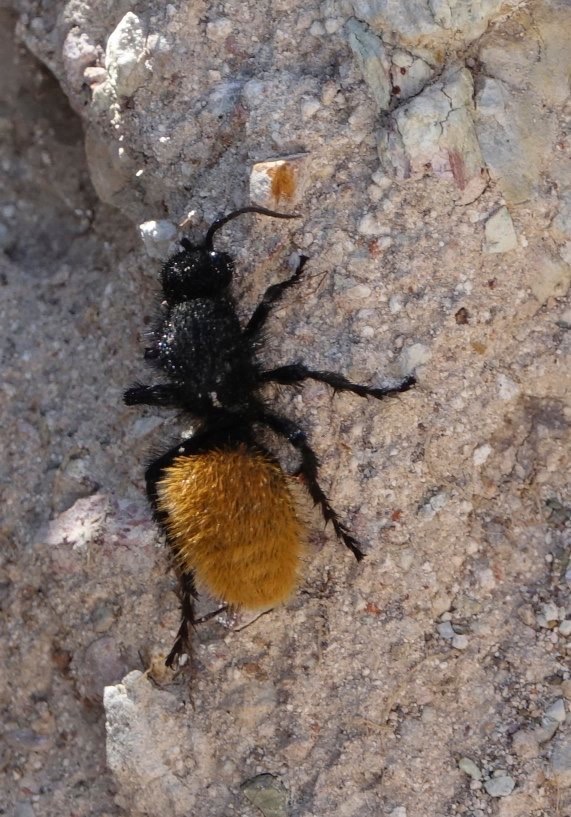
Dasymutilla magnifica (possibly D. klugii)
Velvet Ant
Ready Pay Gulch
East of Hillsboro
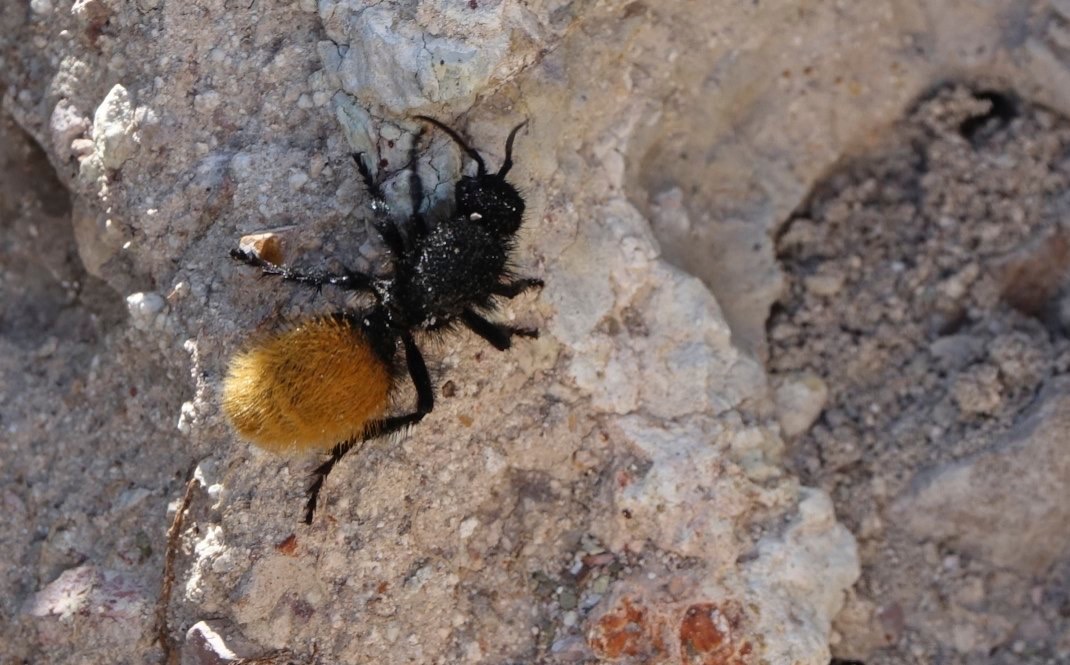
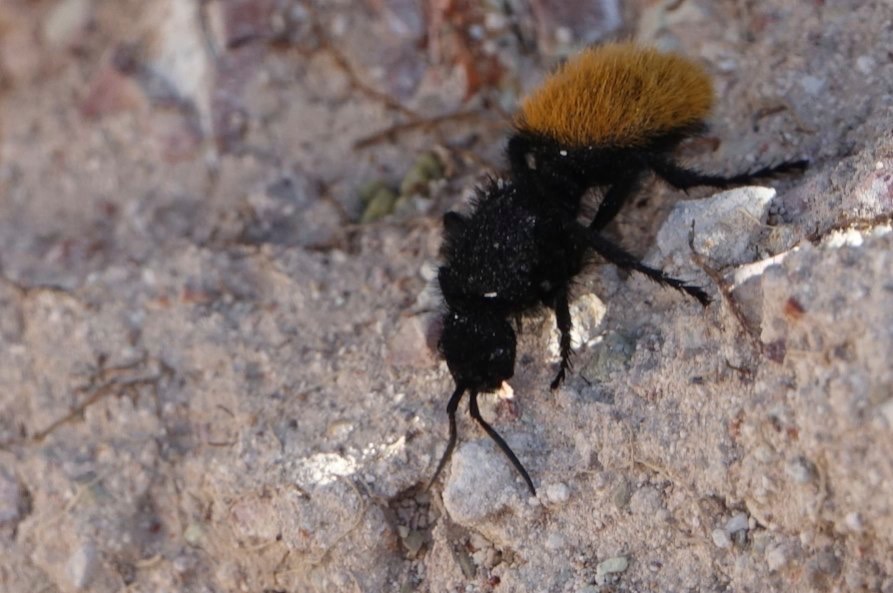
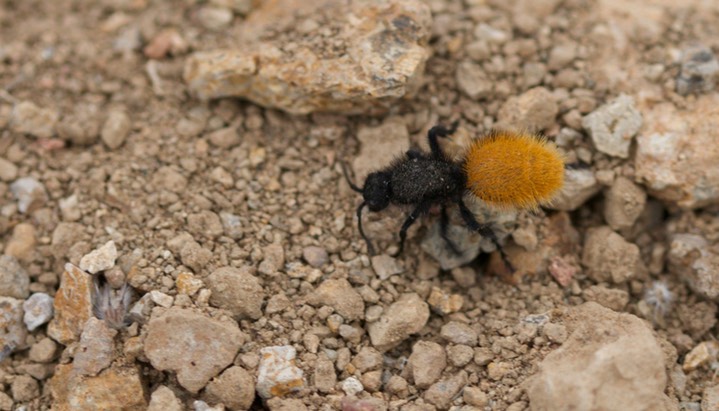
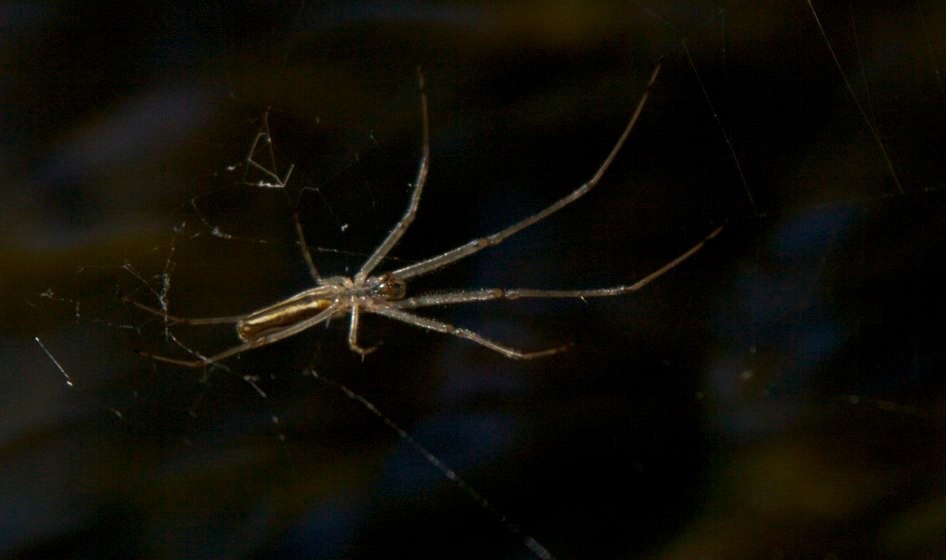
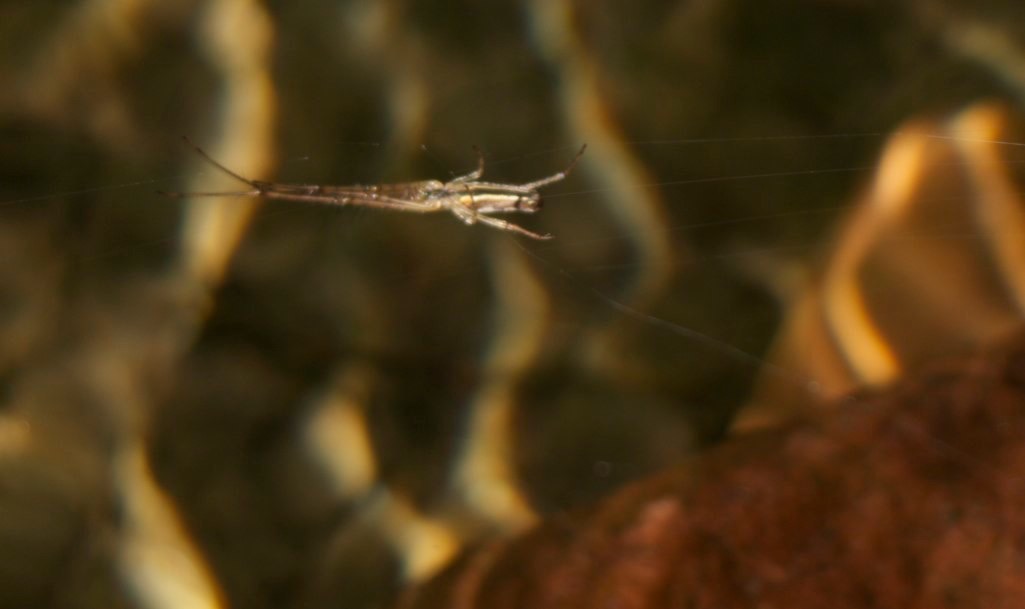
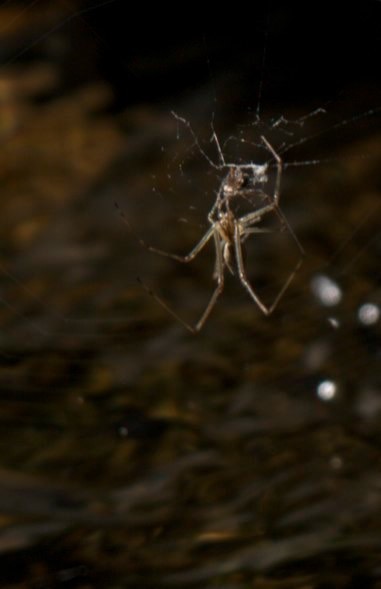
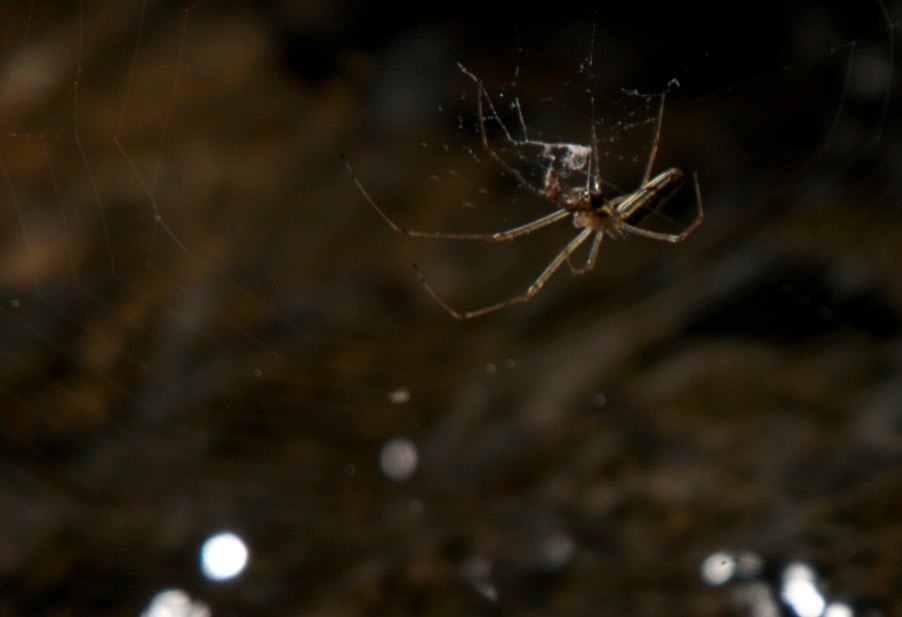
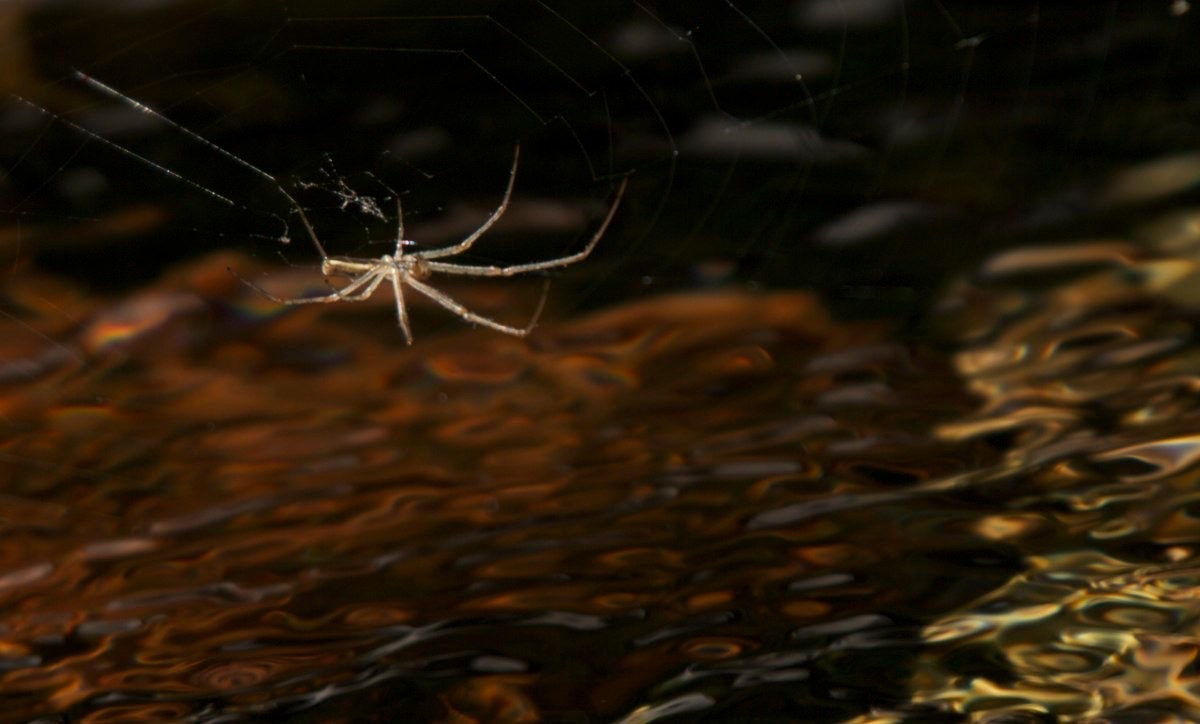
Diguetia canities ?
Desert Bush Spider
Railroad Canyon
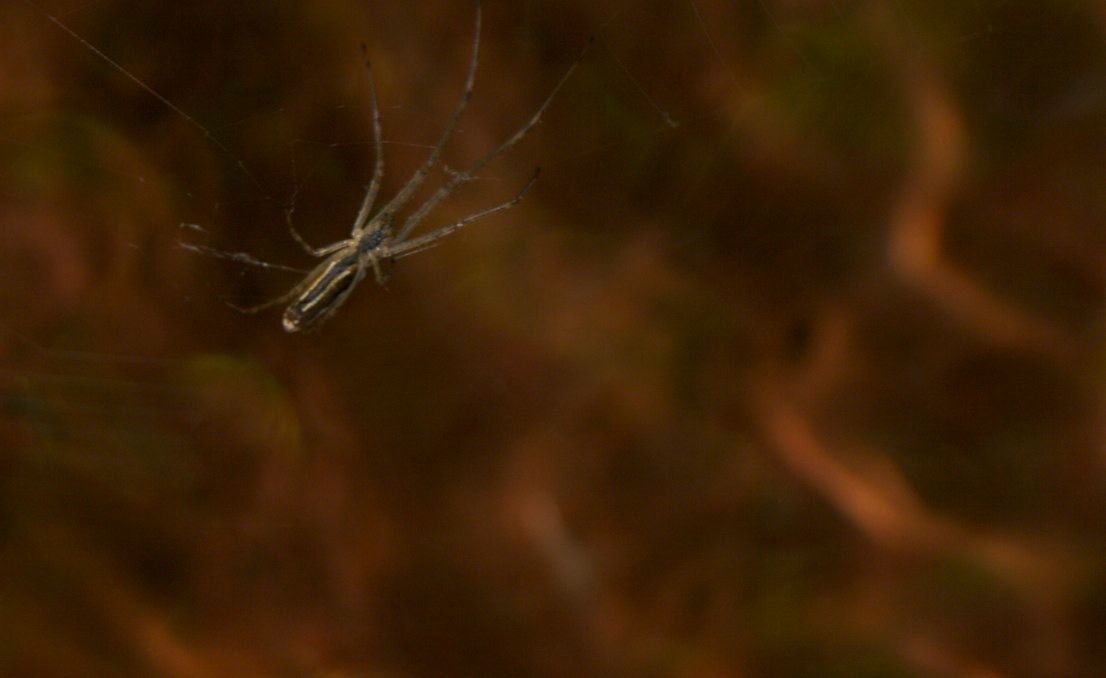
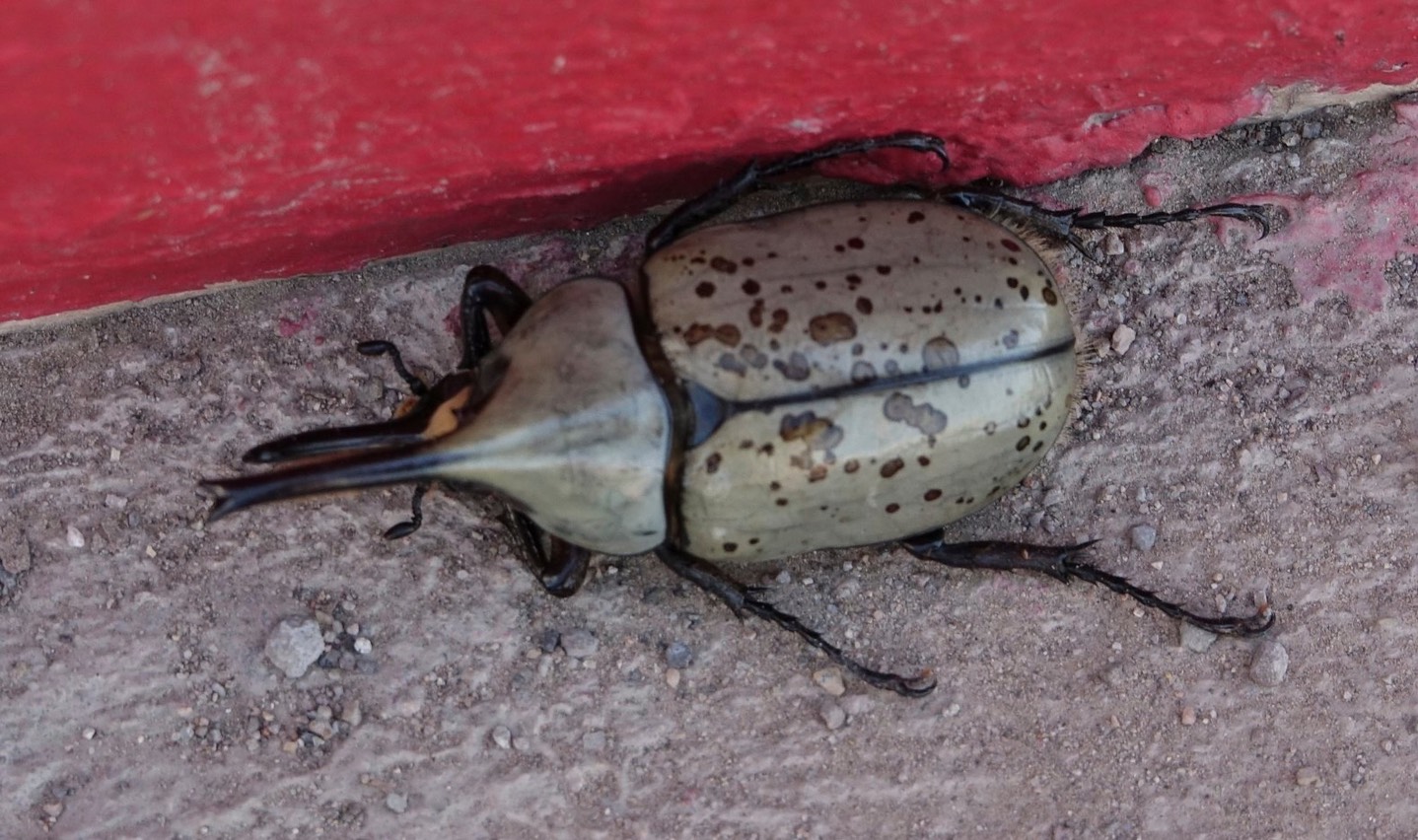
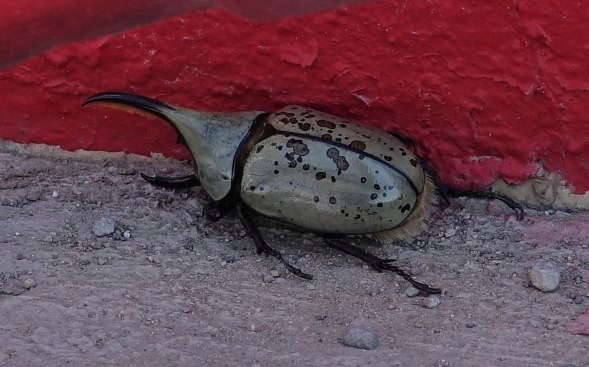
Dynastes grantii
Western Hercules Beetle
aka Grants Hercules Beetle
Williamsburg
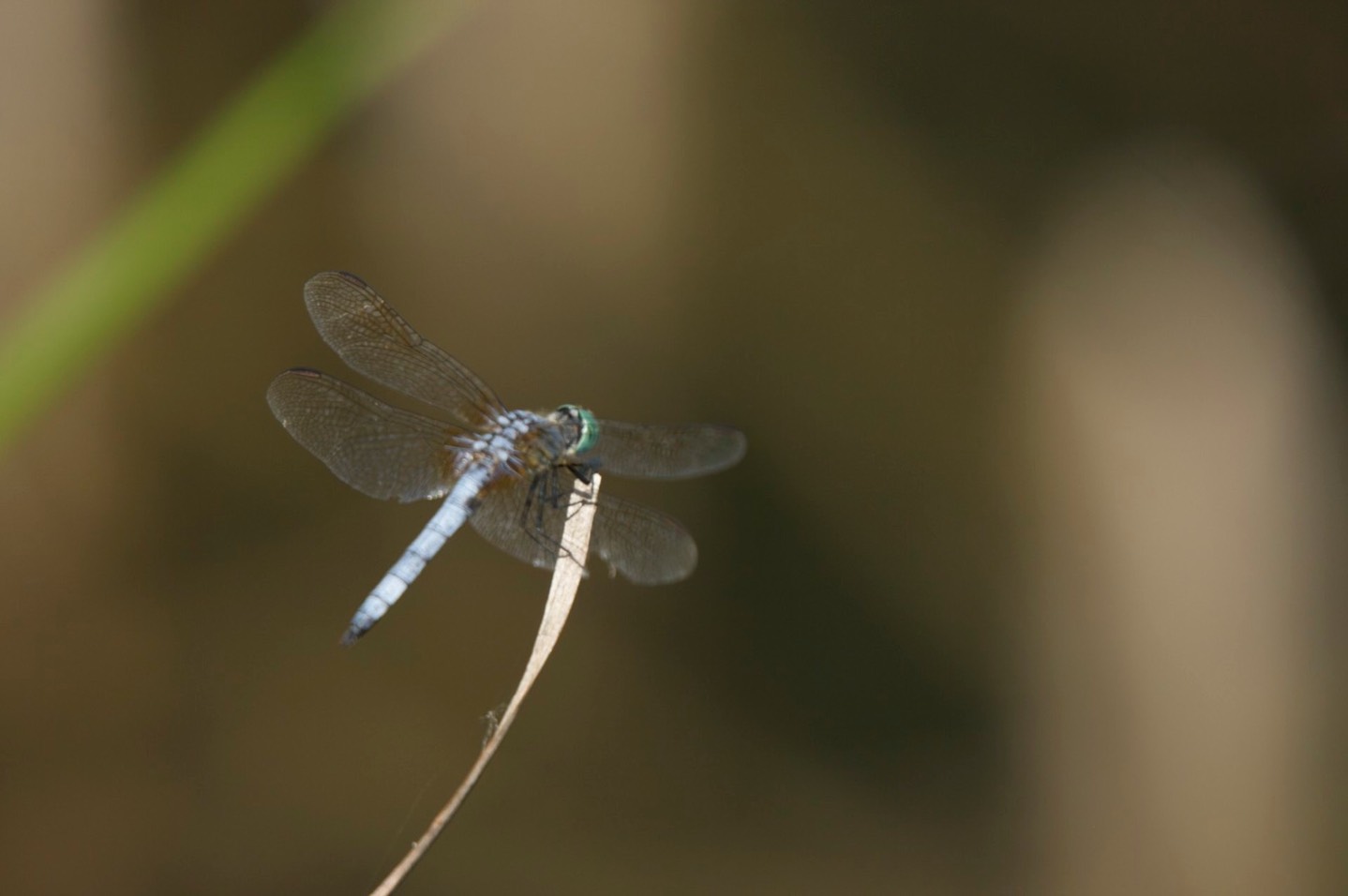
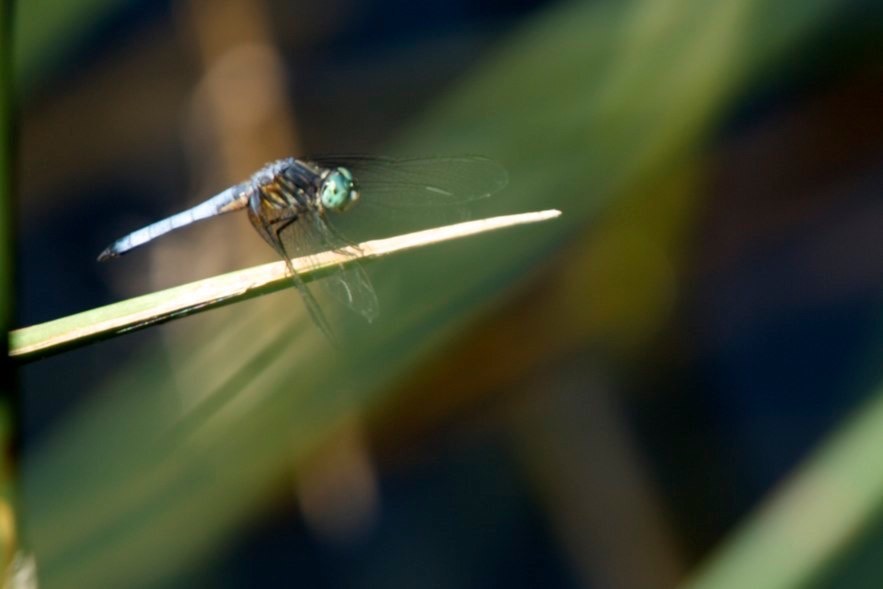
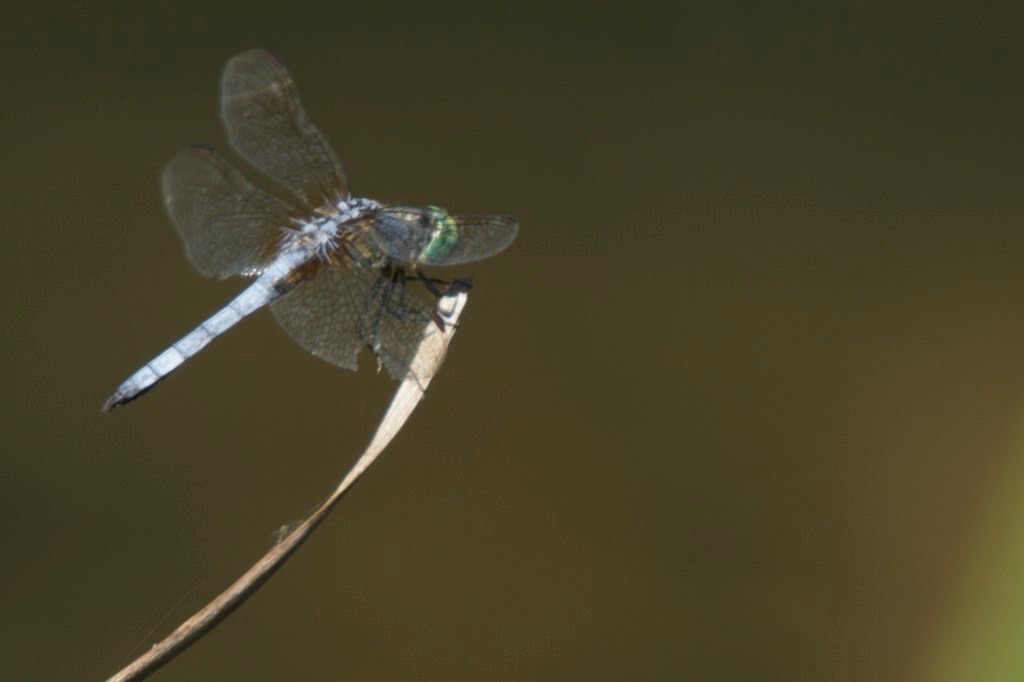
Erythemis collocata
Western Pondhawk
Percha Creek
East of Hillsboro
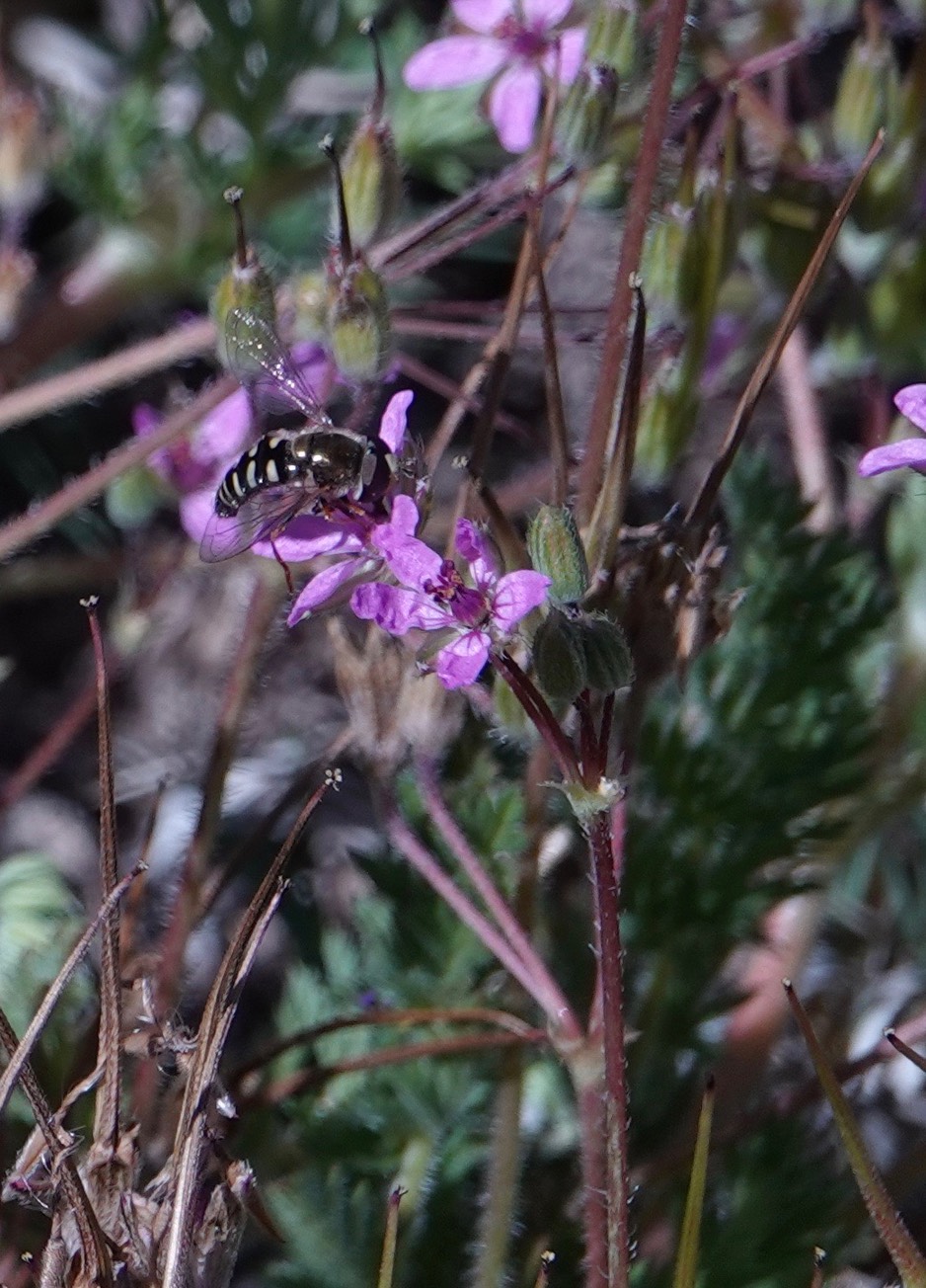
Eupeodes volucris
Bird Hover Fly
on Erodium cicutarium
Red Stemmed Filaree
Trail 134, Tierra Blanca Road
April
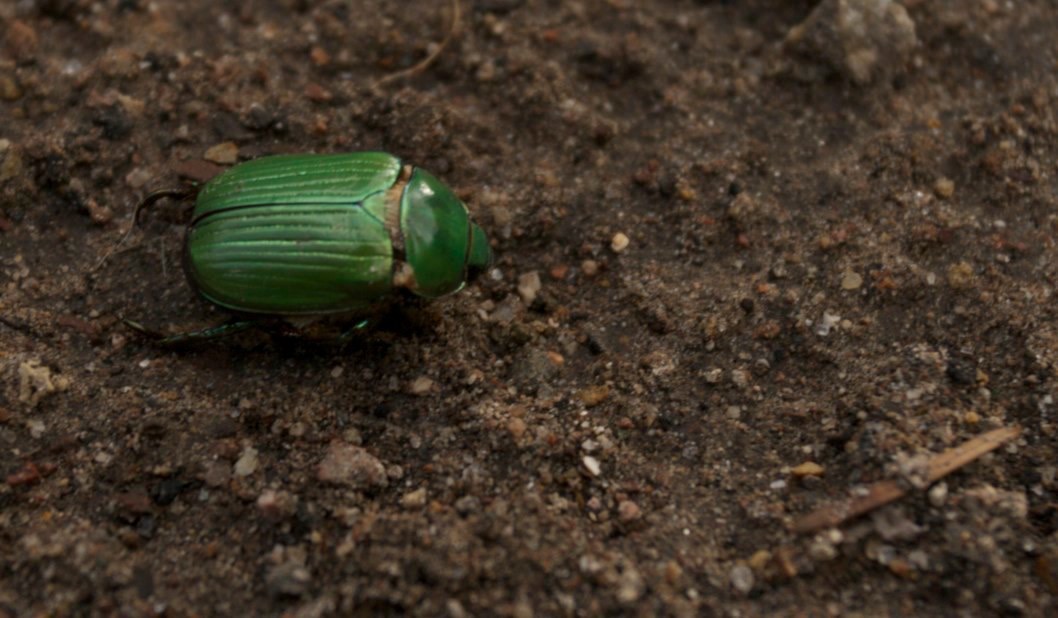
Euphoria fulgida
Emerald Euphoria
Middle Percha
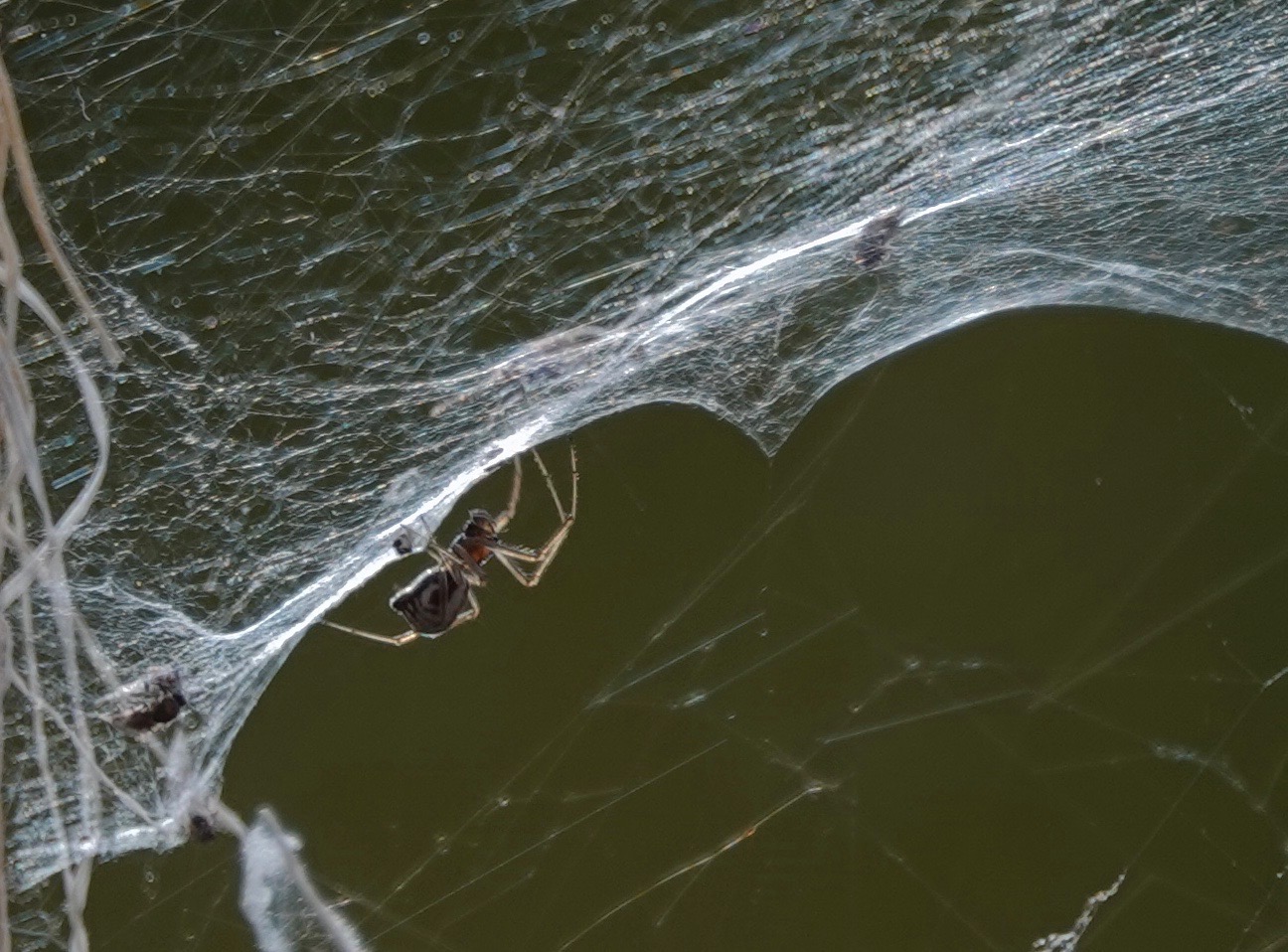
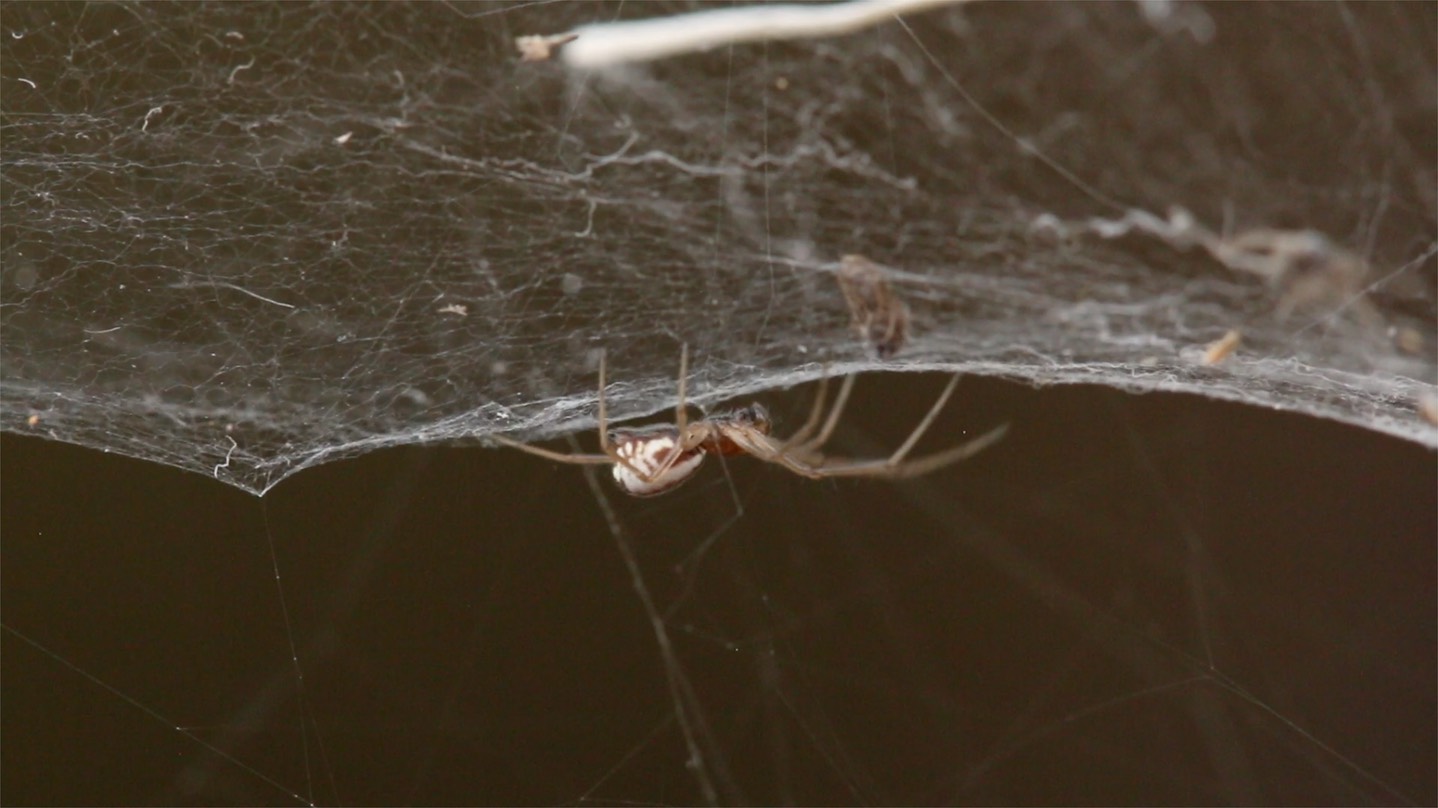
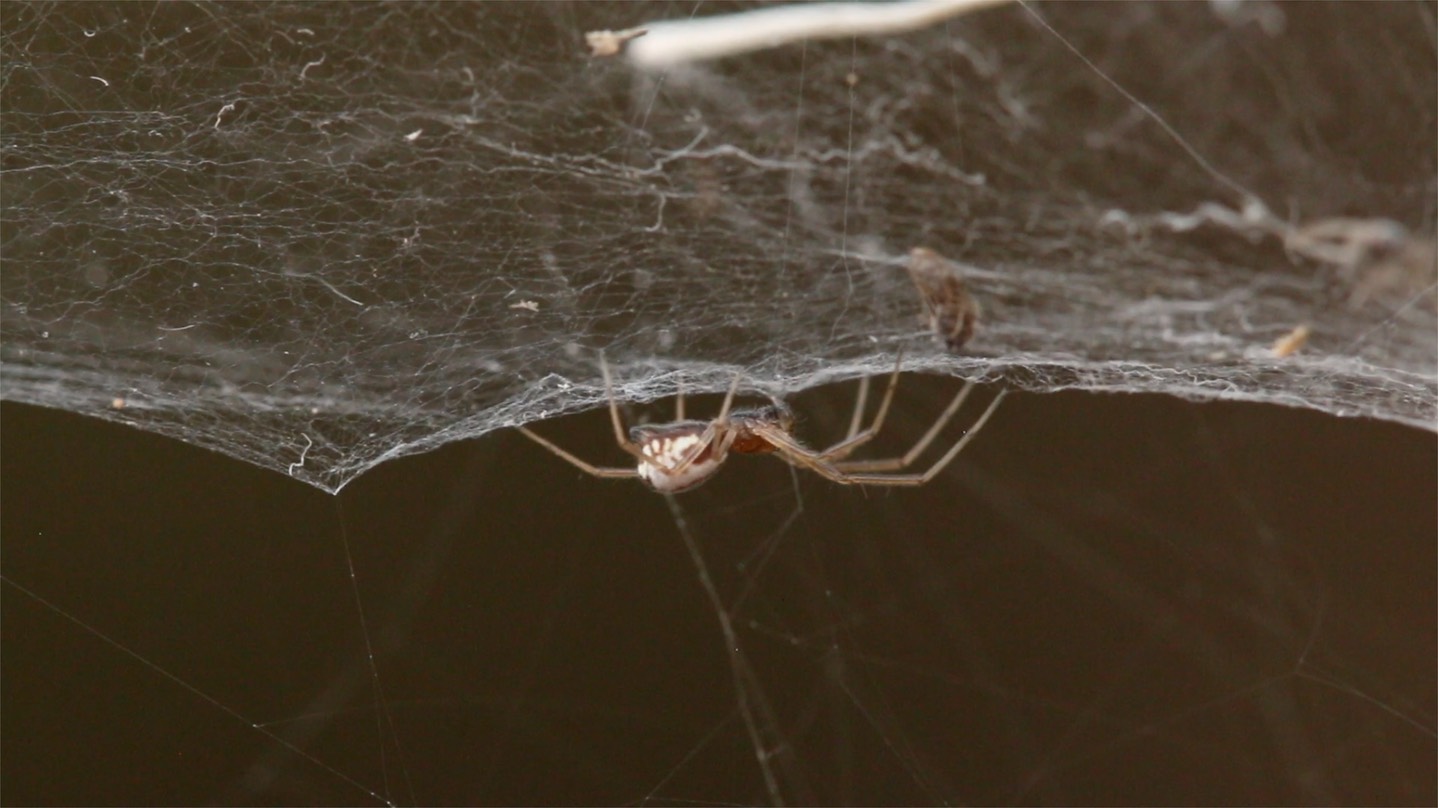
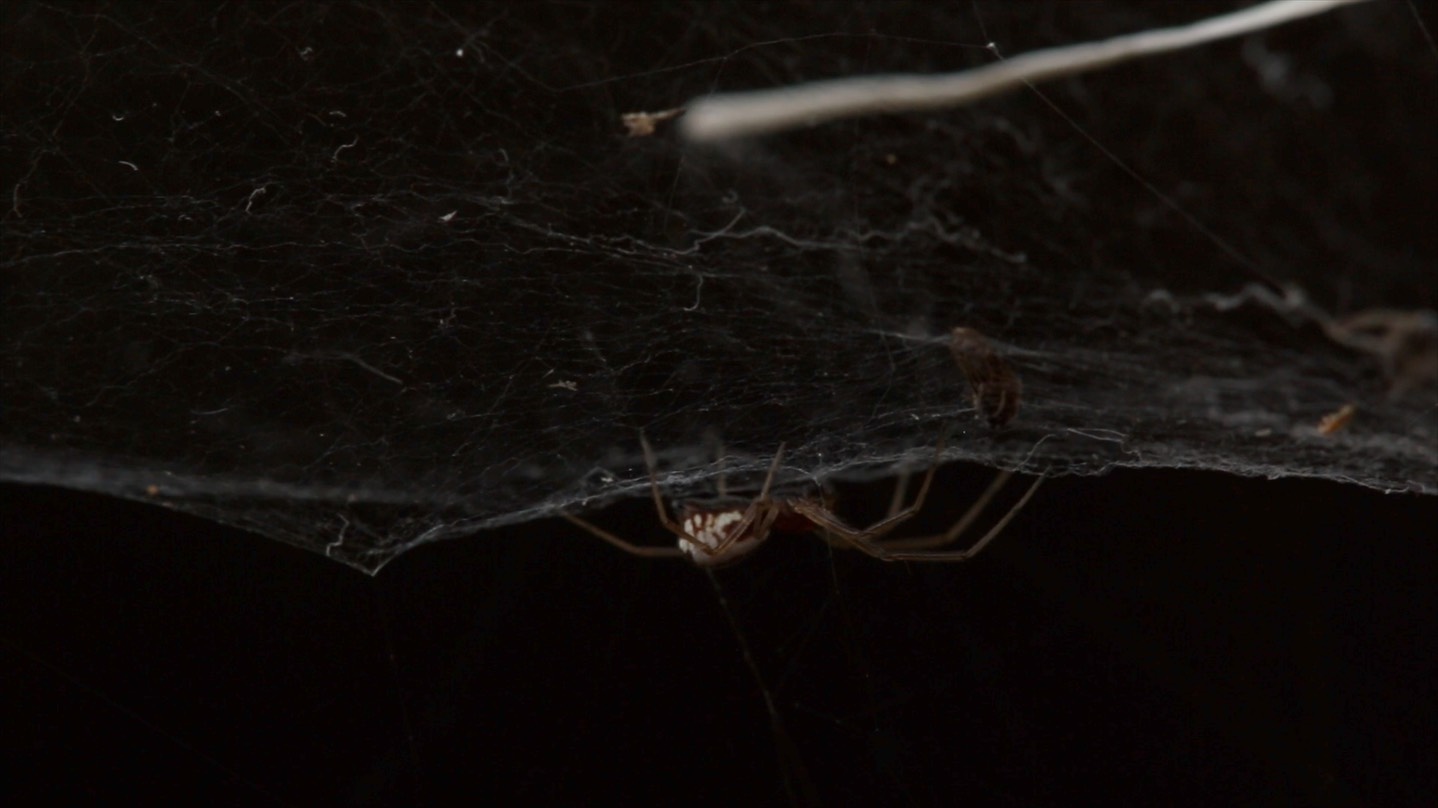
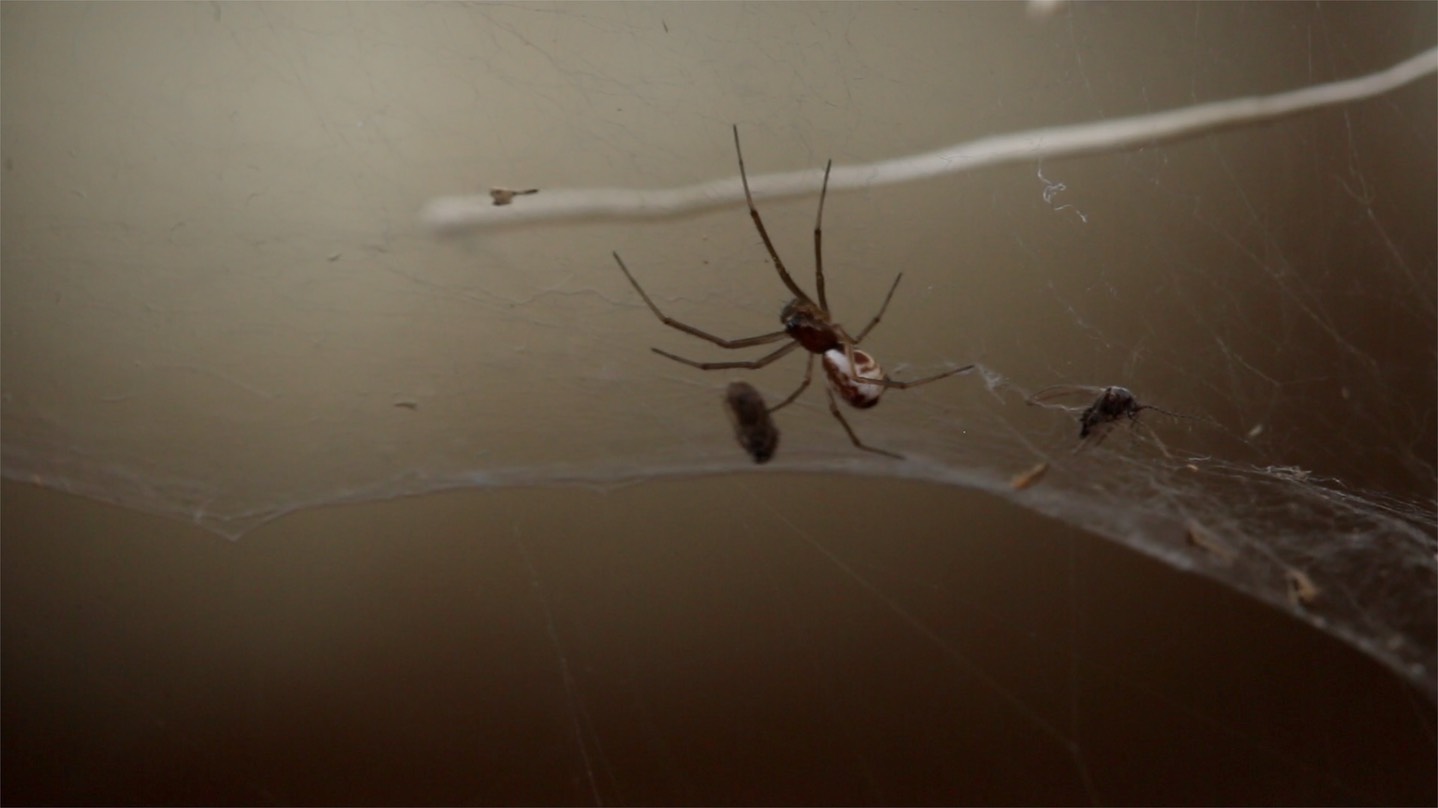
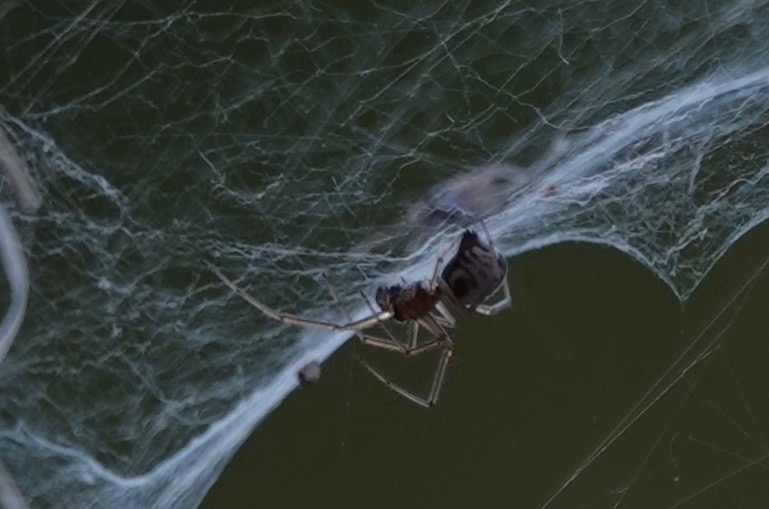
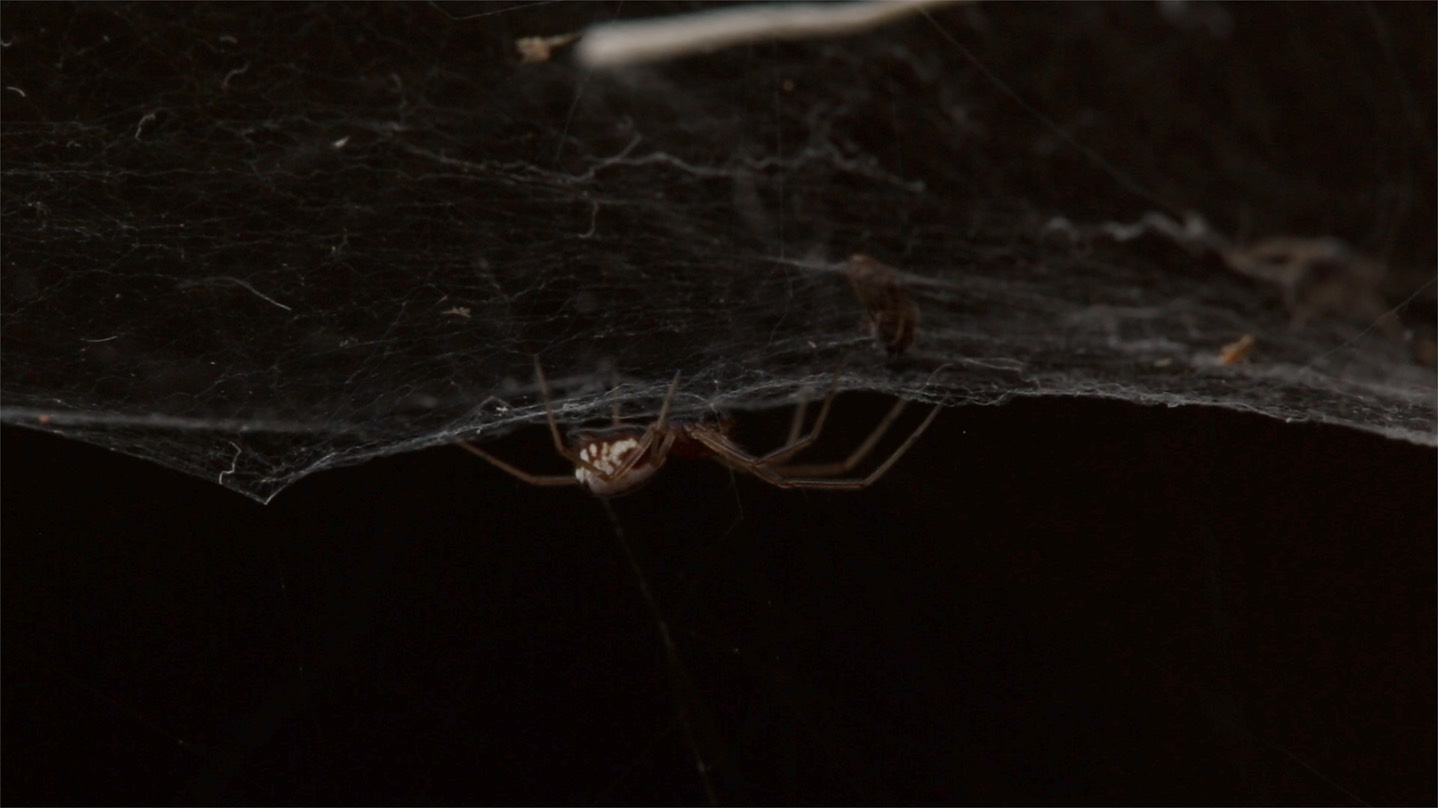
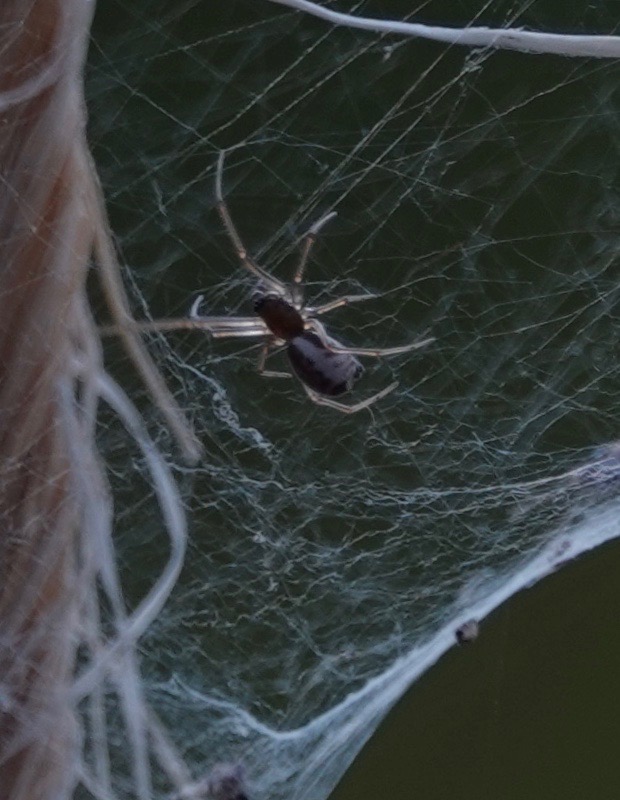
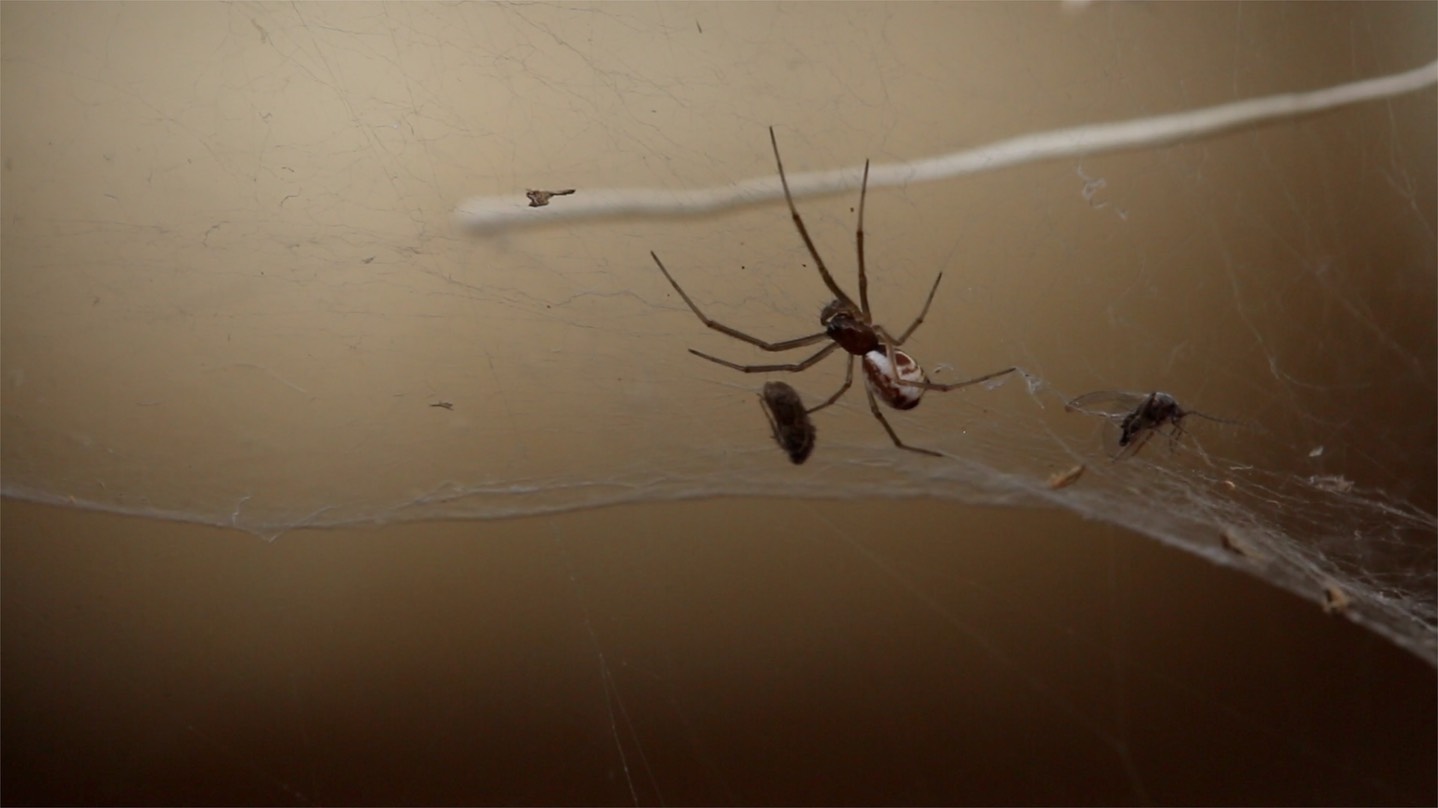
Frontinella huachuca
Southwestern Bowl and Doily Spider
Hillsboro
December 2021
The body of this spider is about 2 mm long.
Gibbifer californicus
Blue Fungus Beetle
Bloodgood Spring
South of Kingston
& Black Range Crest Trail
July 11, 2017
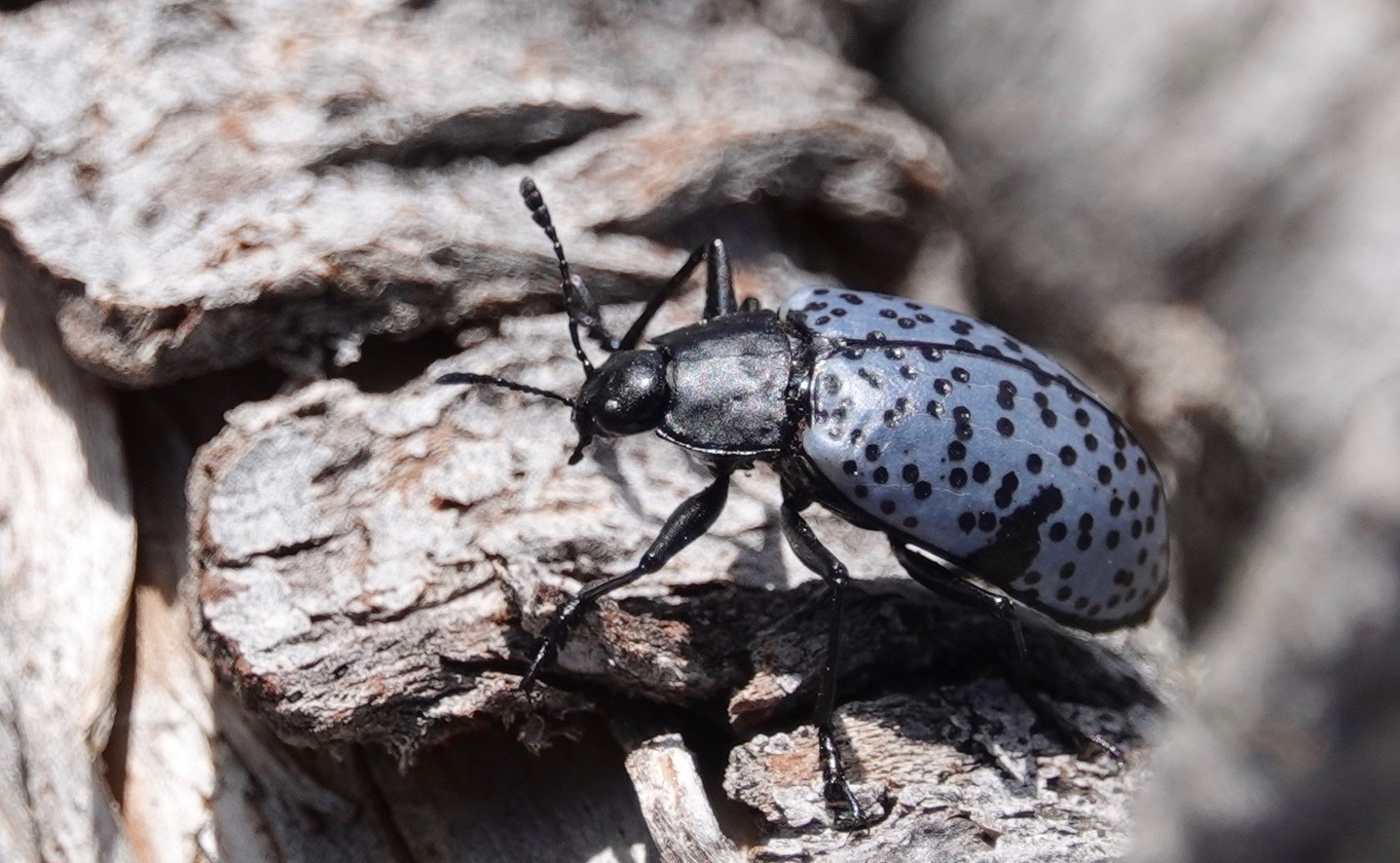
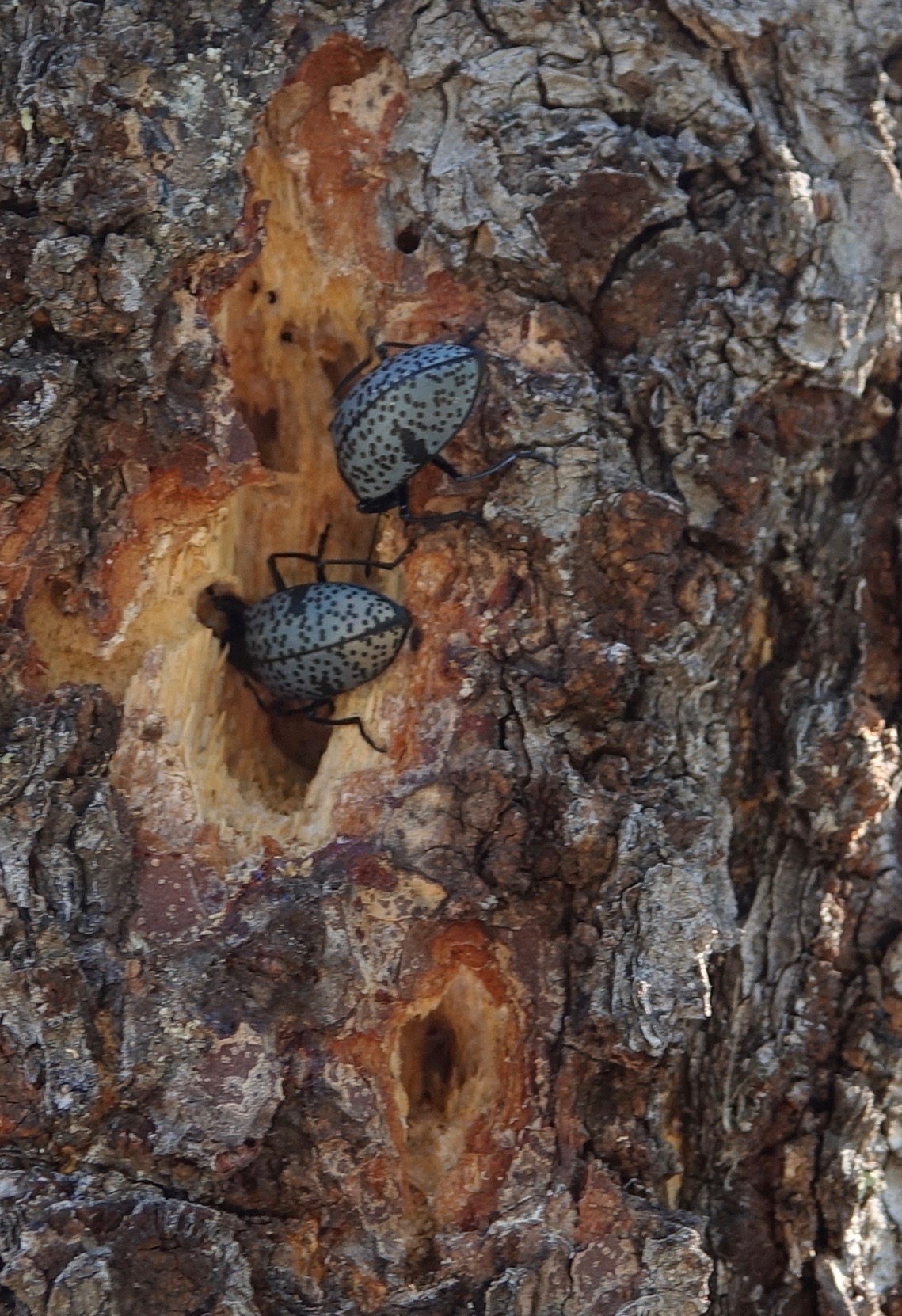
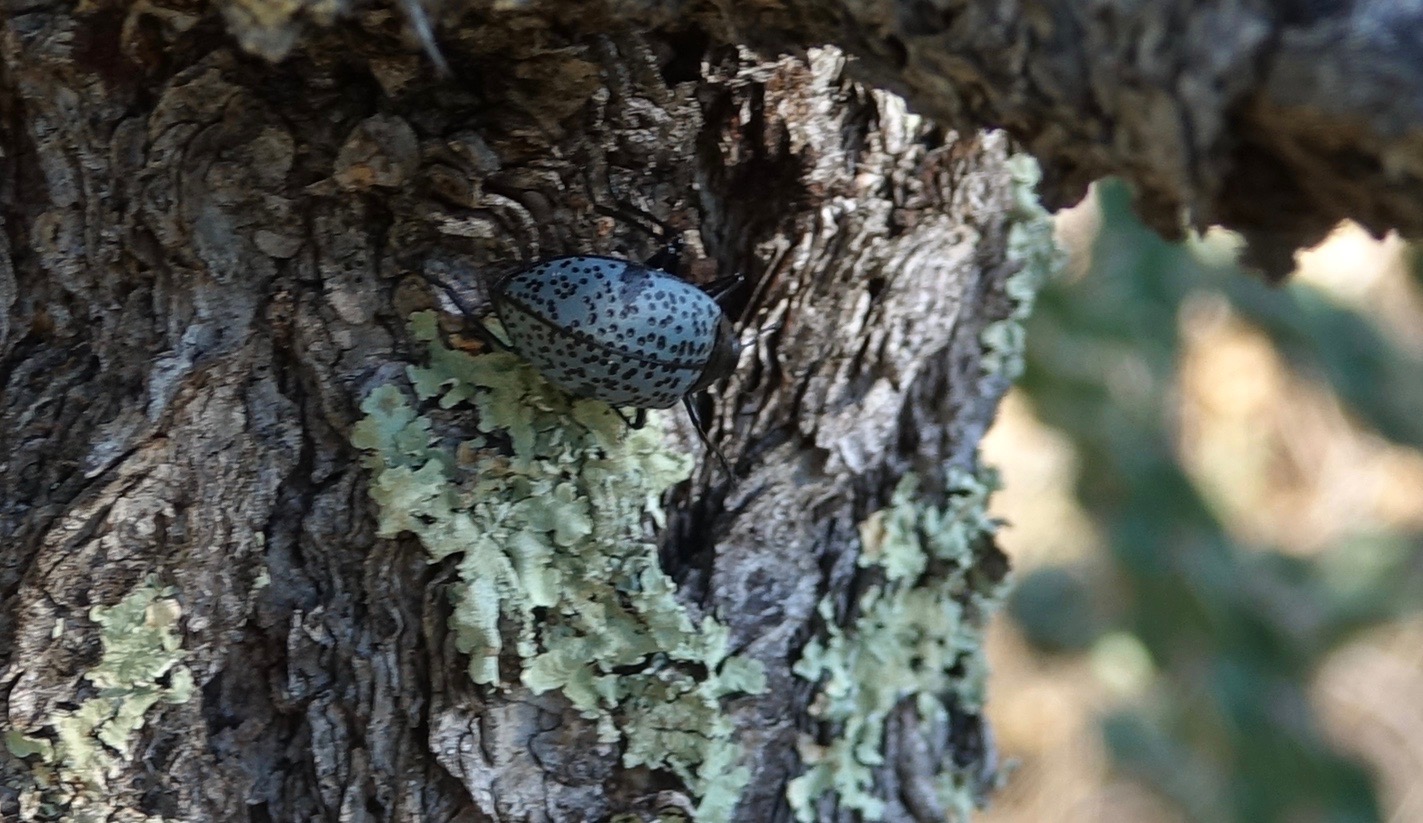
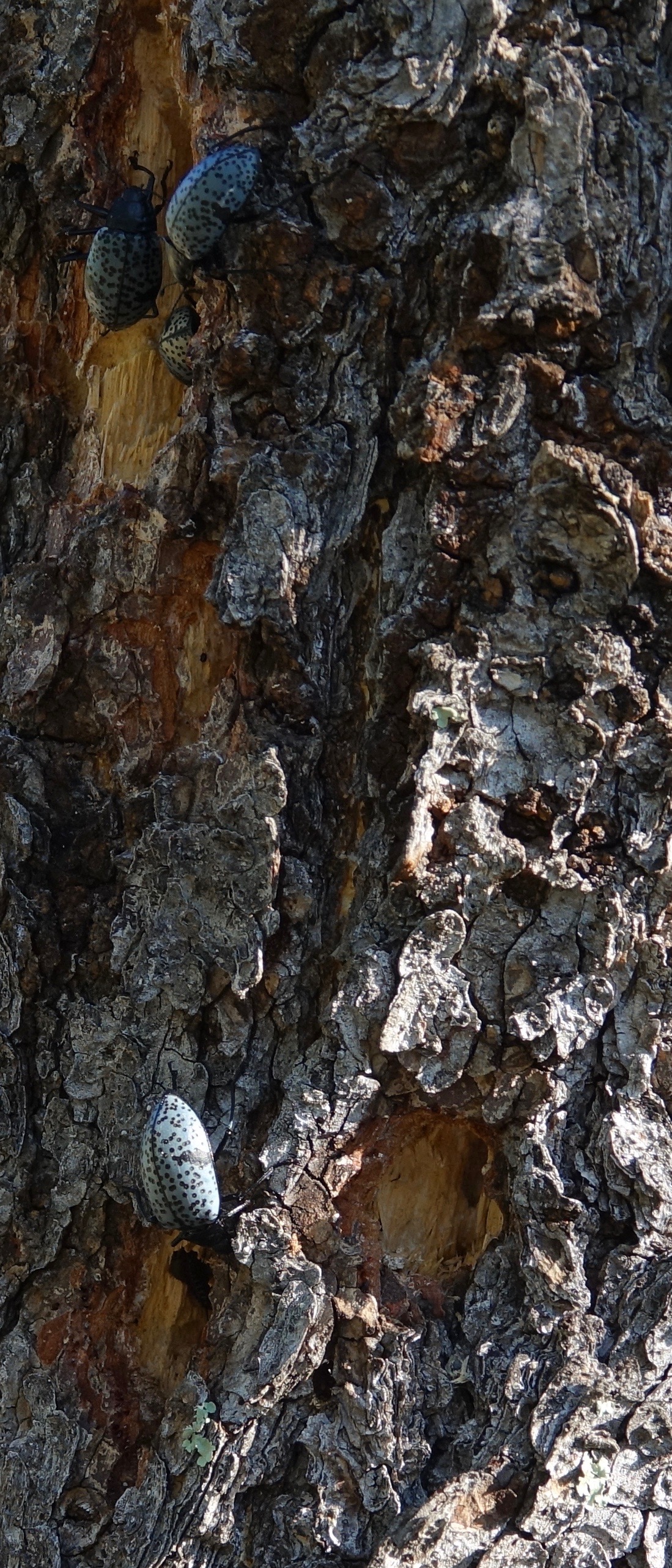
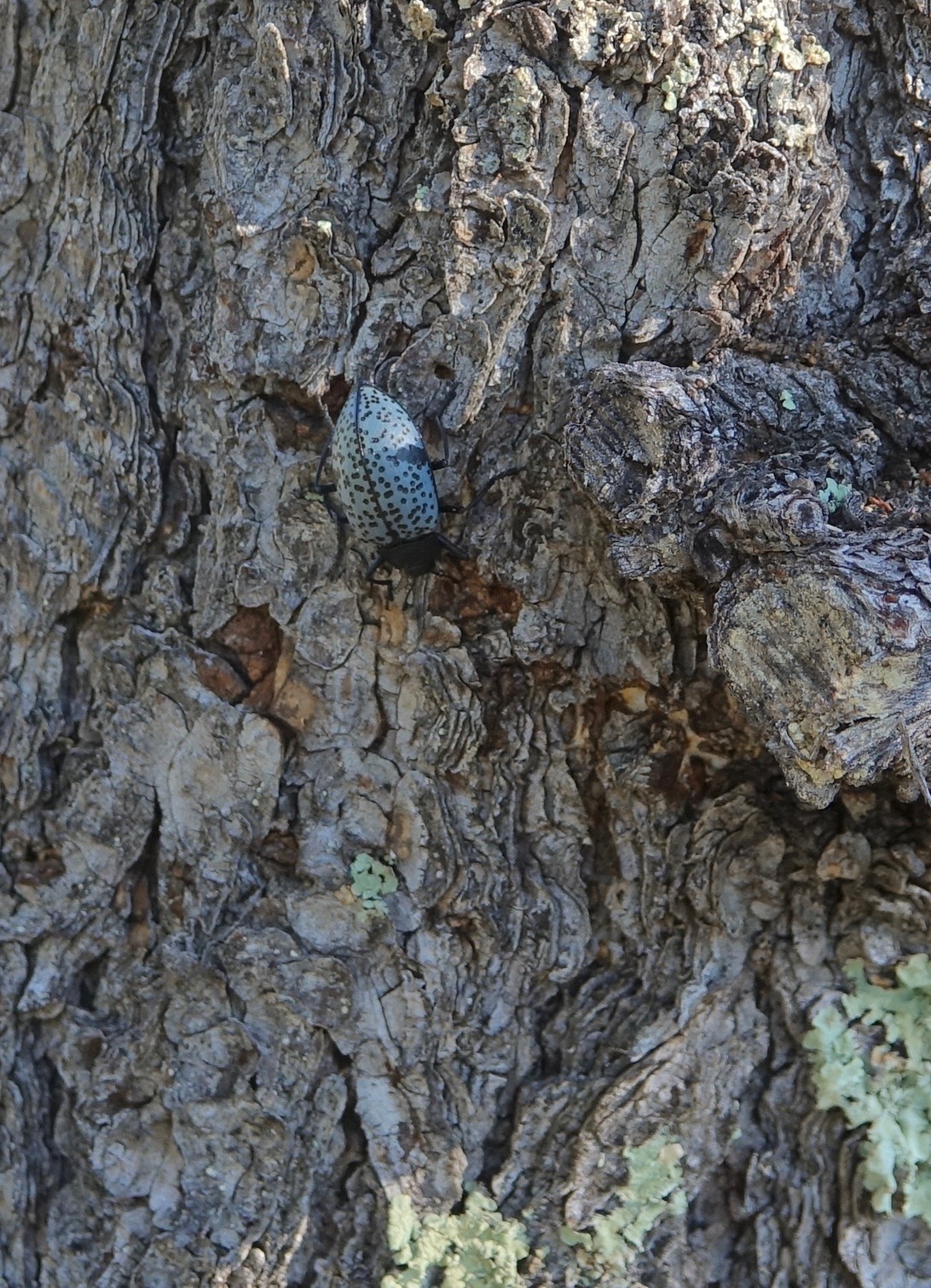
Synonyms: Erotylus c. & Cypherotylus c.
Range: Southwestern U.S., Kansas, Wyoming, and Northern Mexico
Food: Larvae feed on fungi, Adults feed on some fungi, pollen, & nectar.
Original Description: Jean Théodore Lacordaire (1801 - 1870)
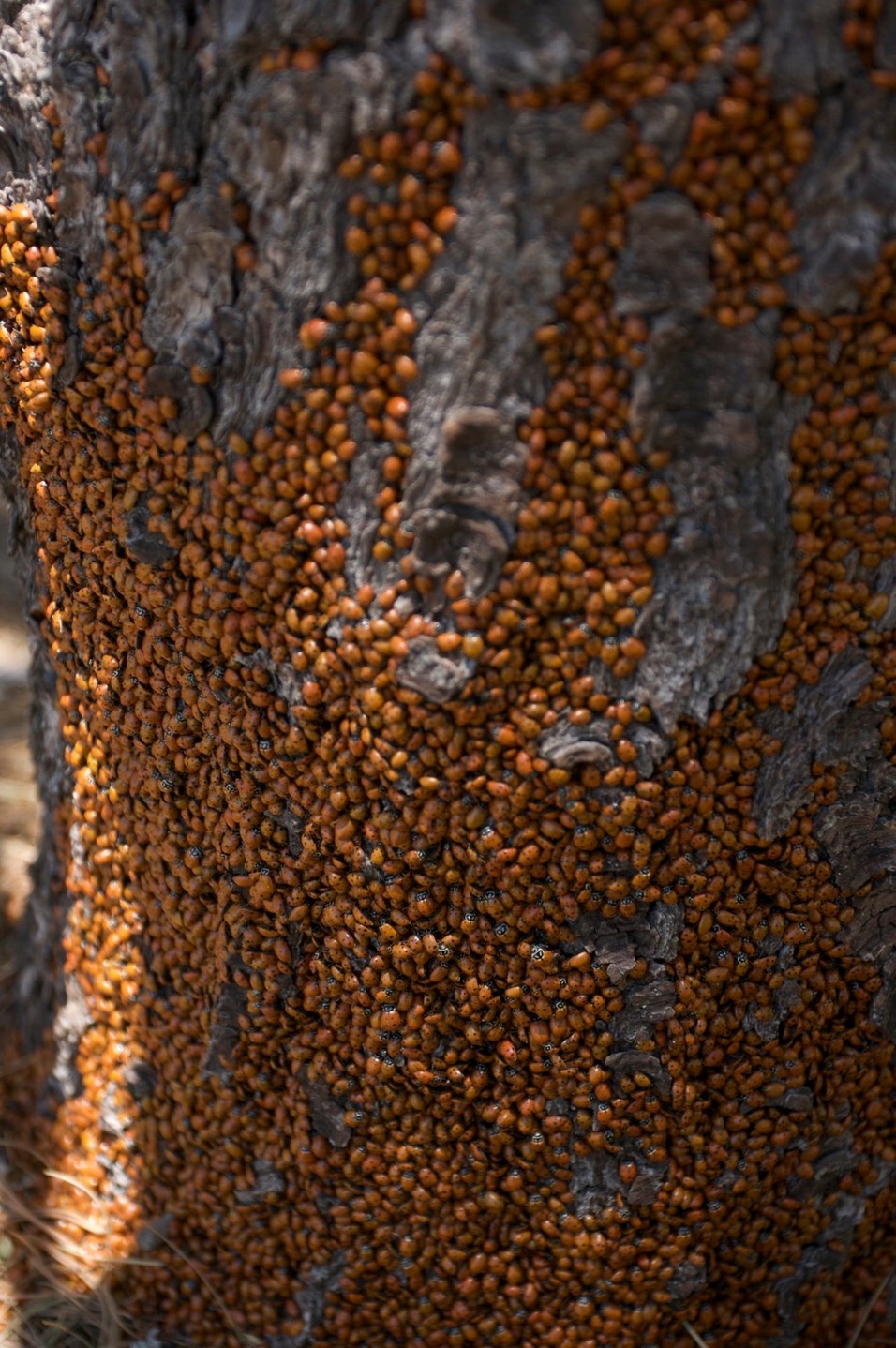
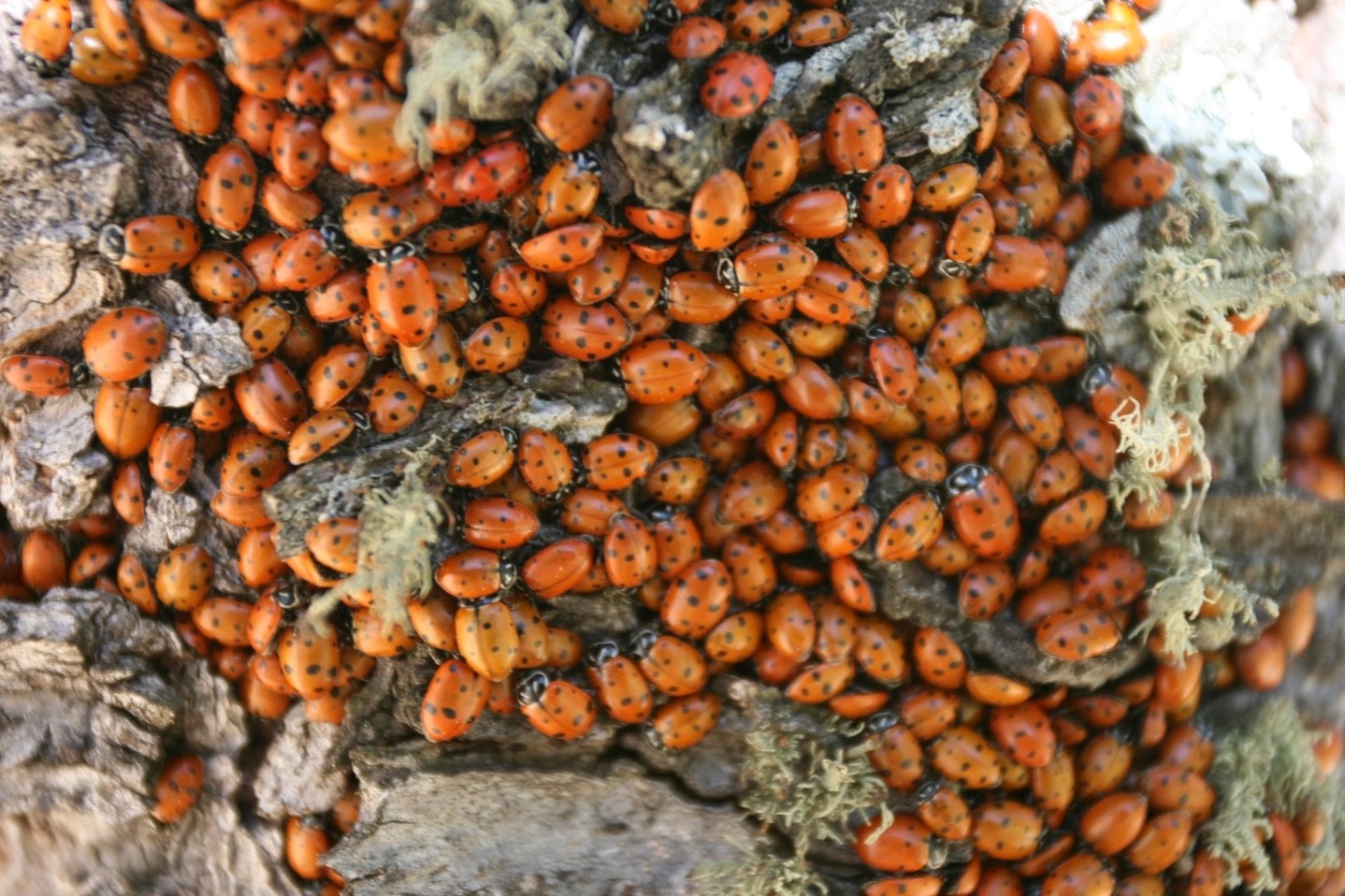
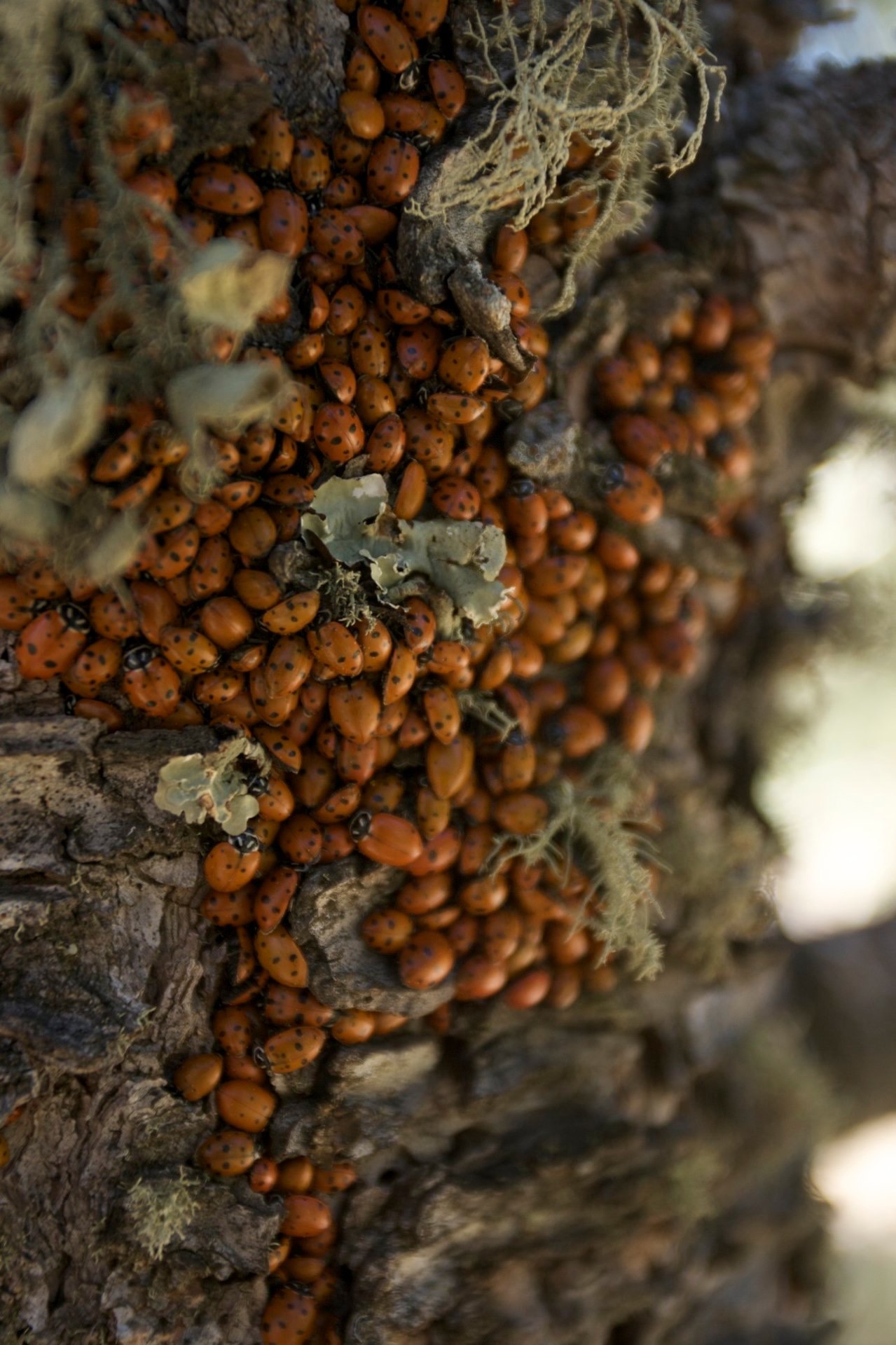
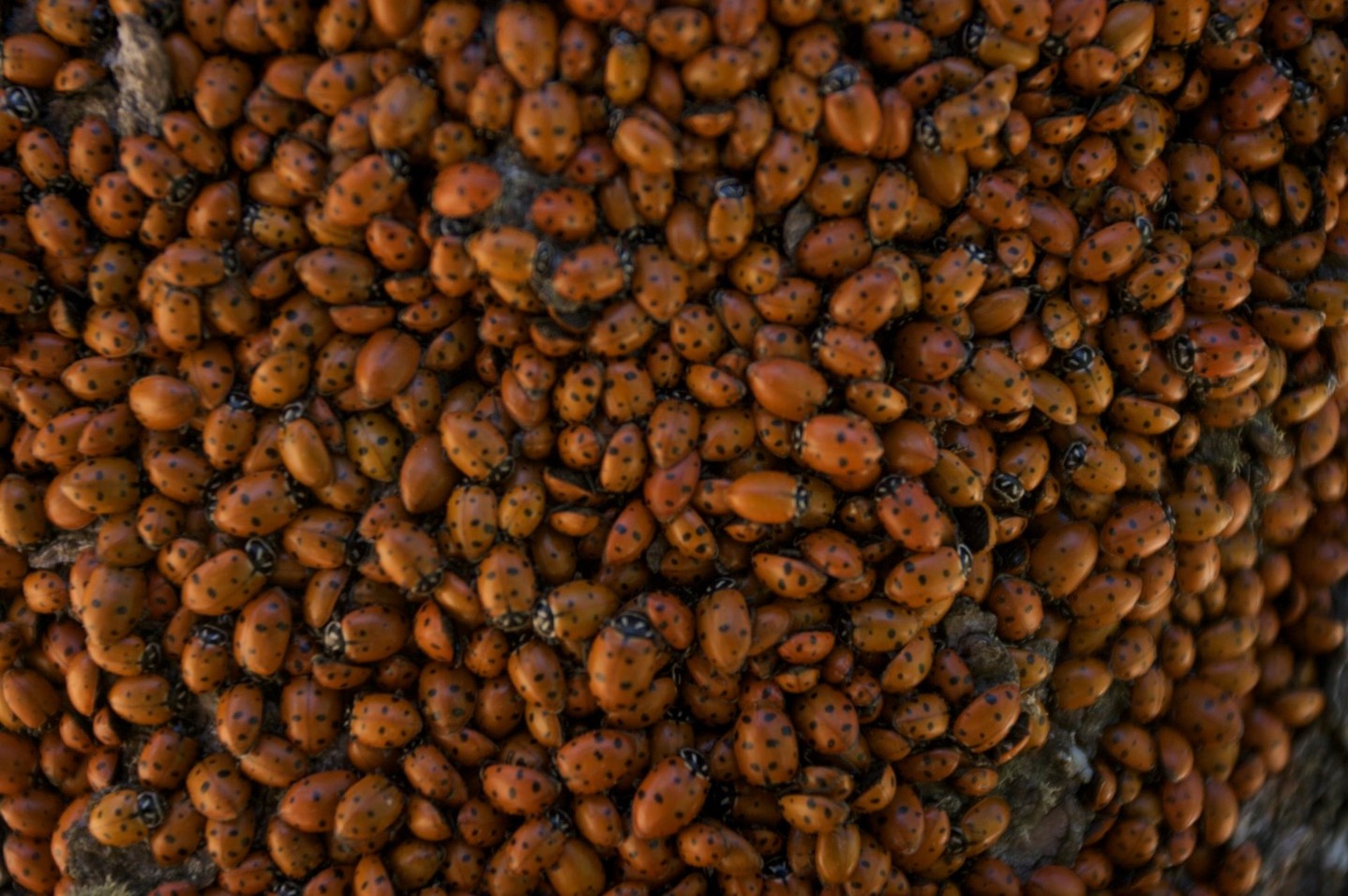
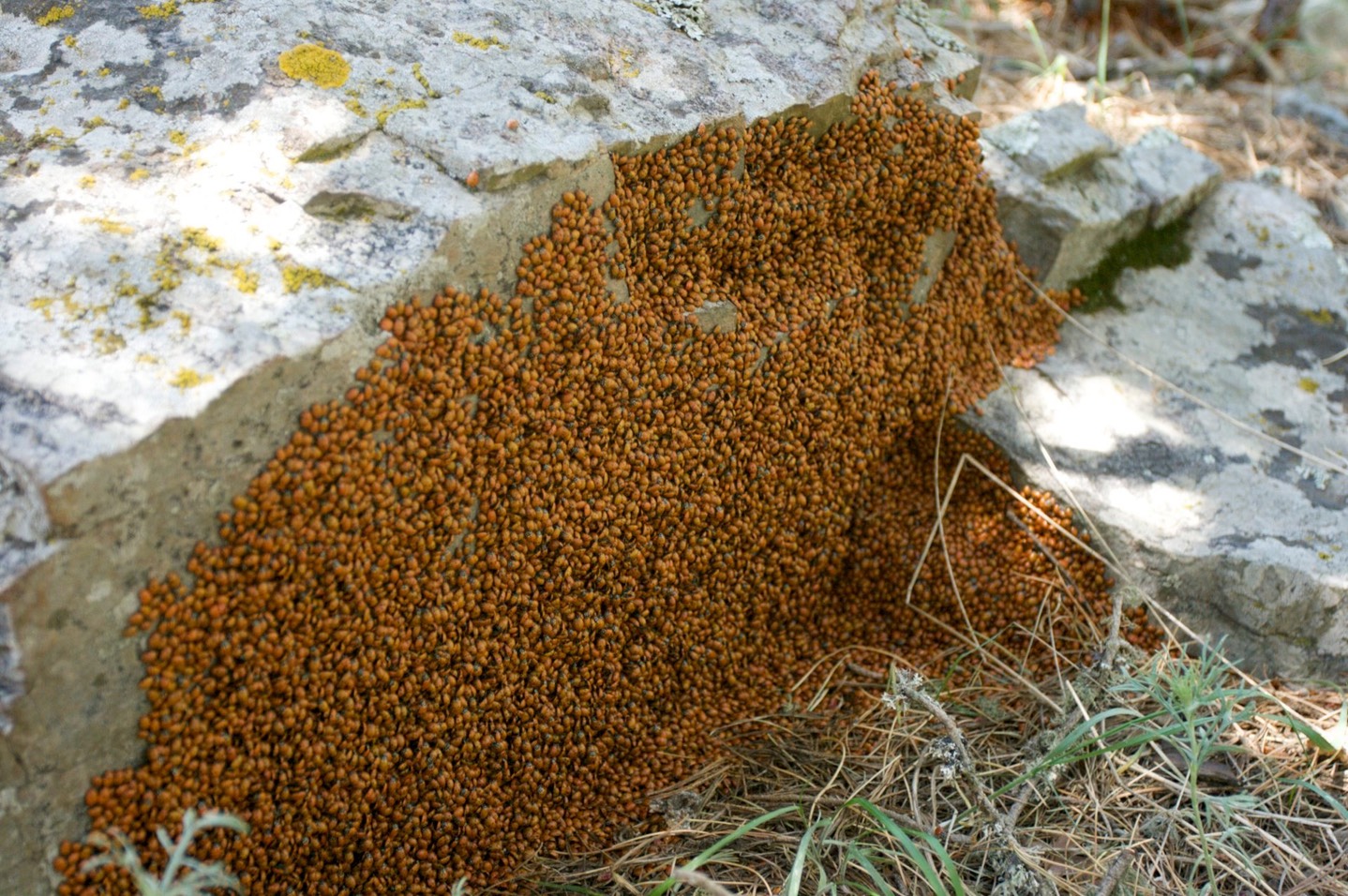
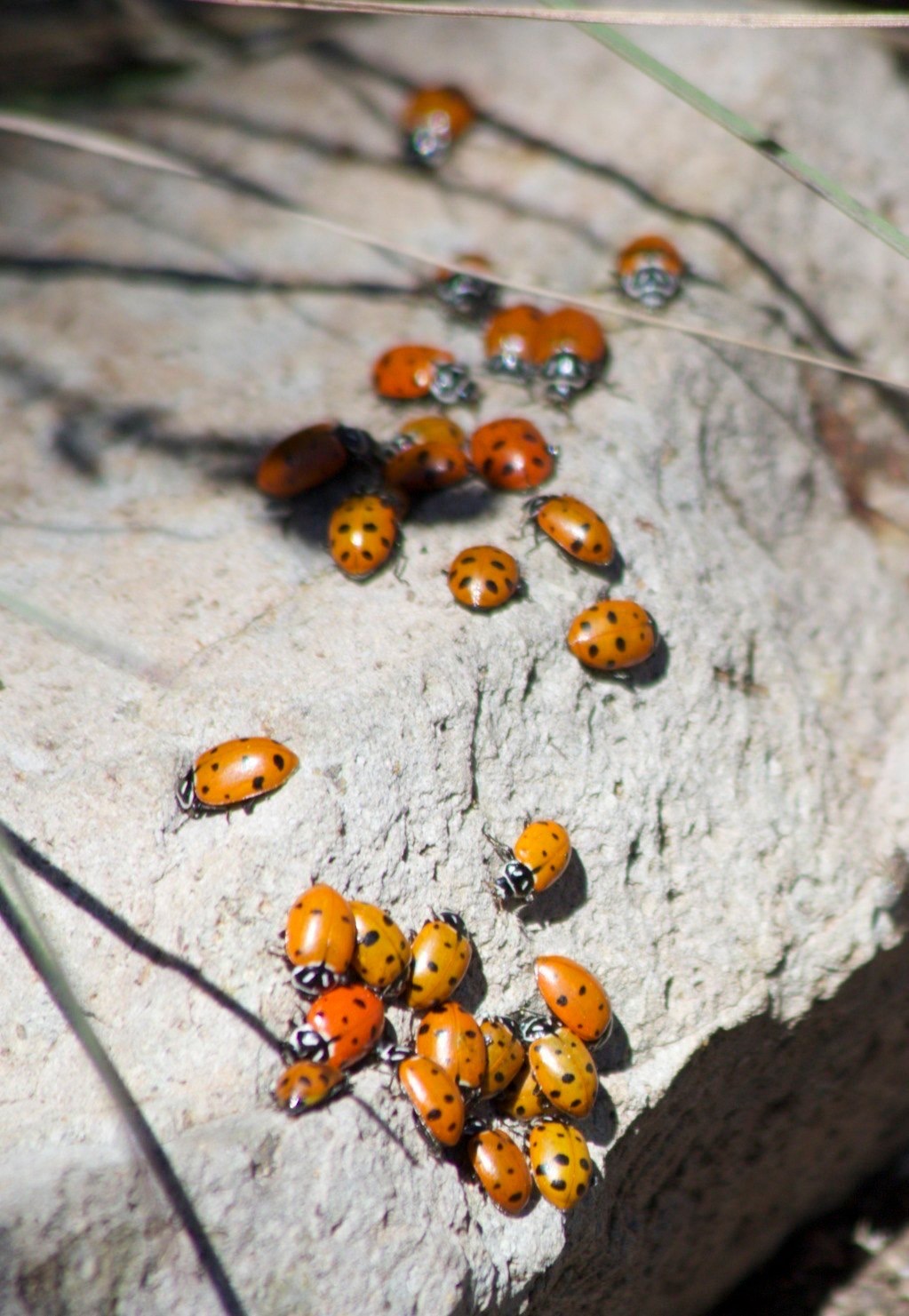
Hippodamia convergens
Convergent Lady Beetle
Sawyers Peak
Hogna carolinensis (?)
Carolina Wolf Spider
Ready Pay Wash
East of Hillsboro
November 9, 2022
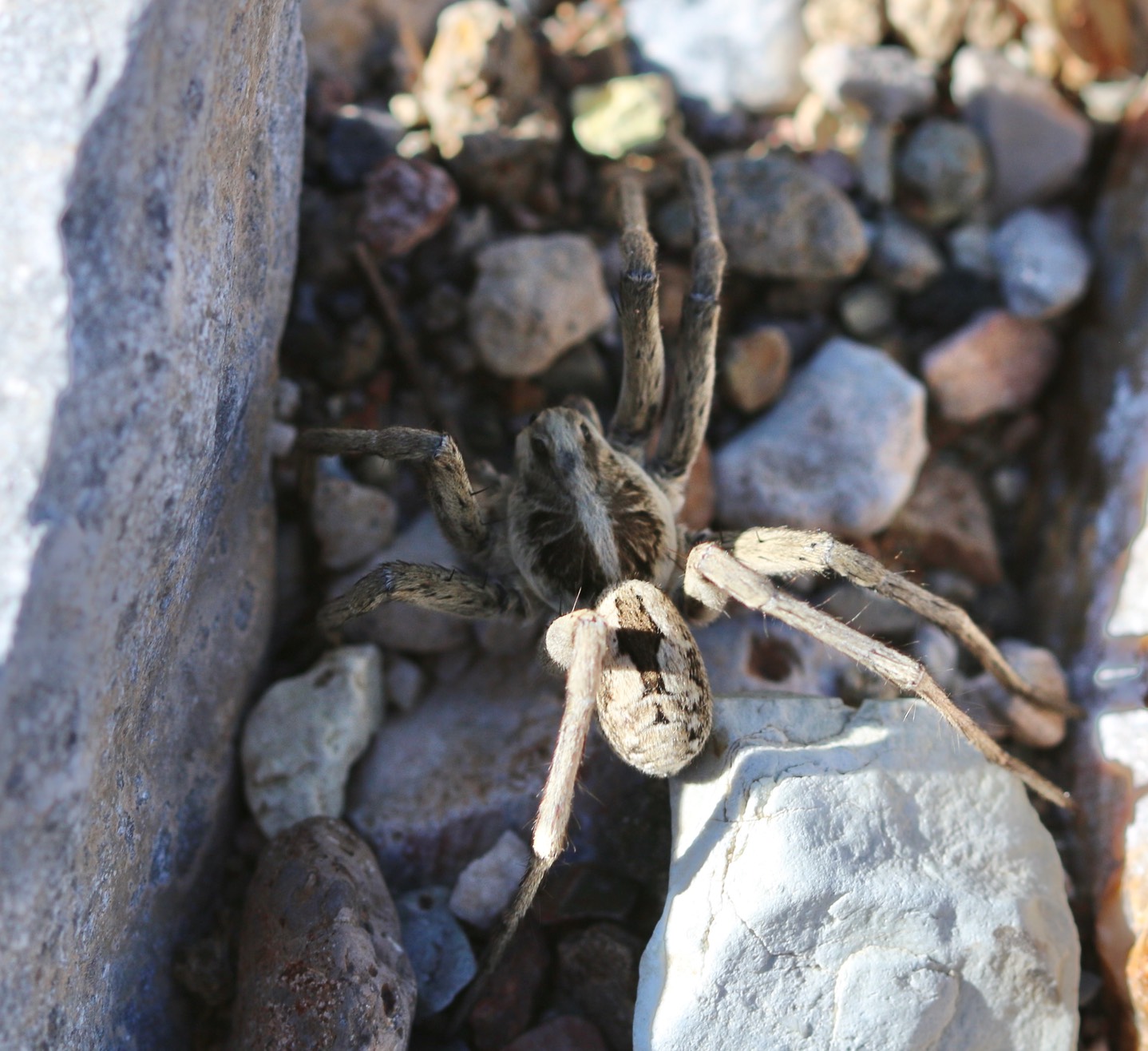
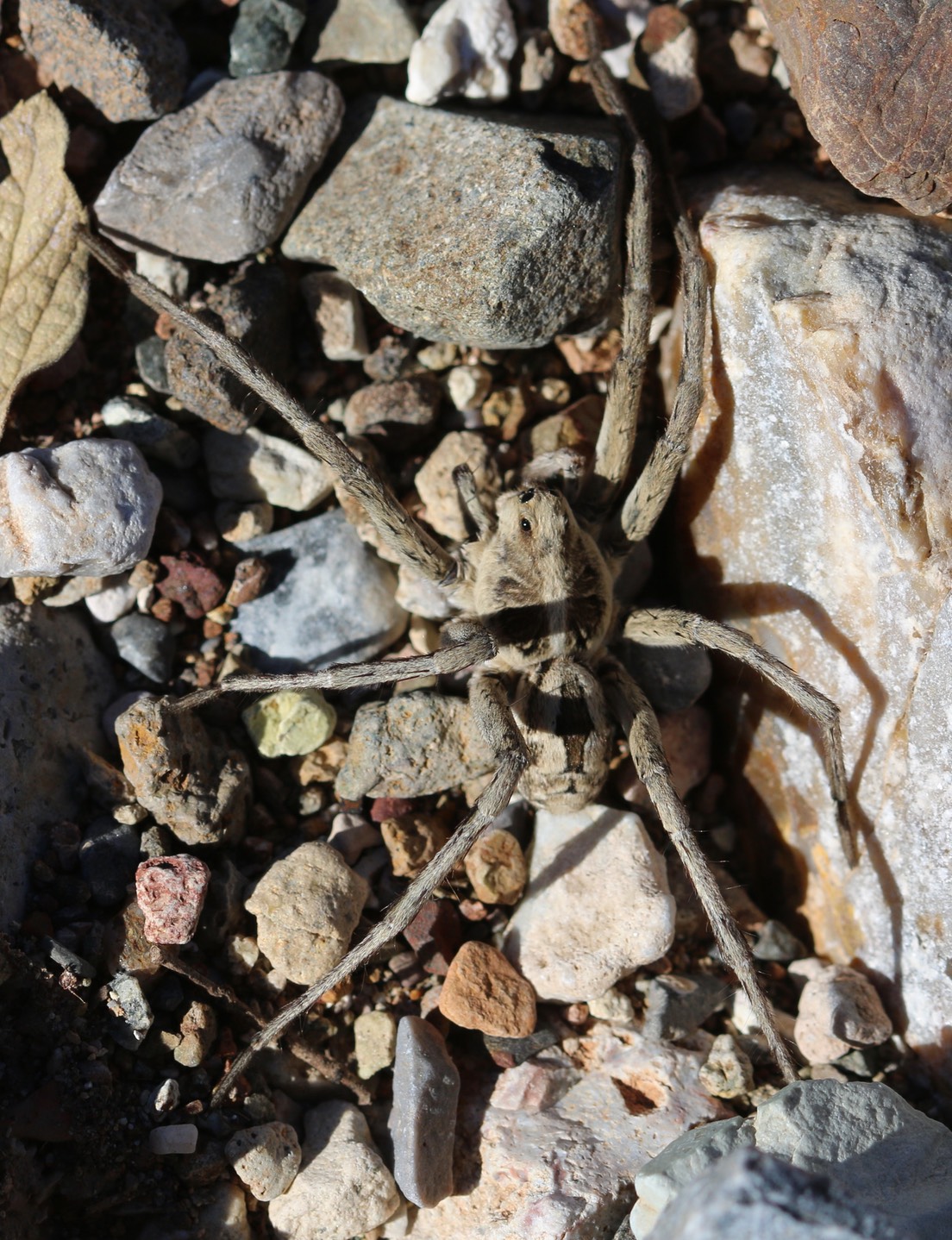
Tentative identification. This species is found throughout the United States. This may be a male searching for a female since it was patrolling during the day. A large spider, not as big as most of the tarantulas of our area, but large.
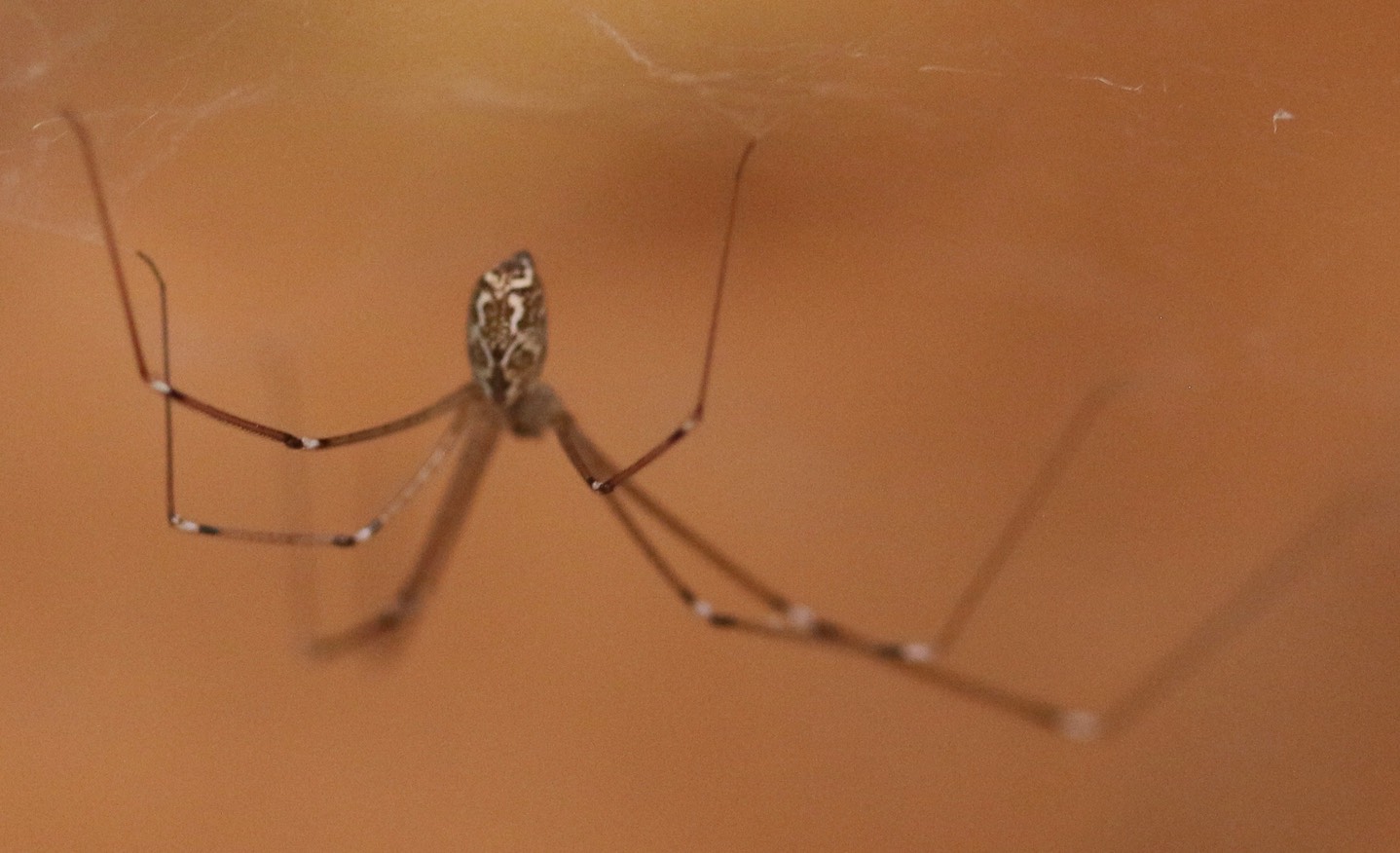
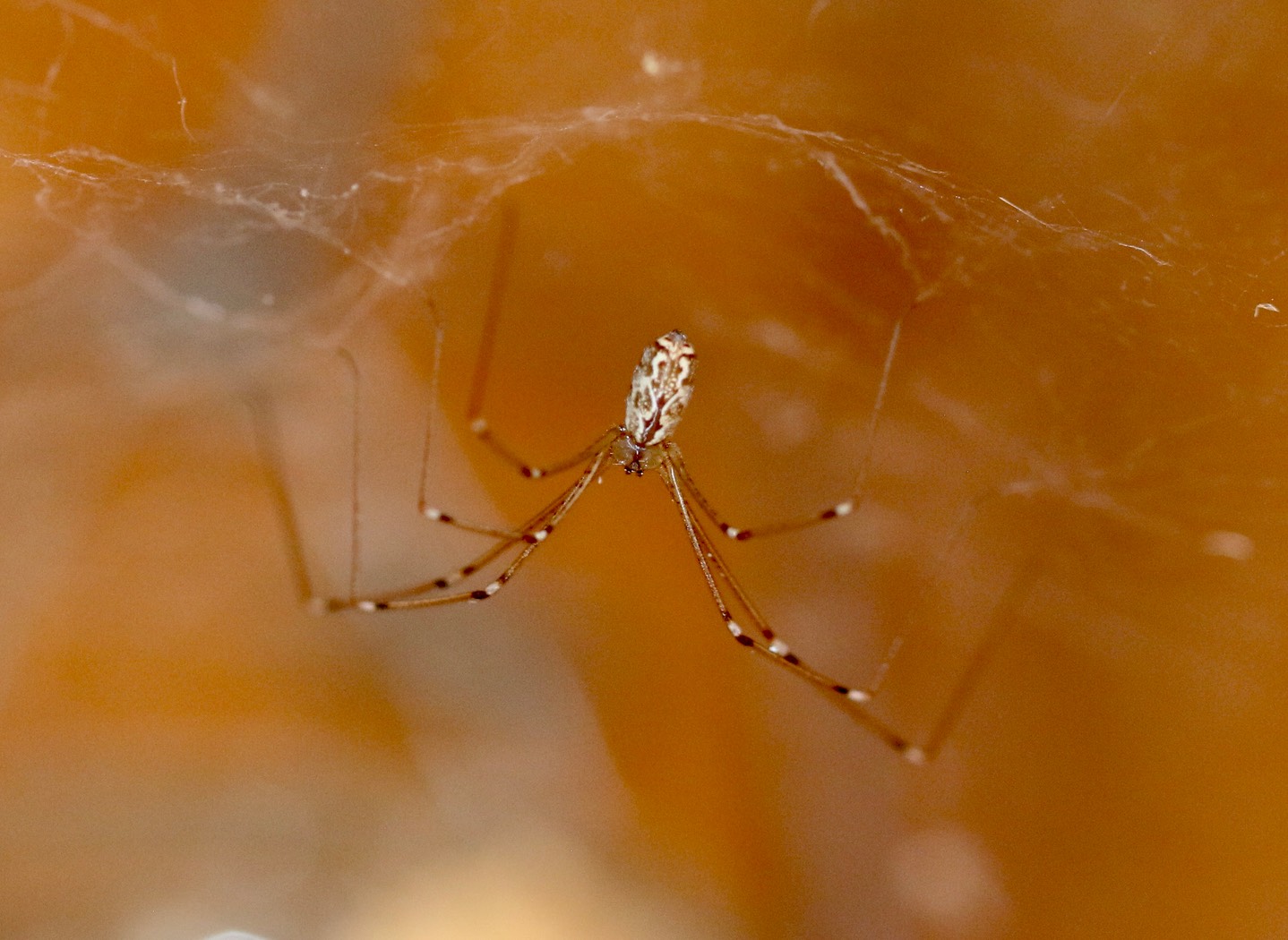
Holocnemus pluchei
Marbled Cellar Spider
Hillsboro
July
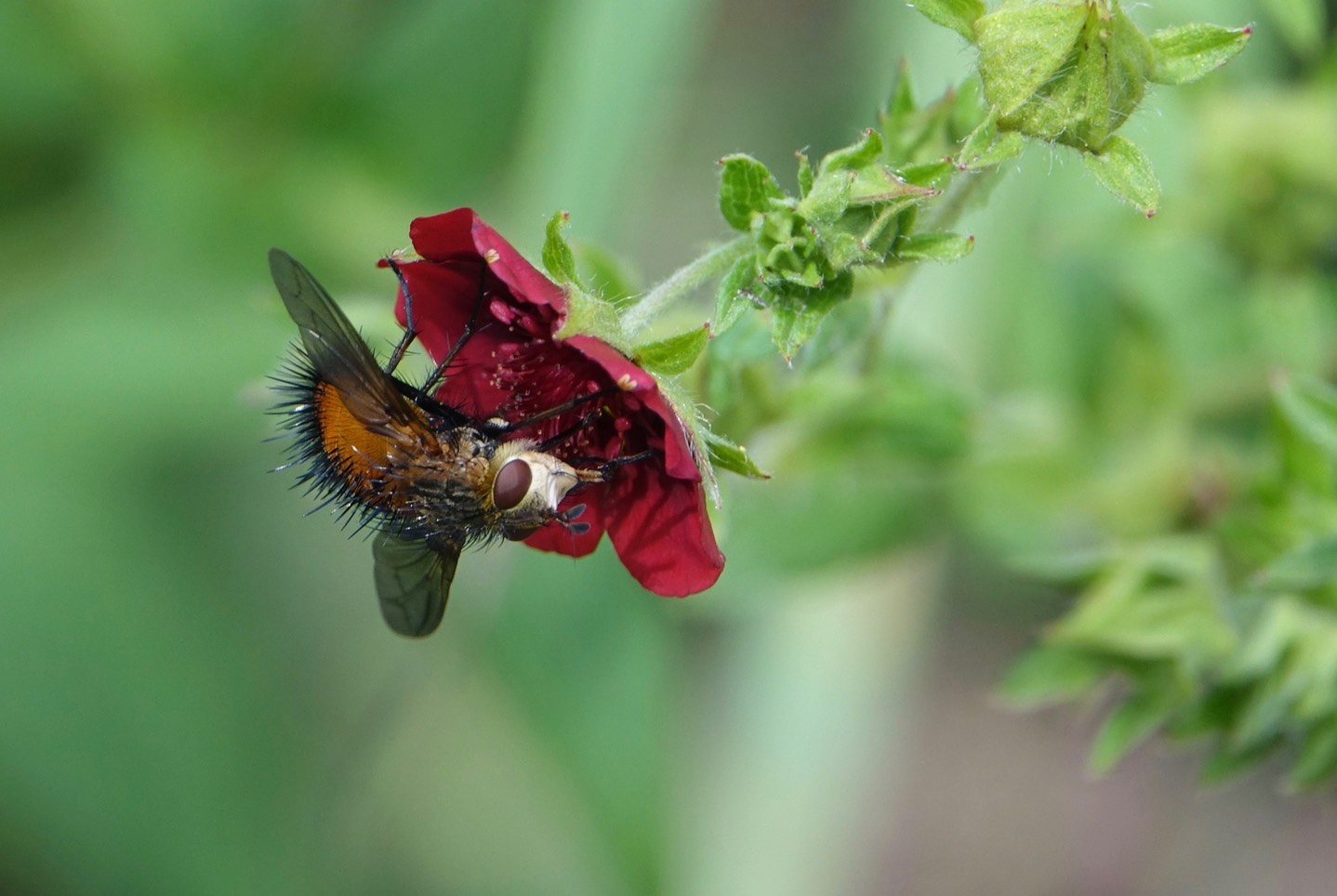
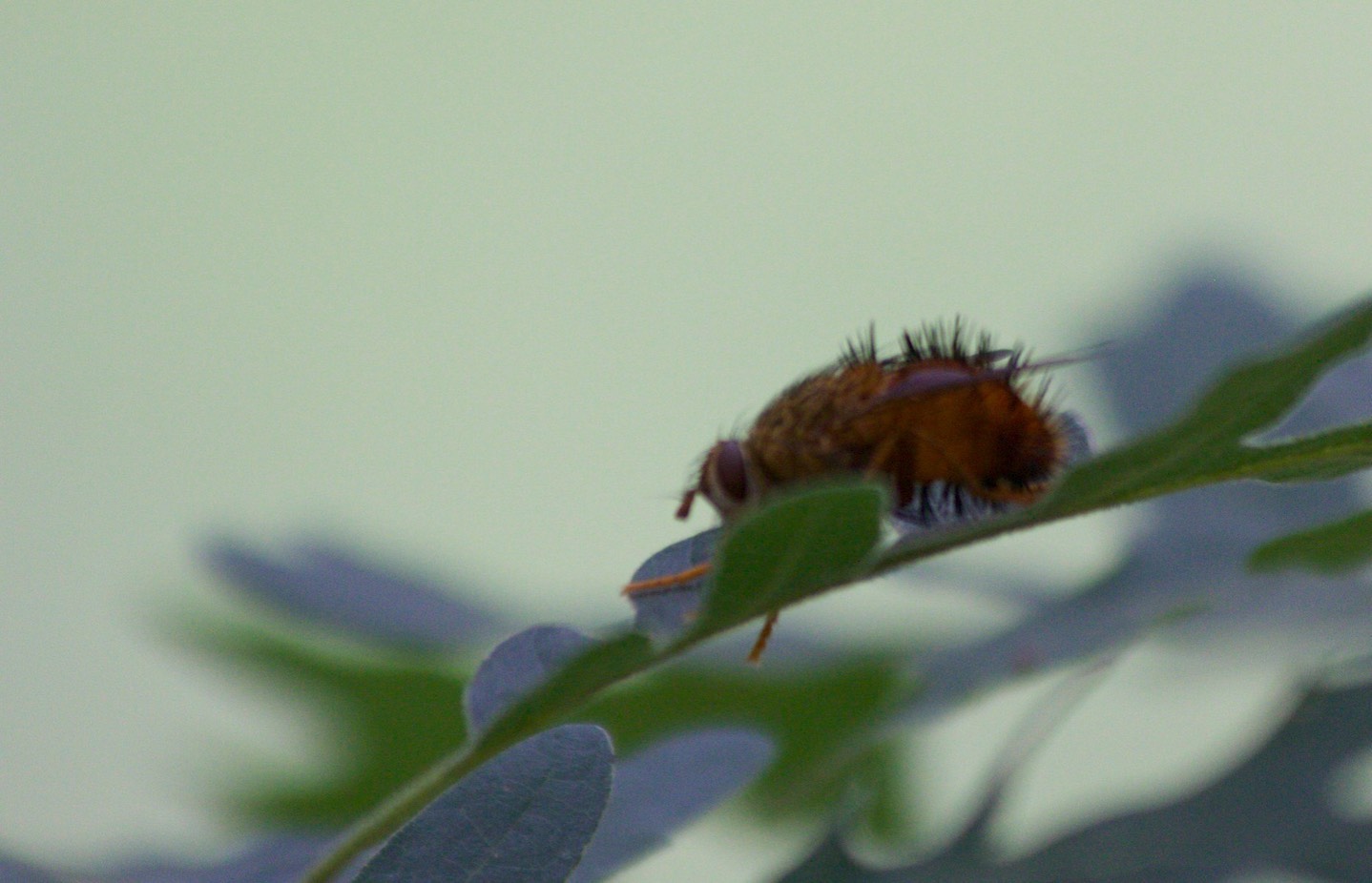
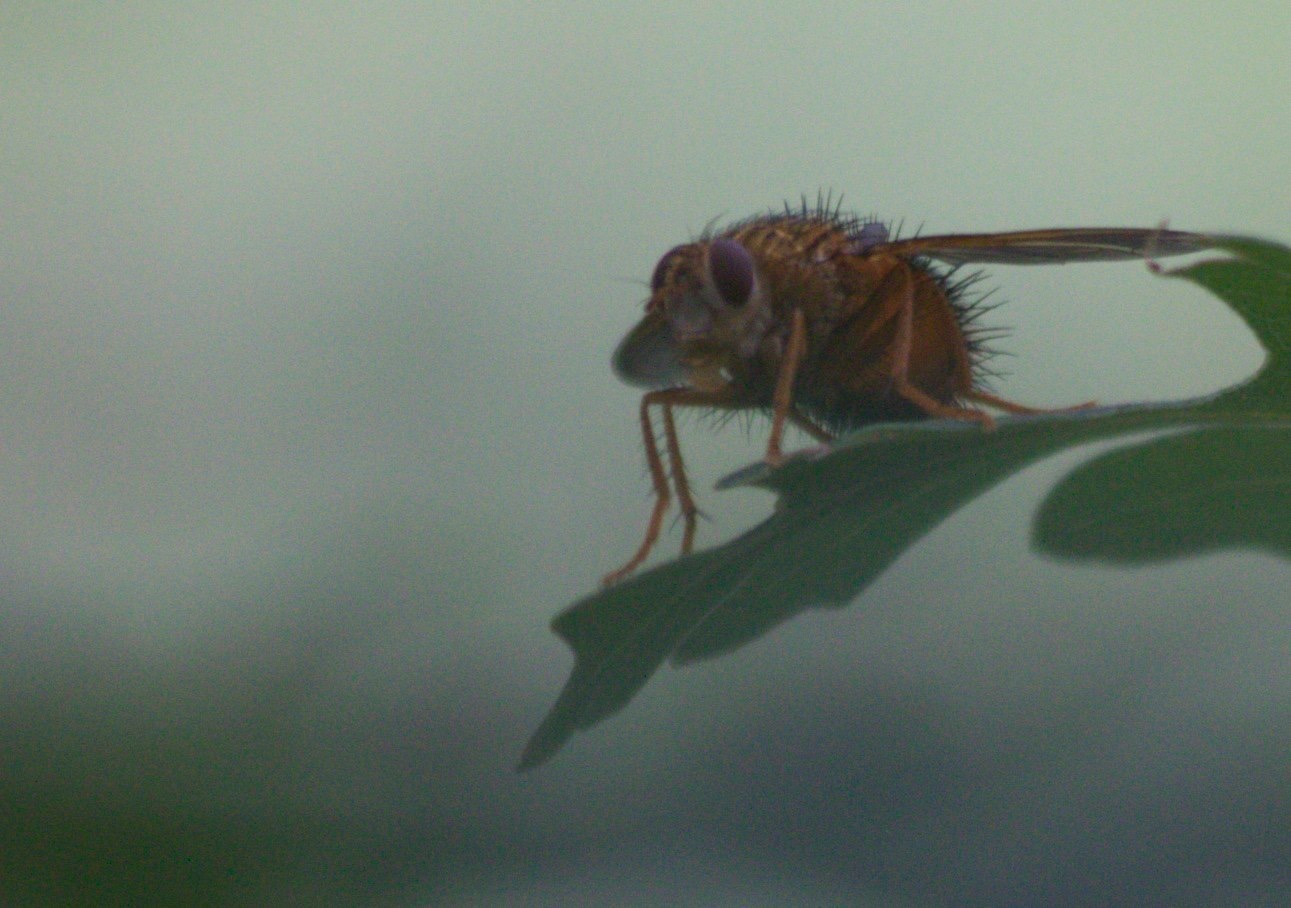
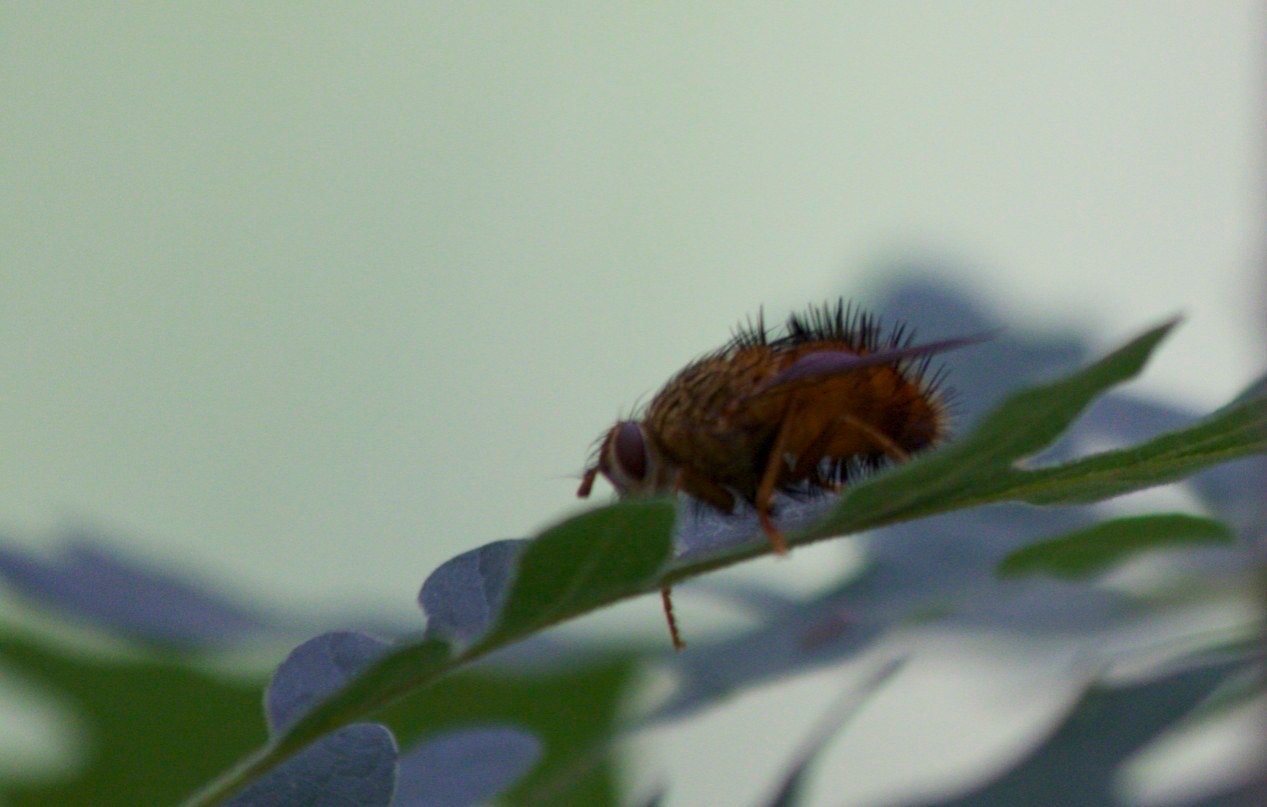
Hystricia abrupta
Tachinid Fly
Railroad Canyon
July
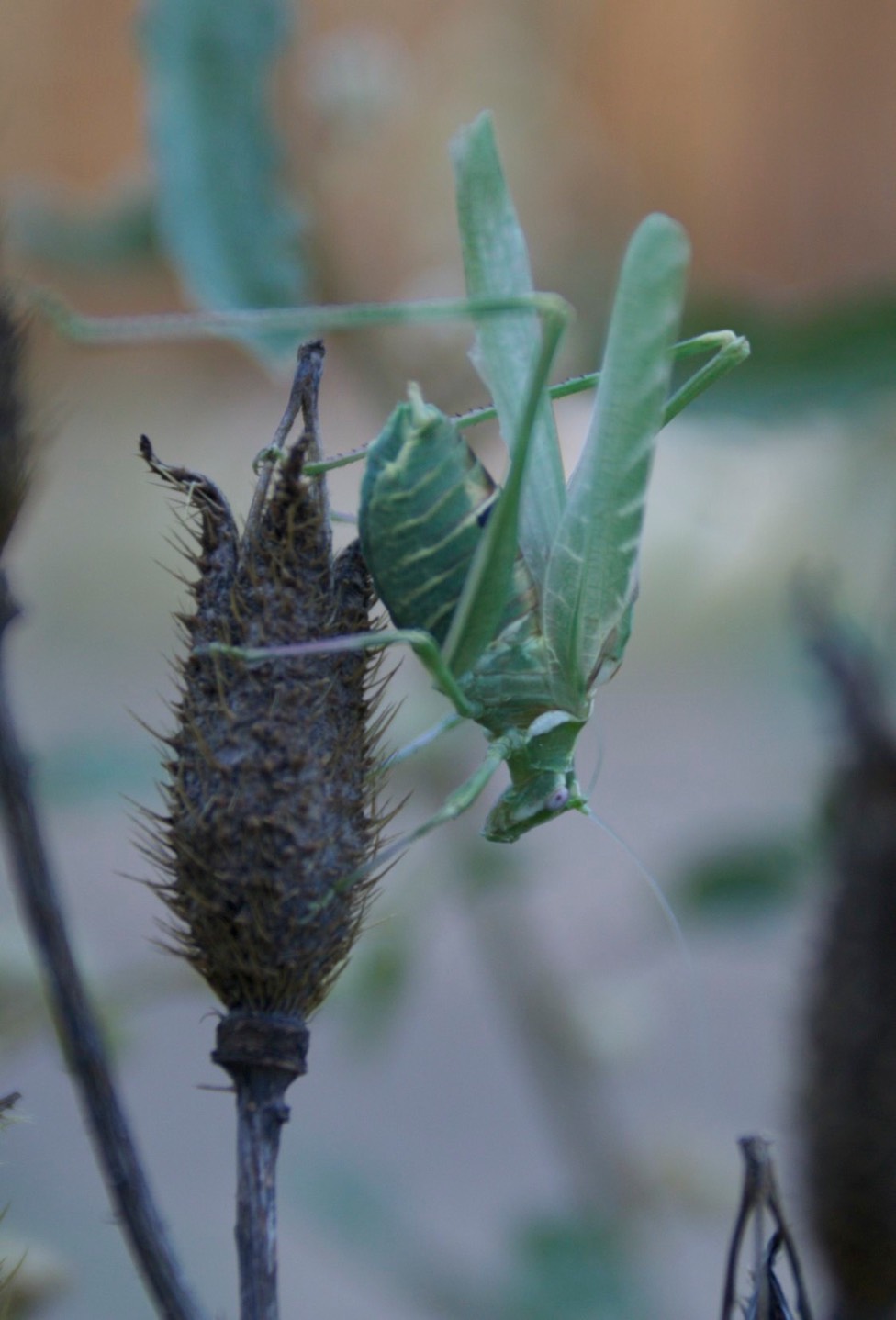
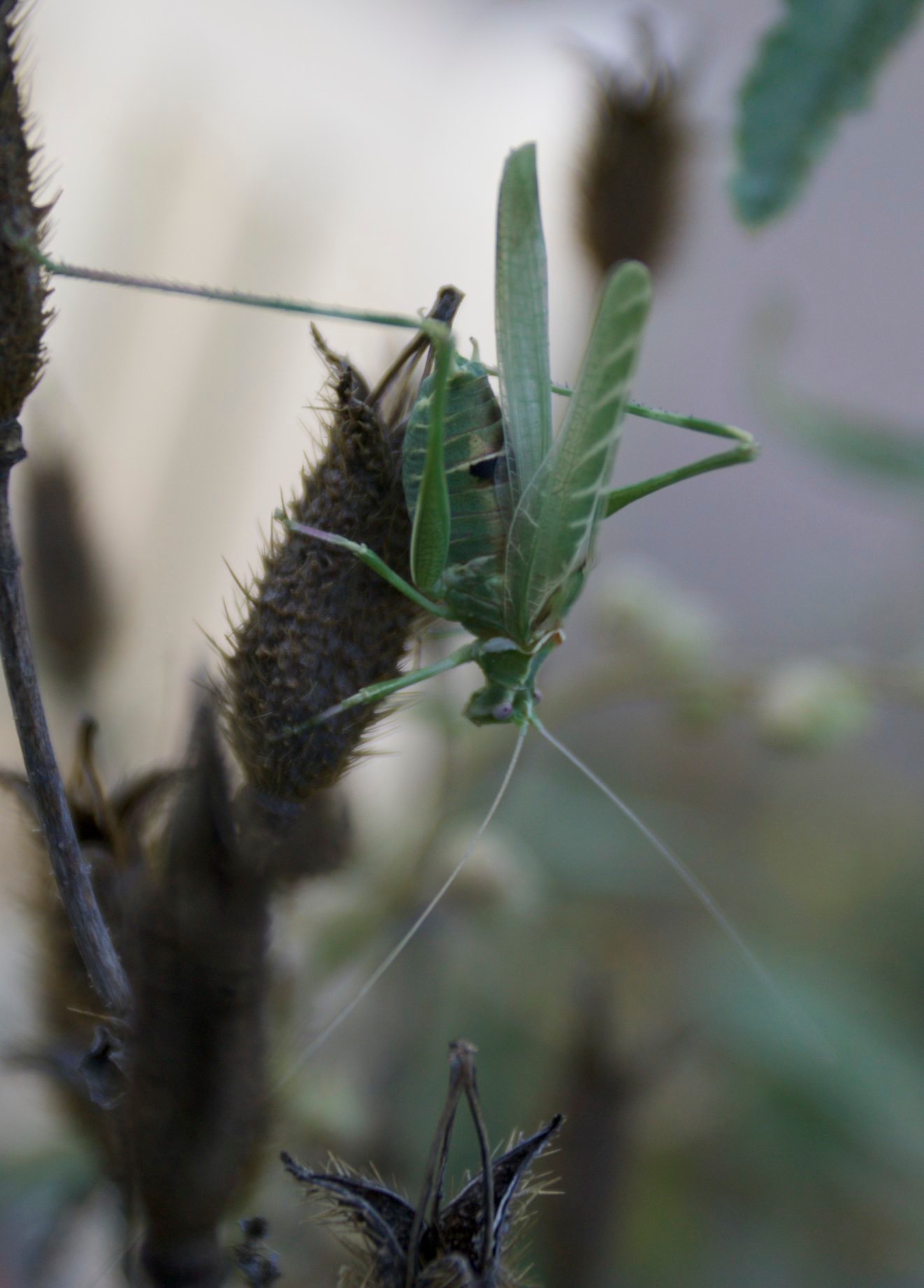
Insara elegans
Elegant Bush Katydid
Hillsboro
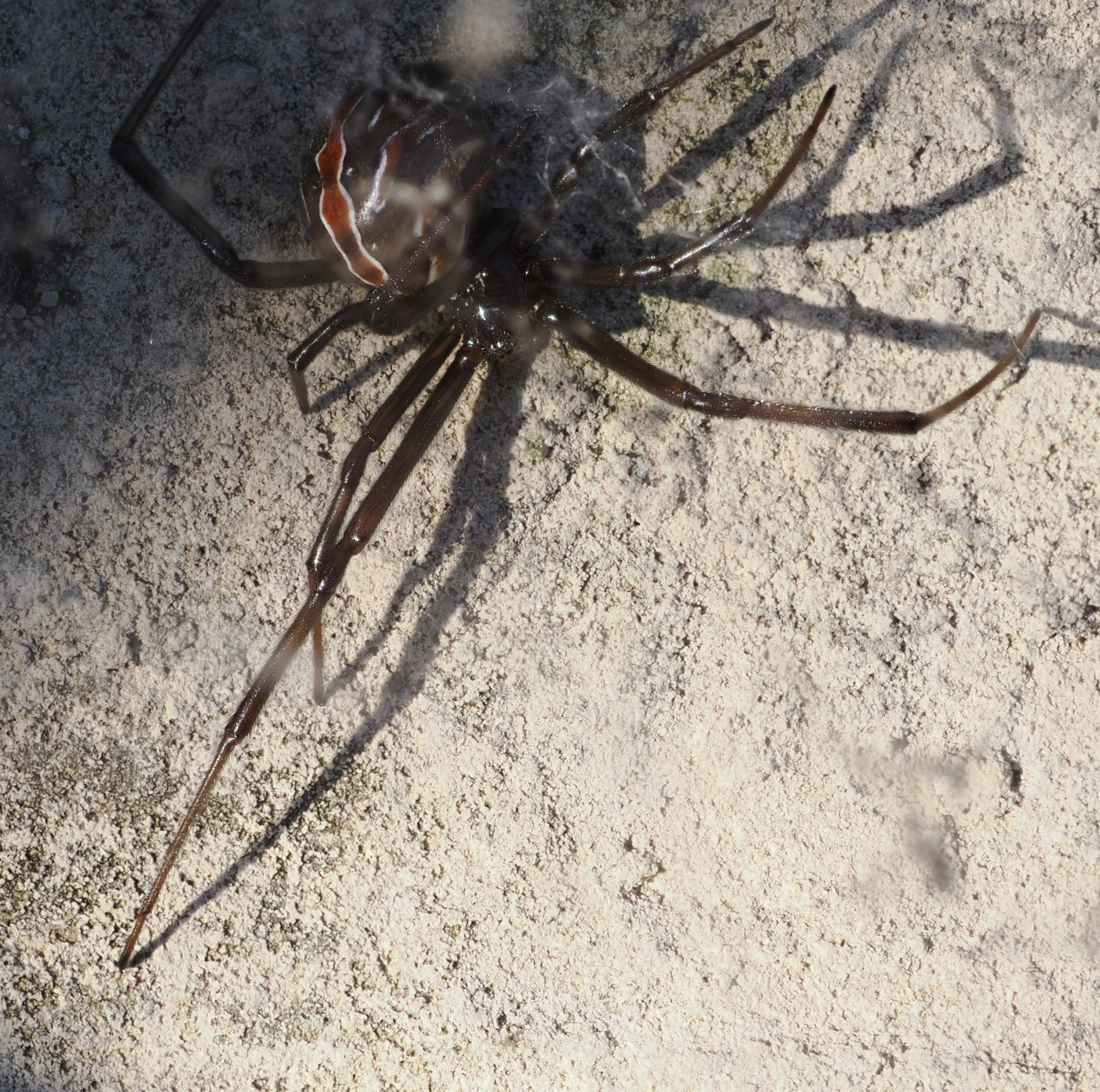
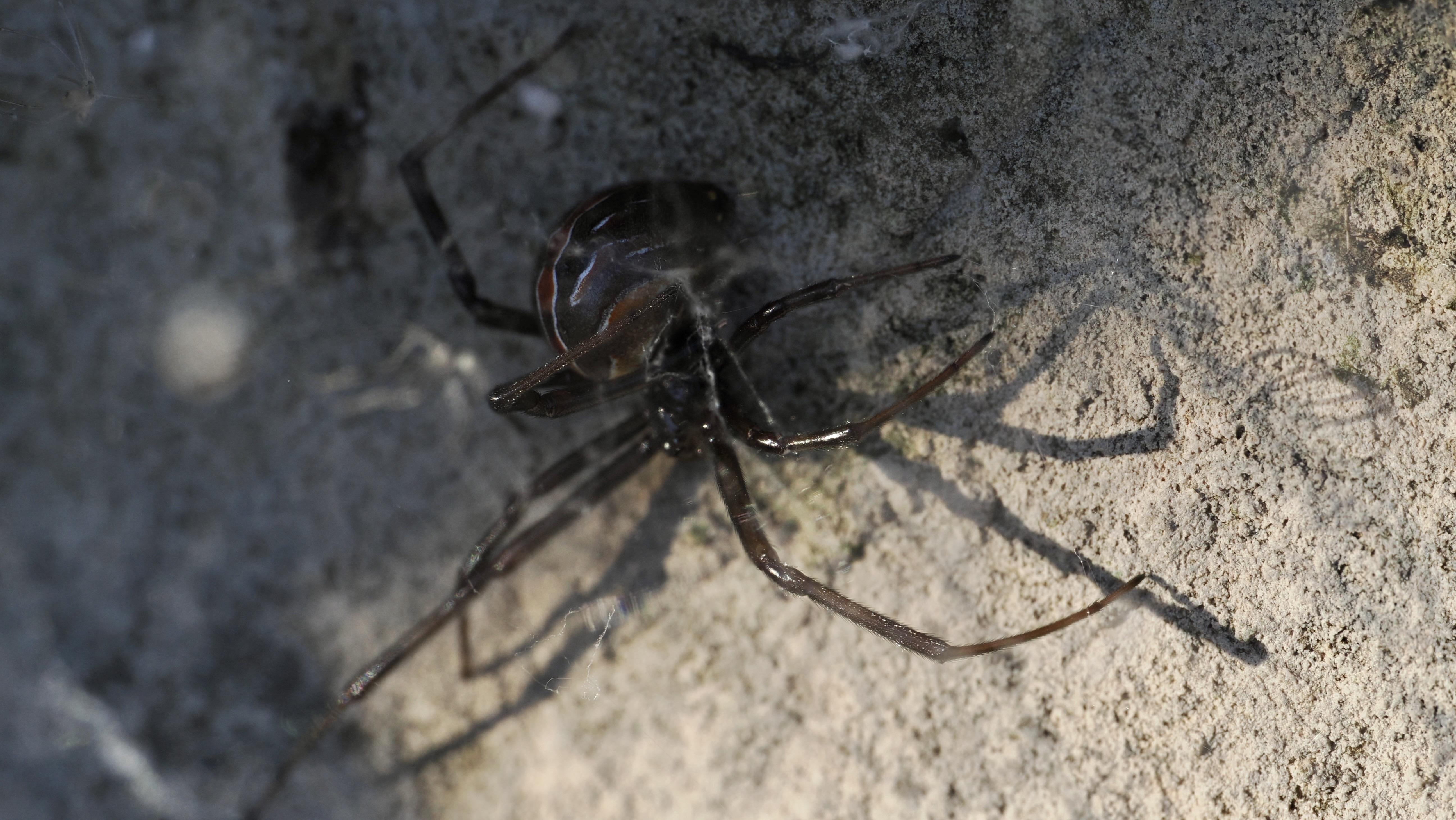
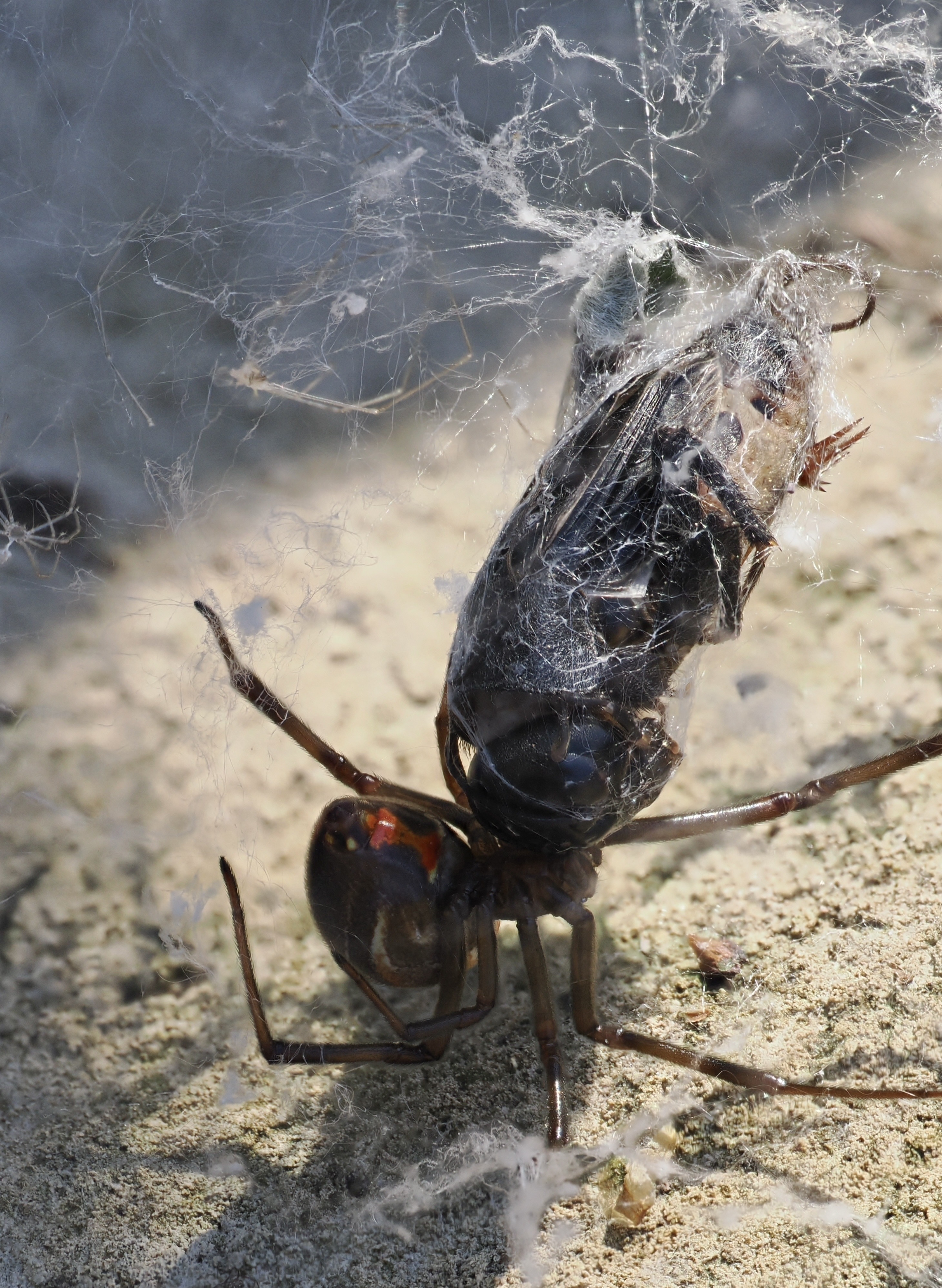
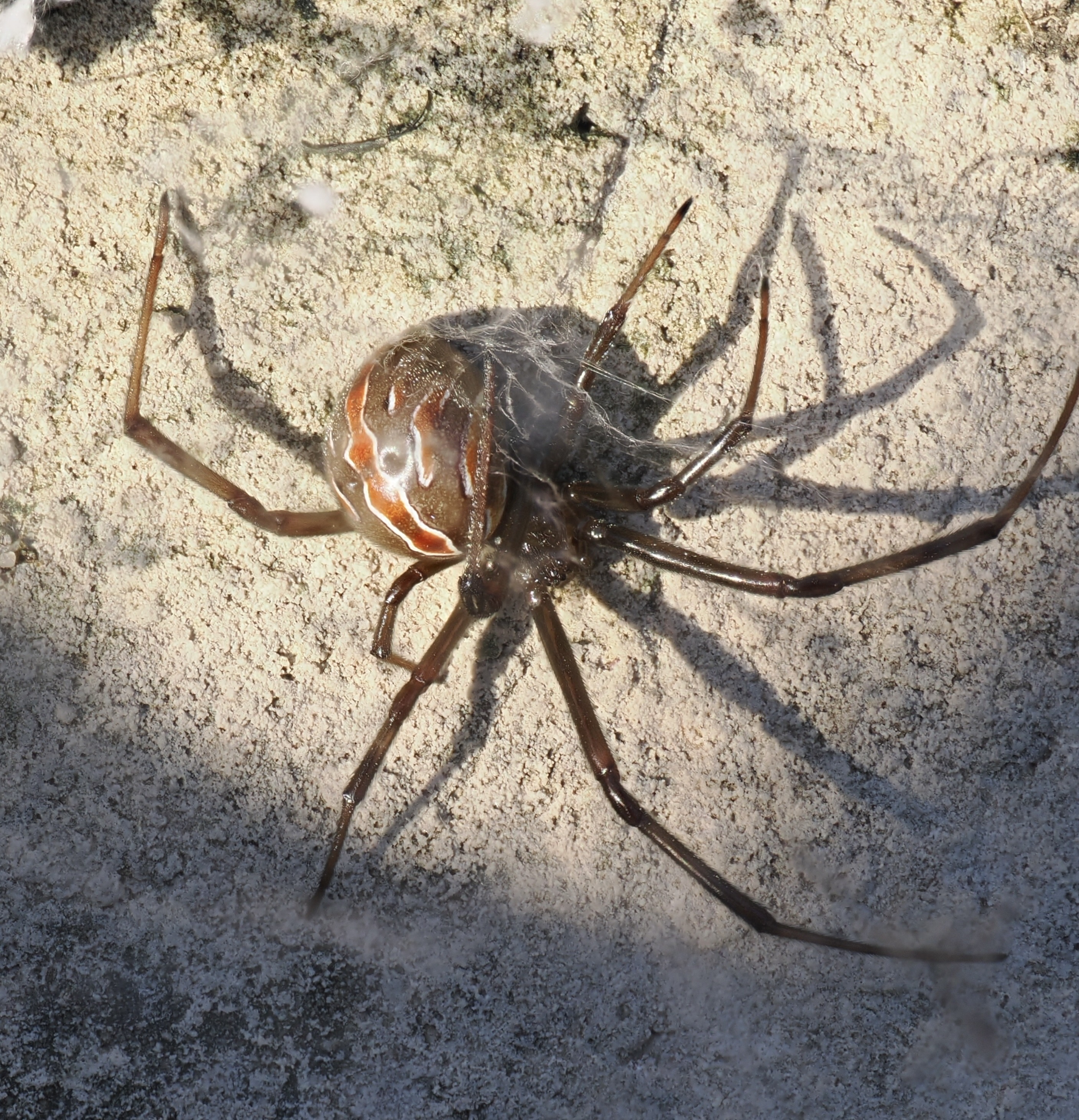
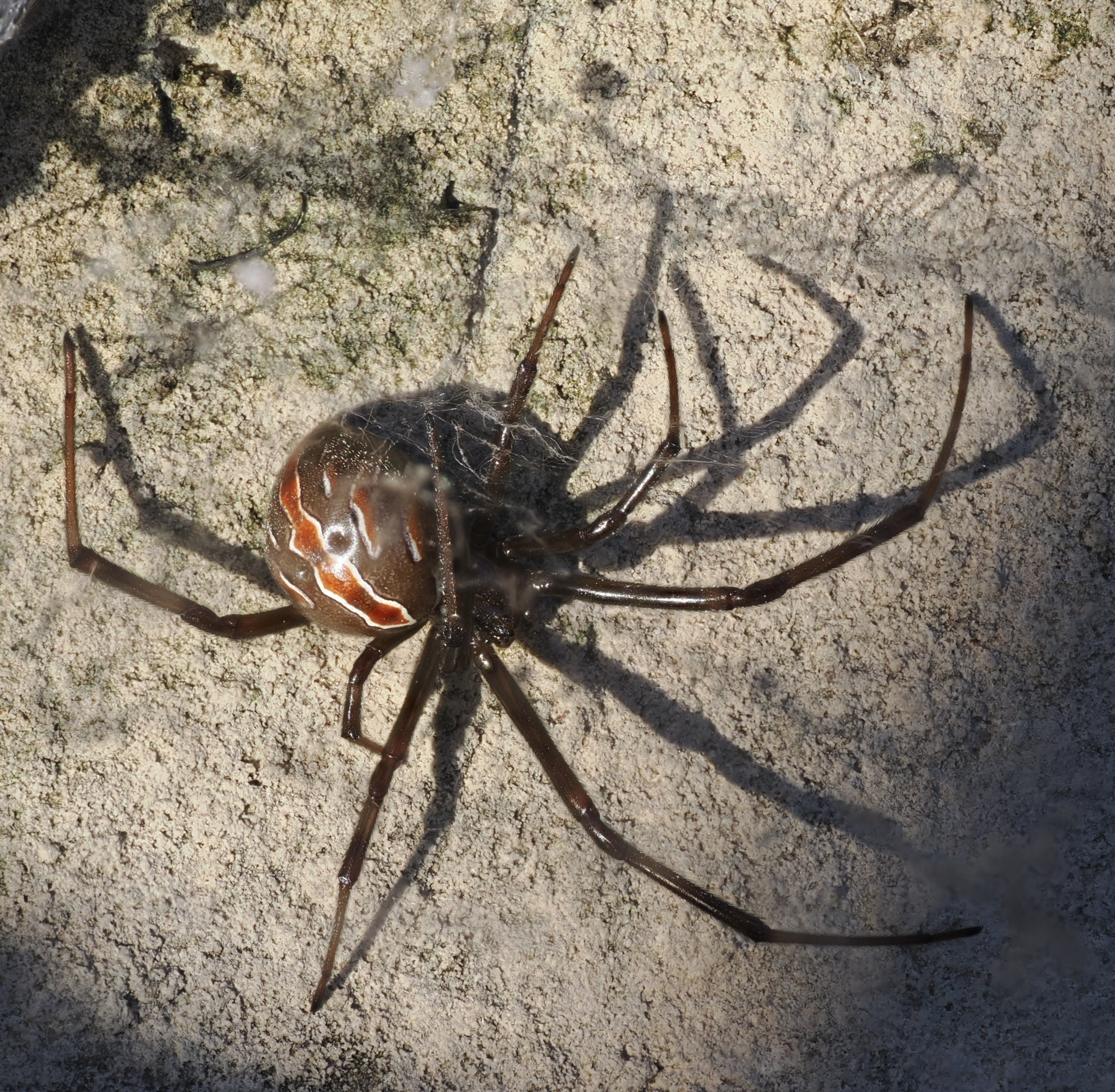
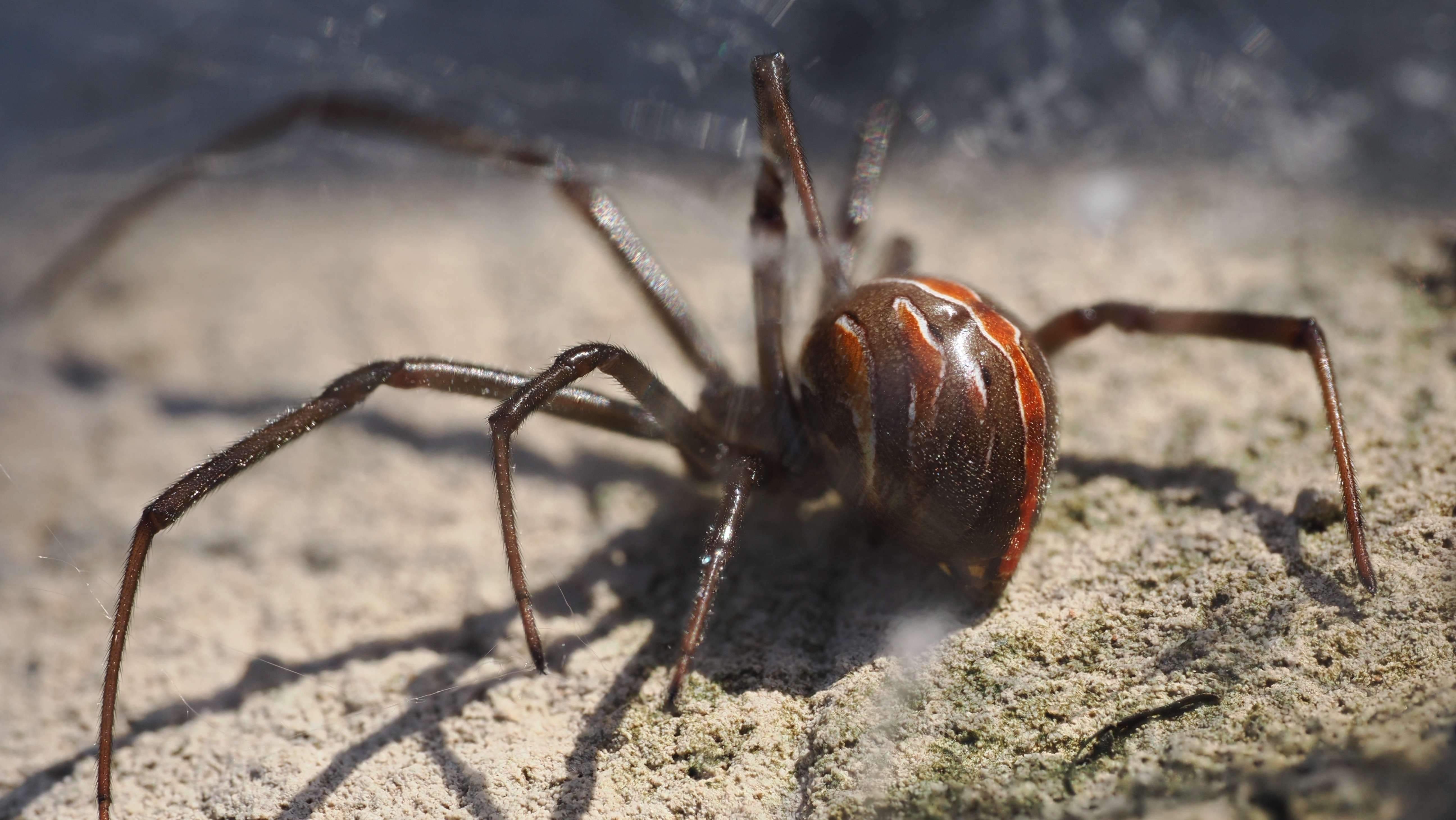
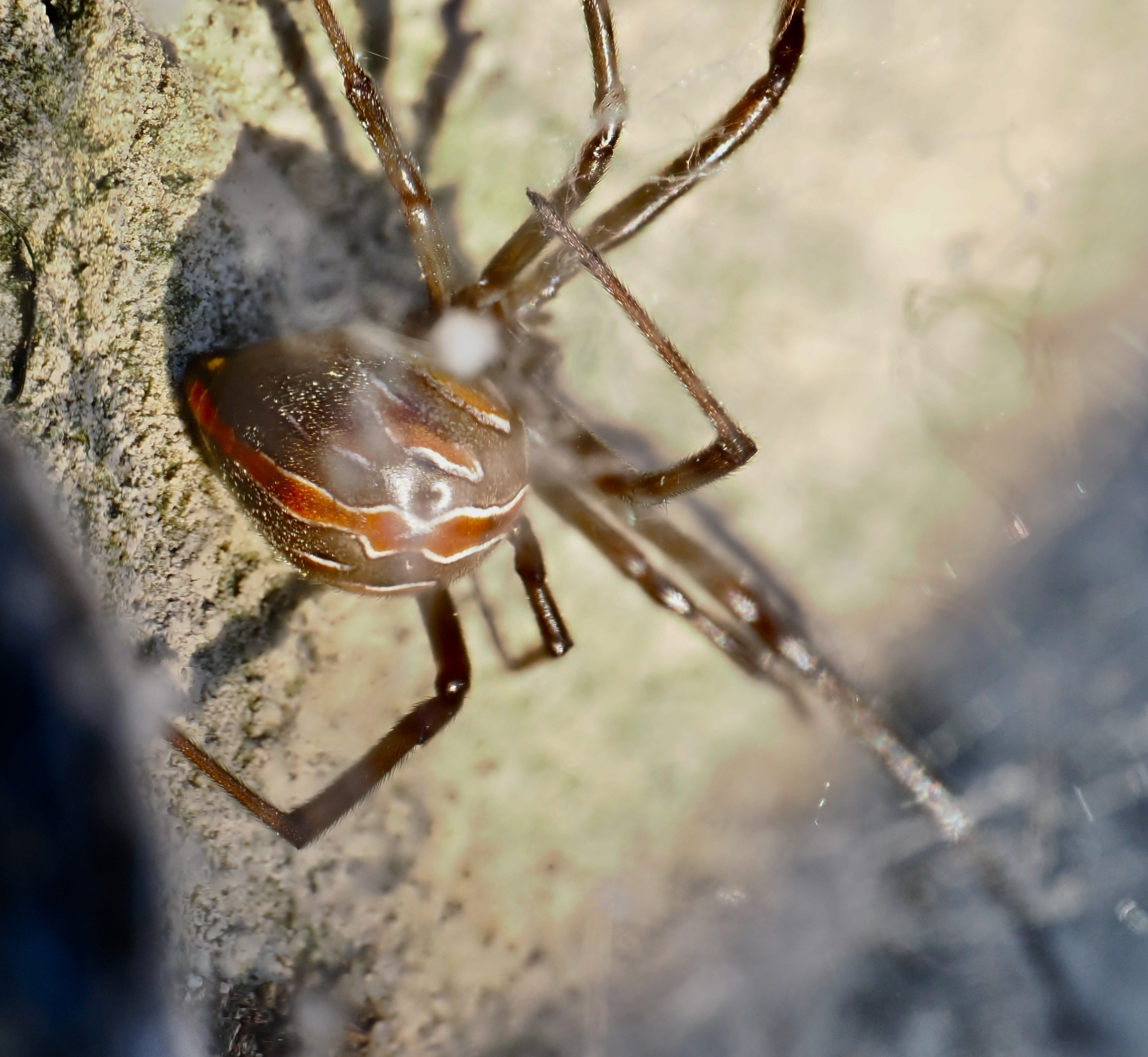
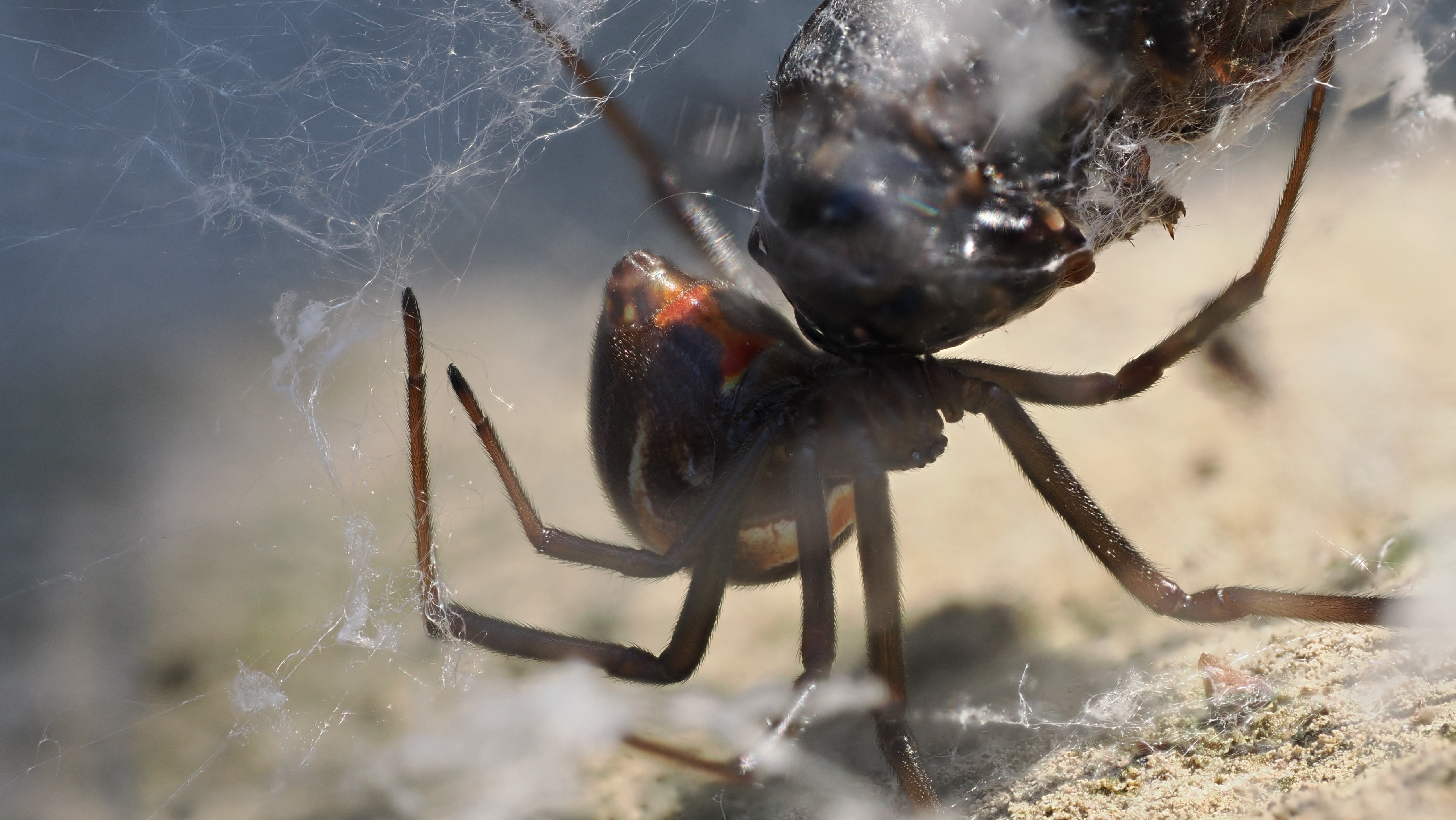
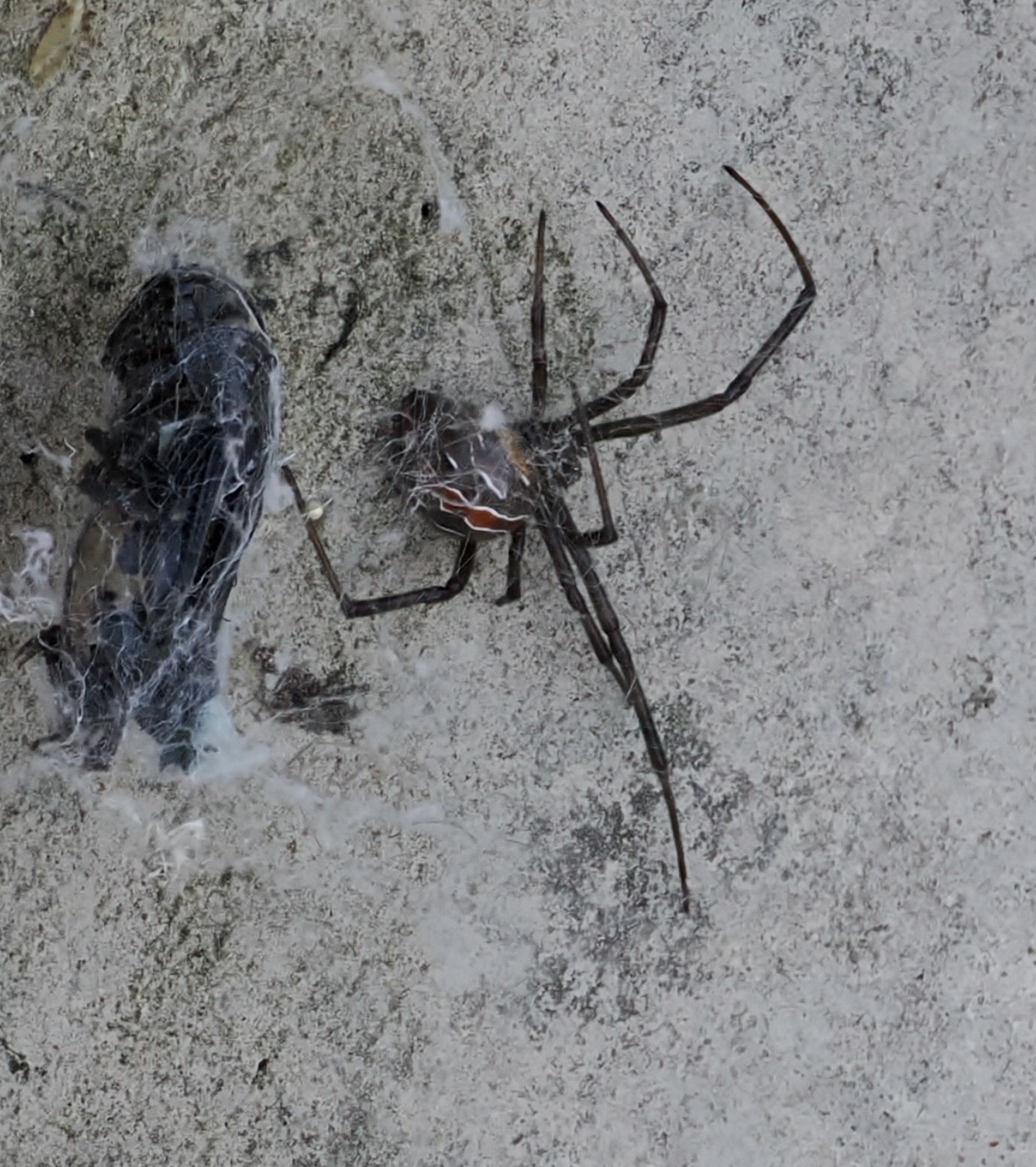
Latrodectus hesperus
Western Black Widow
Hillsboro
June 22, 2026
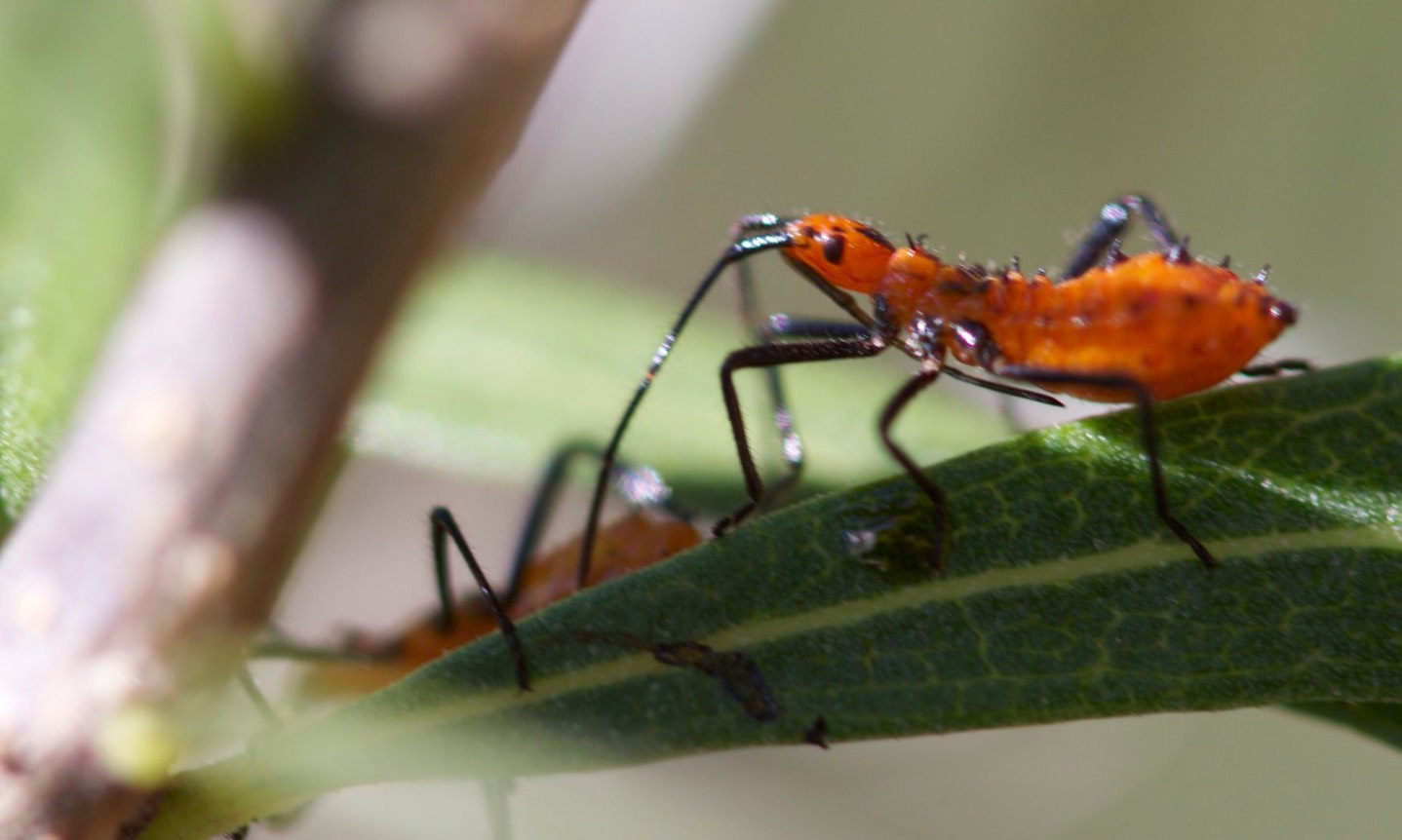
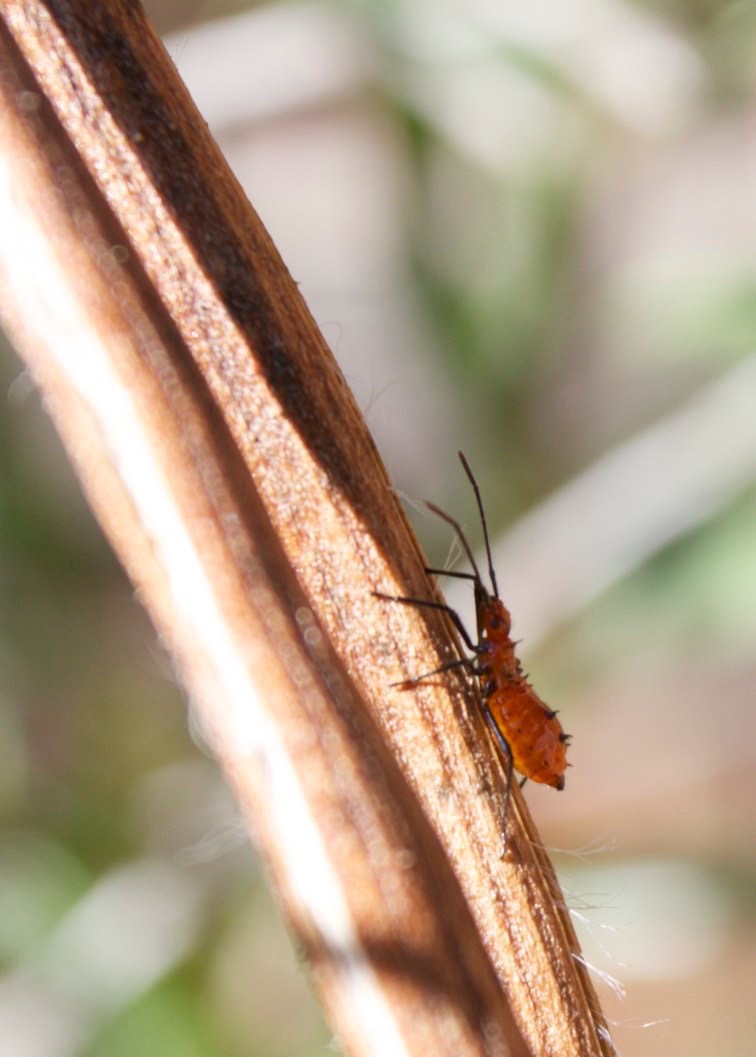
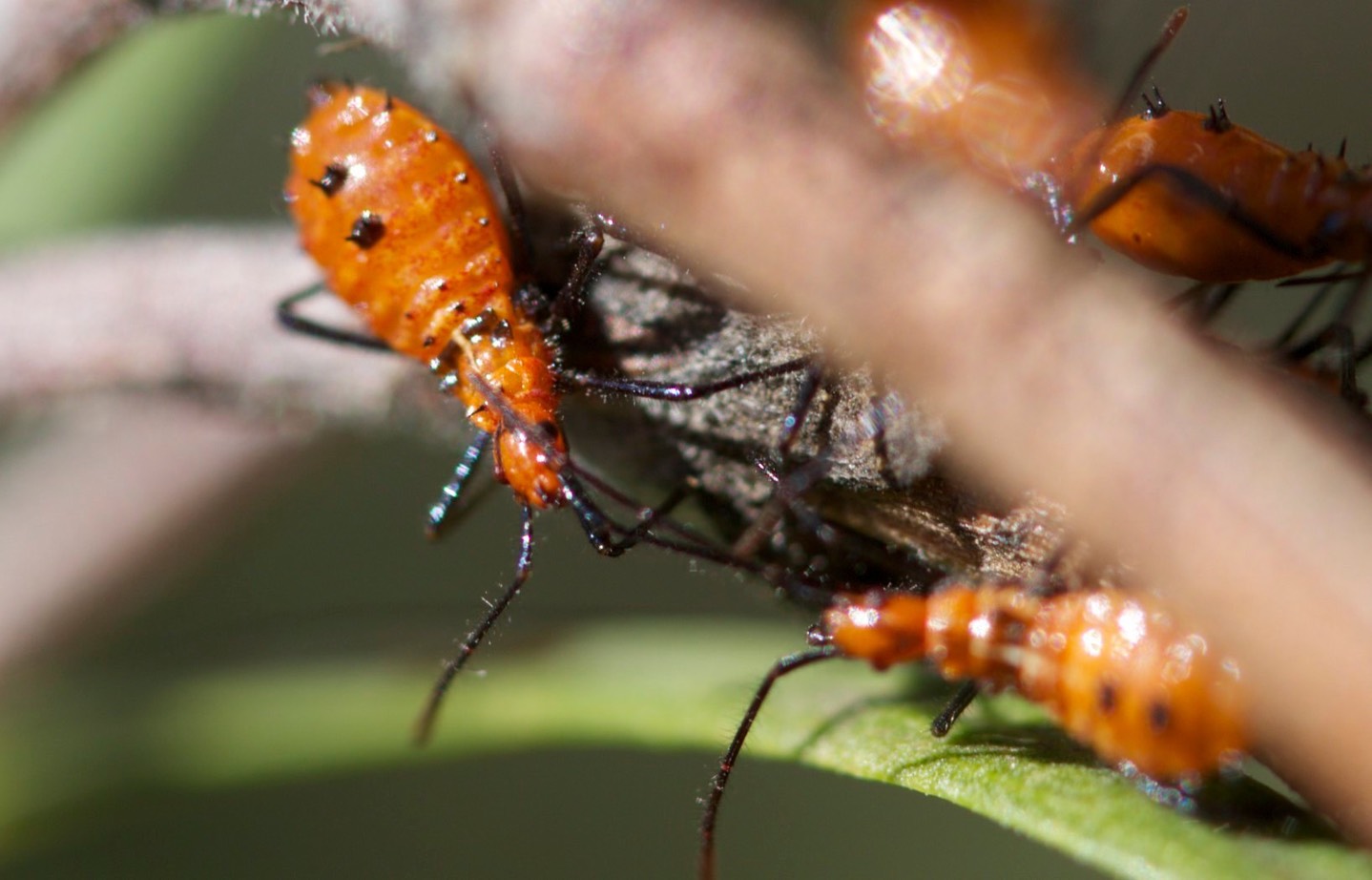
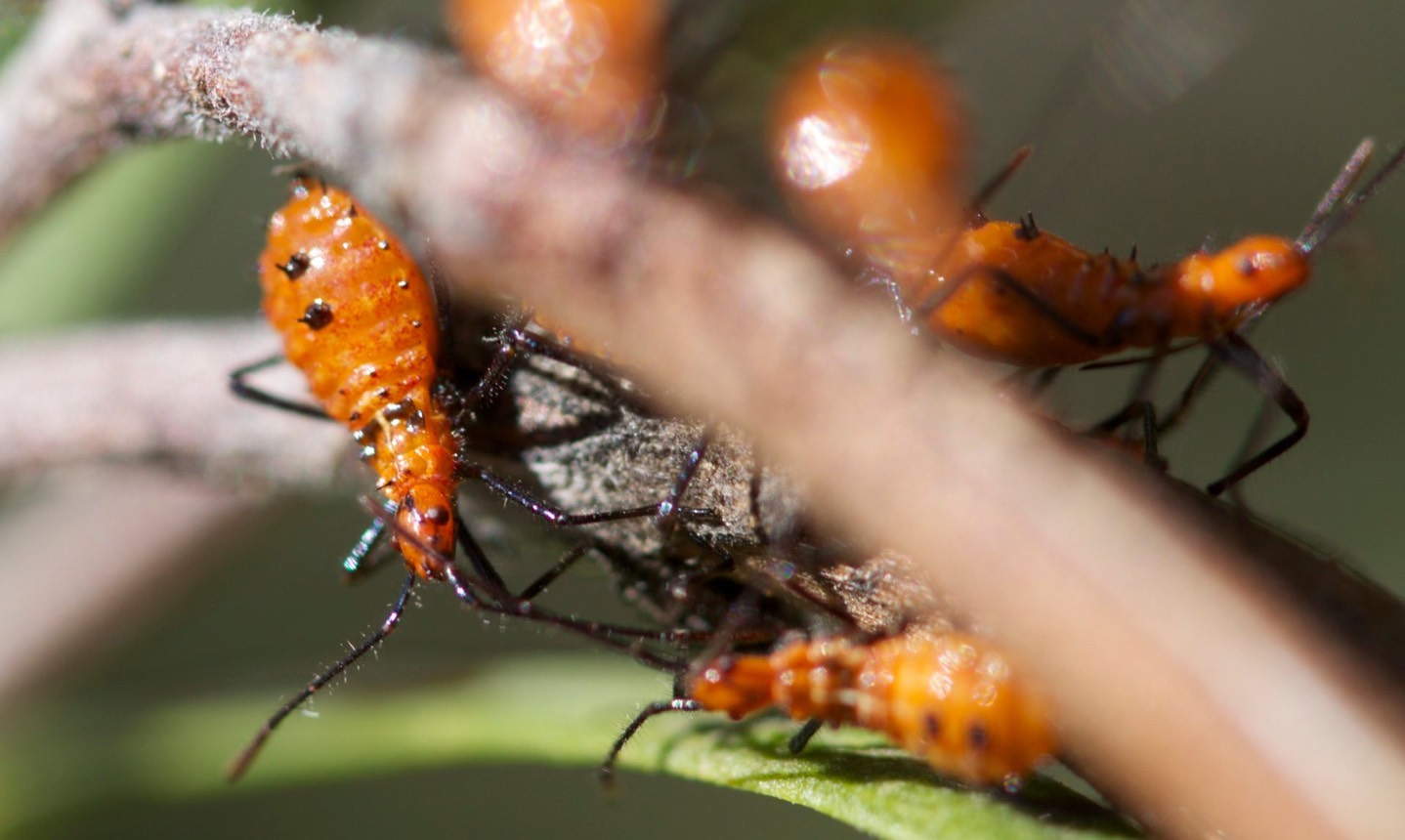
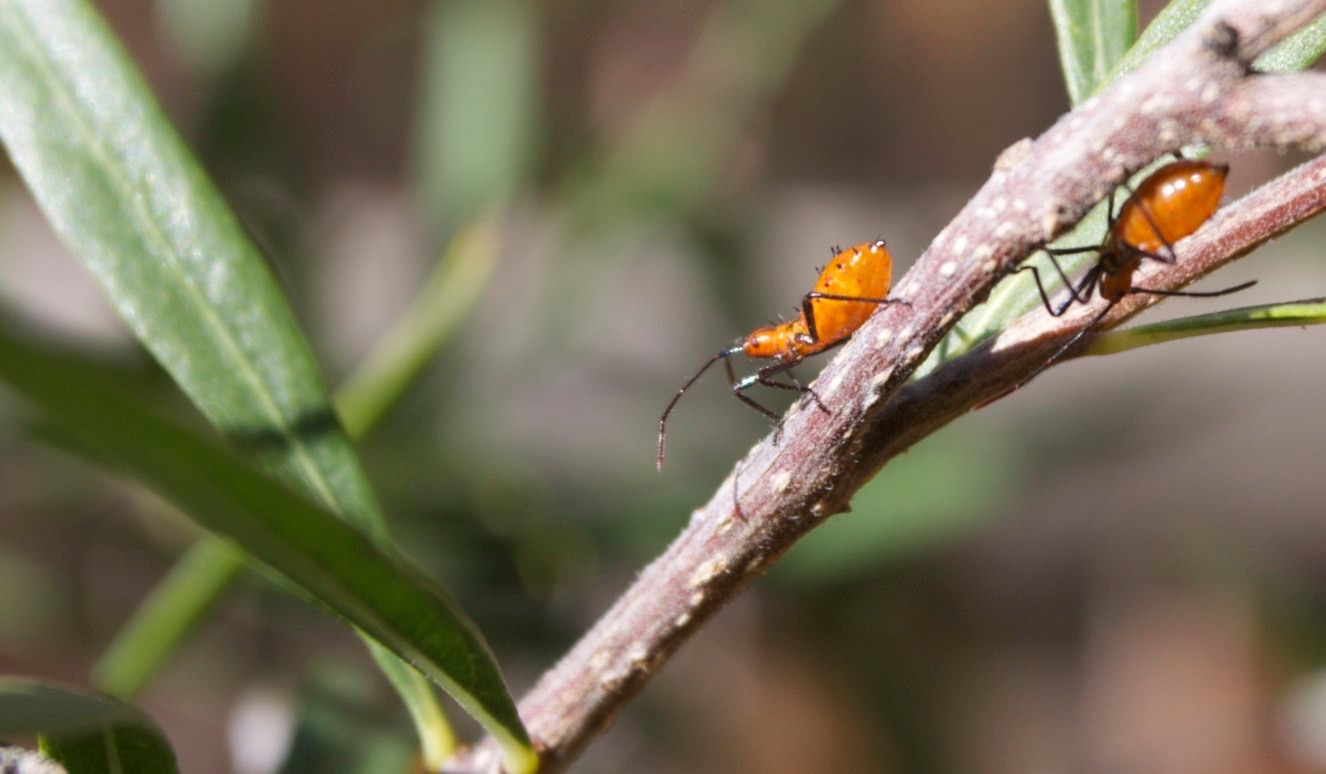
Leptoglossus phyllopus (?)
Leaf-footed Bug
Hillsboro
Lestes alacer
Plateau Spreadwing
Hillsboro
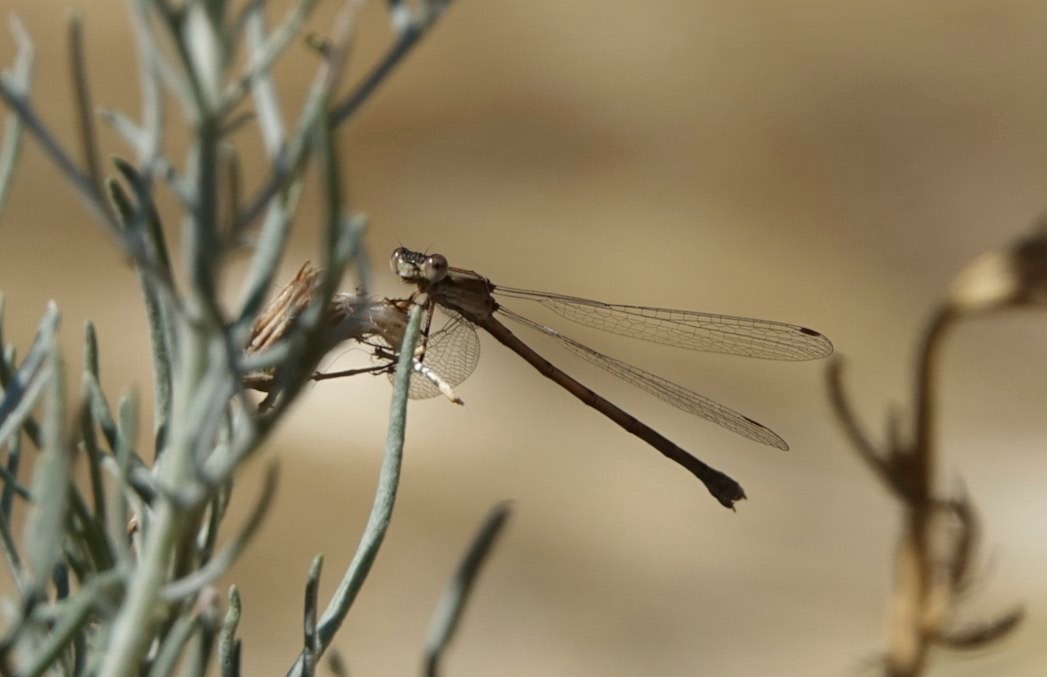
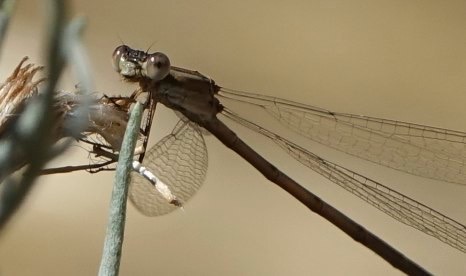
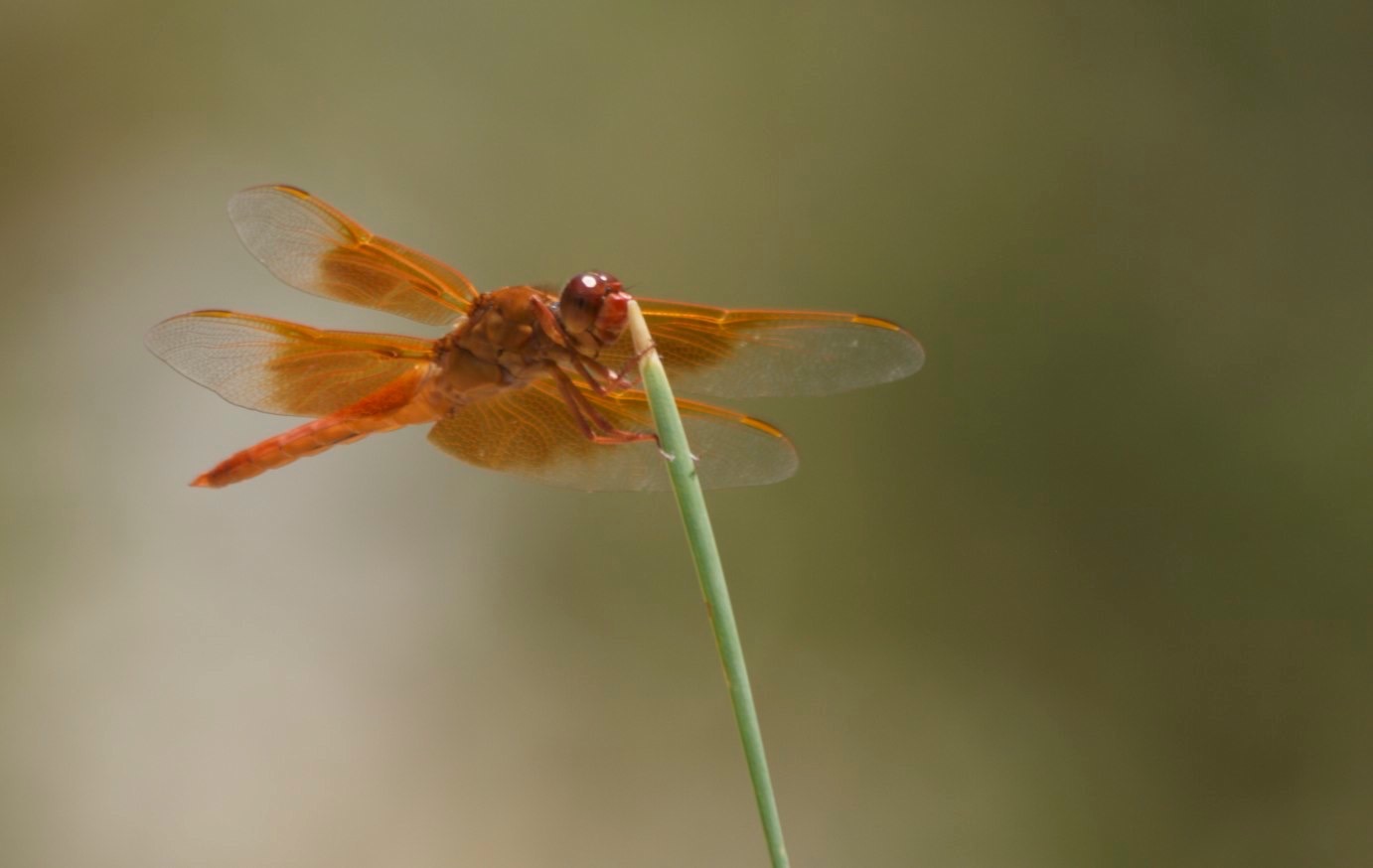
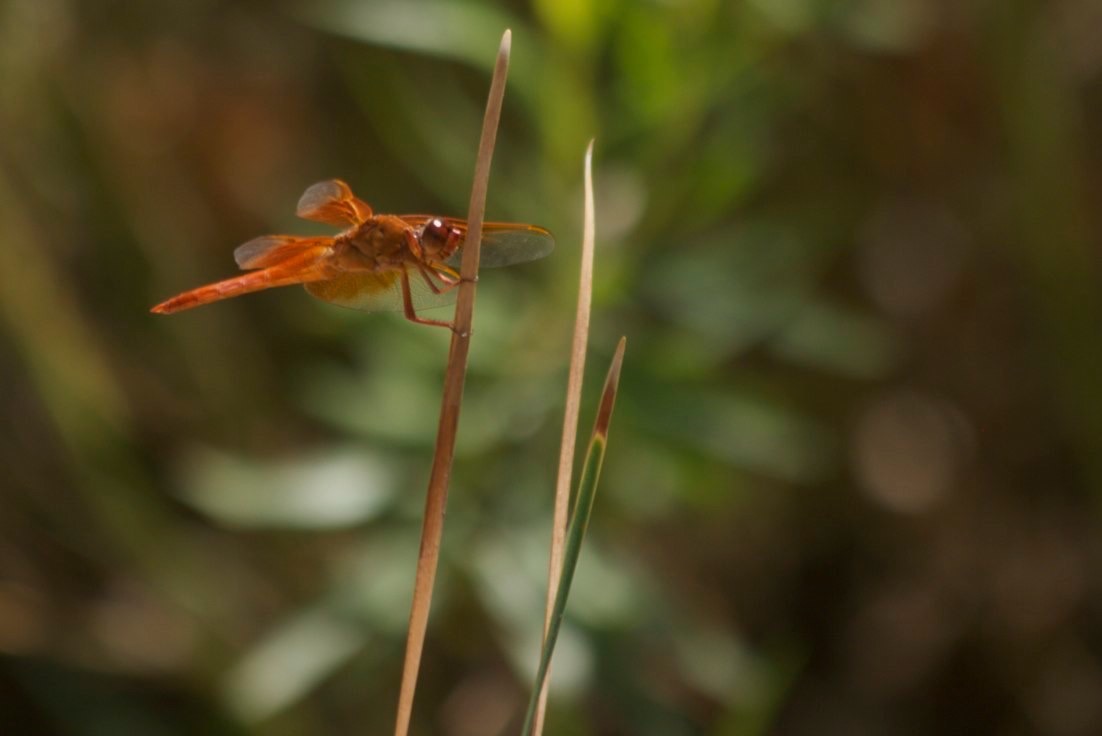
Libellula saturata
Flame Skimmer
Percha Box
East of Hillsboro
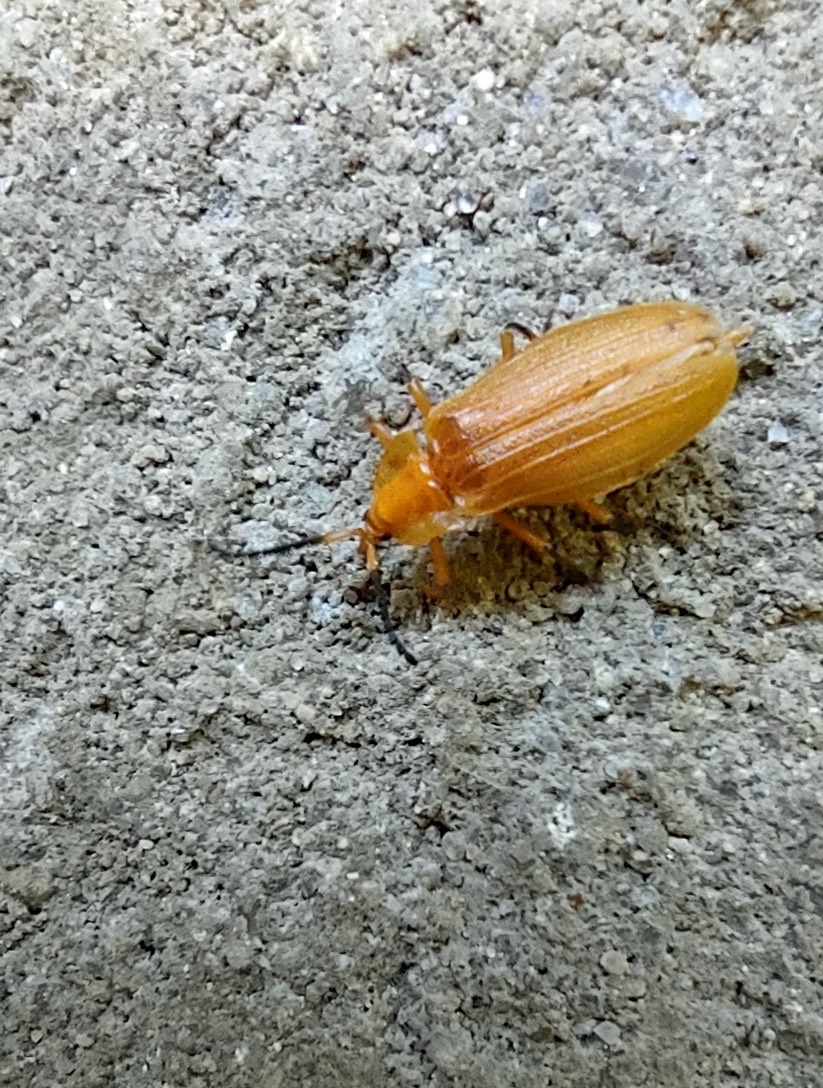
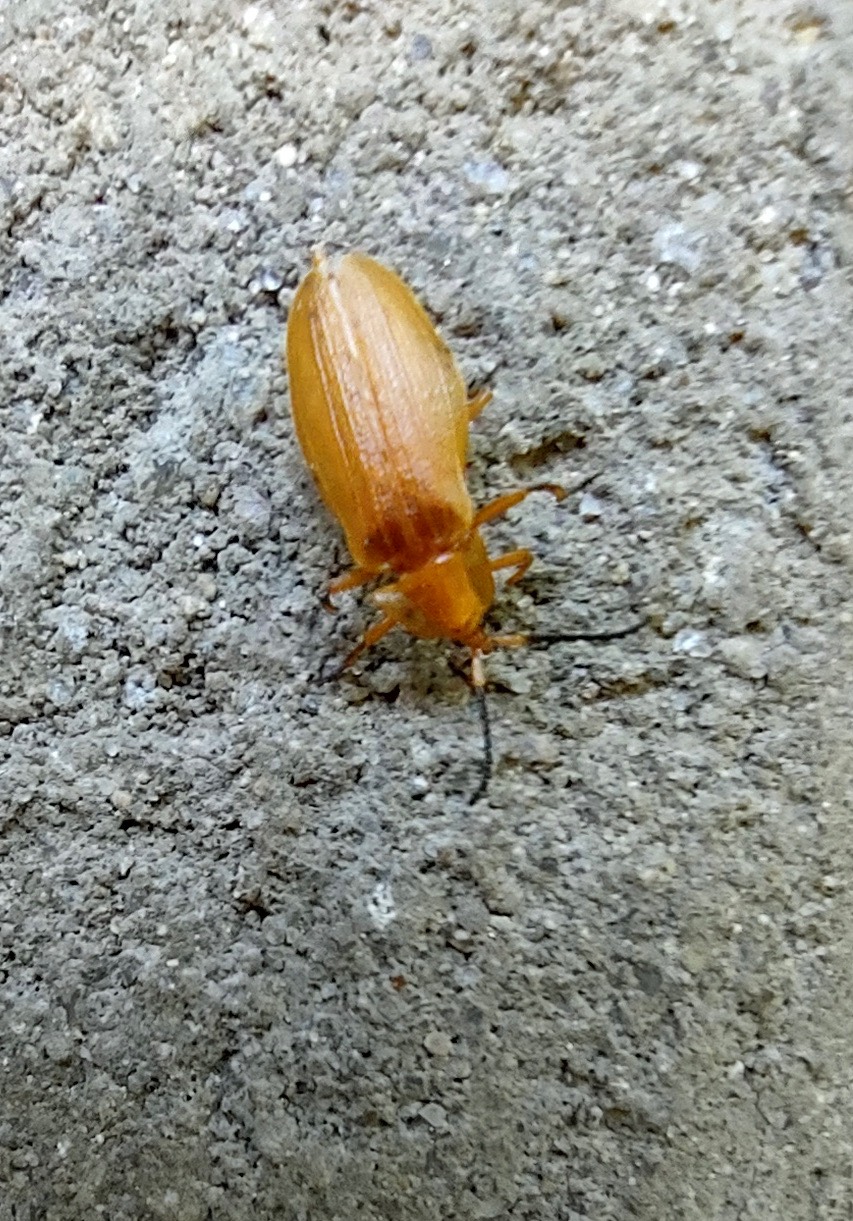
Lycus loripes
Hillsboro
July
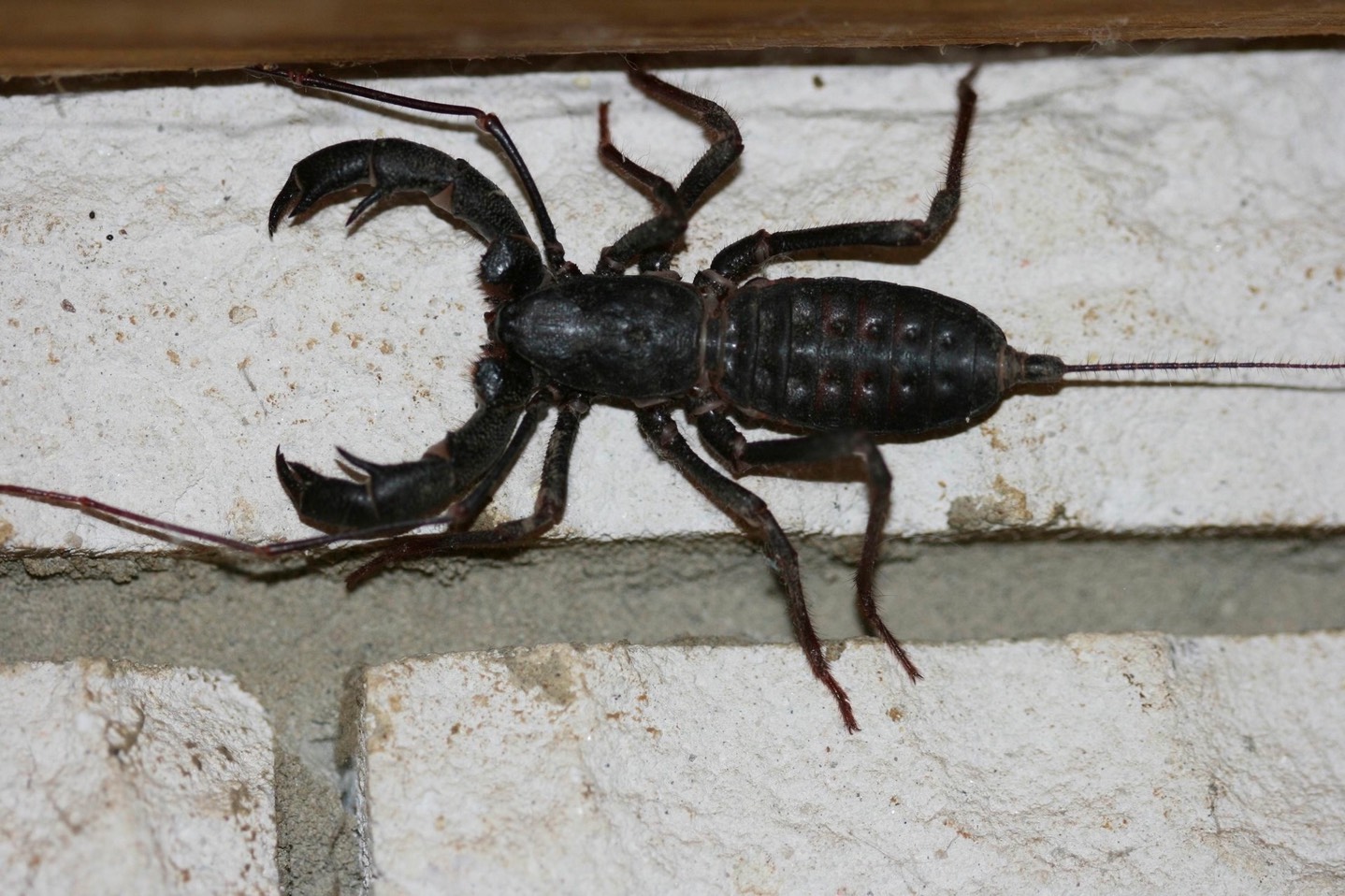
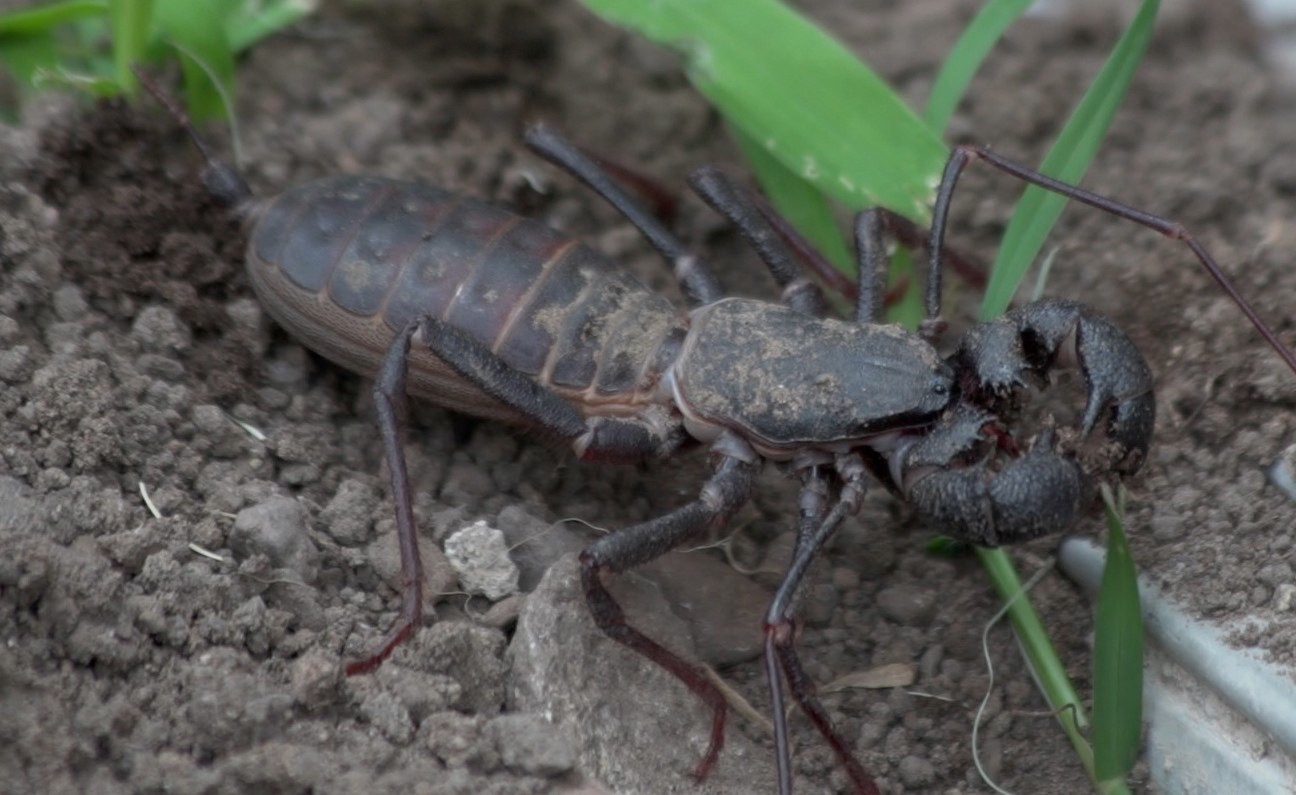
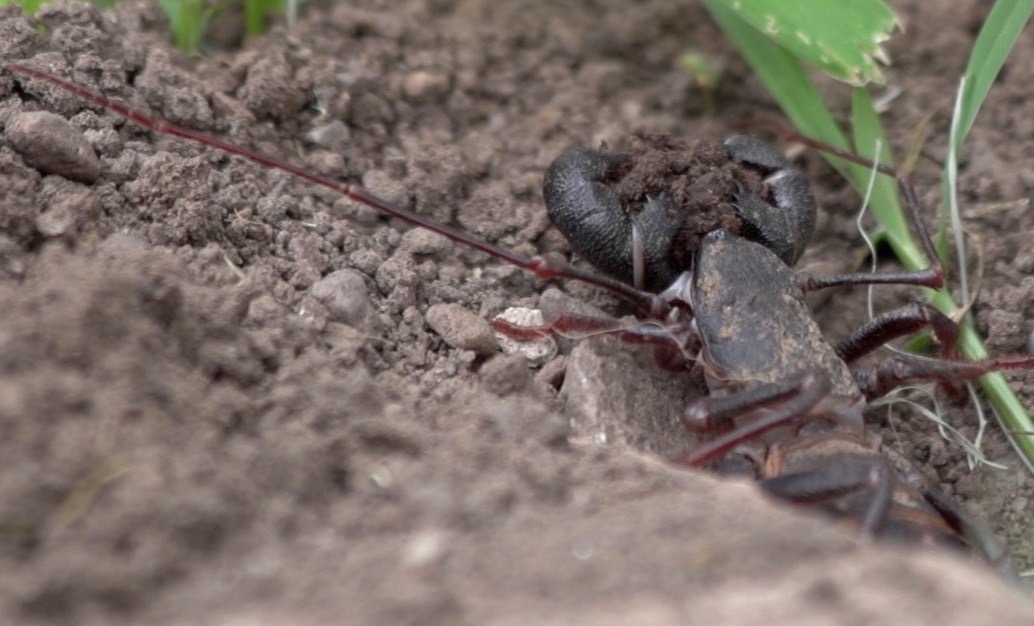
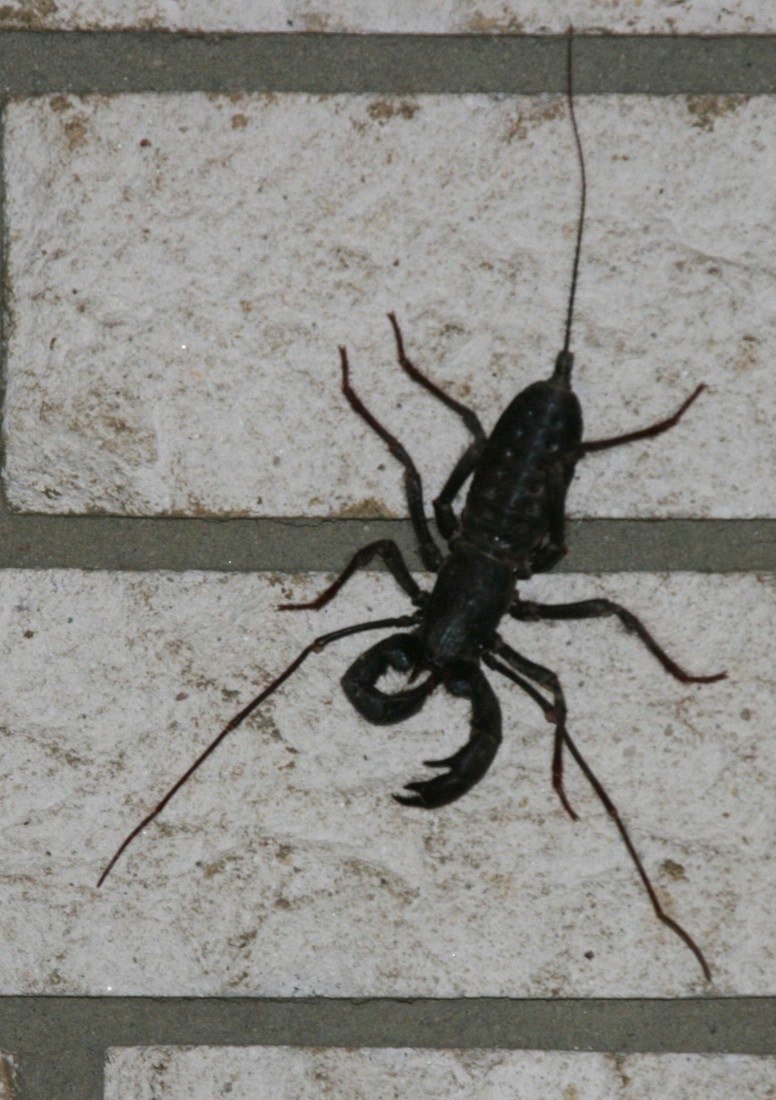
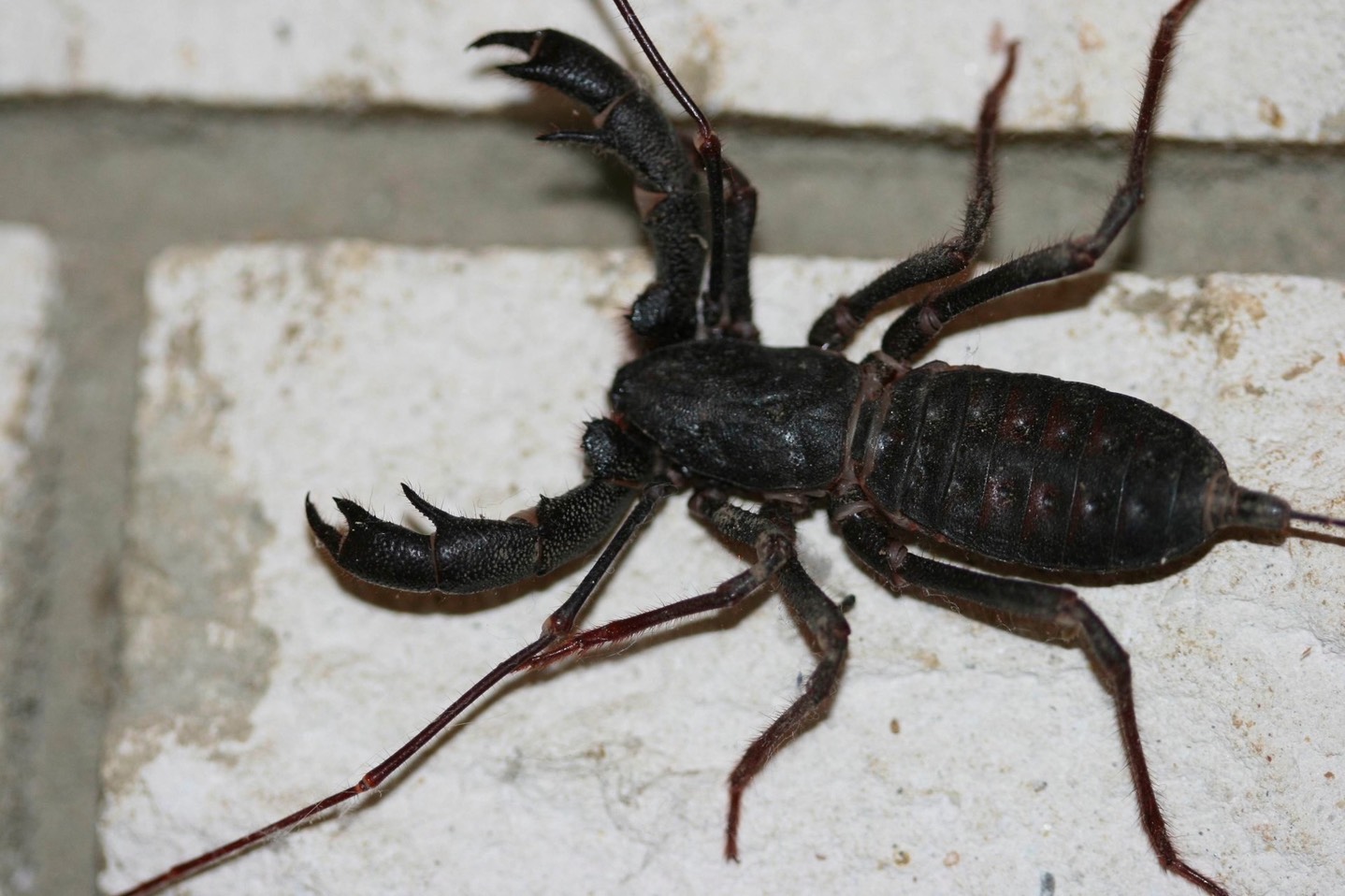
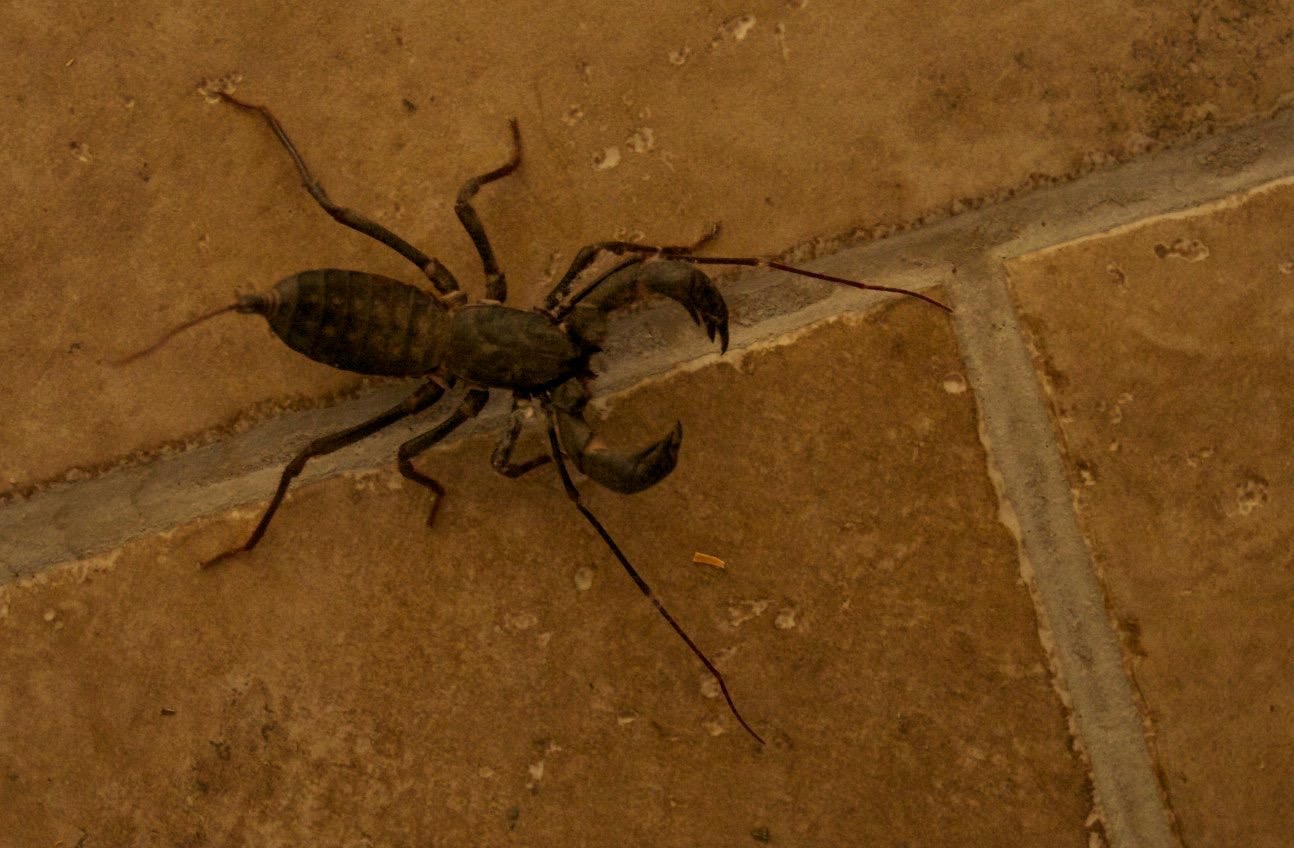
Mastigoproctus giganteus giganteus
Giant Vinegarroon
Hillsboro
Mecaphesa californica (?)
Crab Spider
Railroad Canyon
June
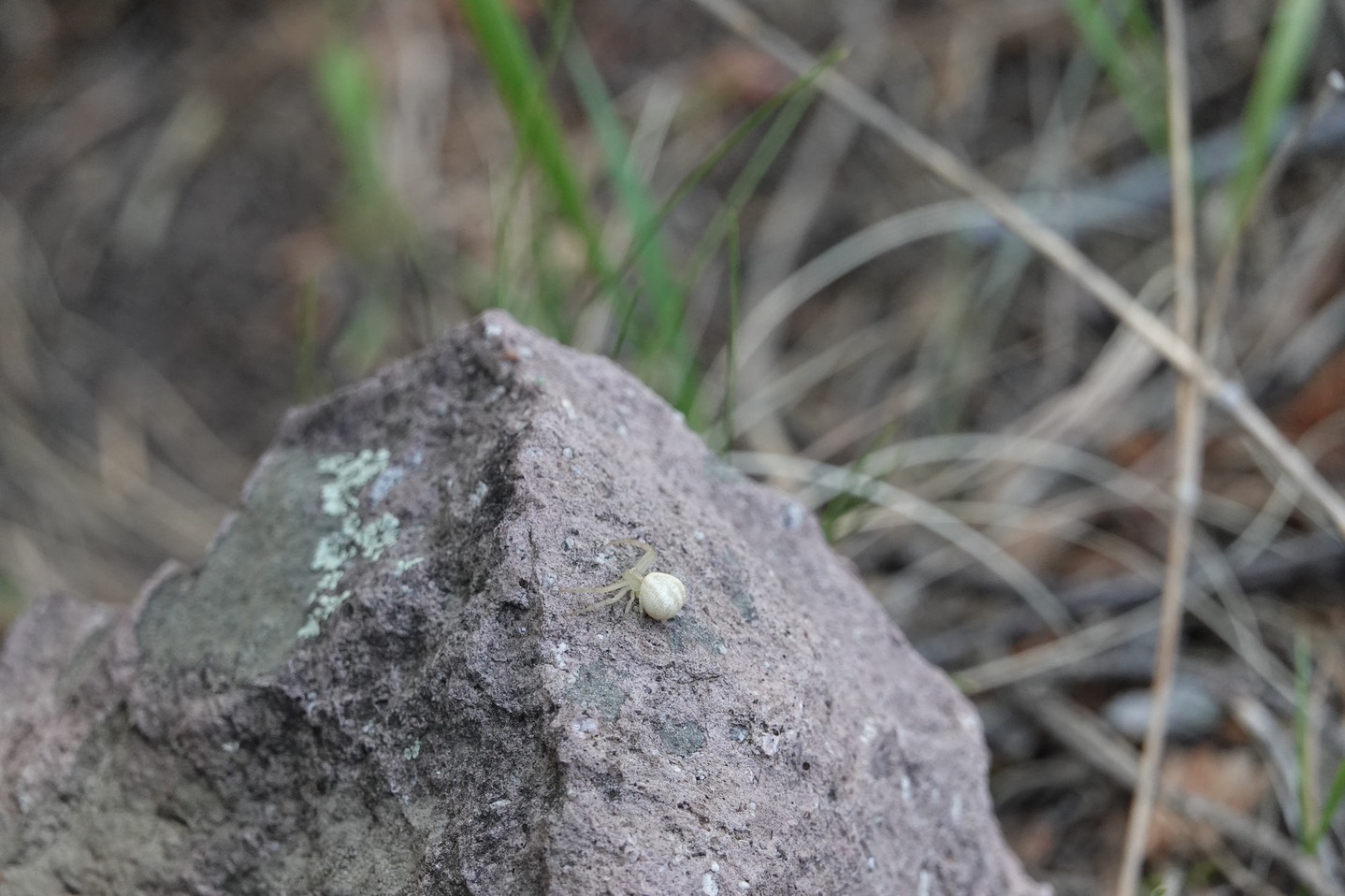
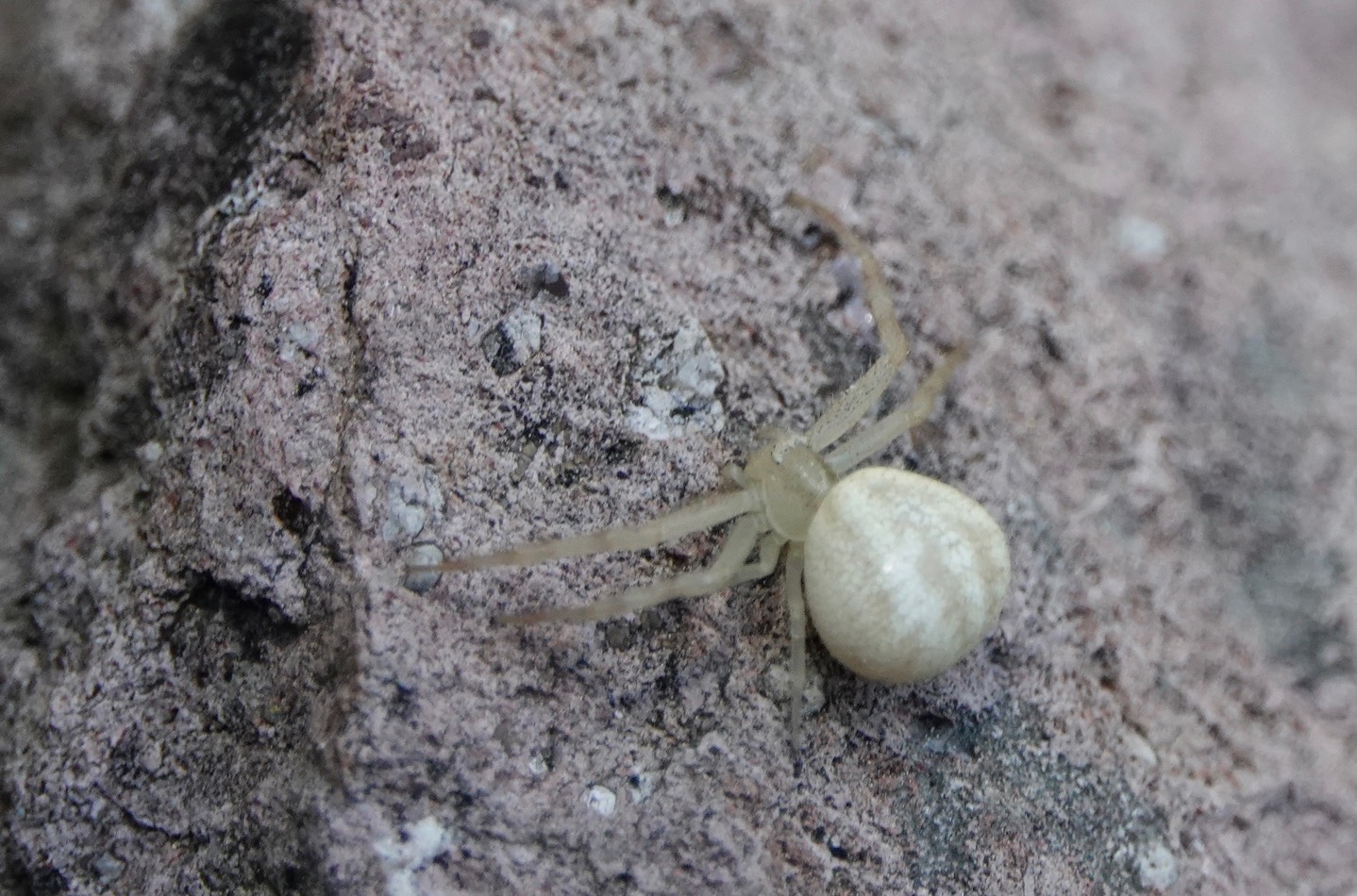
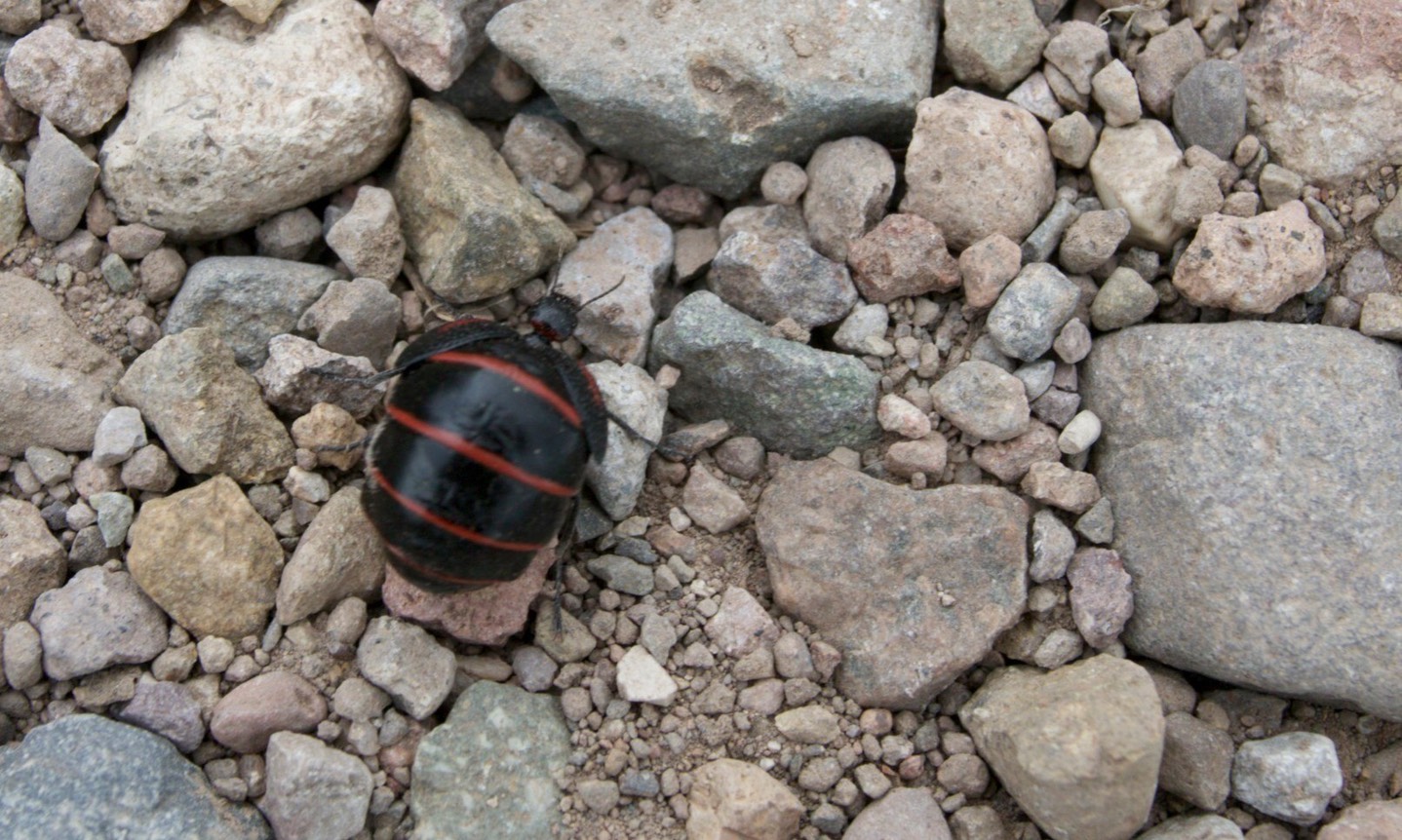
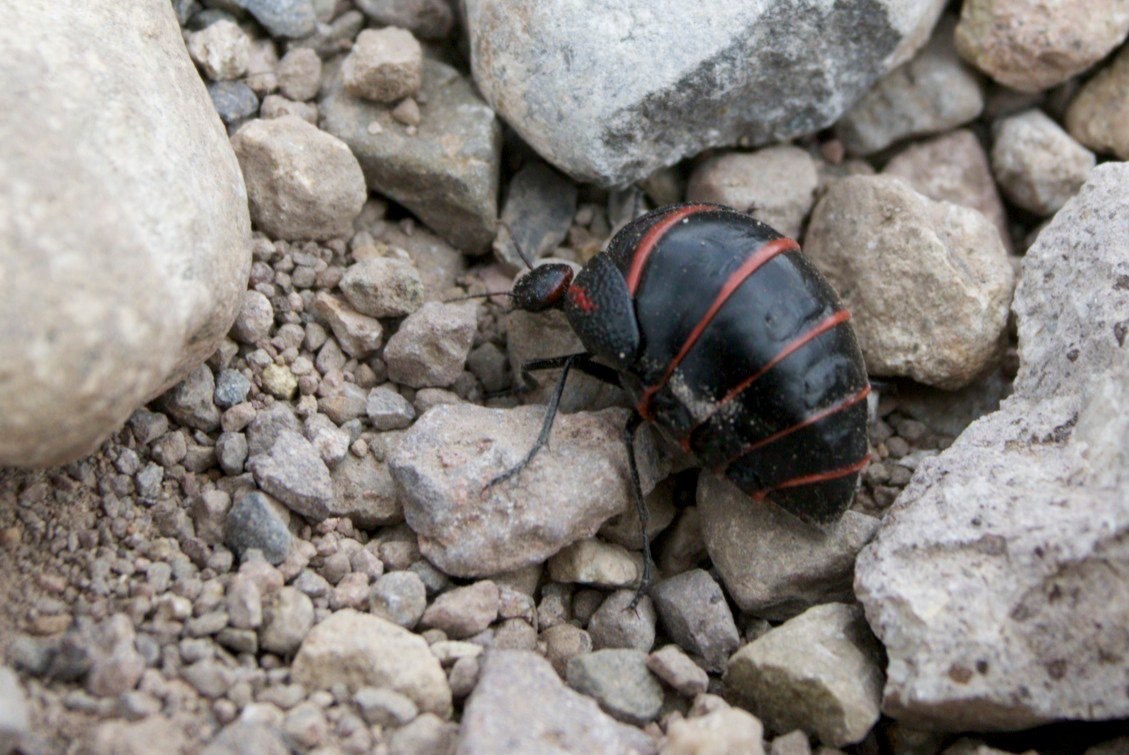
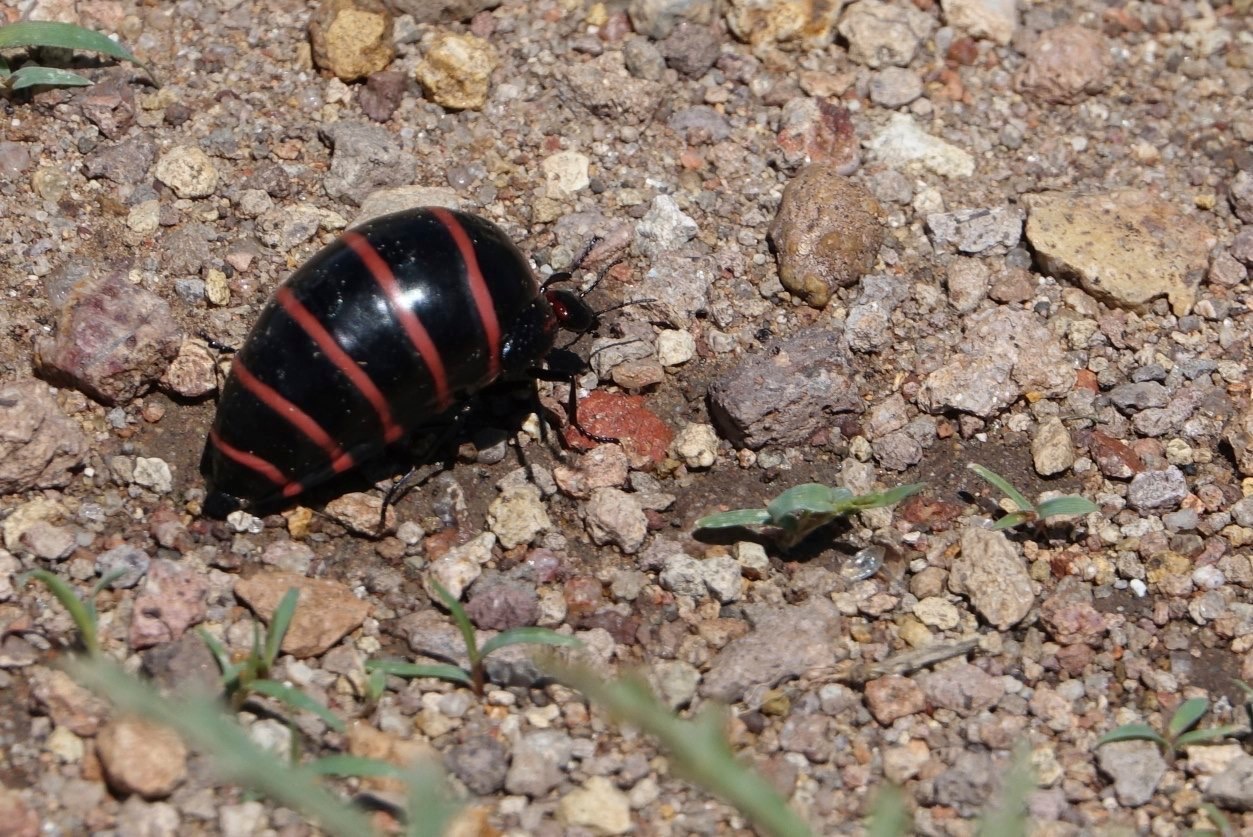
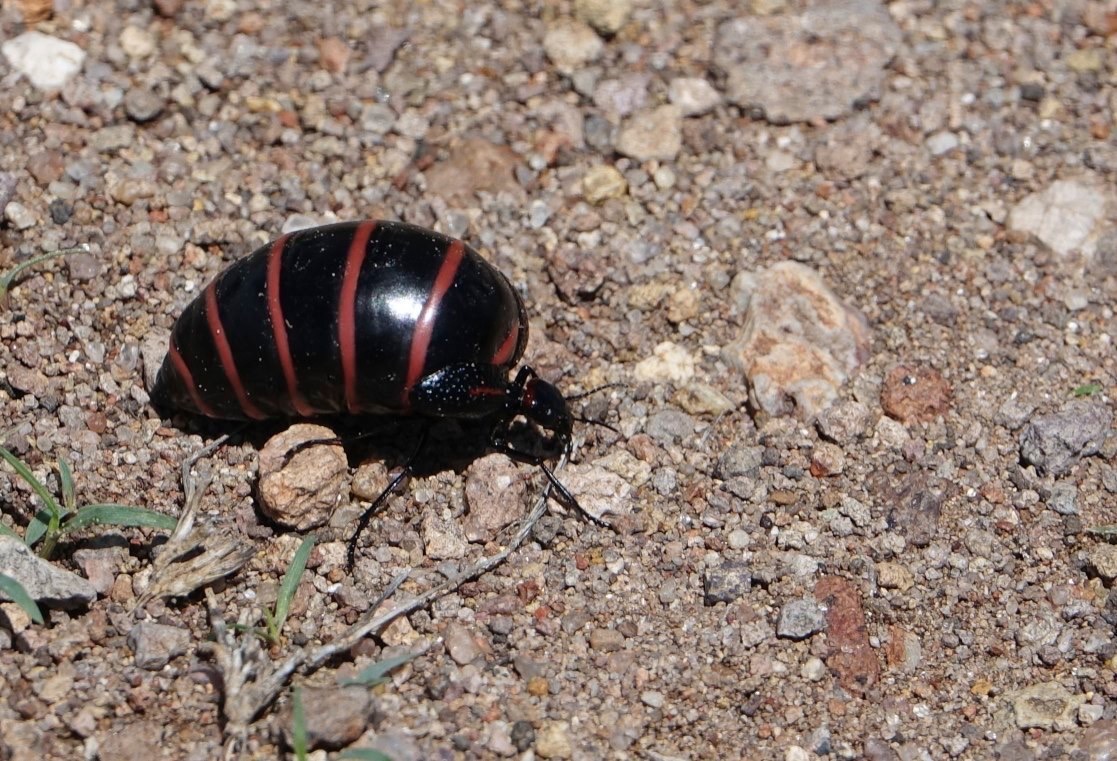
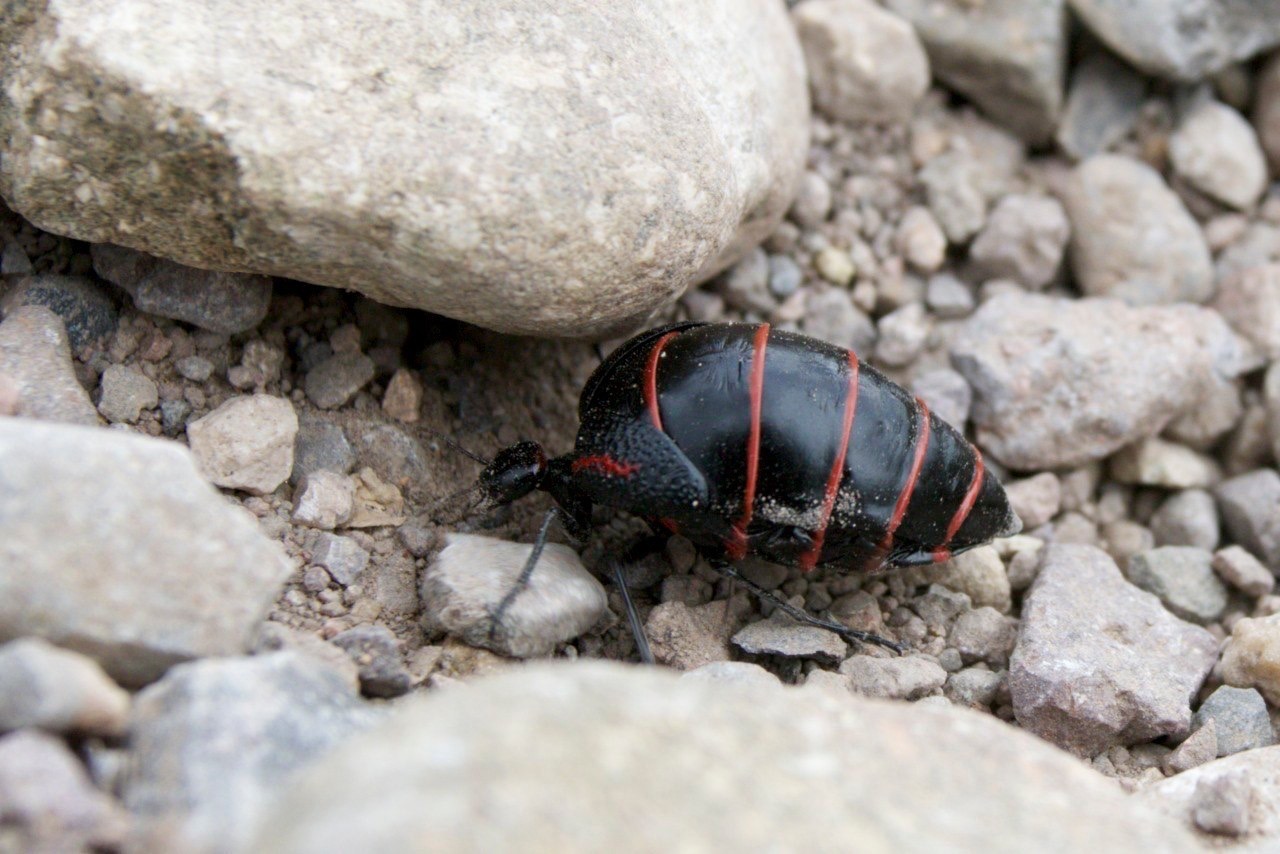
Megetra punctata
Blister Beetle
Hillsboro
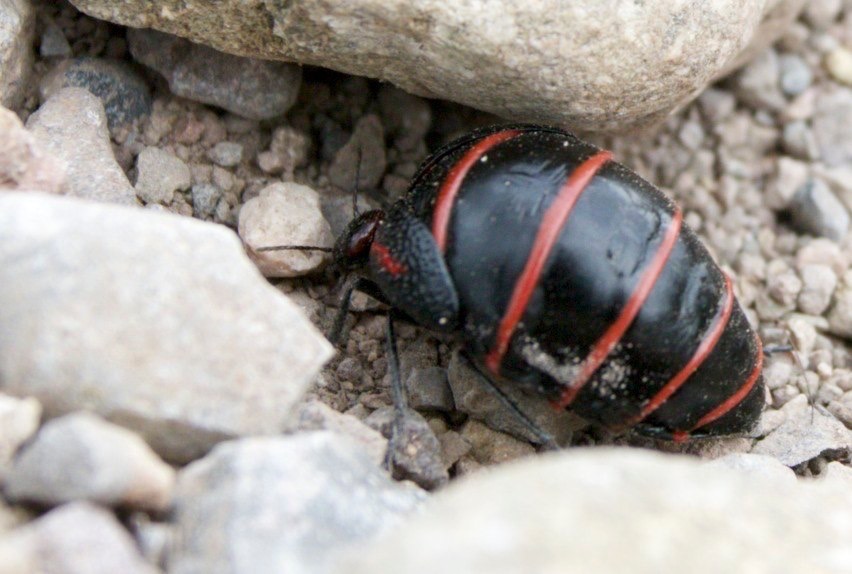
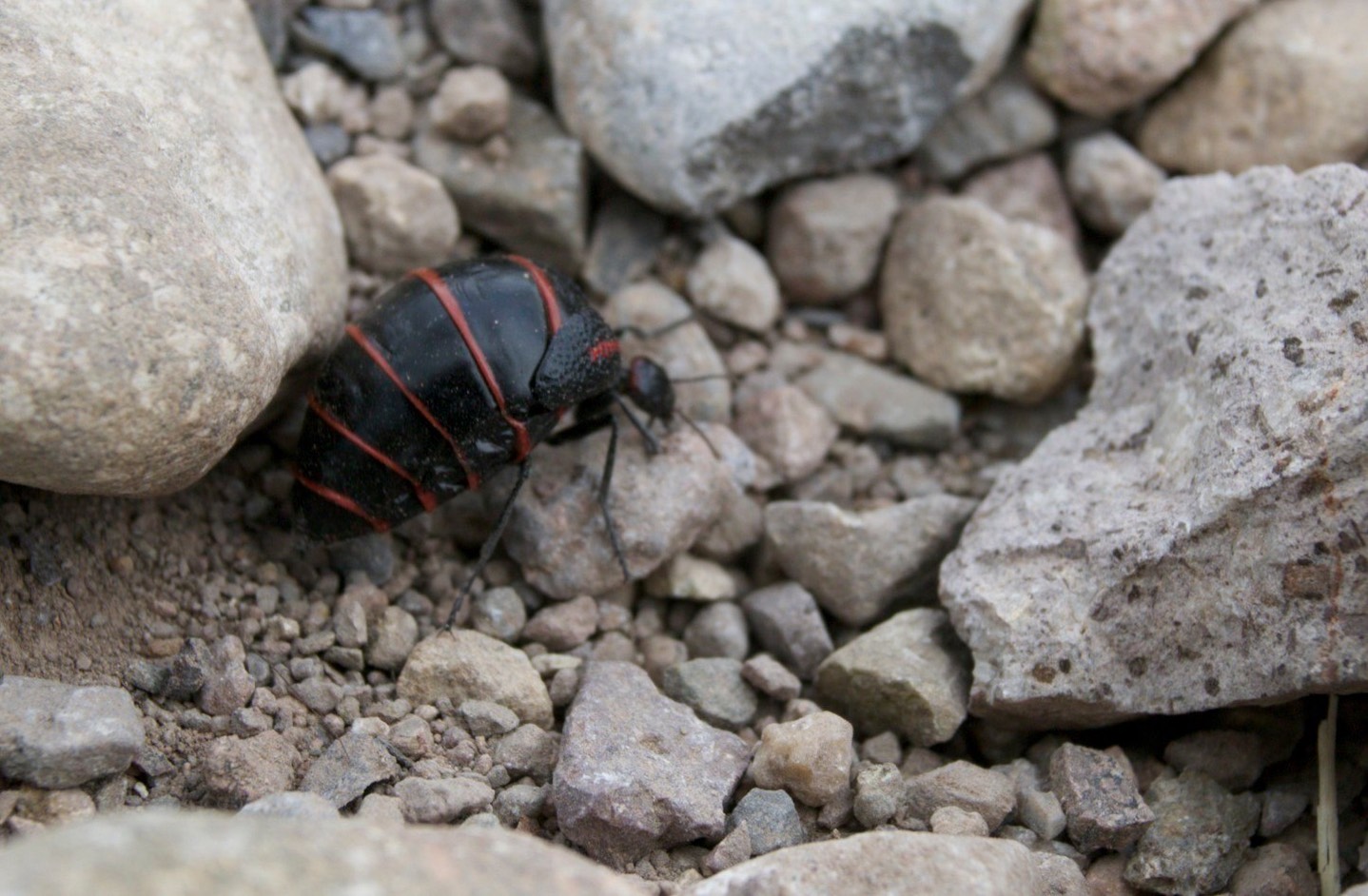
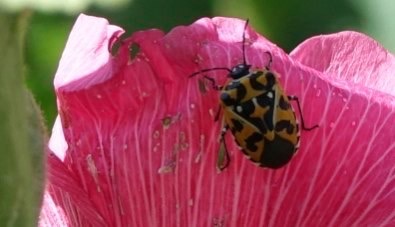
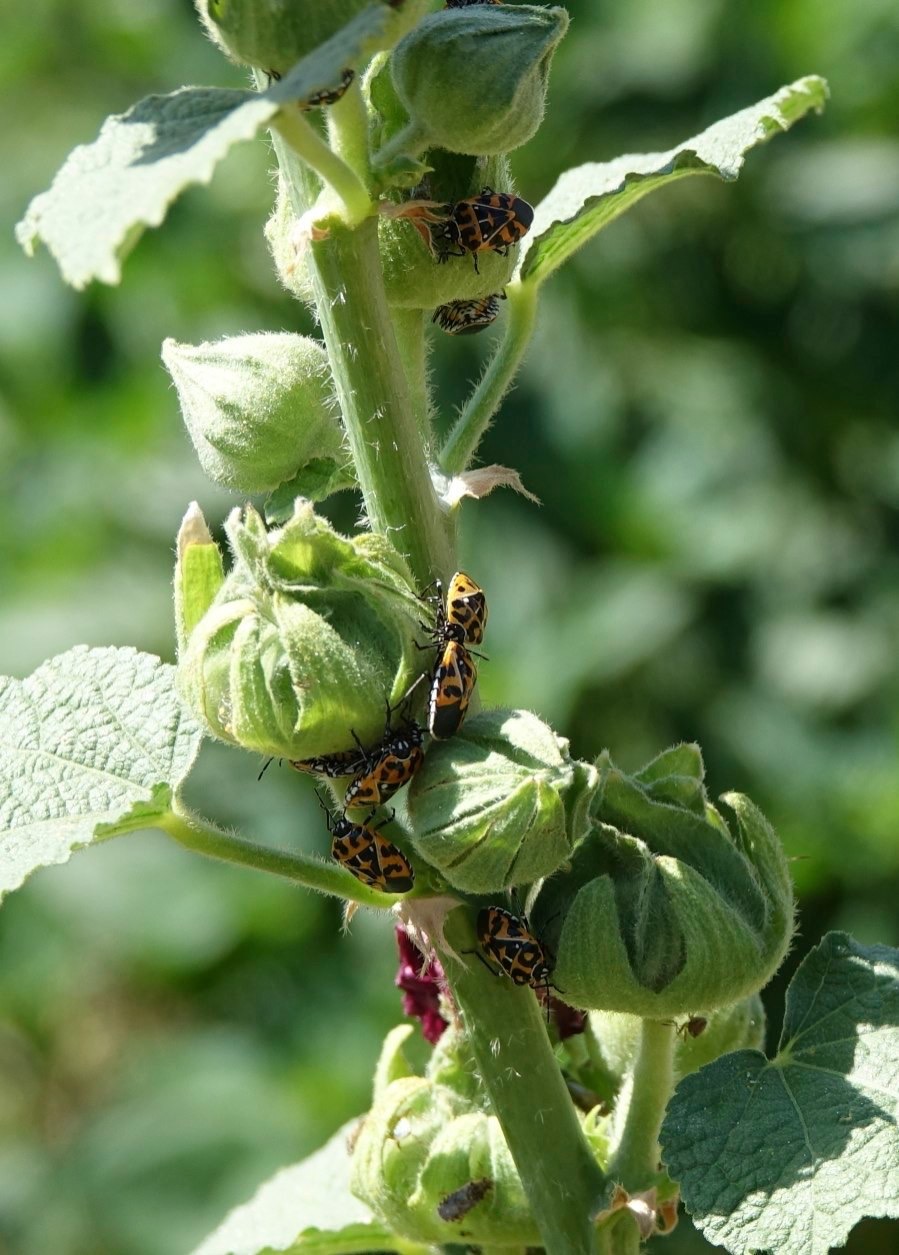
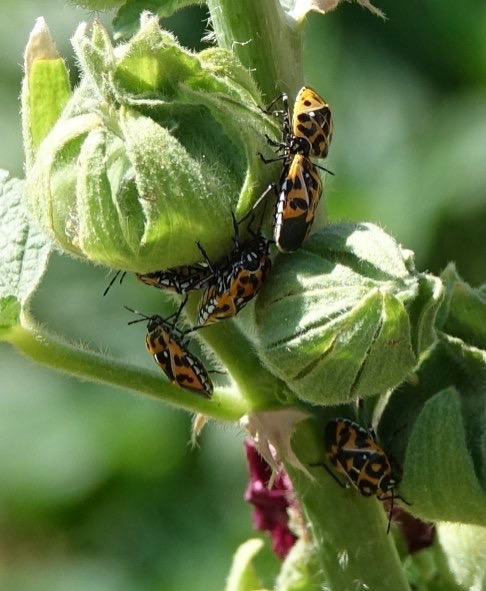
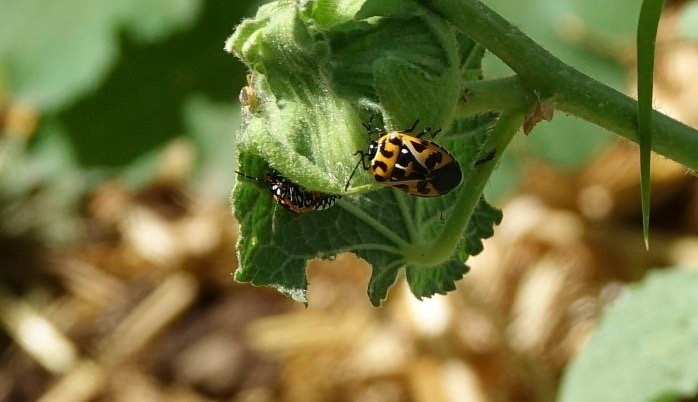
Murgantia histrionica
Harlequin Bug
Hillsboro
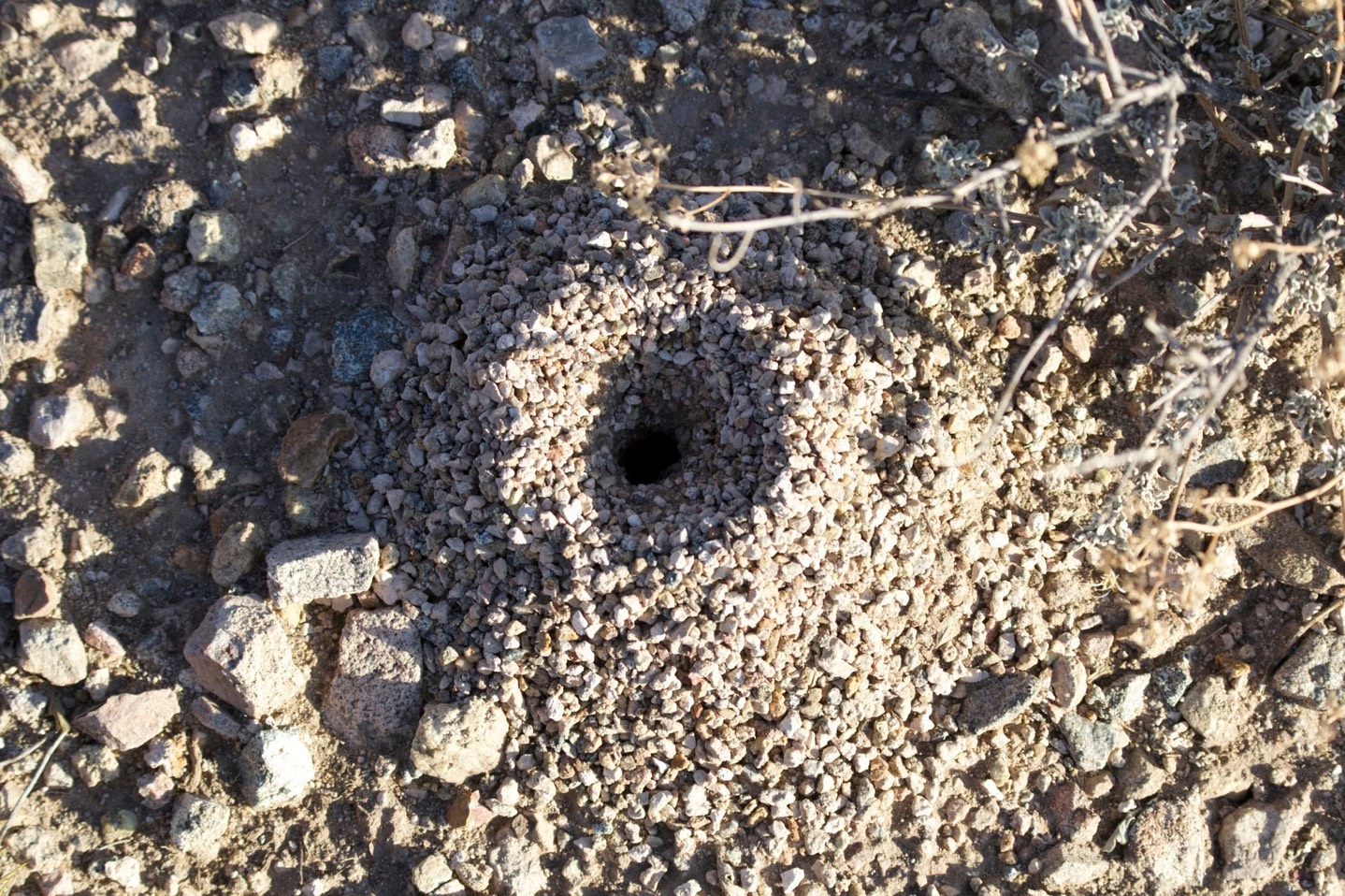
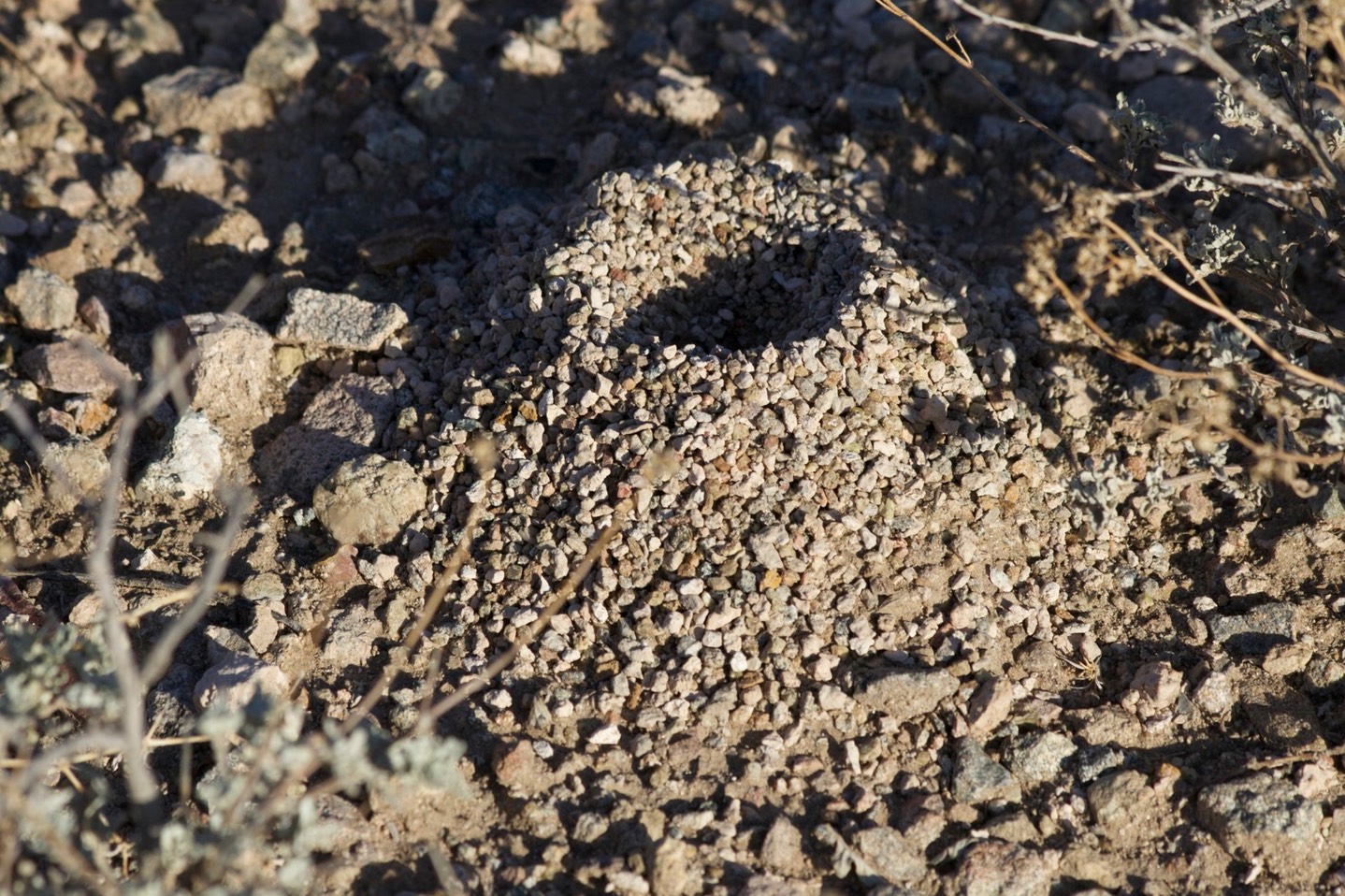
Myrmecocystus mexicanus
Honeypot Ant
Colony Entrance
East of Hillsboro
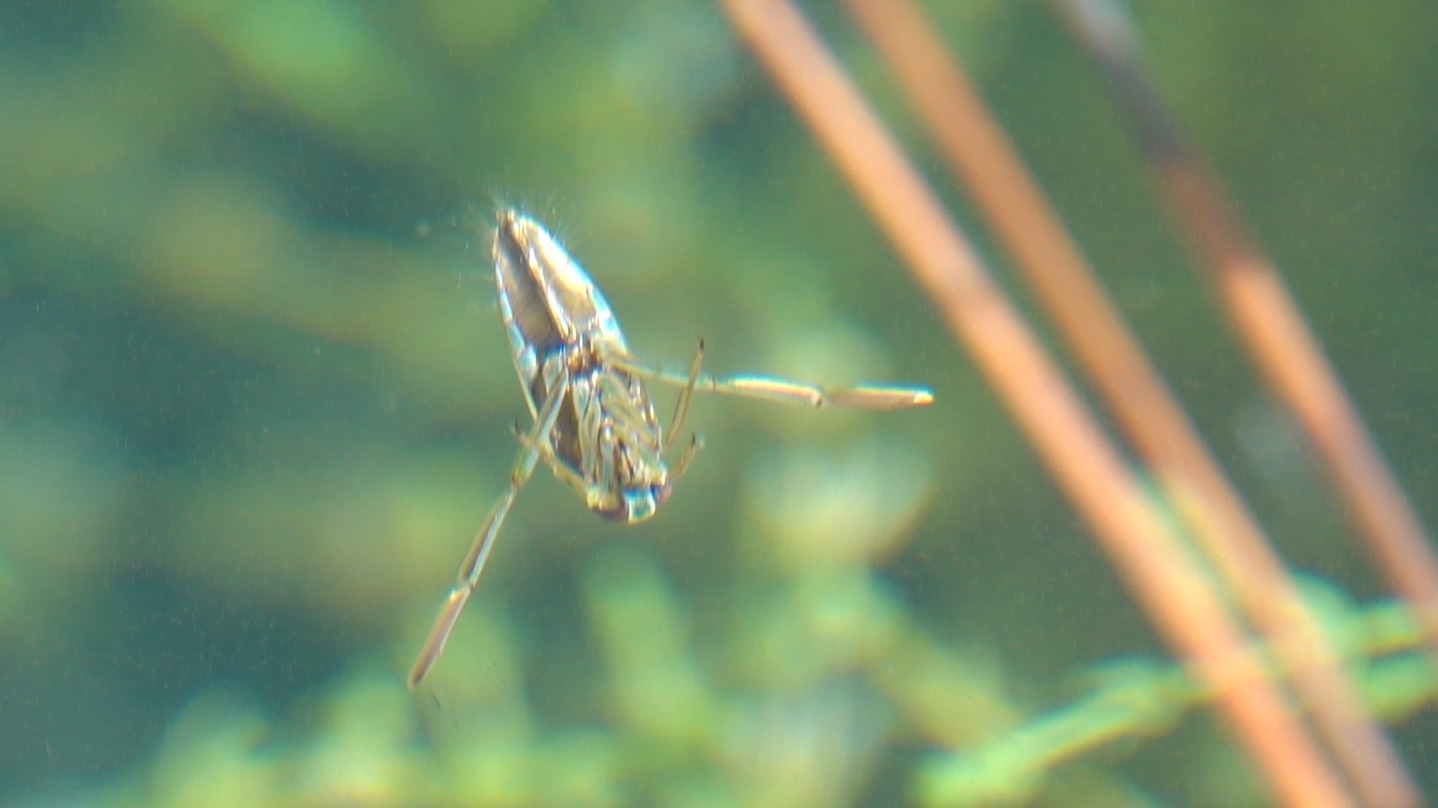
Notonectidae (Family)
Backswimmer
Video link
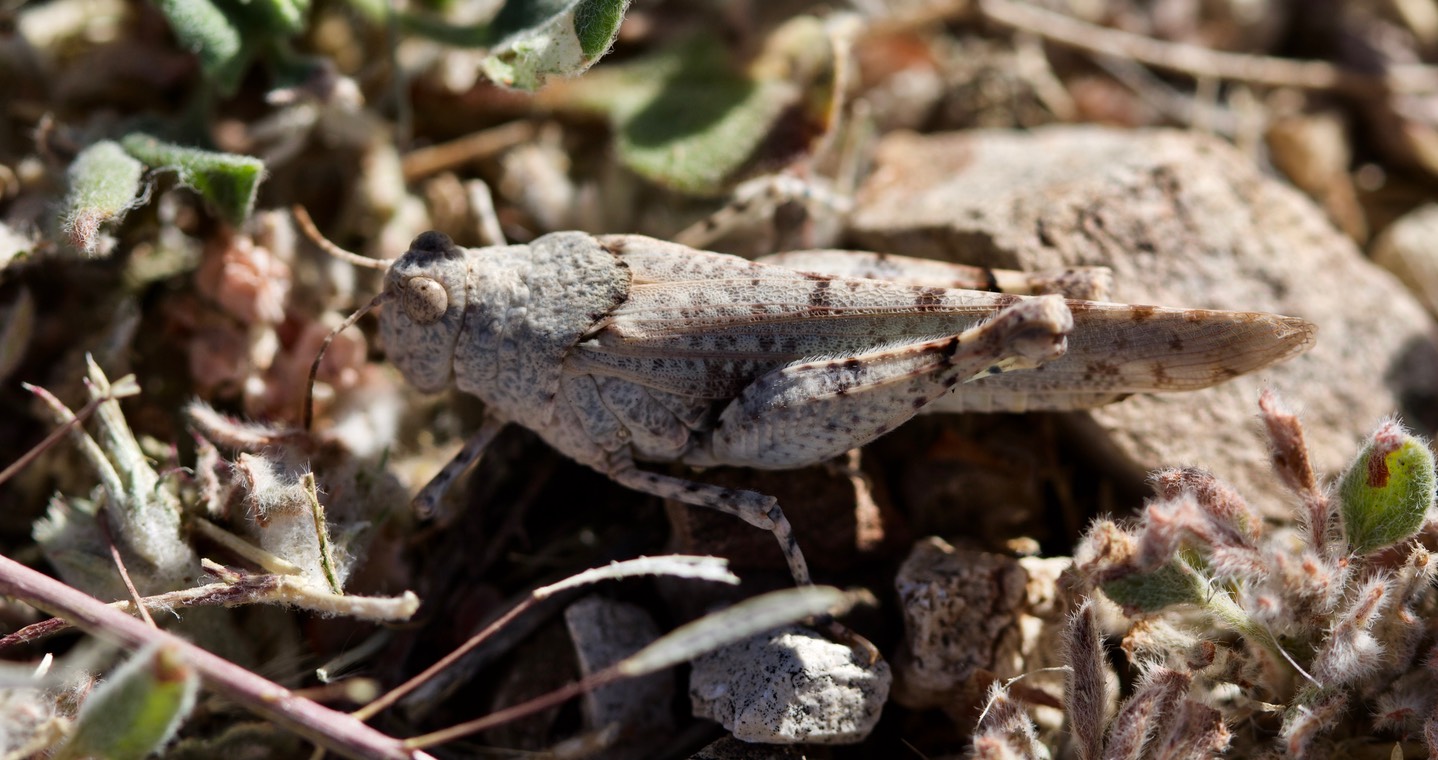
Oepidodinae (Sub-family )
Band-winged Grasshopper
Possibly Lactisa azteca
Aztec Grasshopper
City of Rocks State Park
May
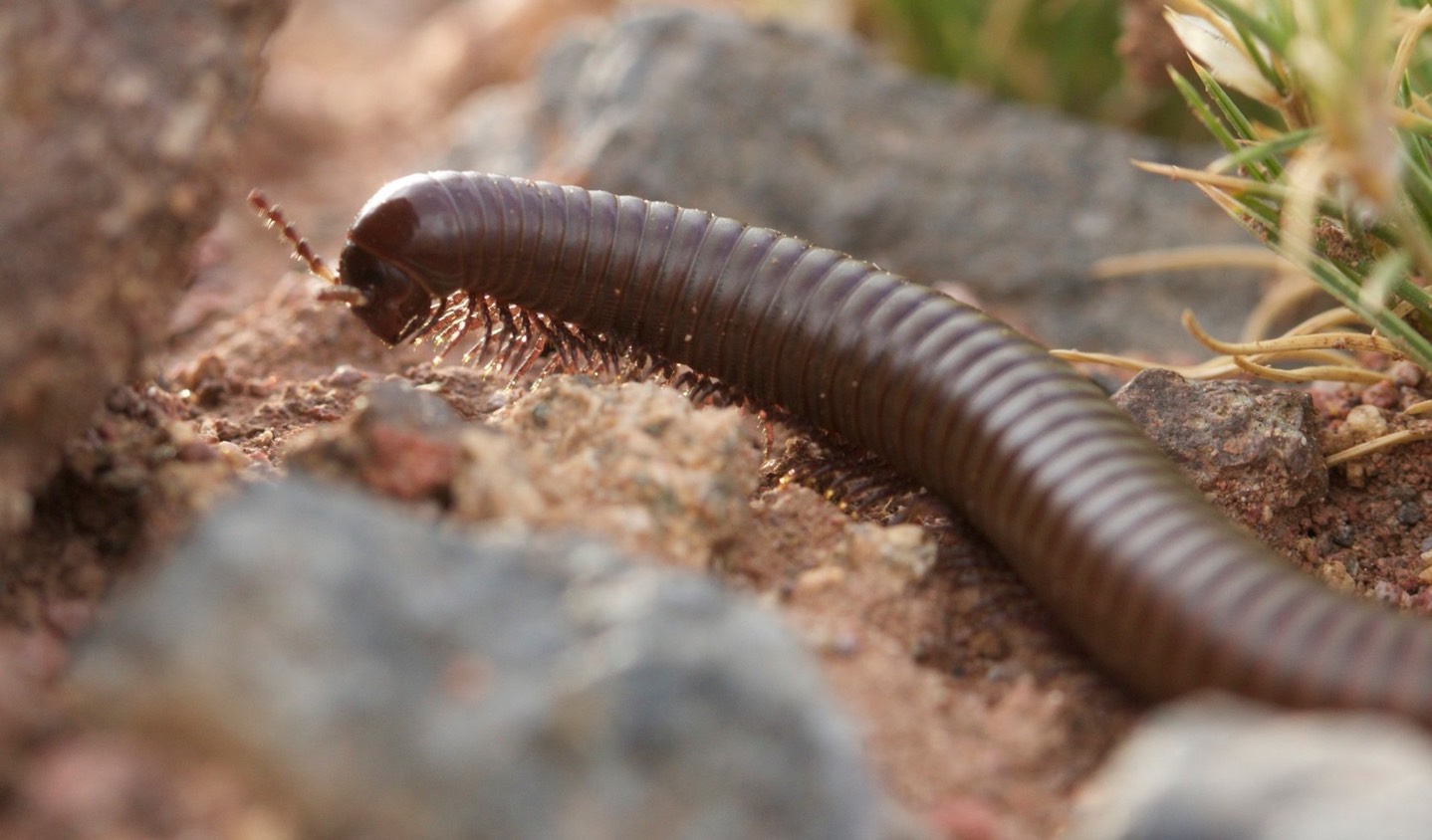
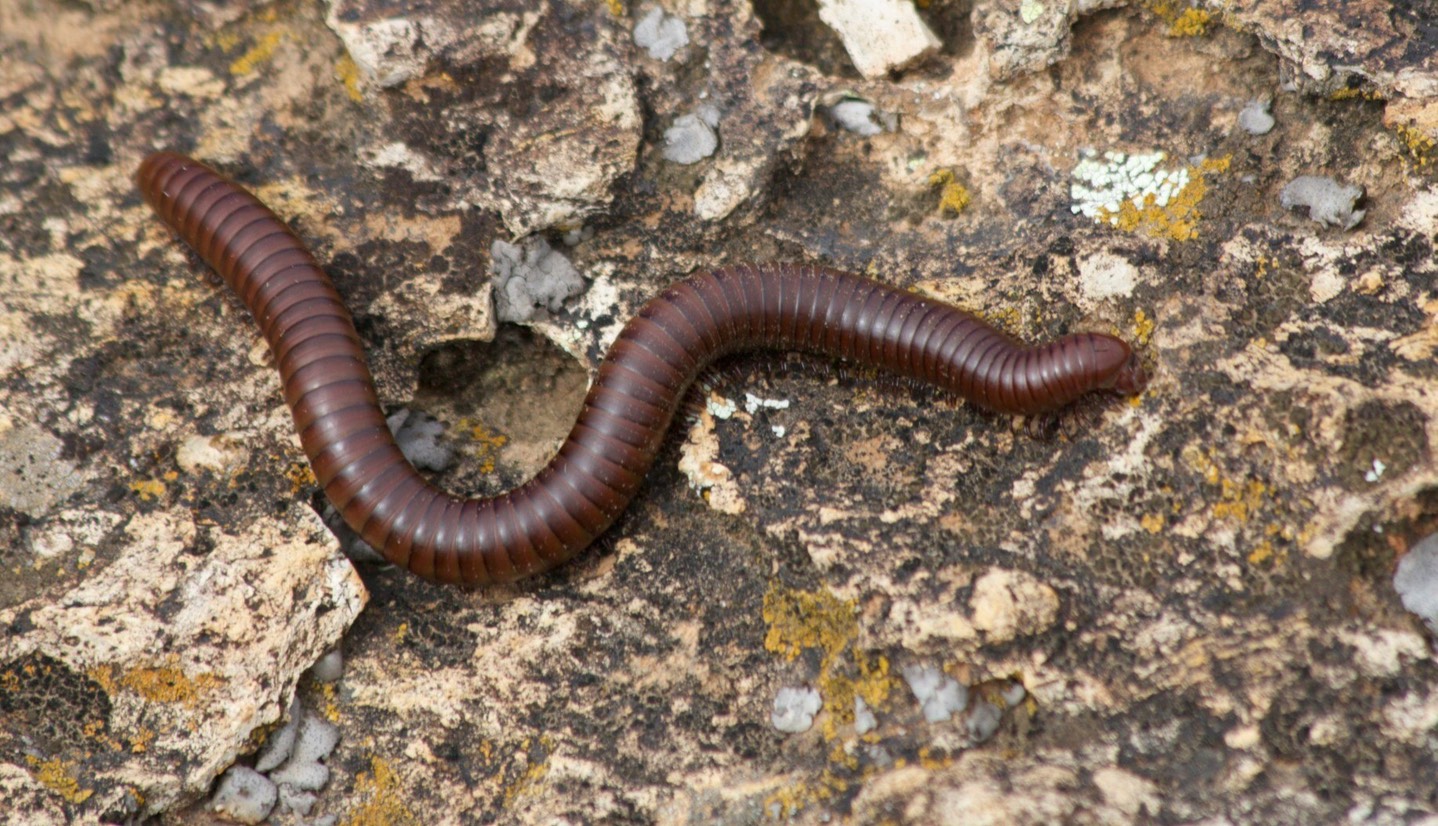
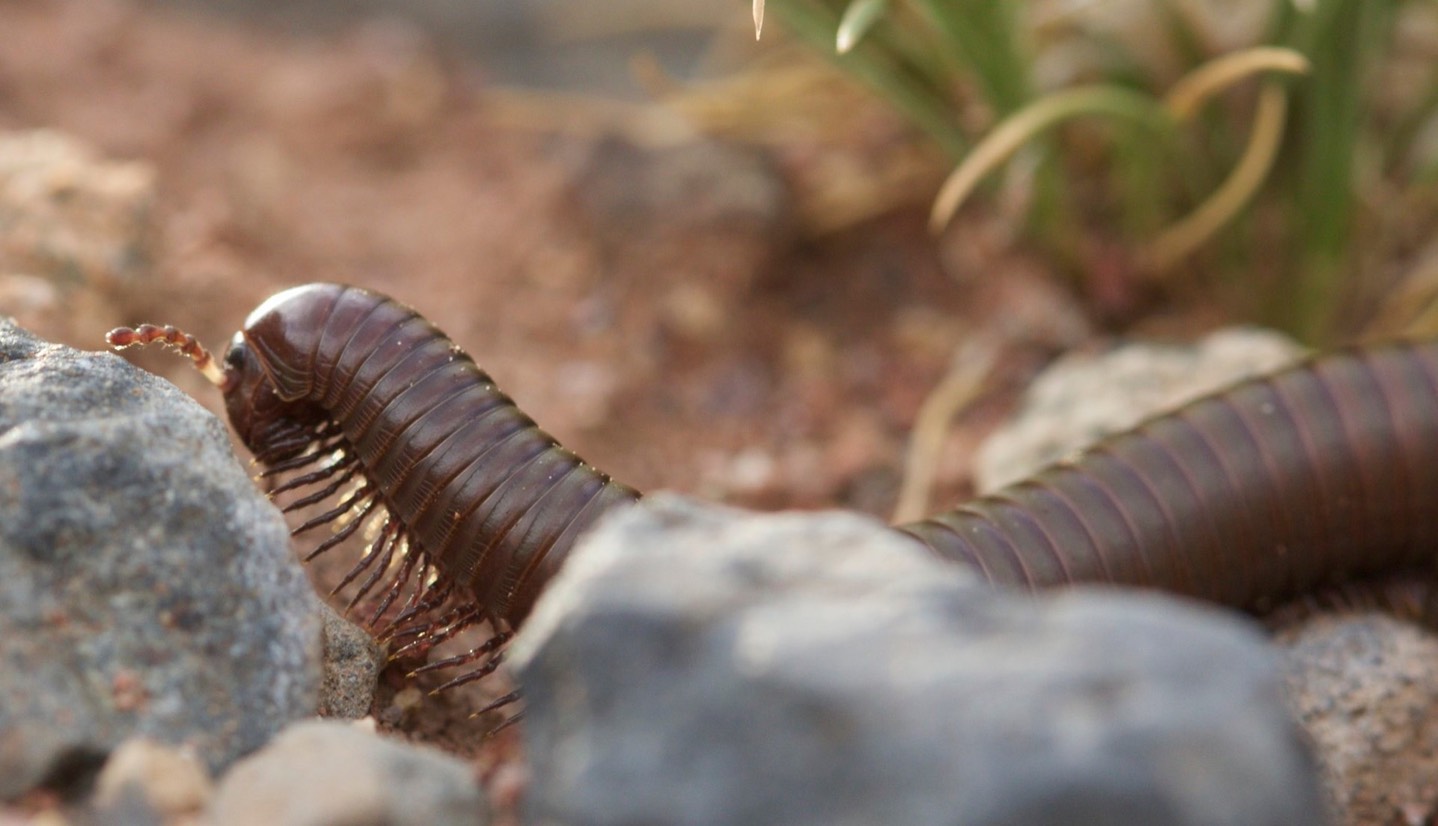
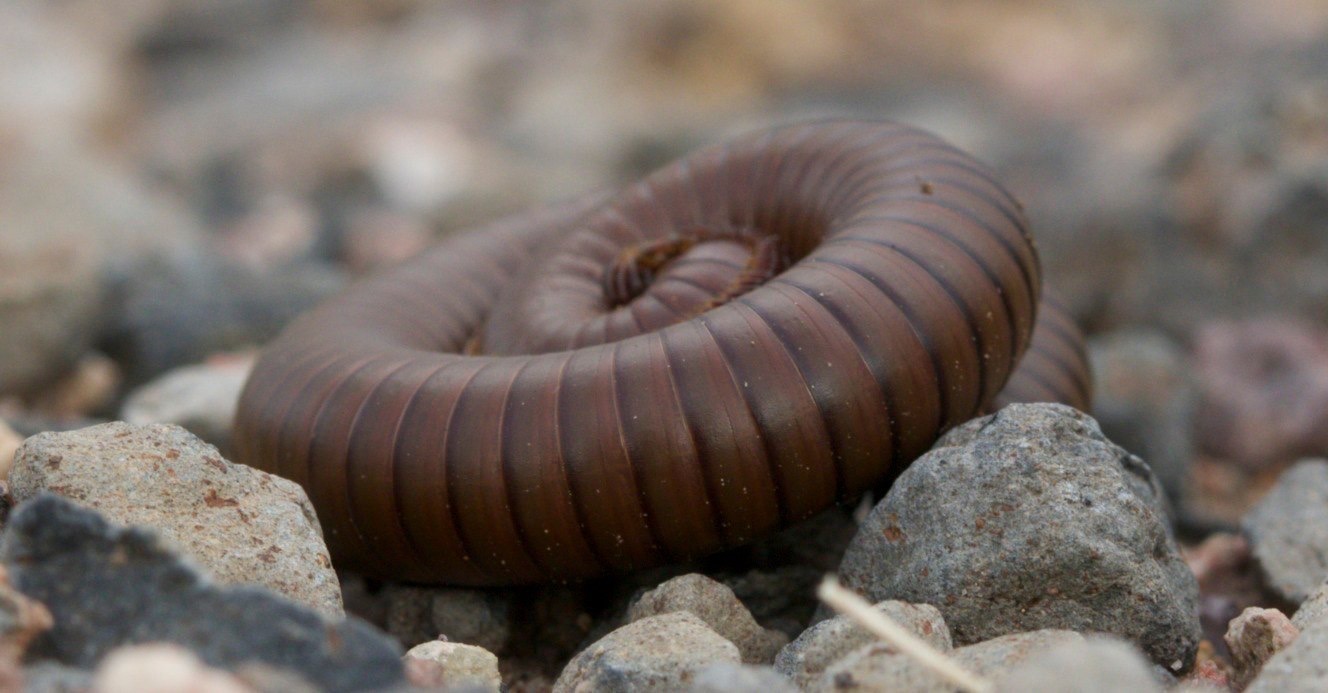
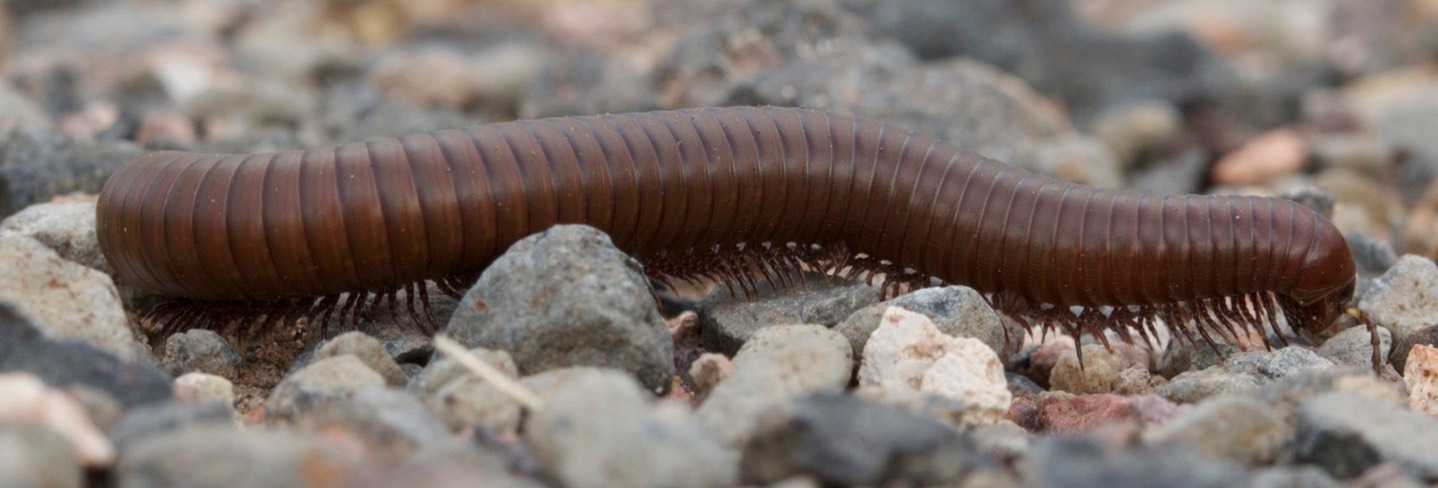
Orthoporus ornatus
Desert Millipede
Snake Mine Road
East of Hillsboro
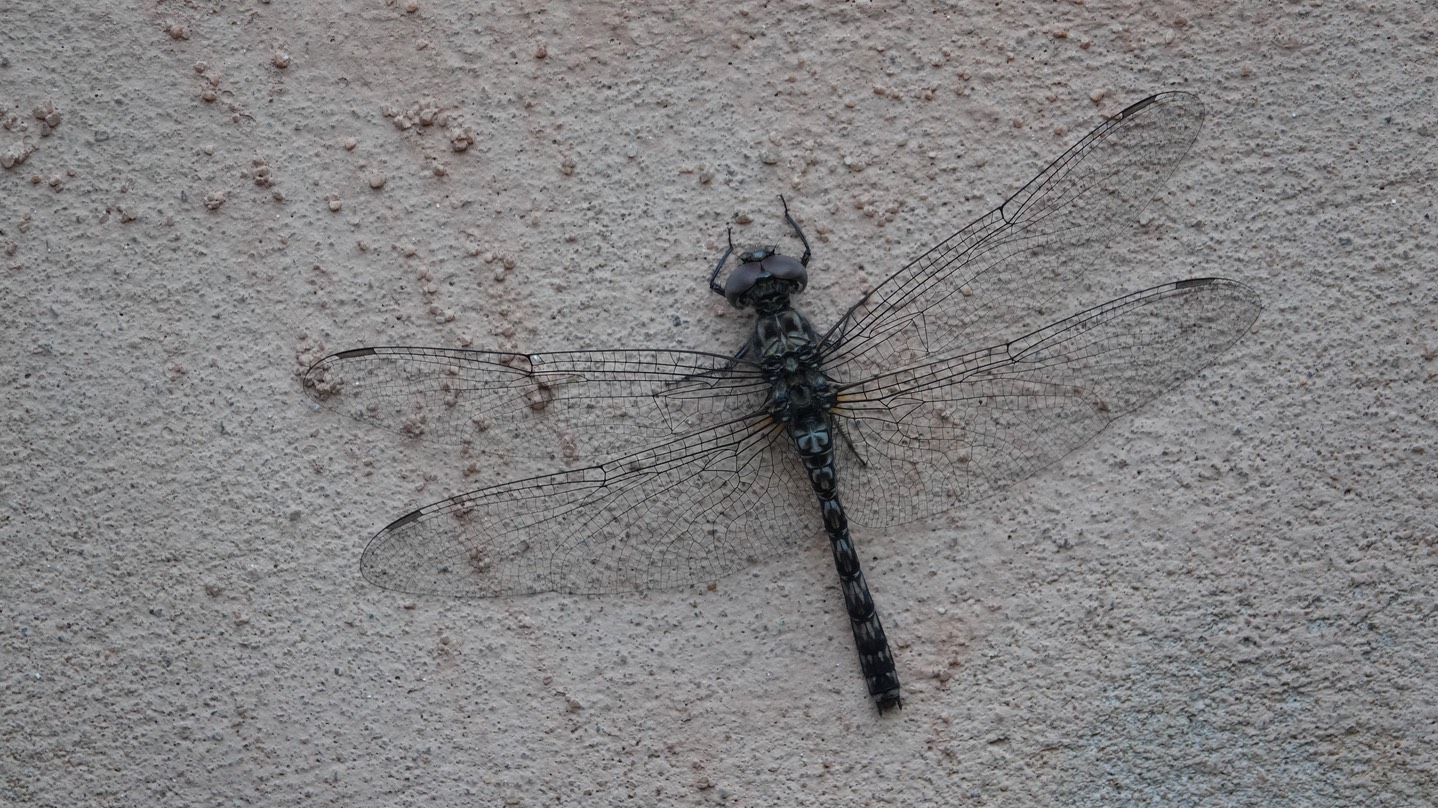
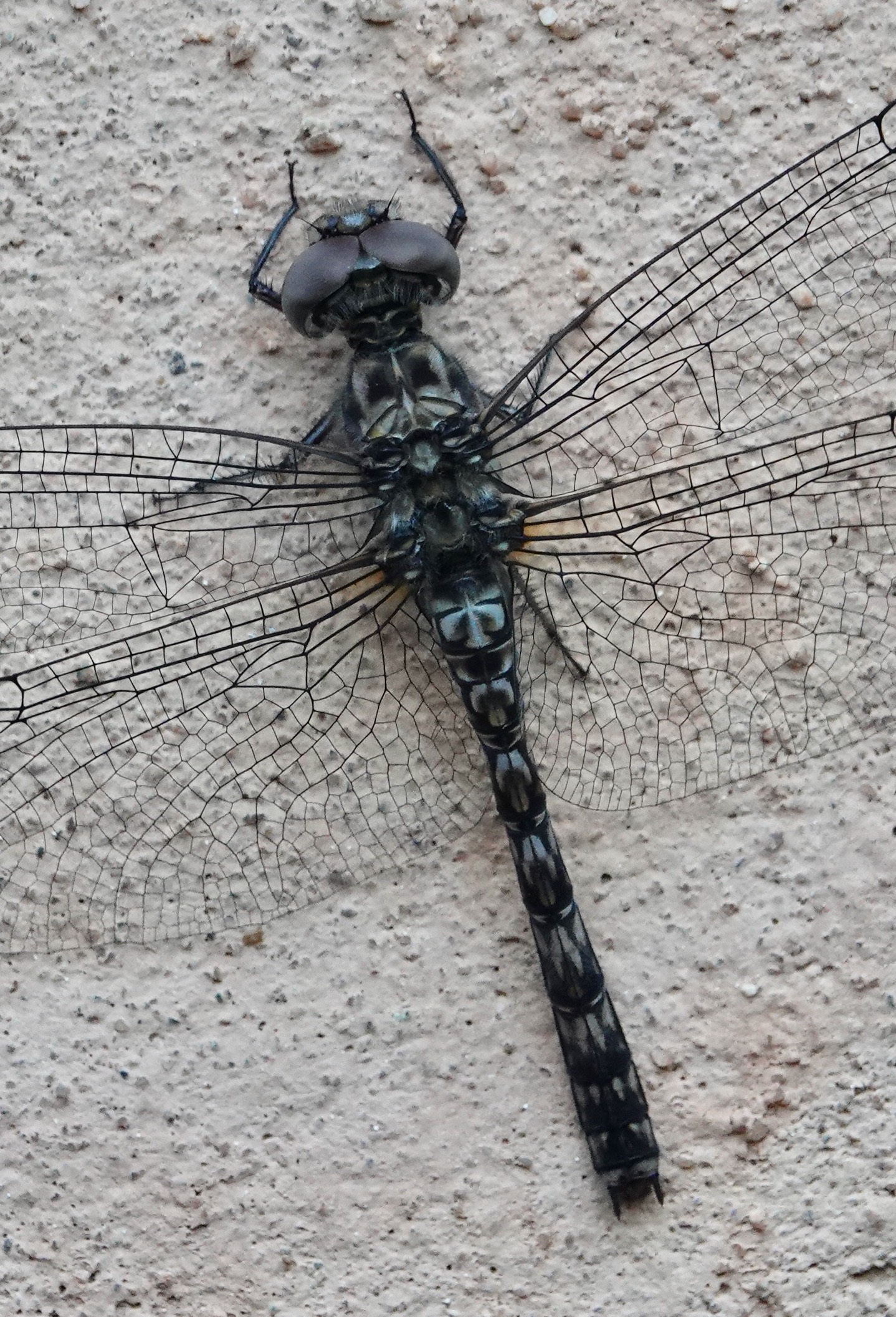
Paltothemis lineatipes
Red Rock Skimmer
Hillsboro
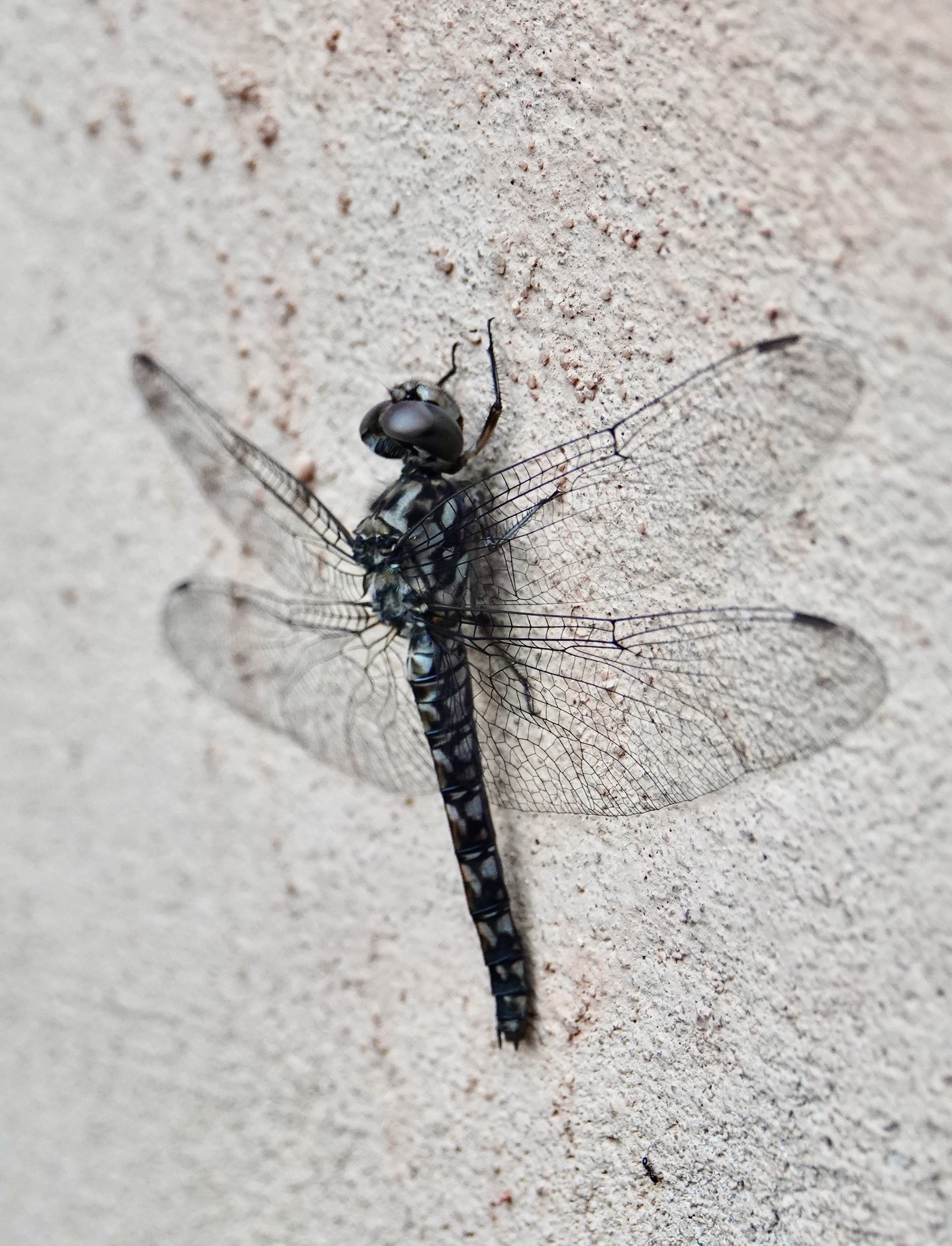
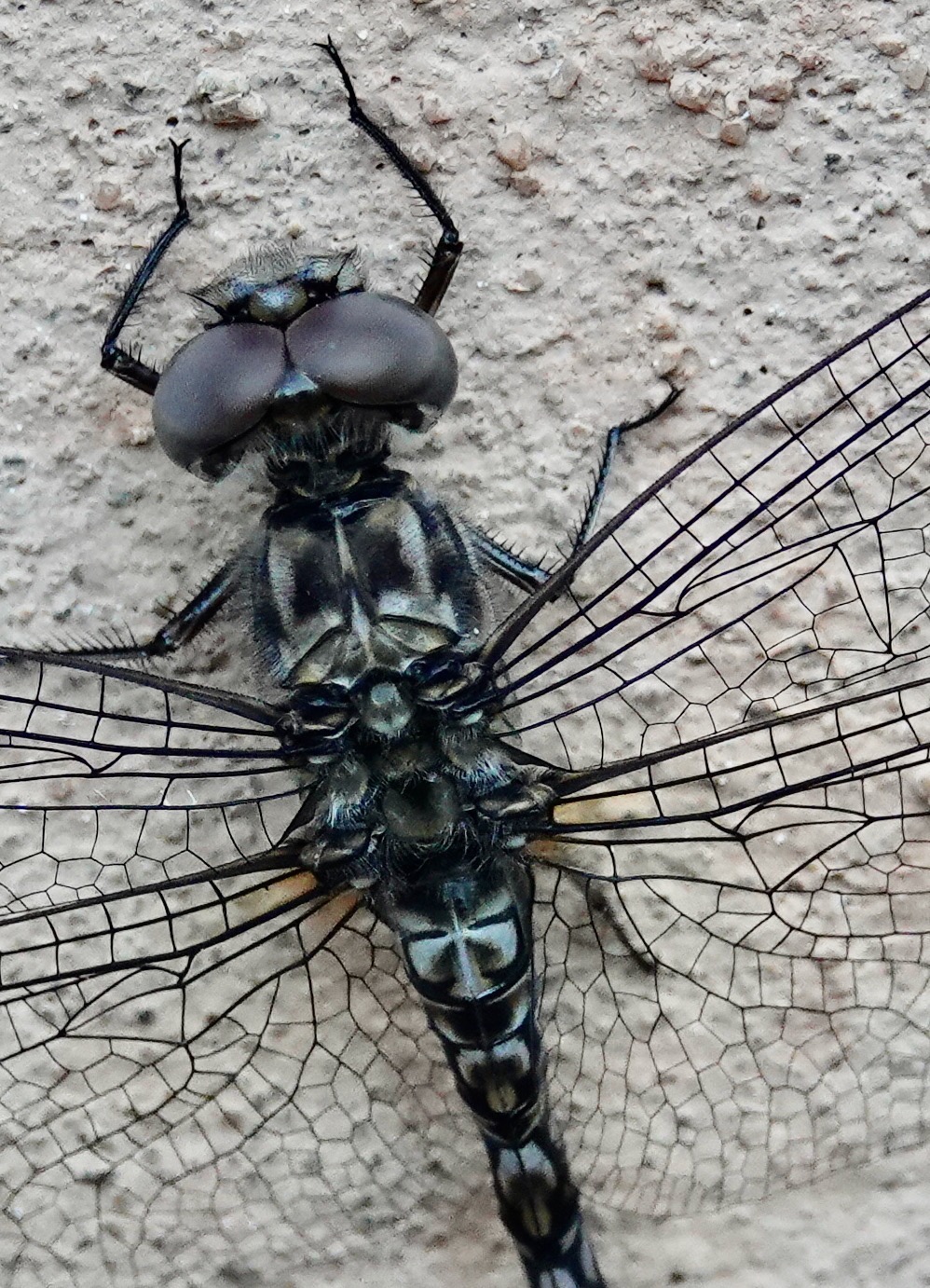
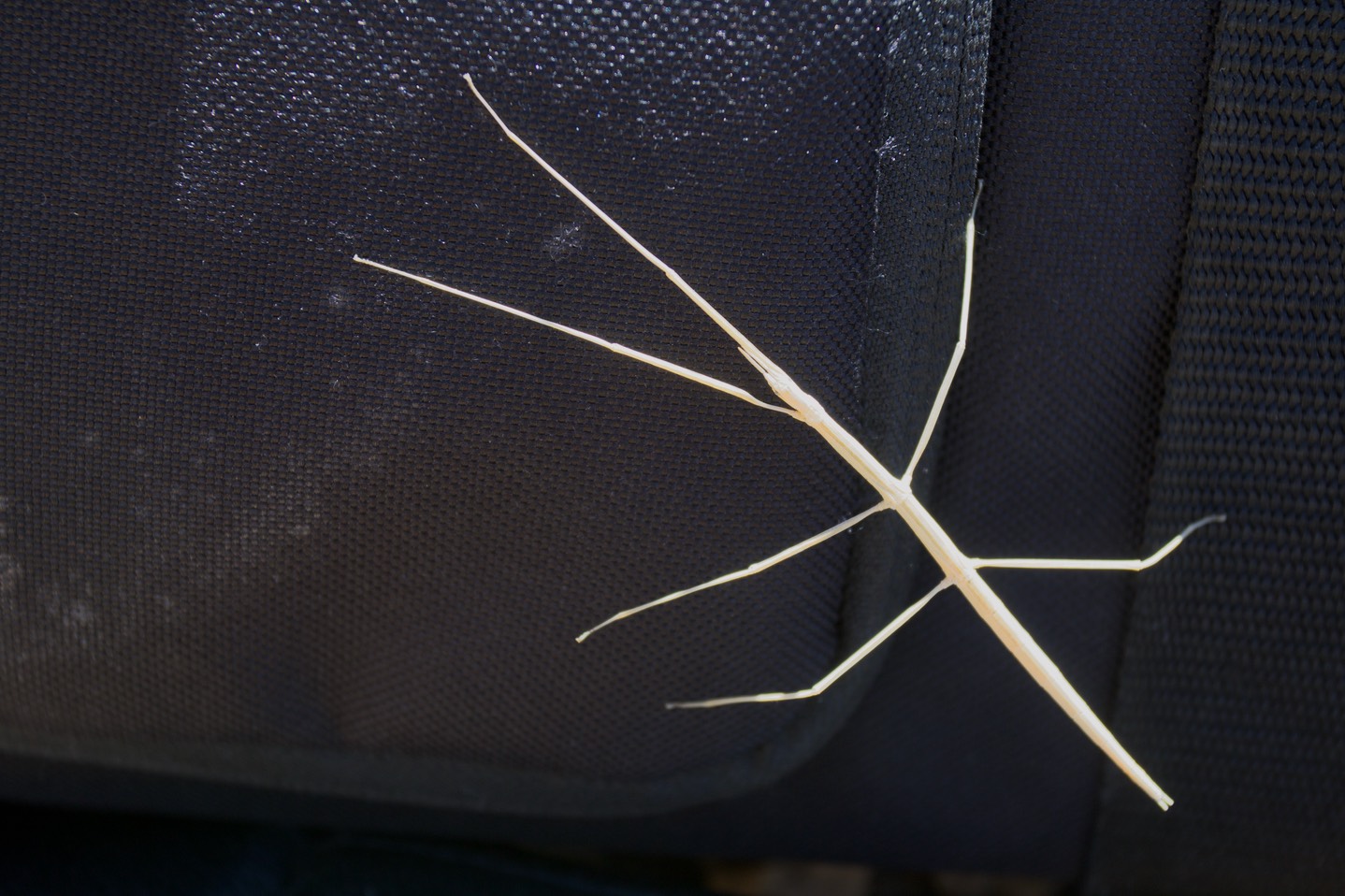
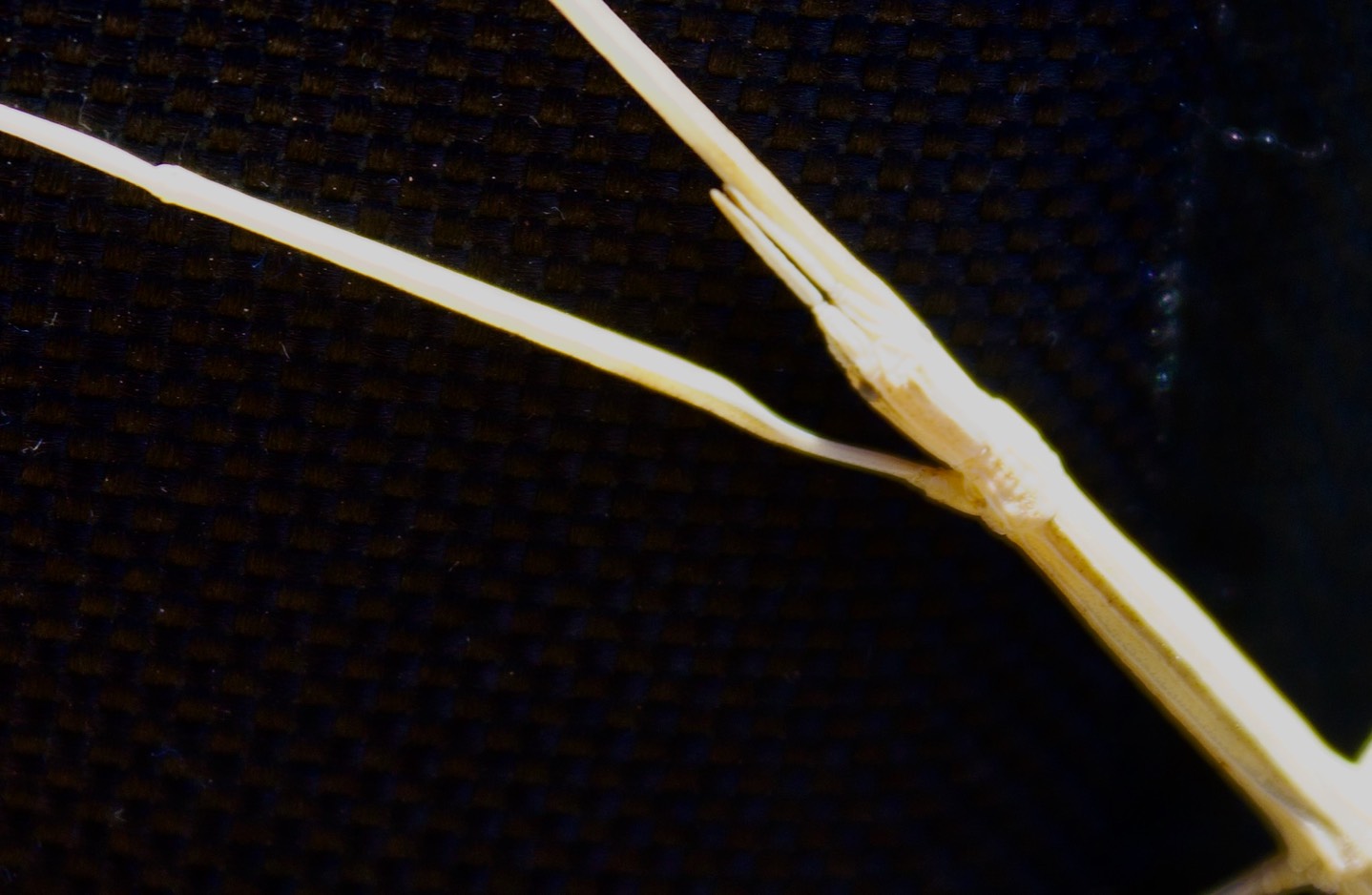
Parabacillus hesperus
Western Short-horn Walkingstick
Garfield/Butler Group Hillsboro Mining District
April
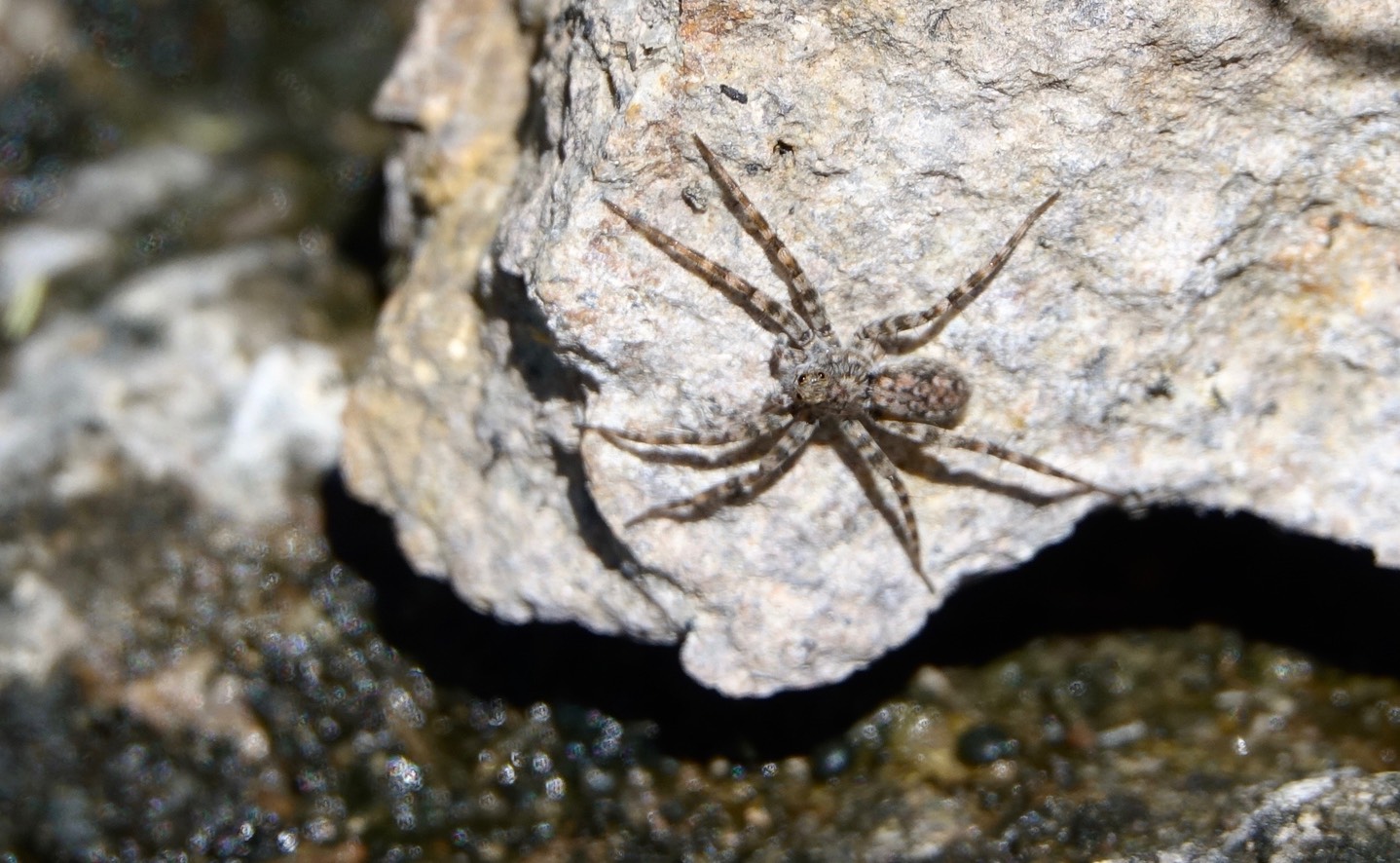
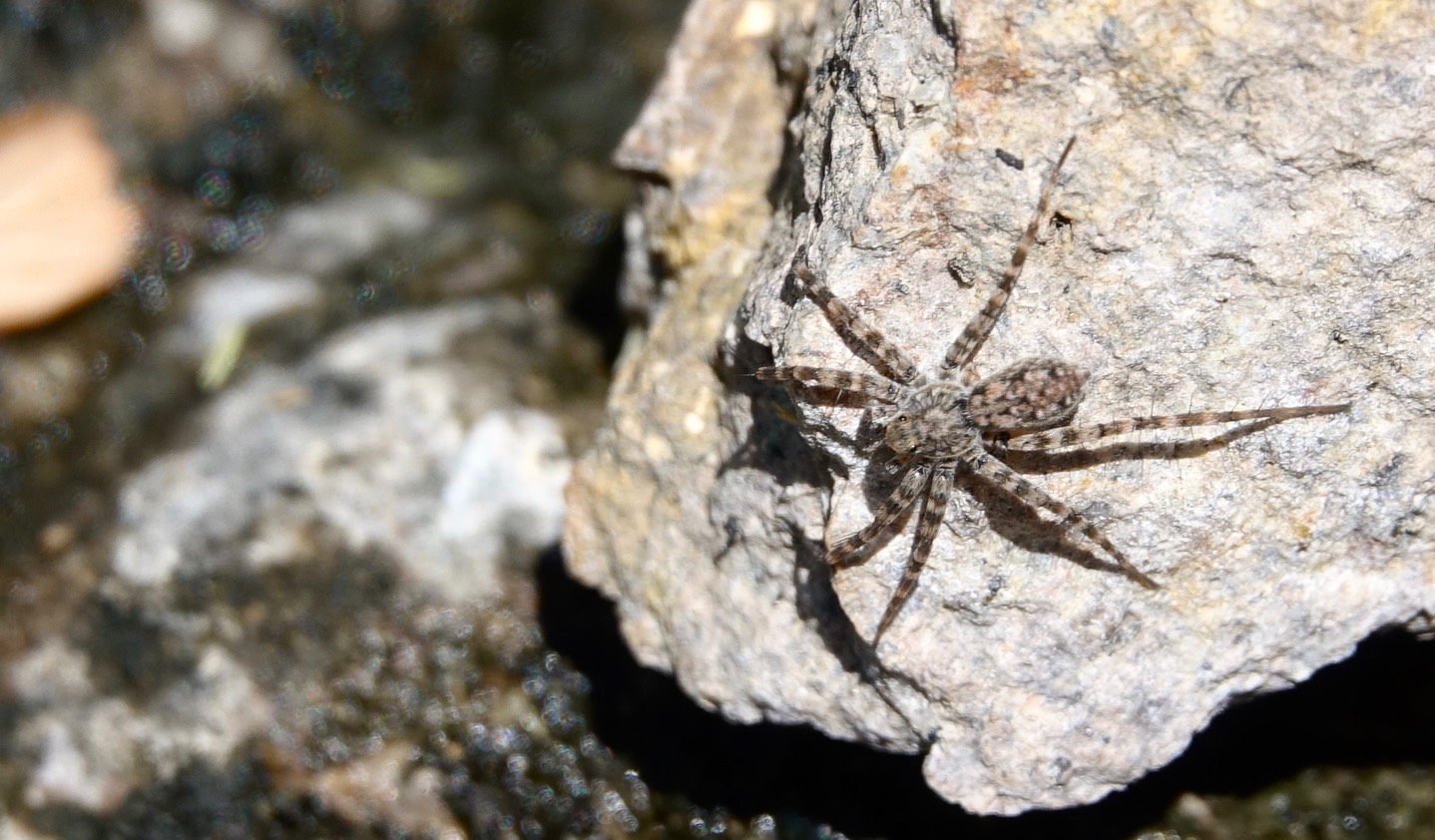
Pardosa ?
Thinlegged Wolf Spiders
Bald Hill Spring
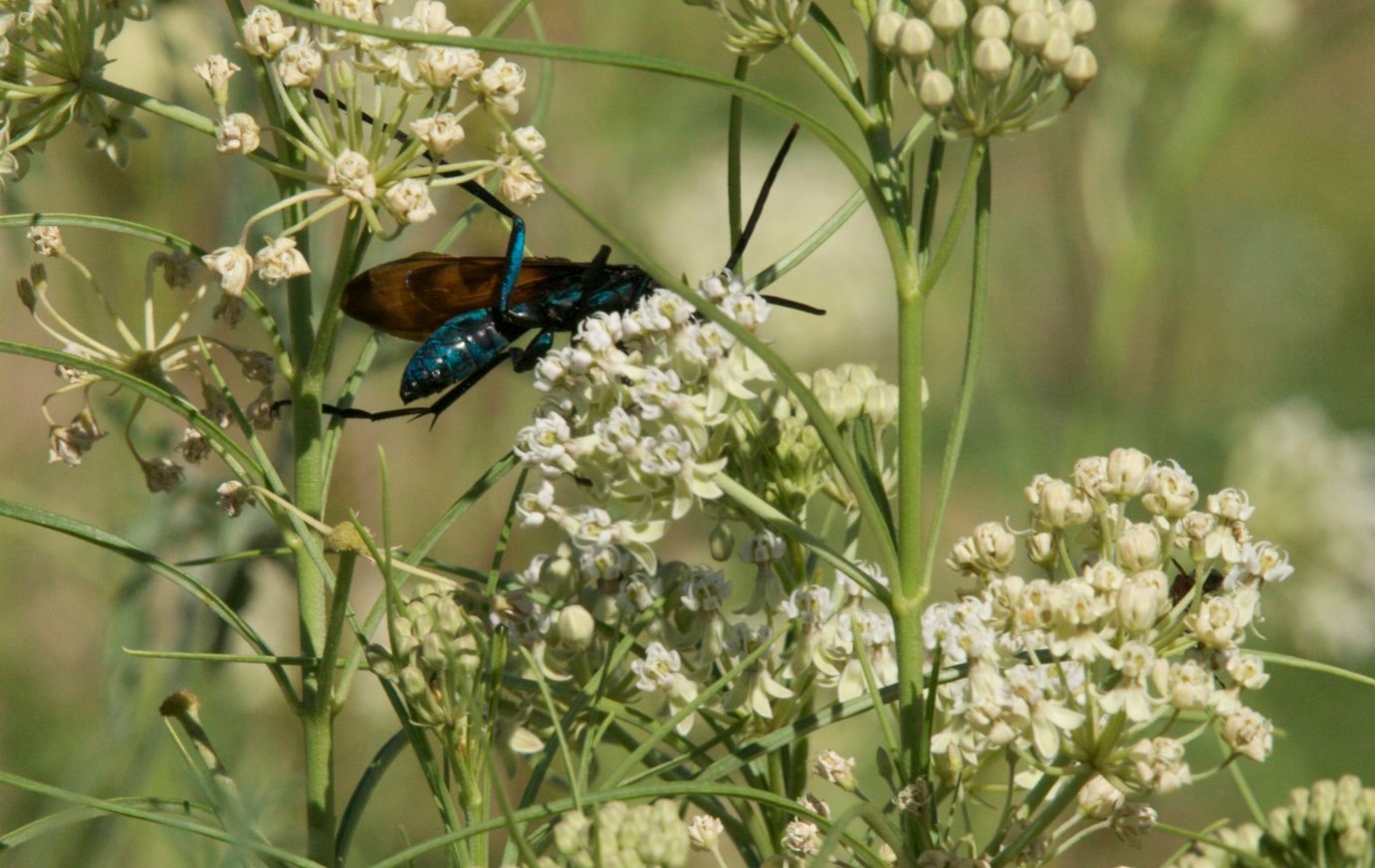
Pepsis chrysothemis
Tarantula Wasp
San Lorenzo
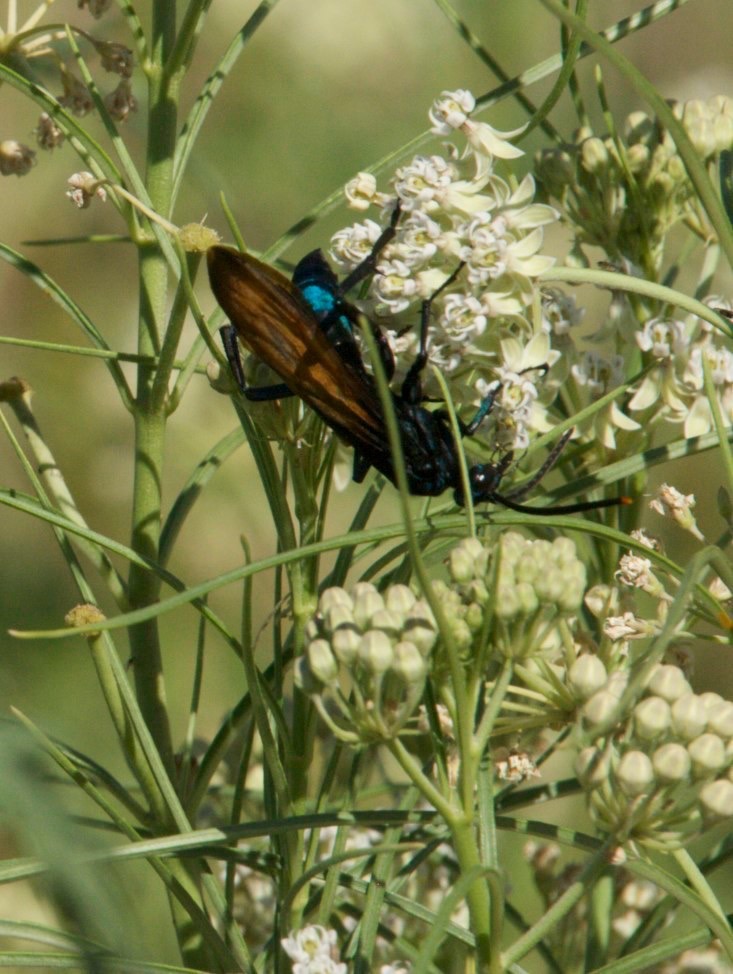
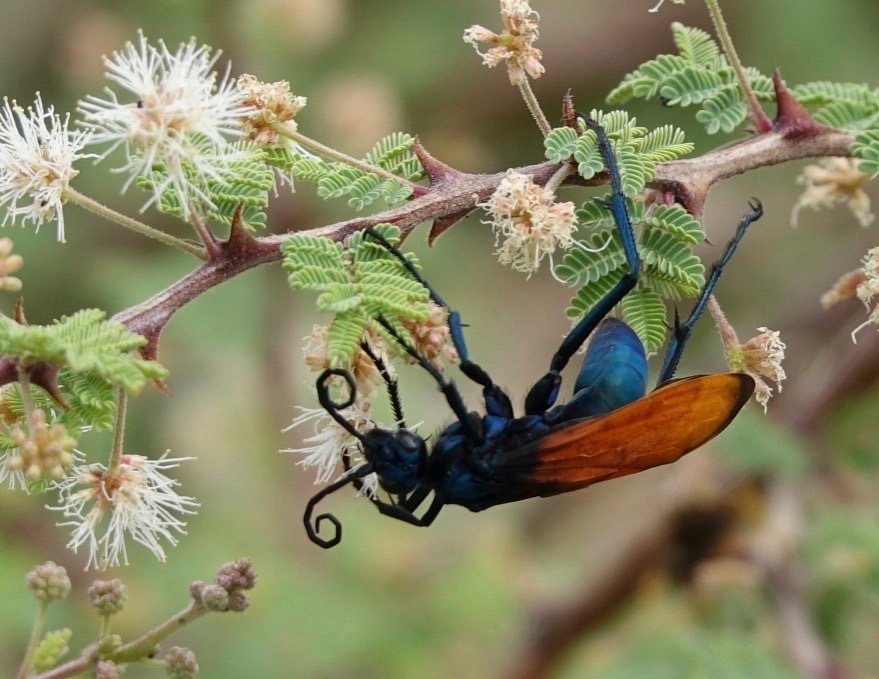
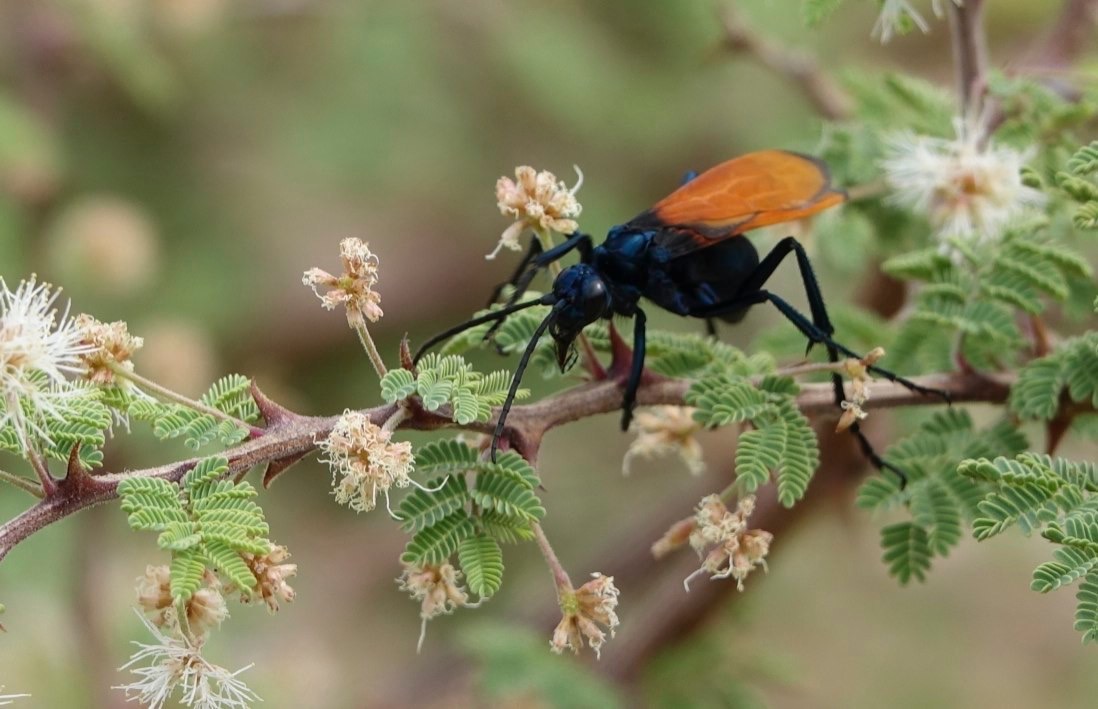
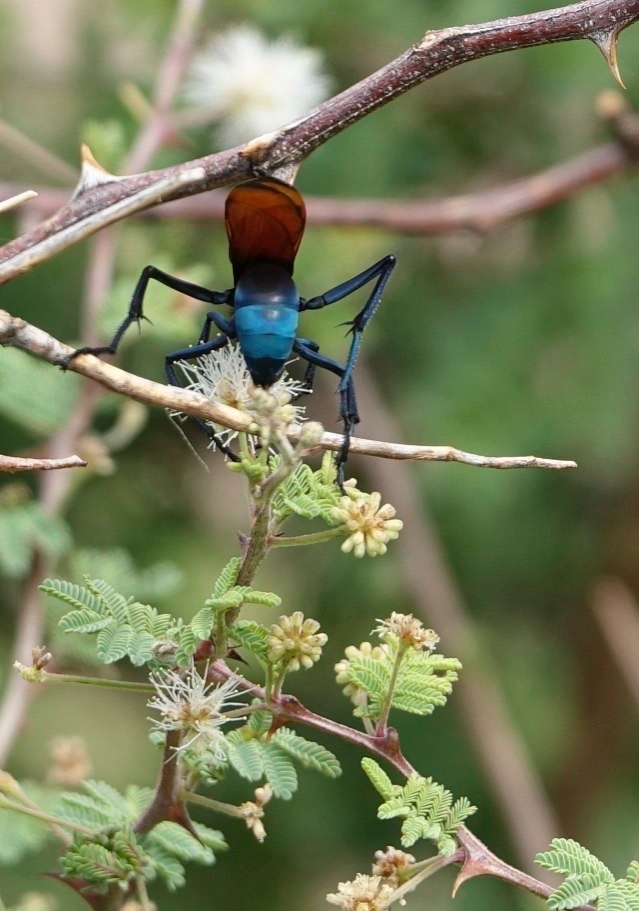
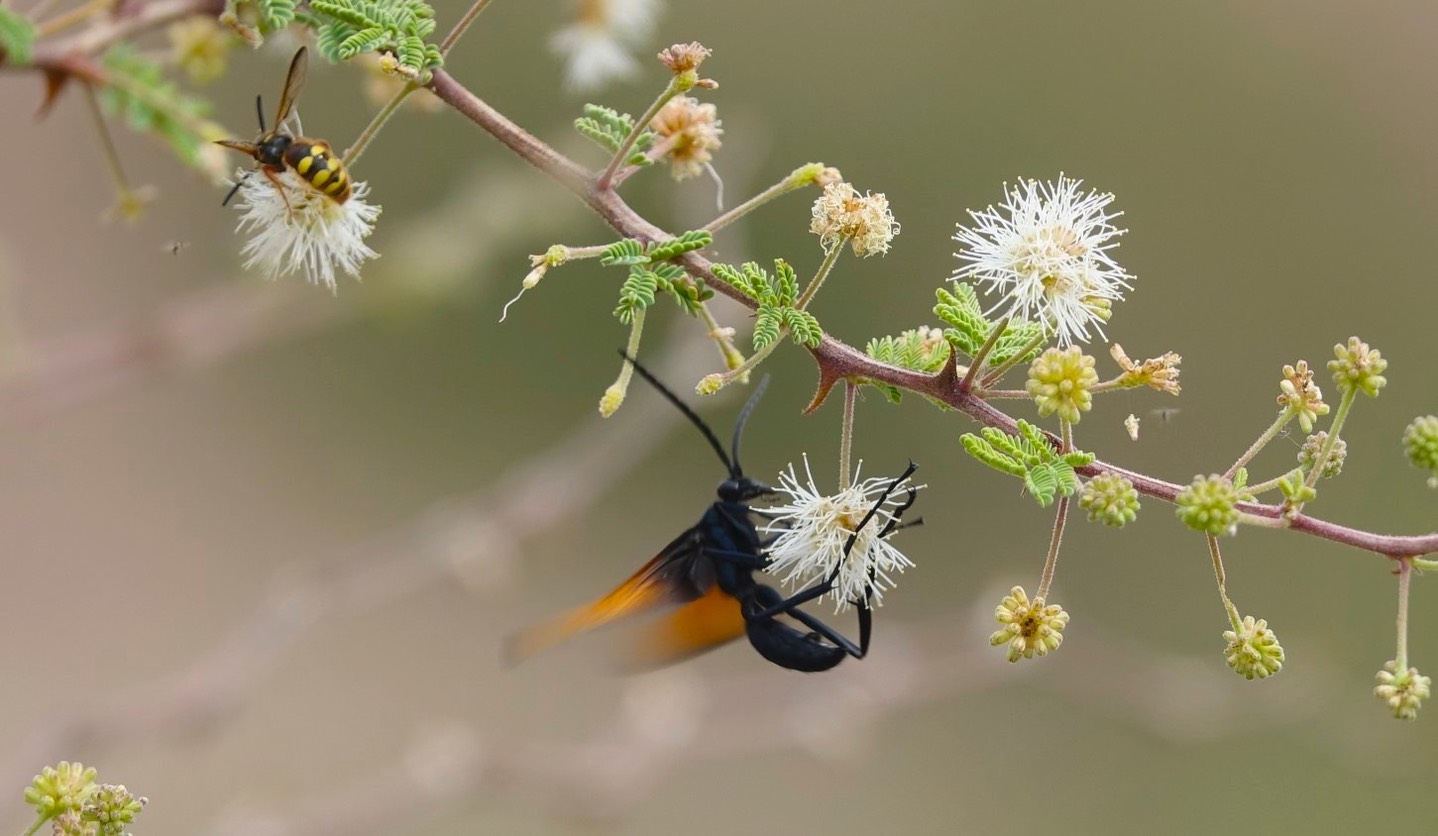
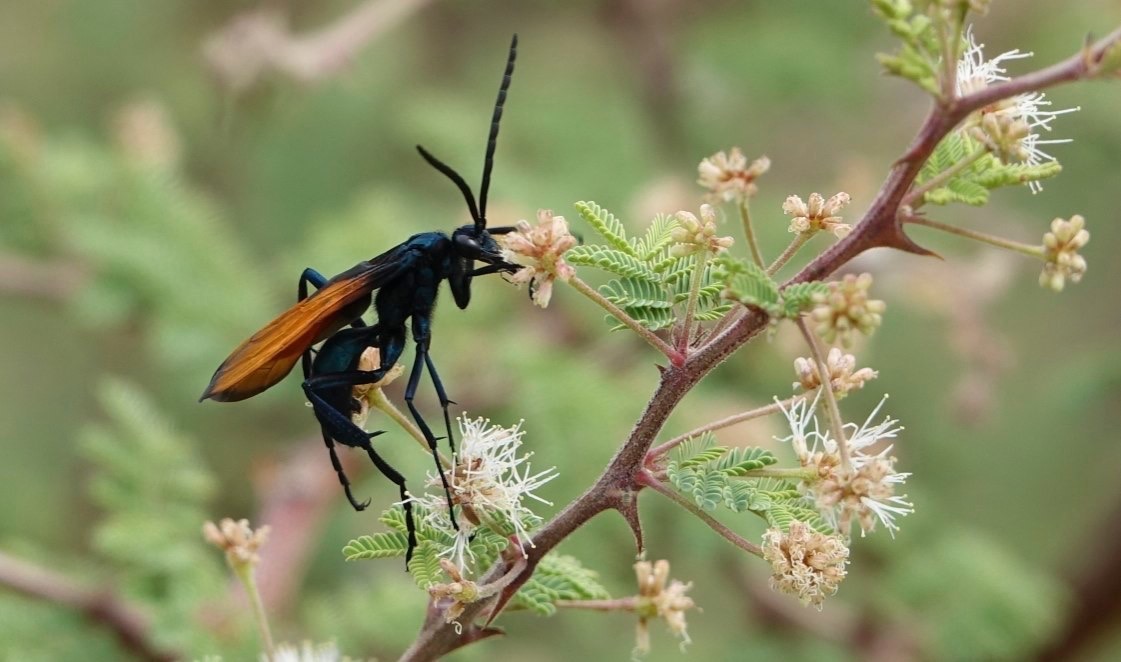
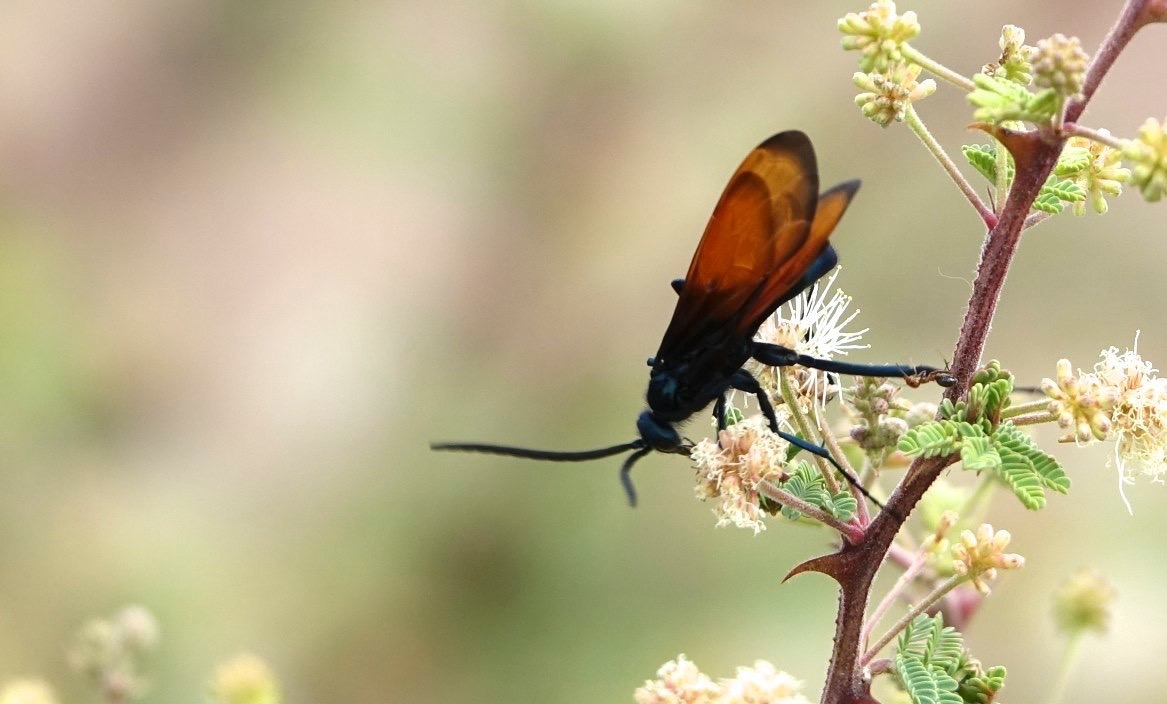
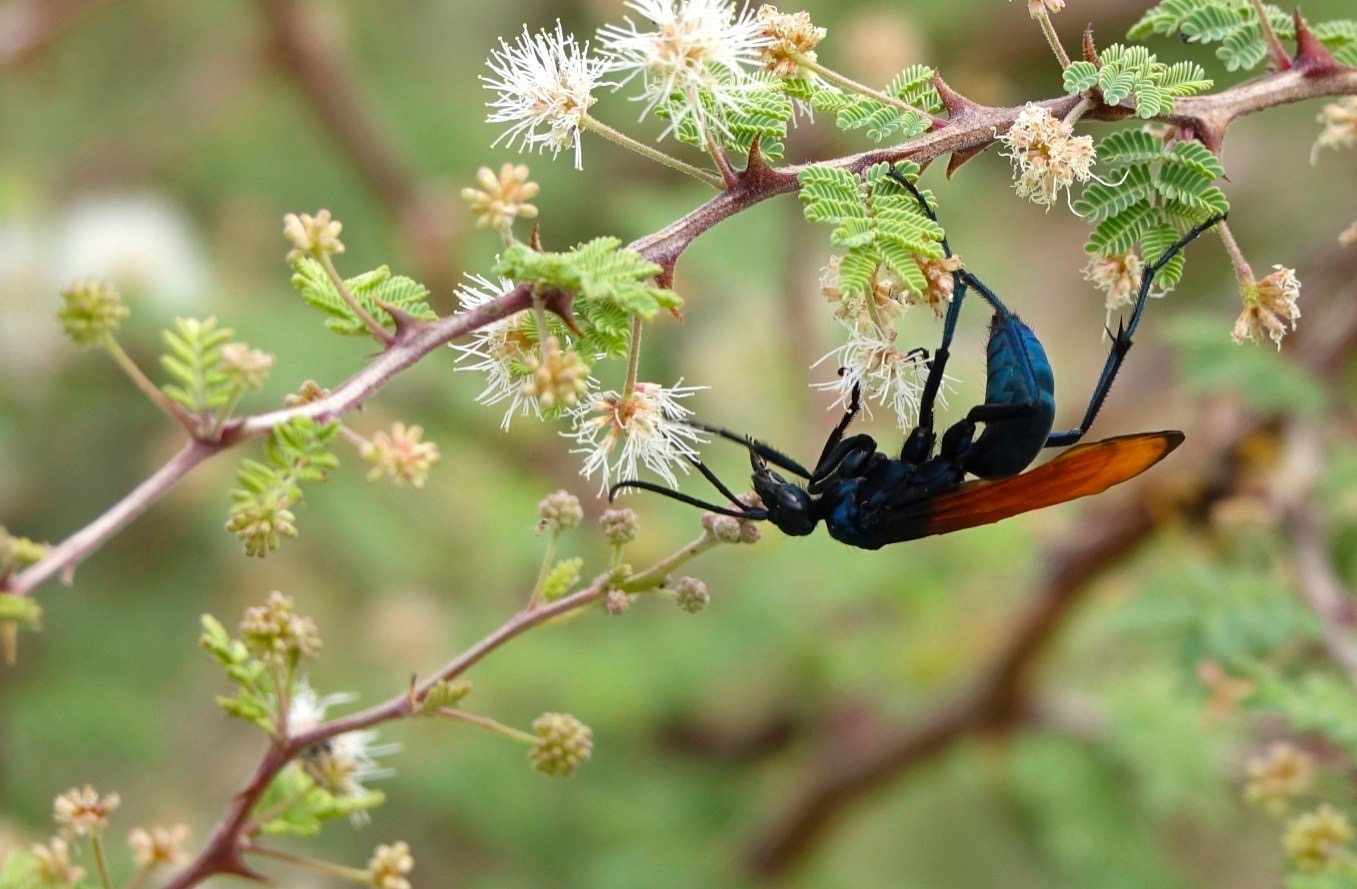
Pepsis grossa
Tarantula Hawk
Warm Springs Wash
NE of Hillsboro
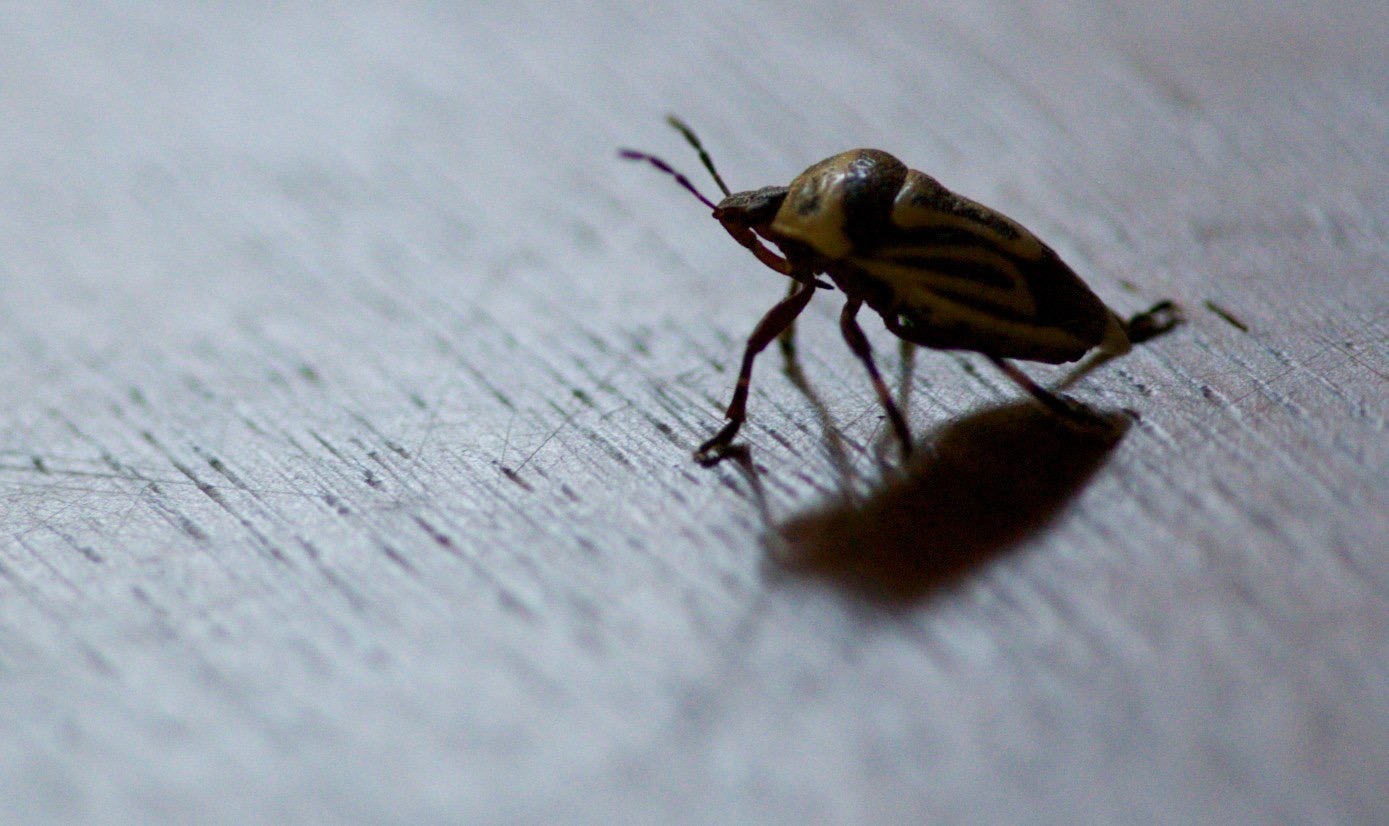
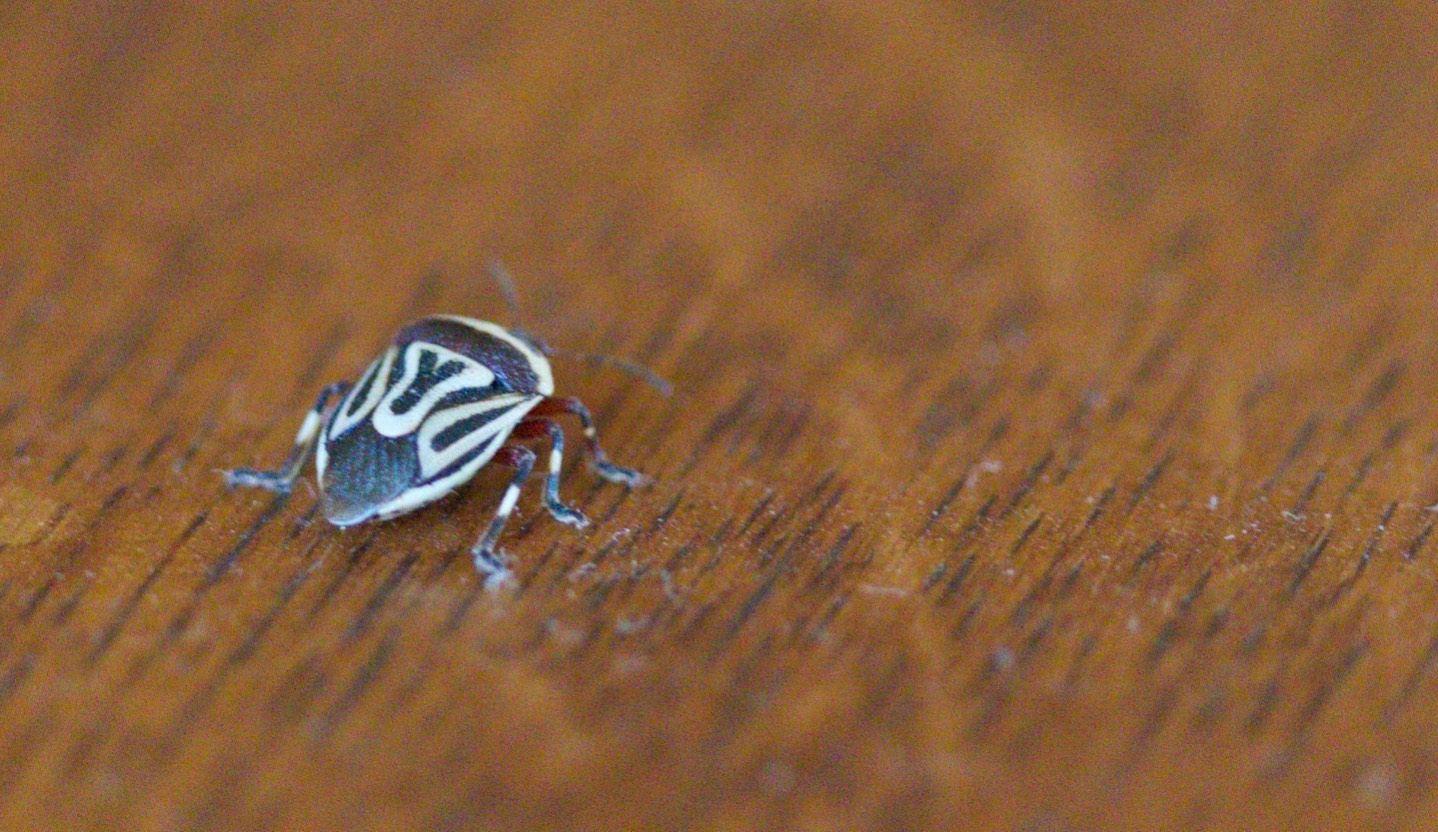
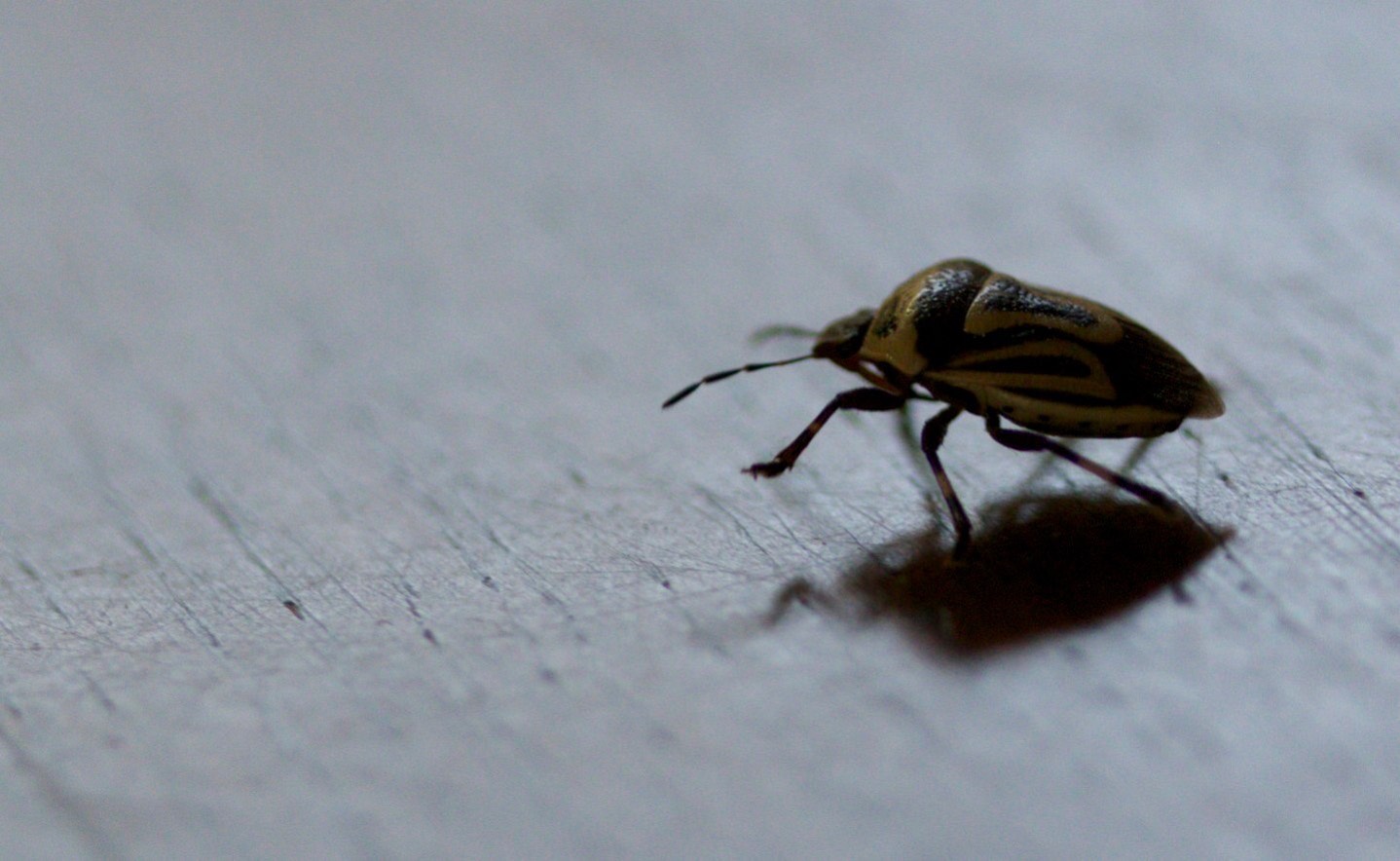
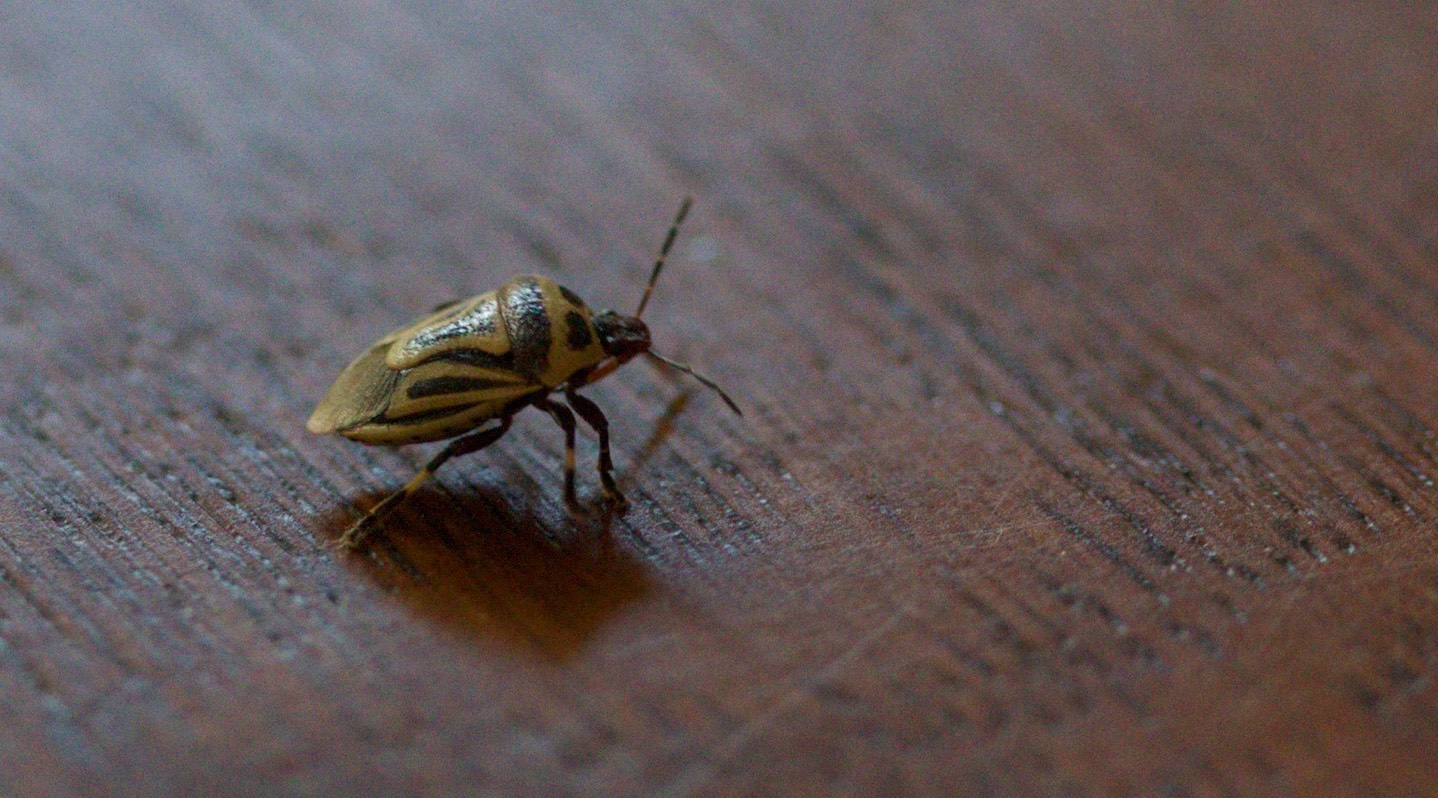
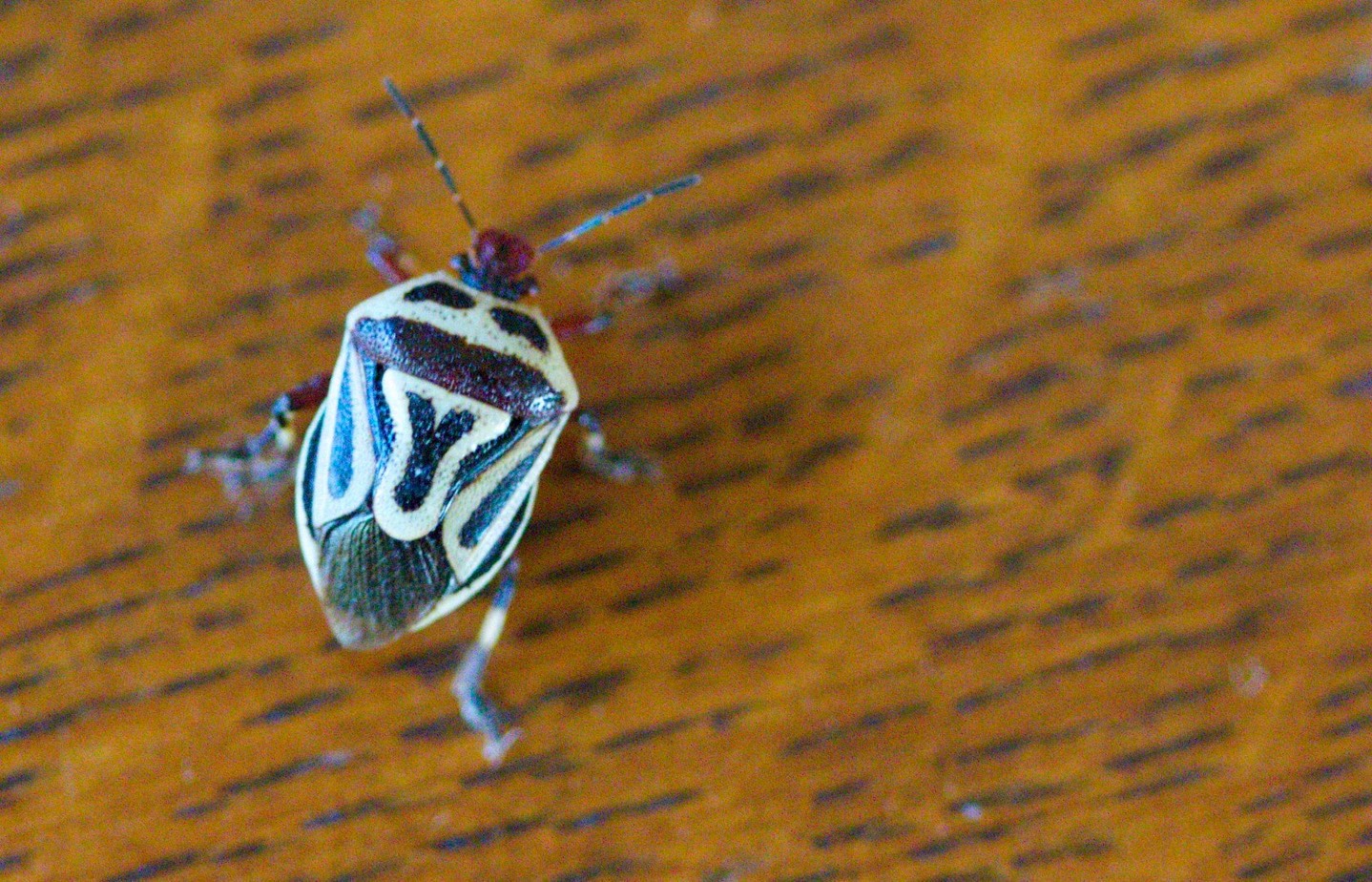
Perillus bioculatus
Two-spotted Stink Bug
Hillsboro
Peucetia longipalpis
Lynx Spider
South of Hillsboro
Photographs by Matilde Holzwarth
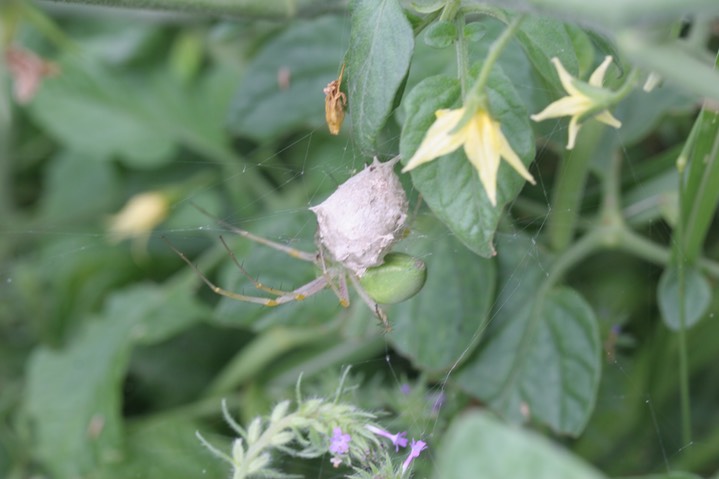
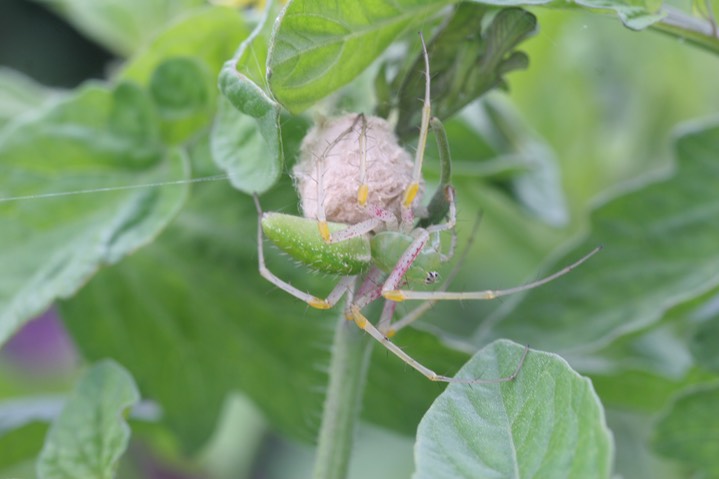
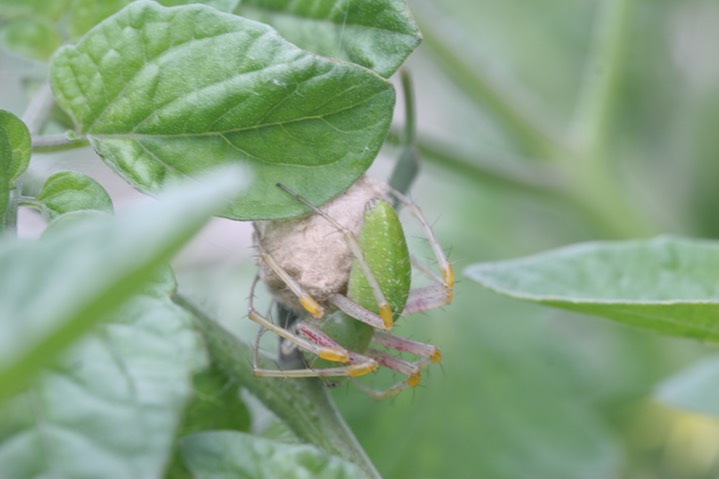
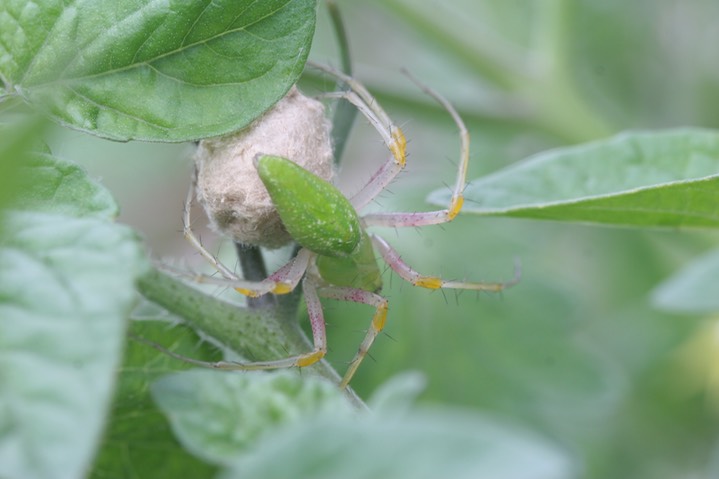
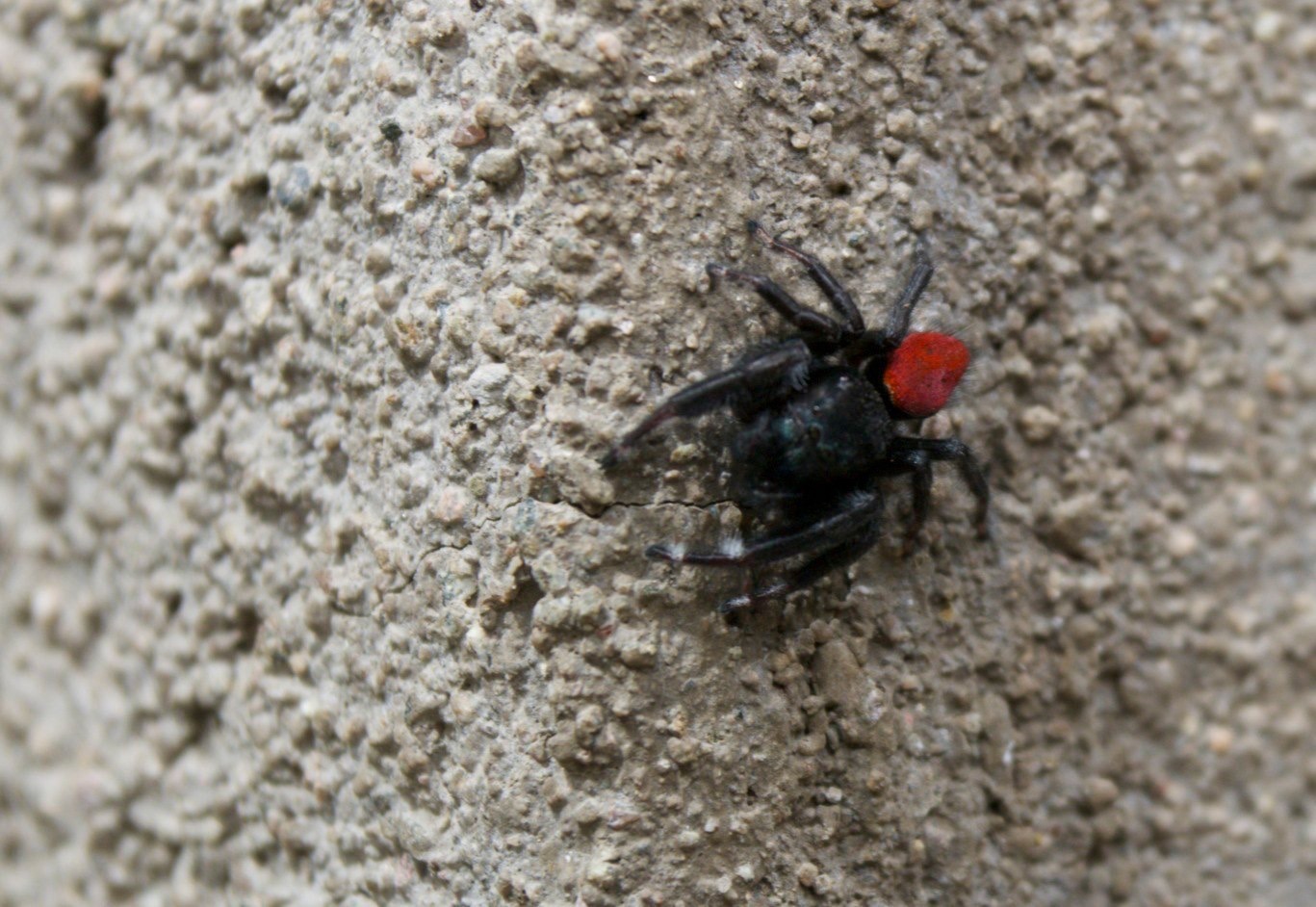
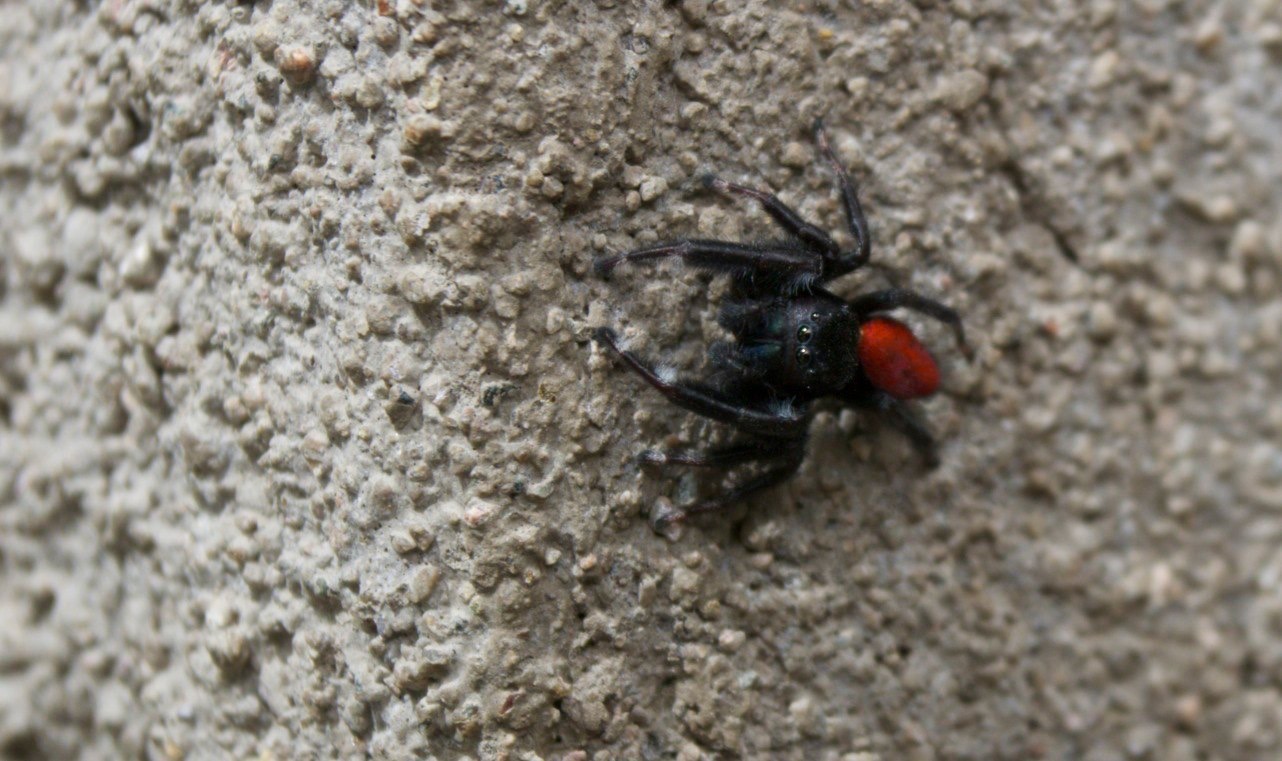
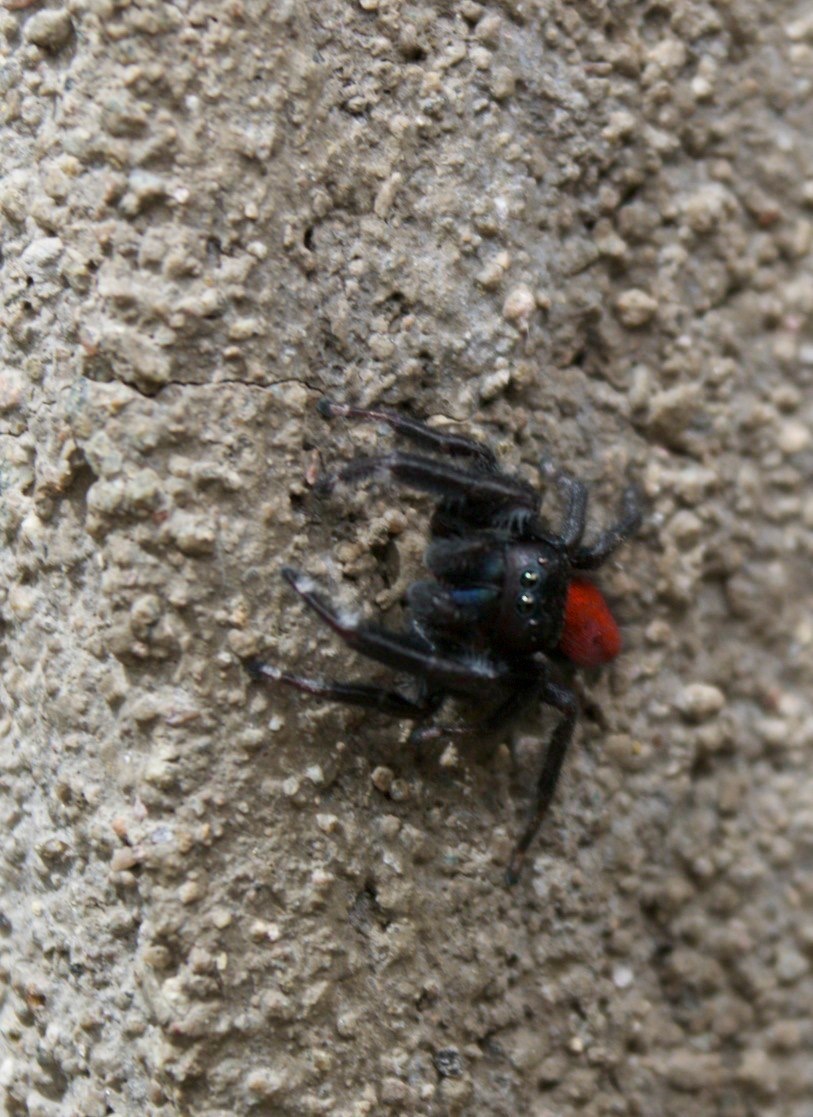
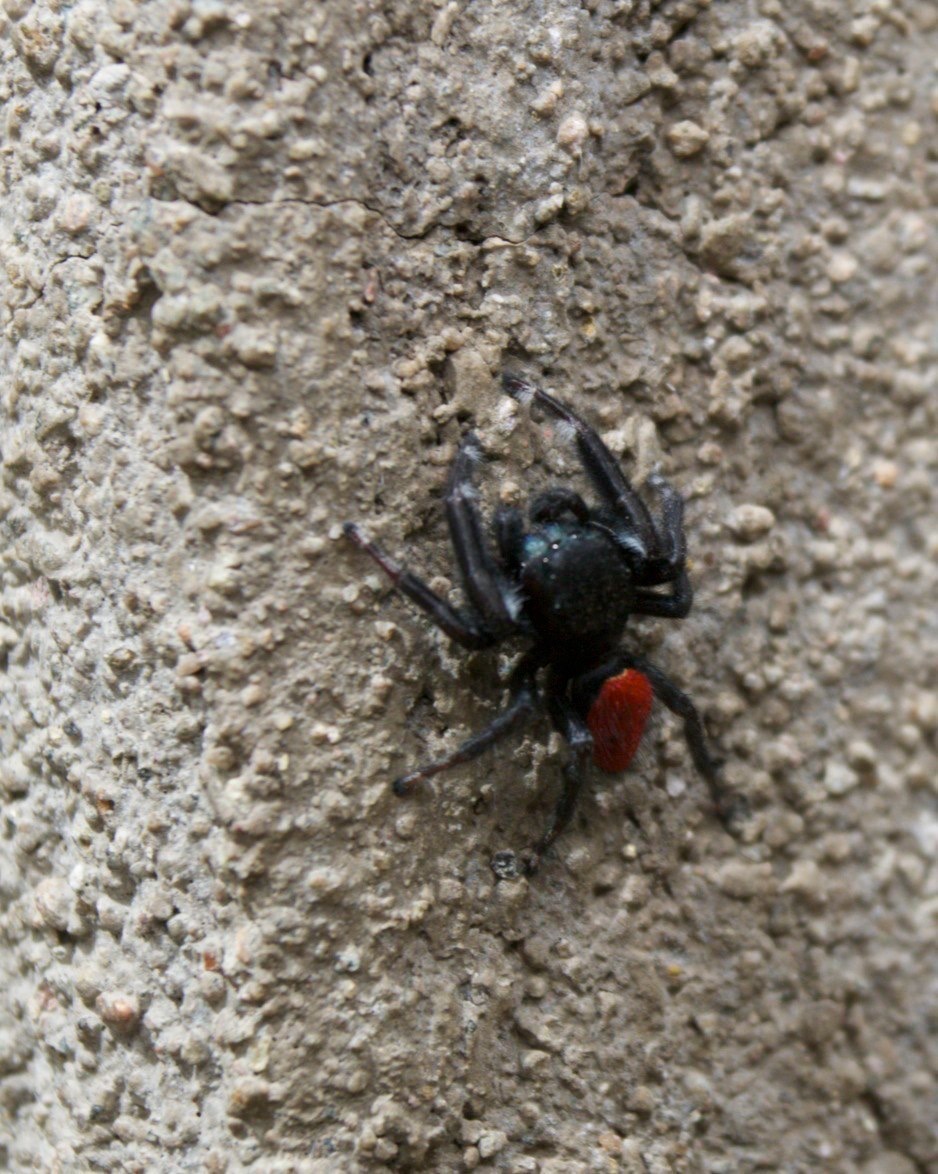
Phidippus johnsoni
Red-backed Jumping Spider
Hillsboro
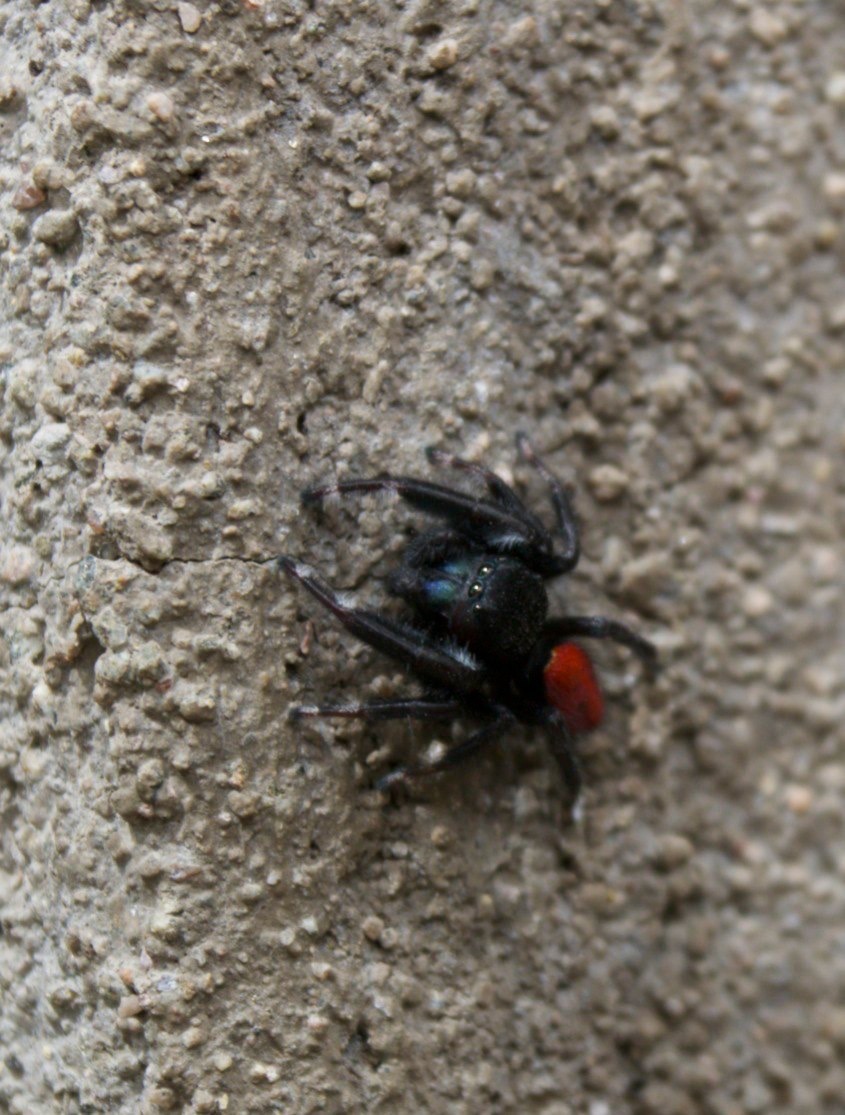
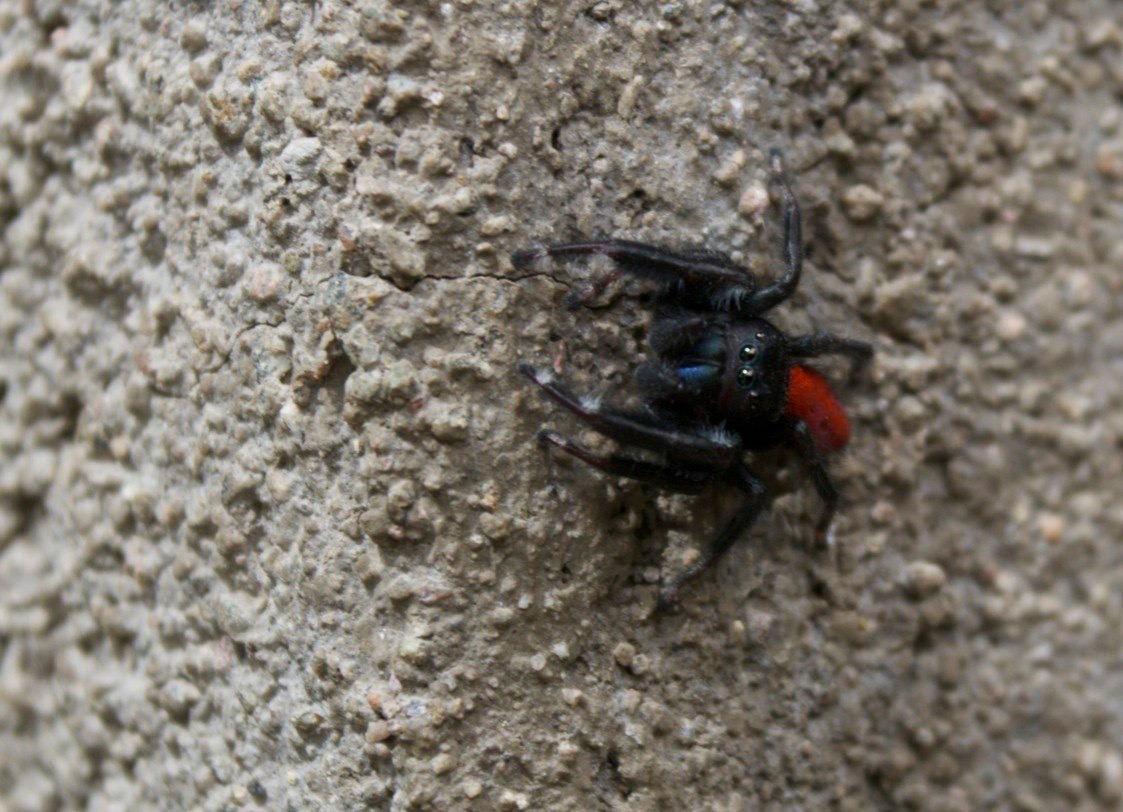
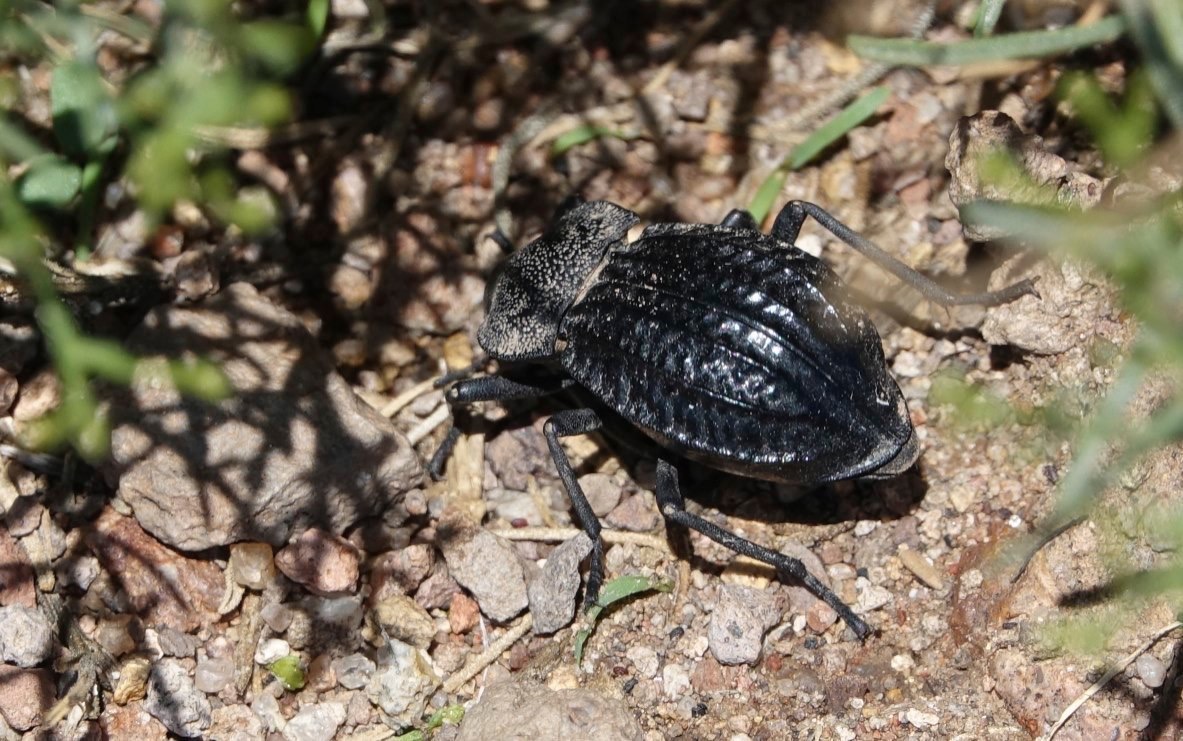
Philolithus sordidus
South of Hillsboro
New Mexico
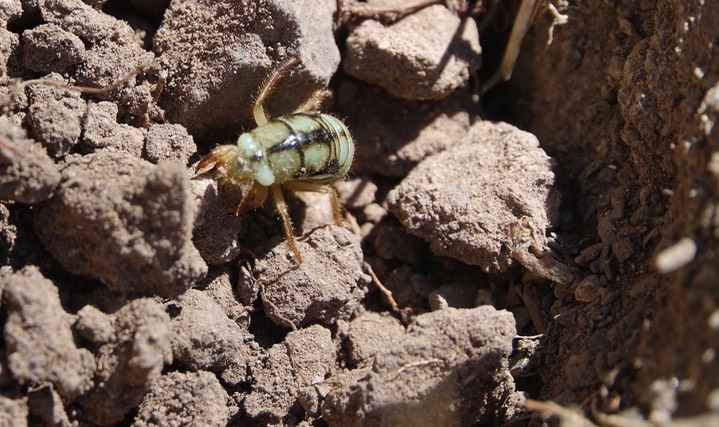
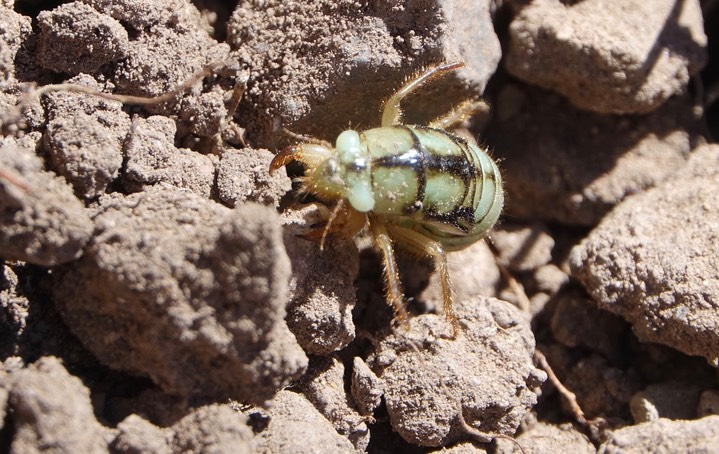
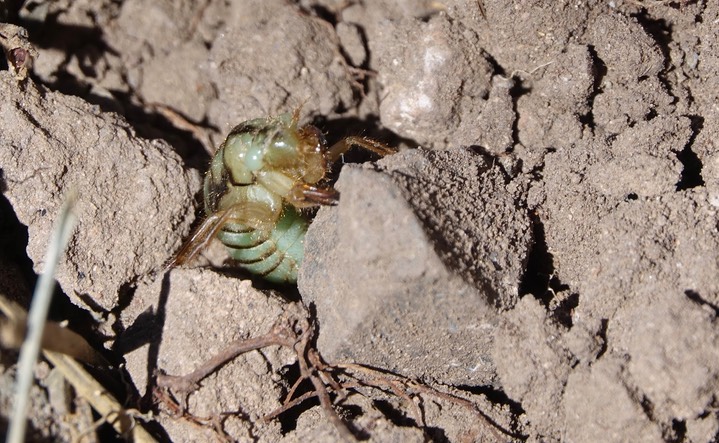
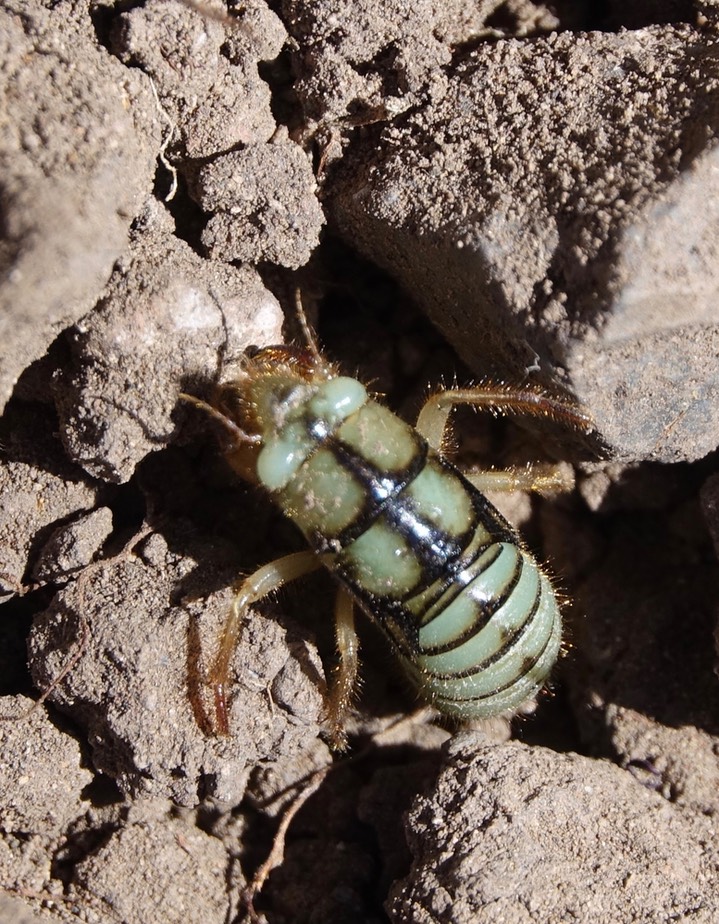
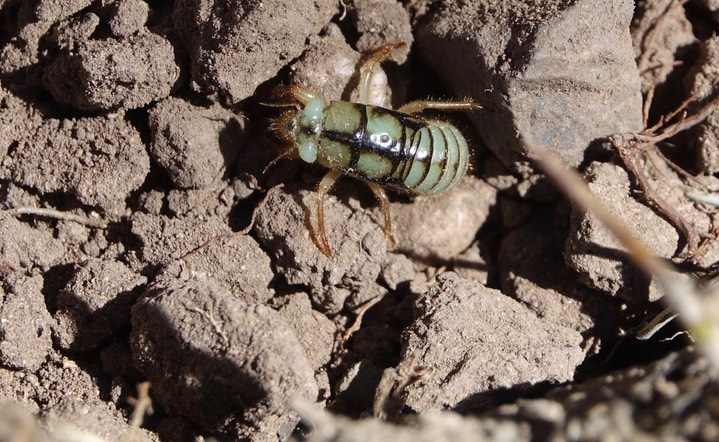
Platypedia ?
Nymph of one of the cicada species.
Hillsboro
Dug up - did not come to surface voluntarily.
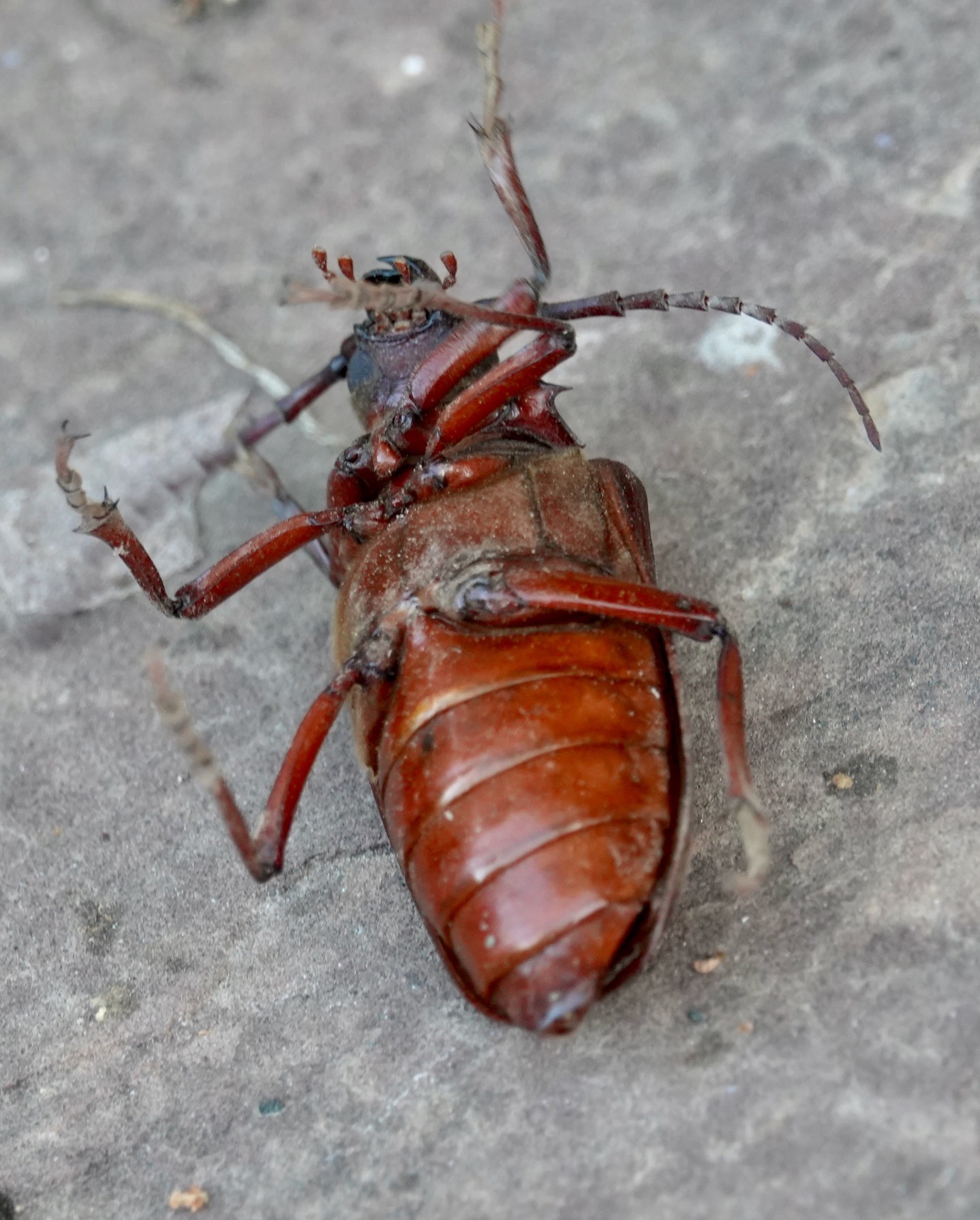
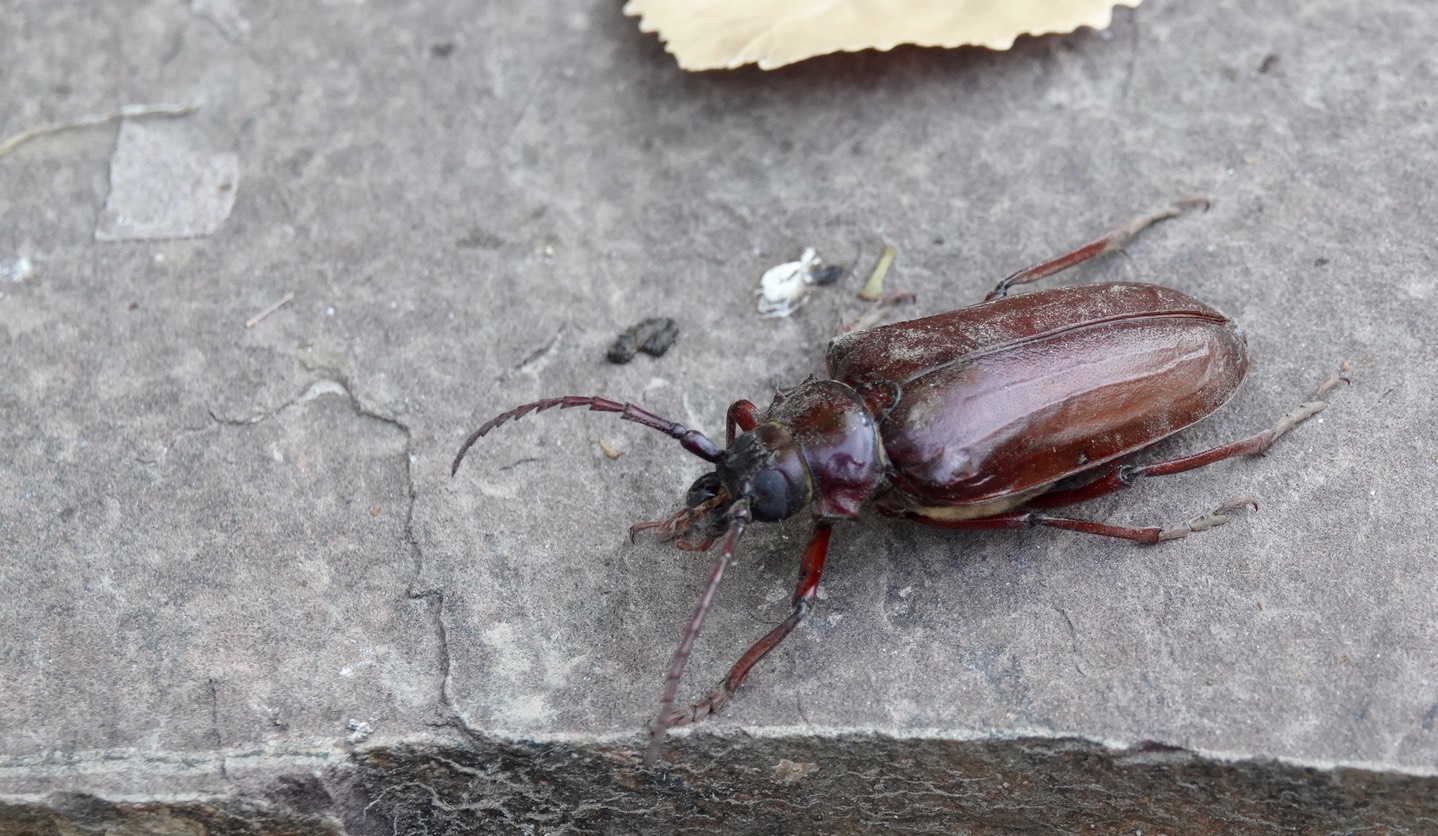
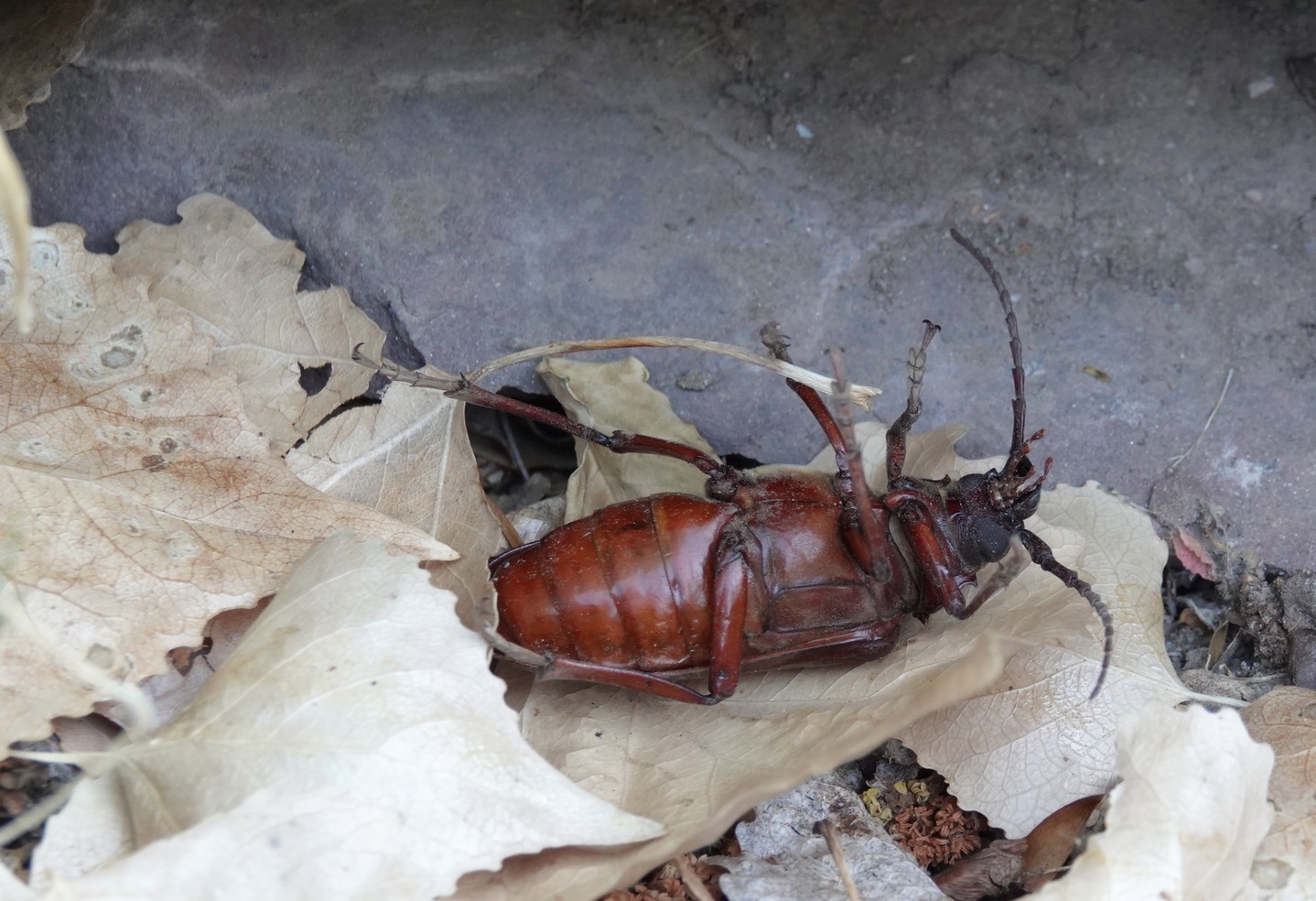
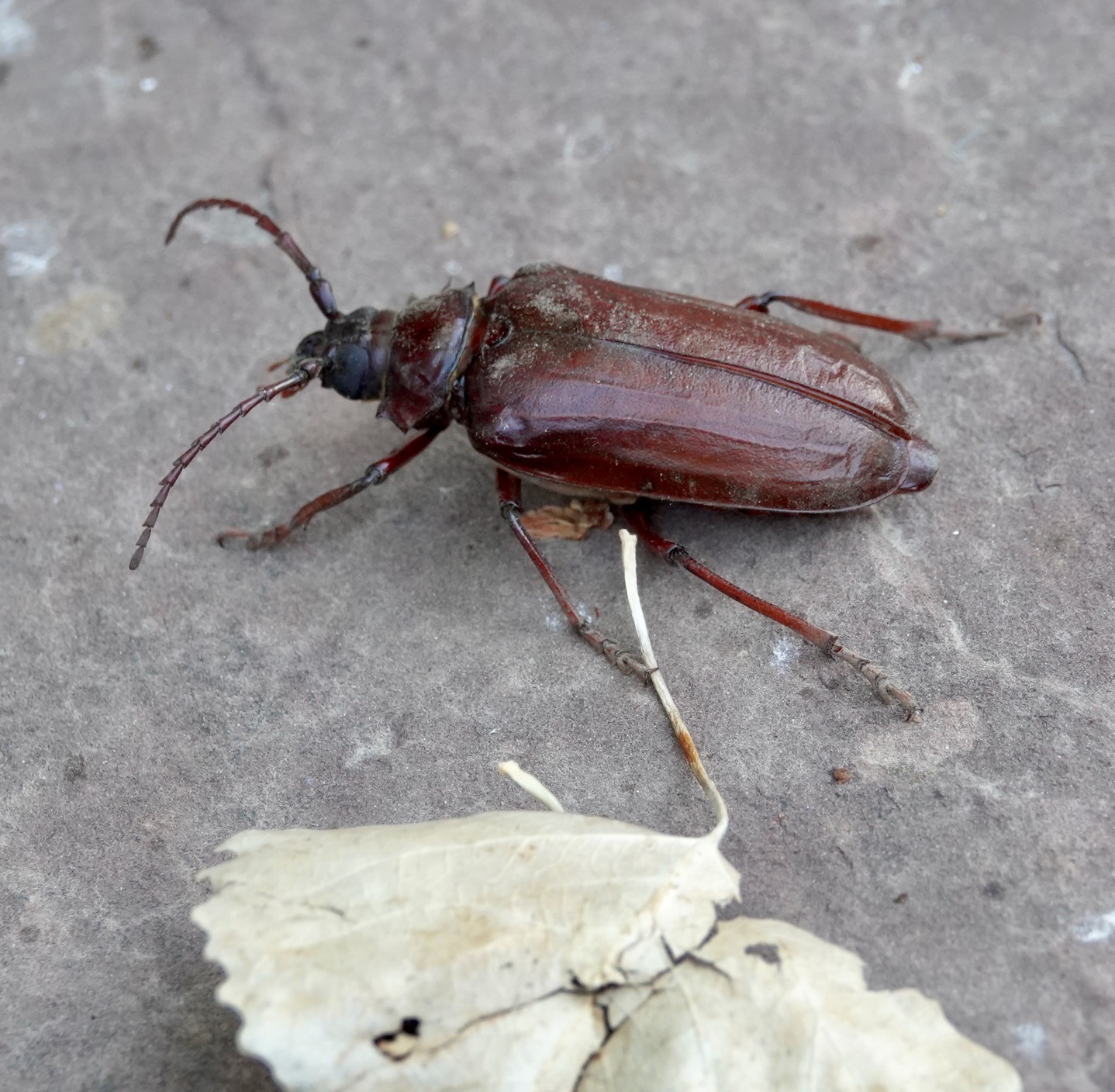
Prionus californicus
California Prionus or Giant Root Borer
Hillsboro
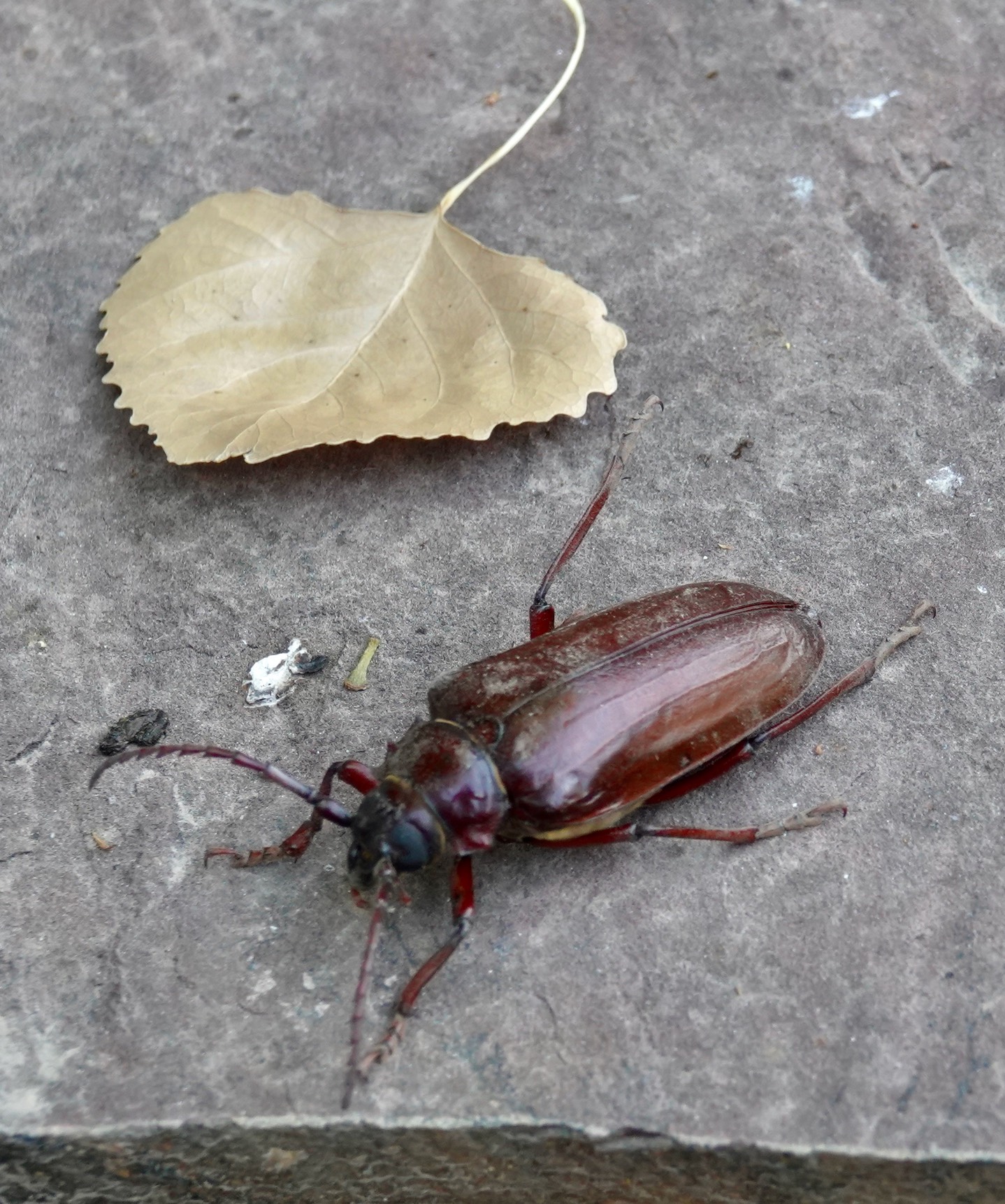
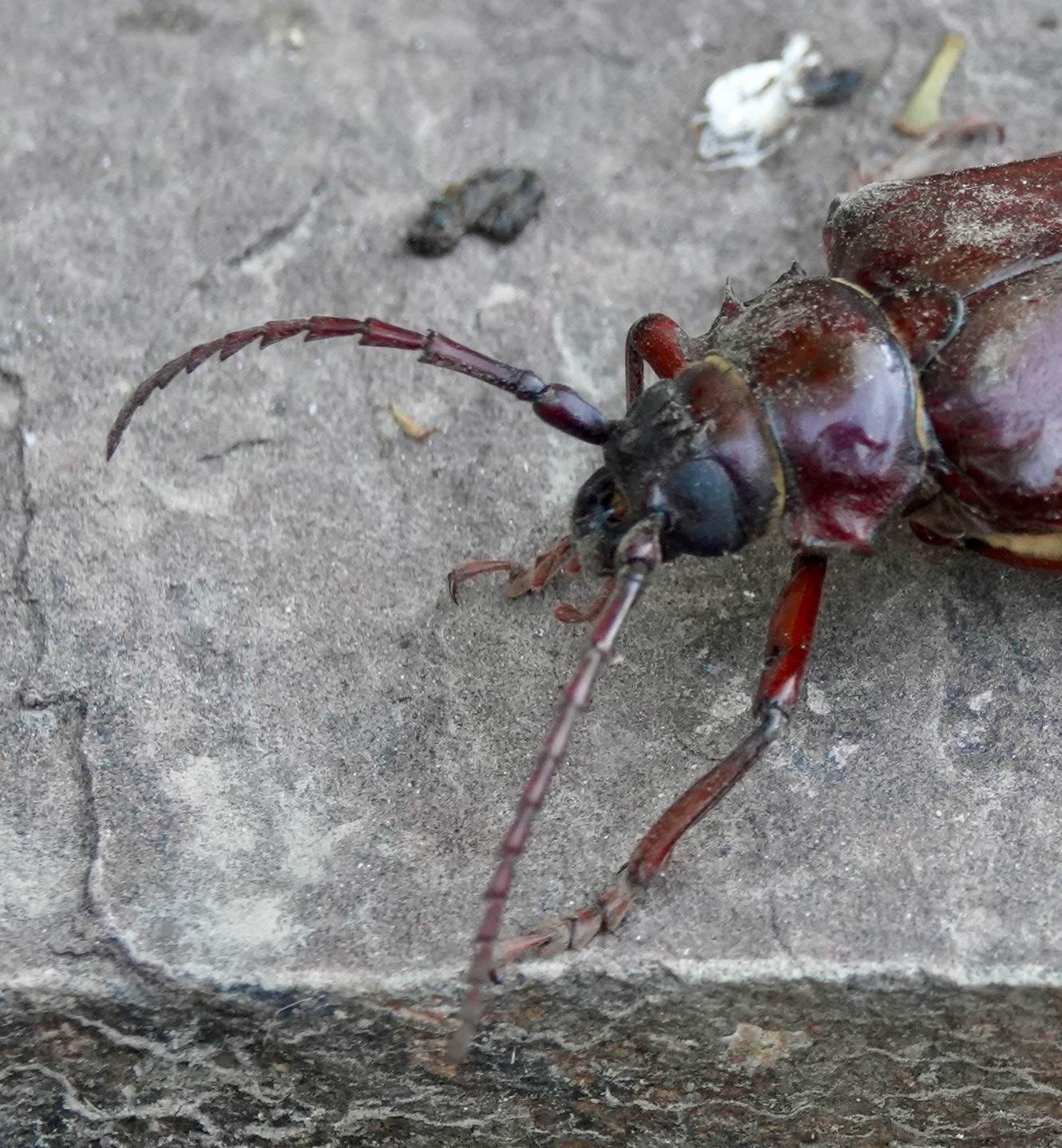
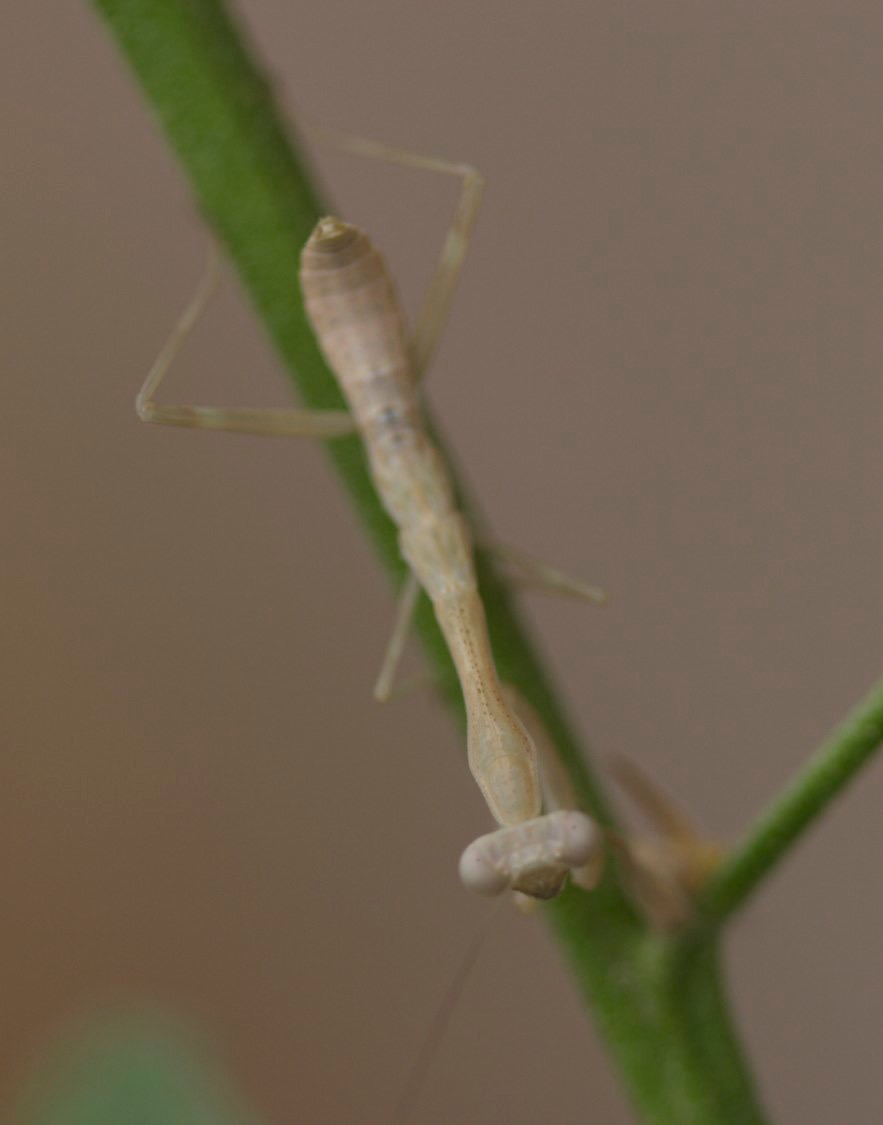
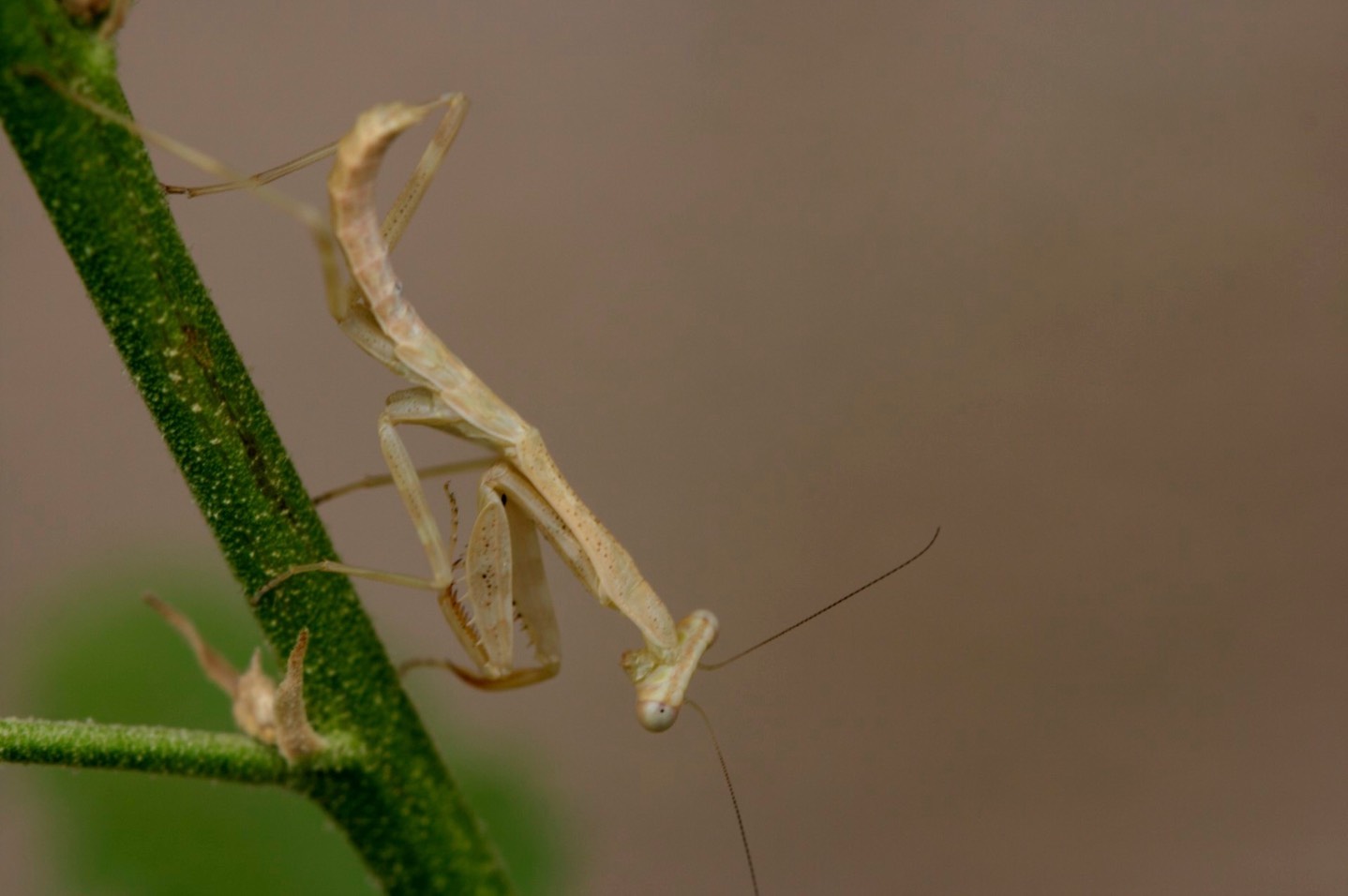
Stagmomantis californica ?
Praying Mantis
Hillsboro
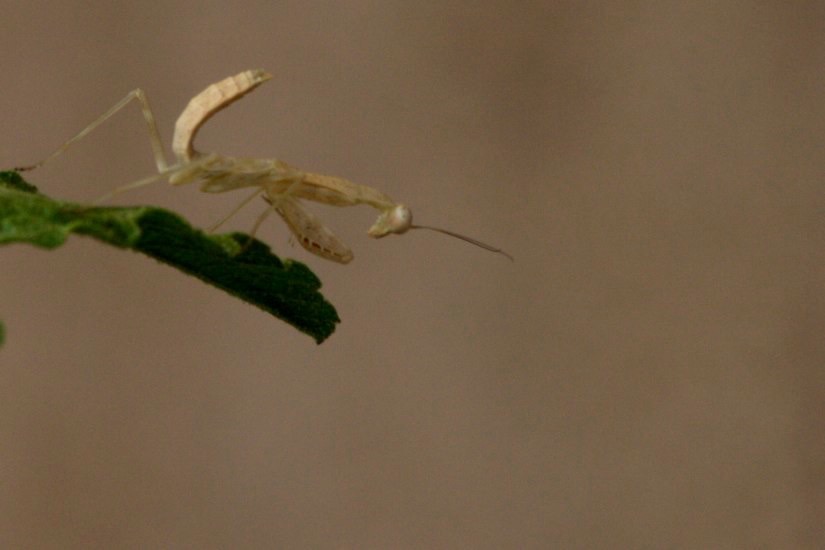
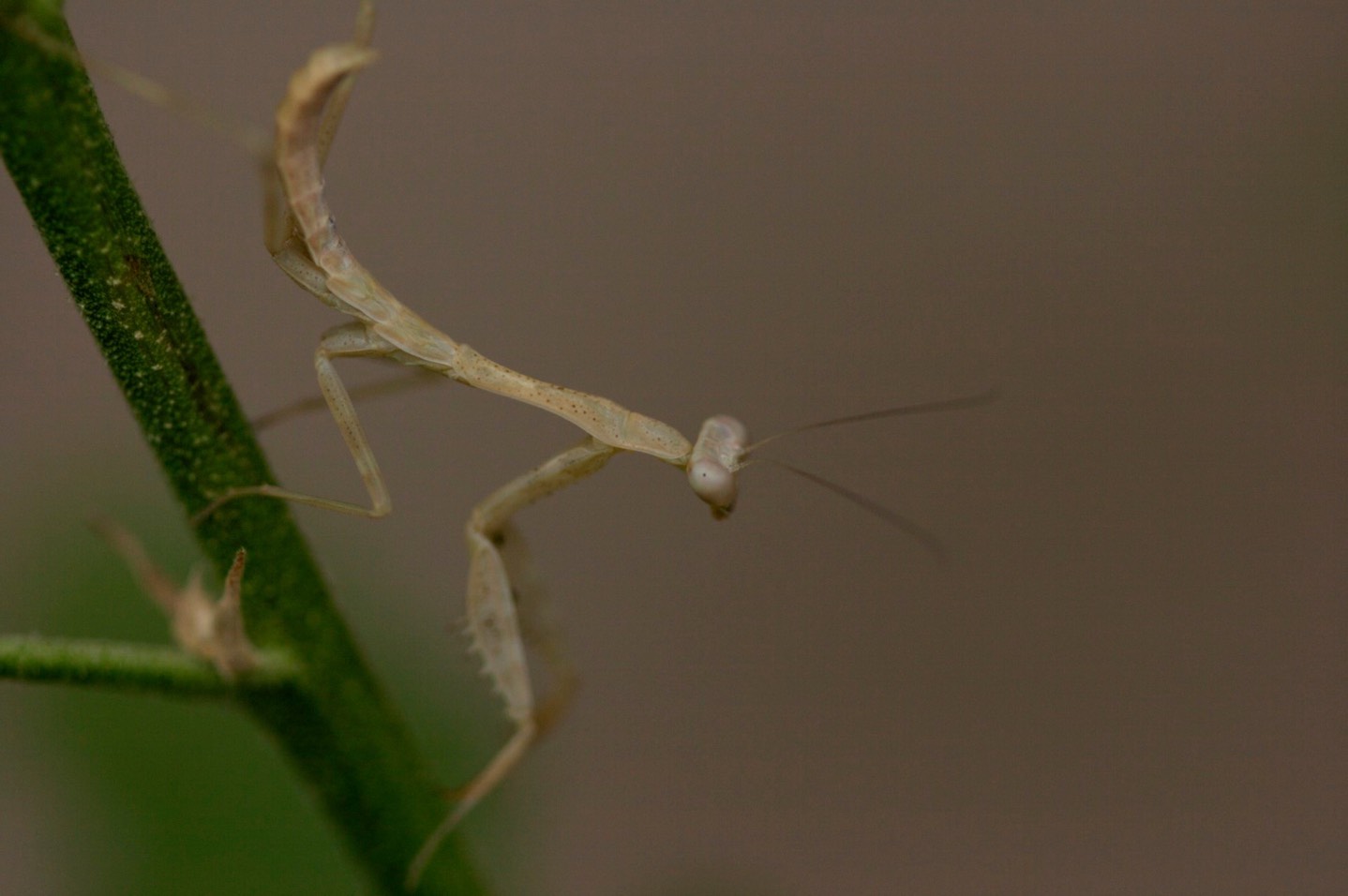
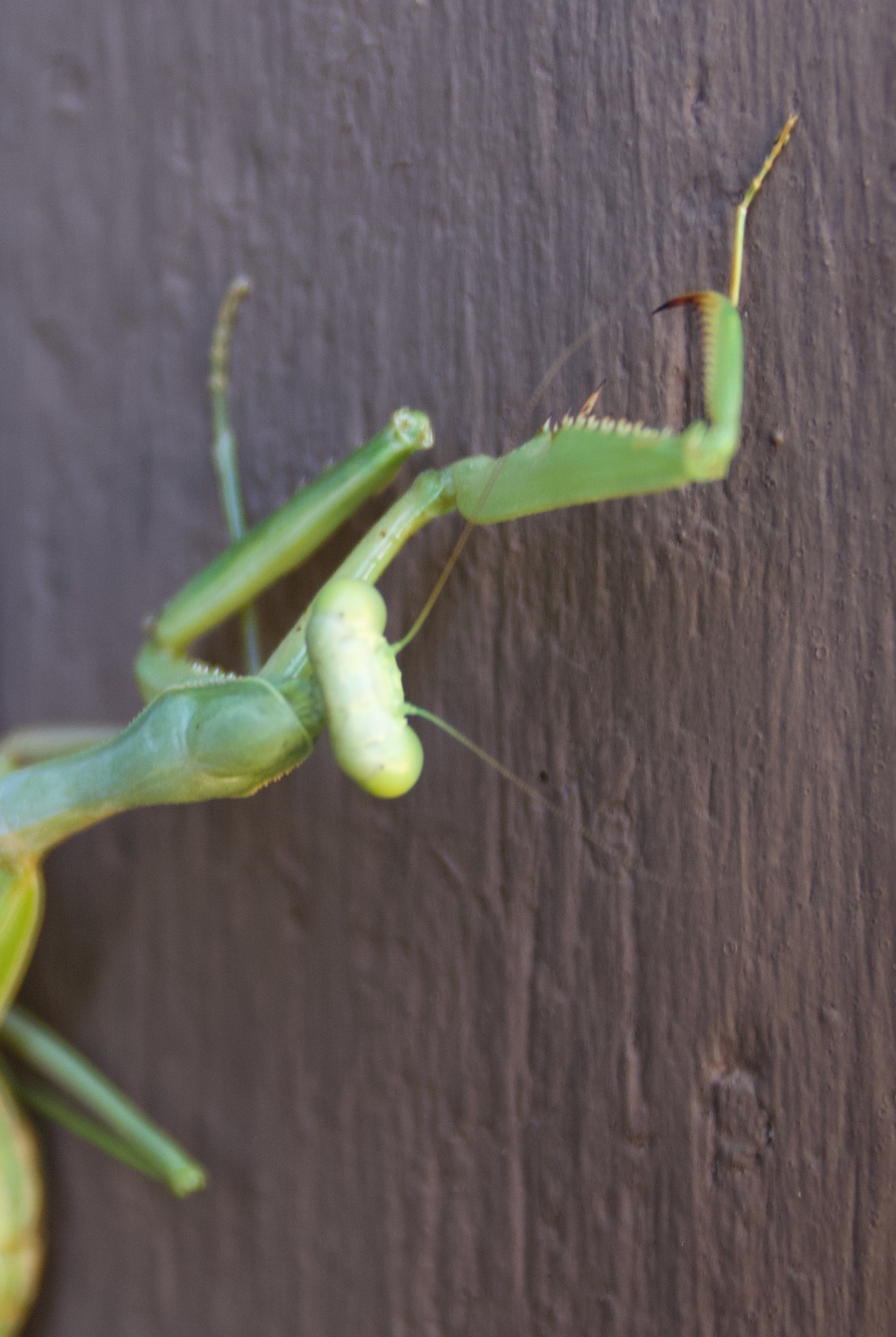
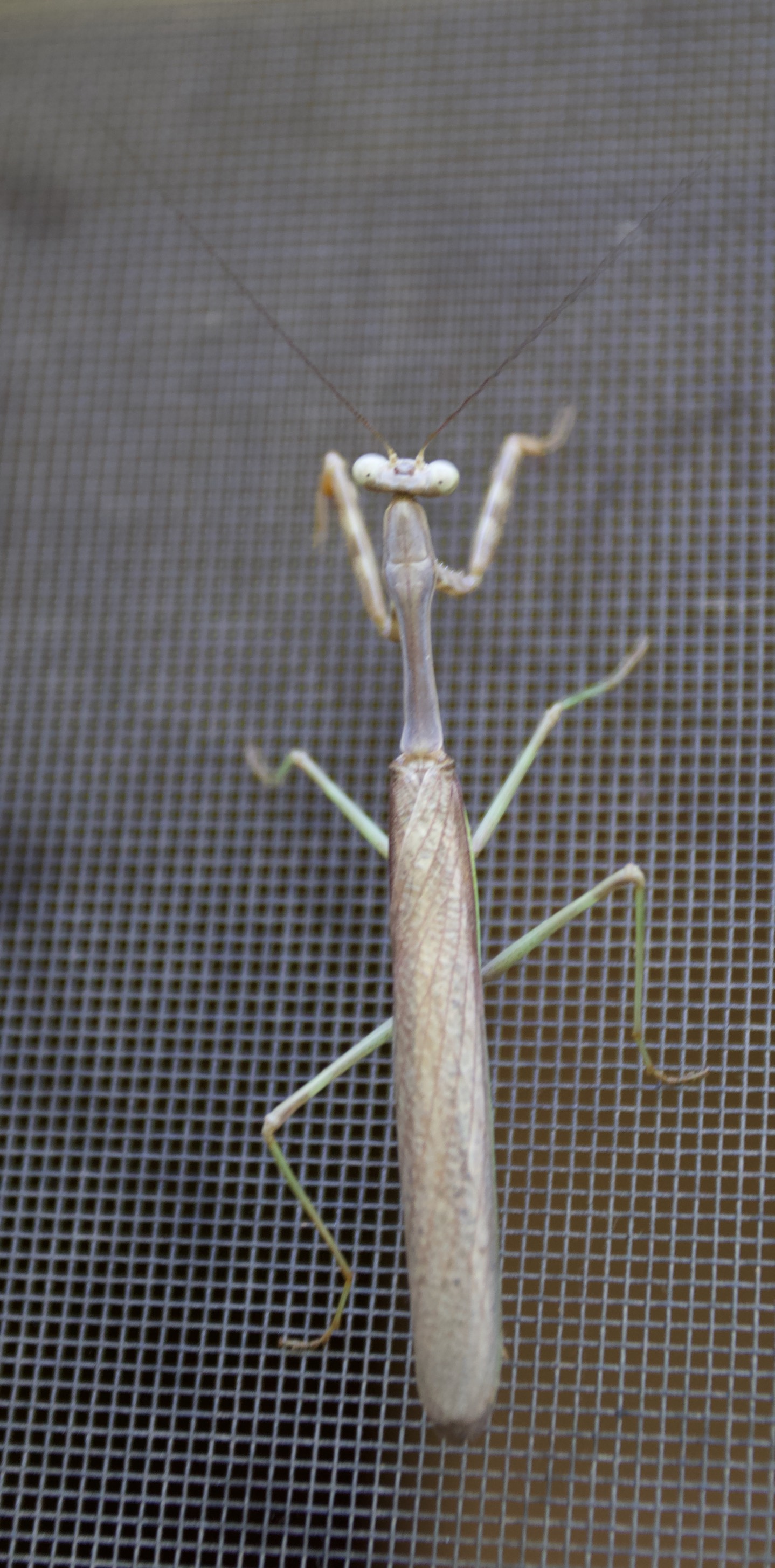
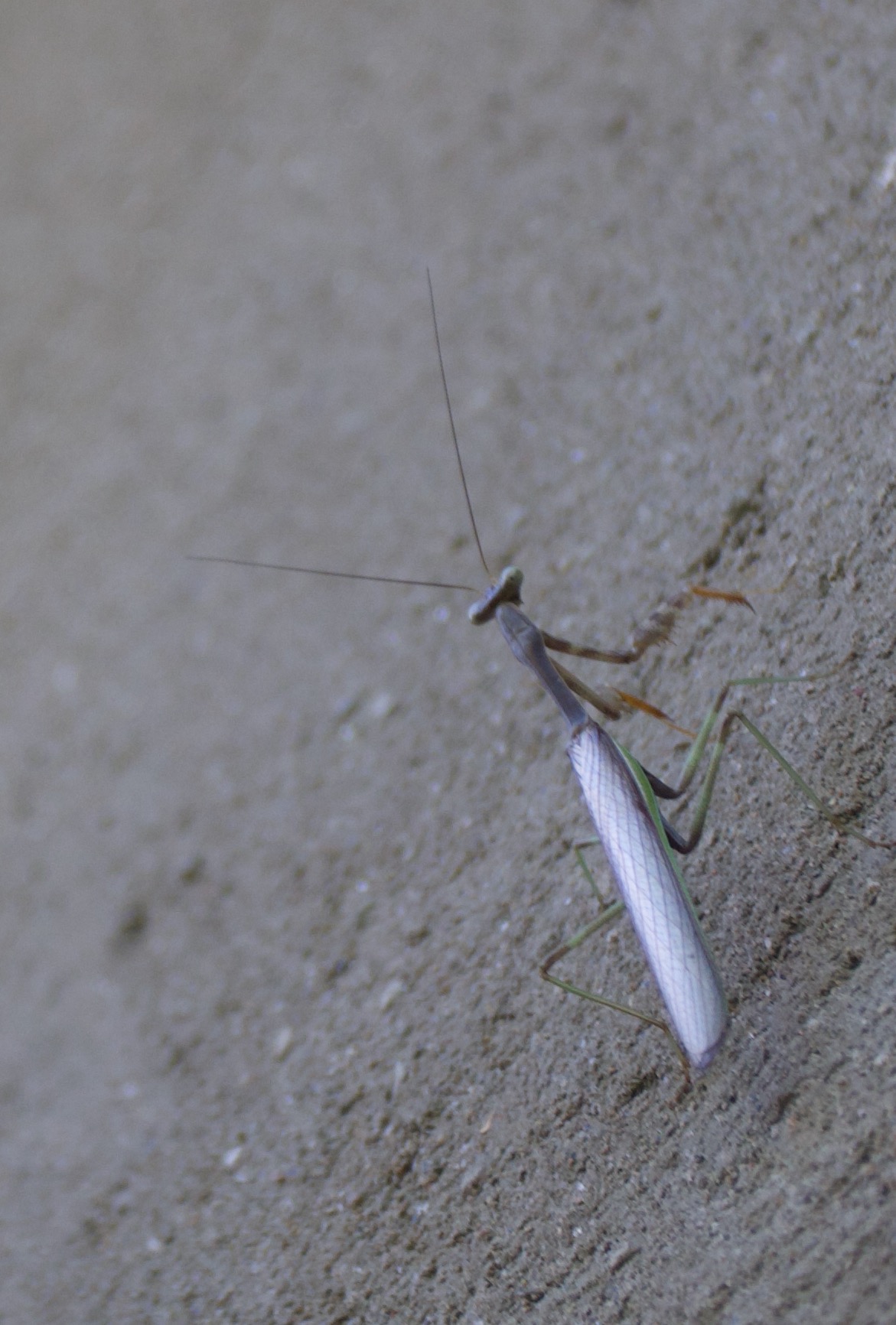
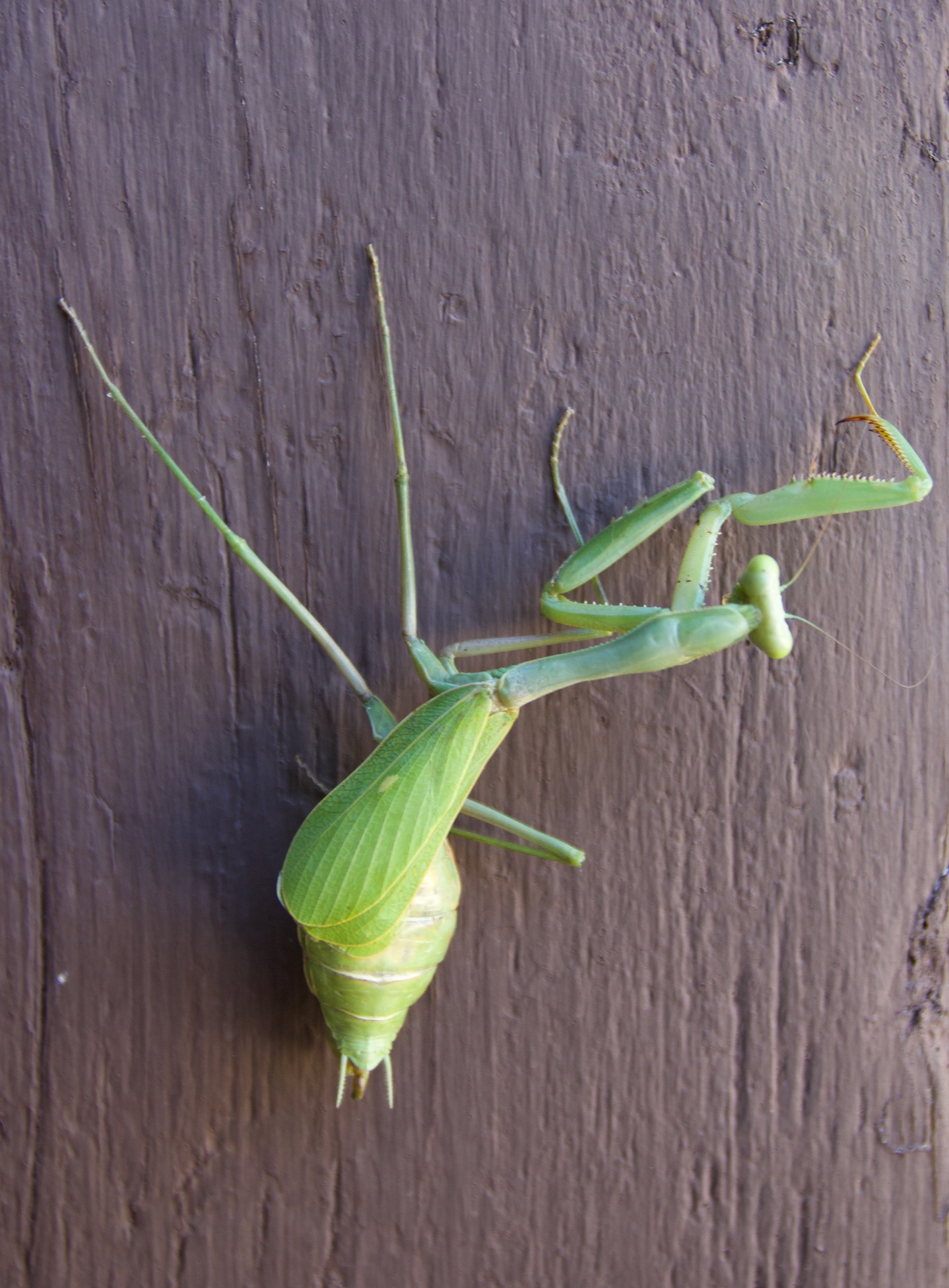
Stagmomantis limbata
Bordered Mantis
Female (large bodied)
Male (thin bodied)
Hillsboro
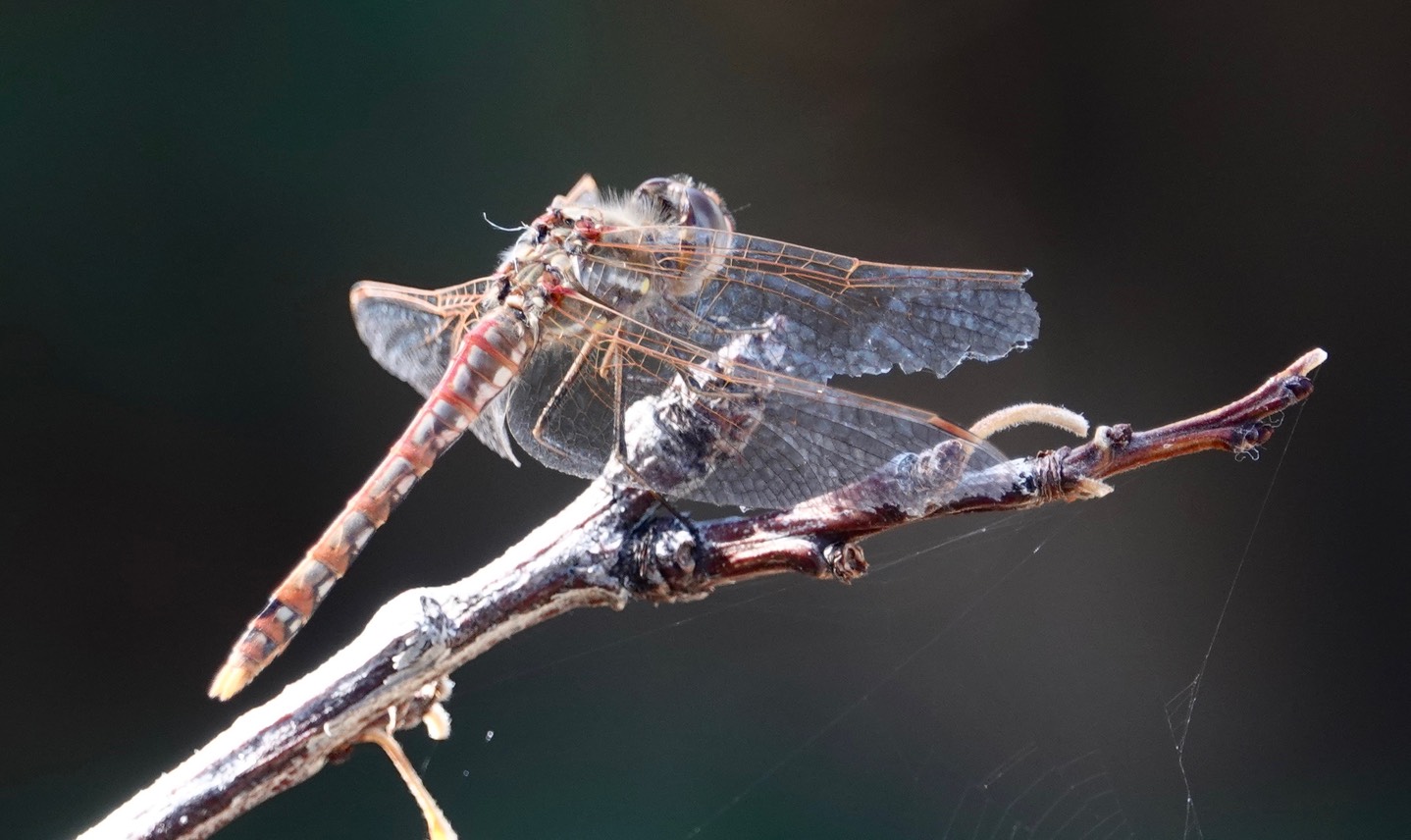
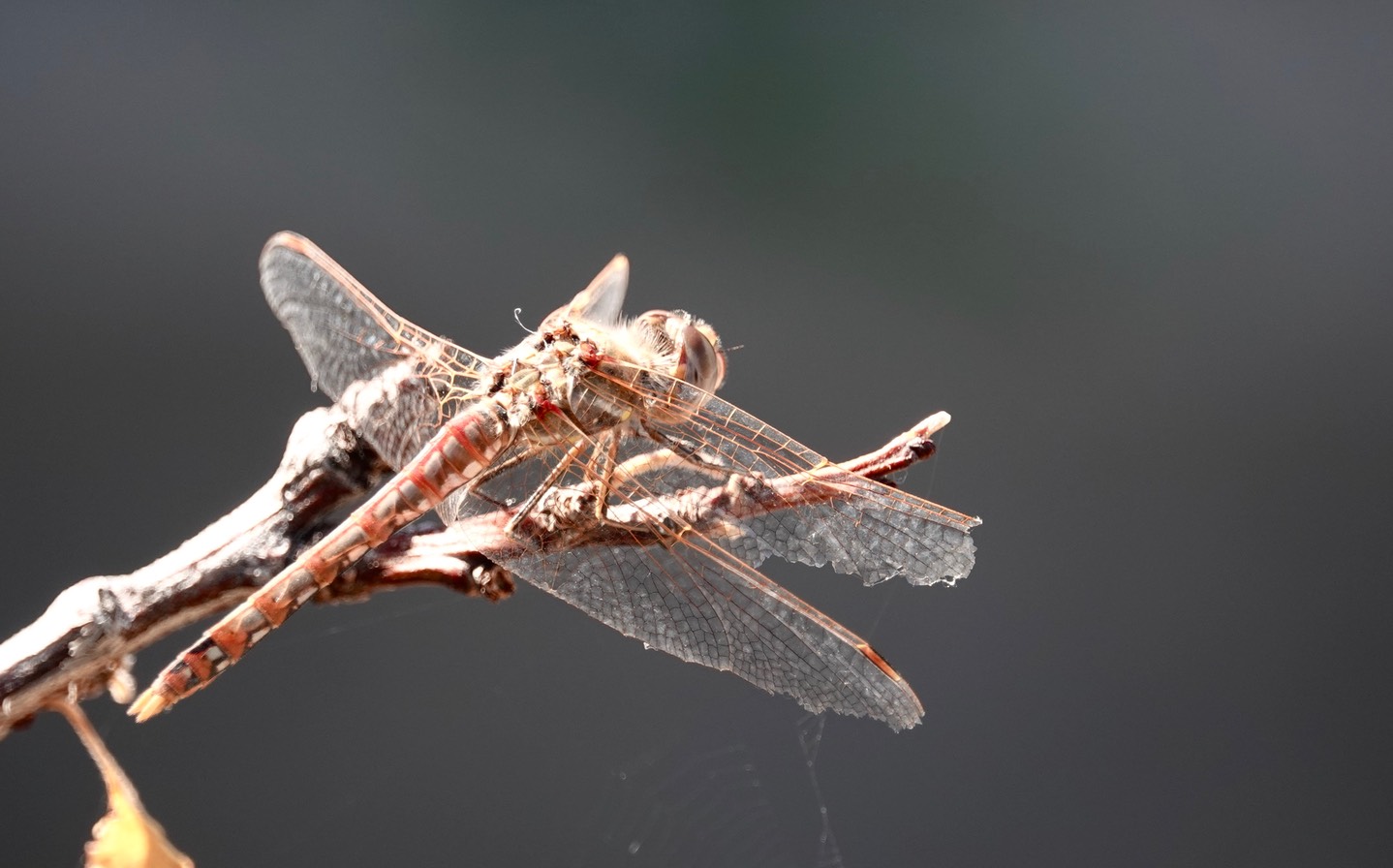
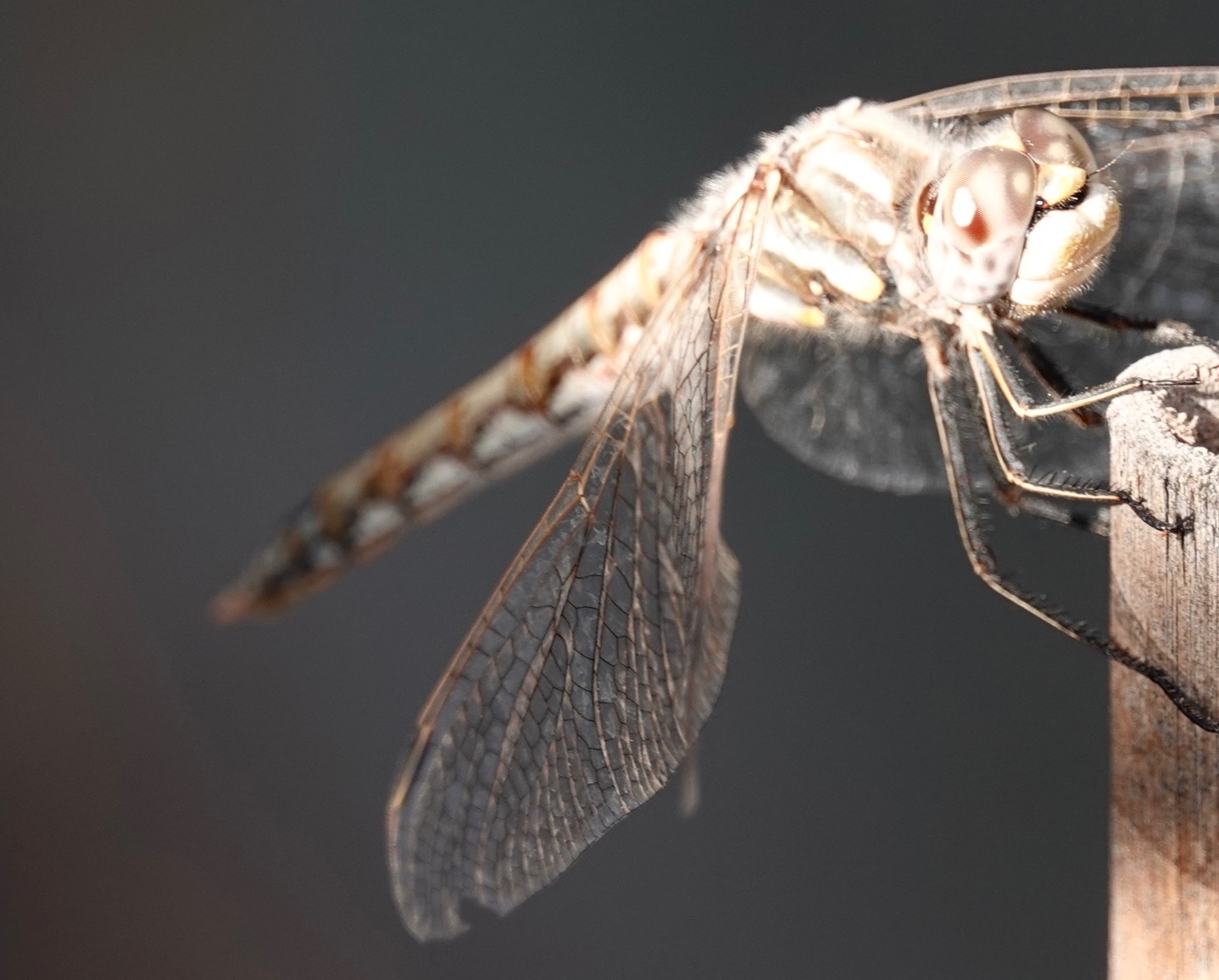
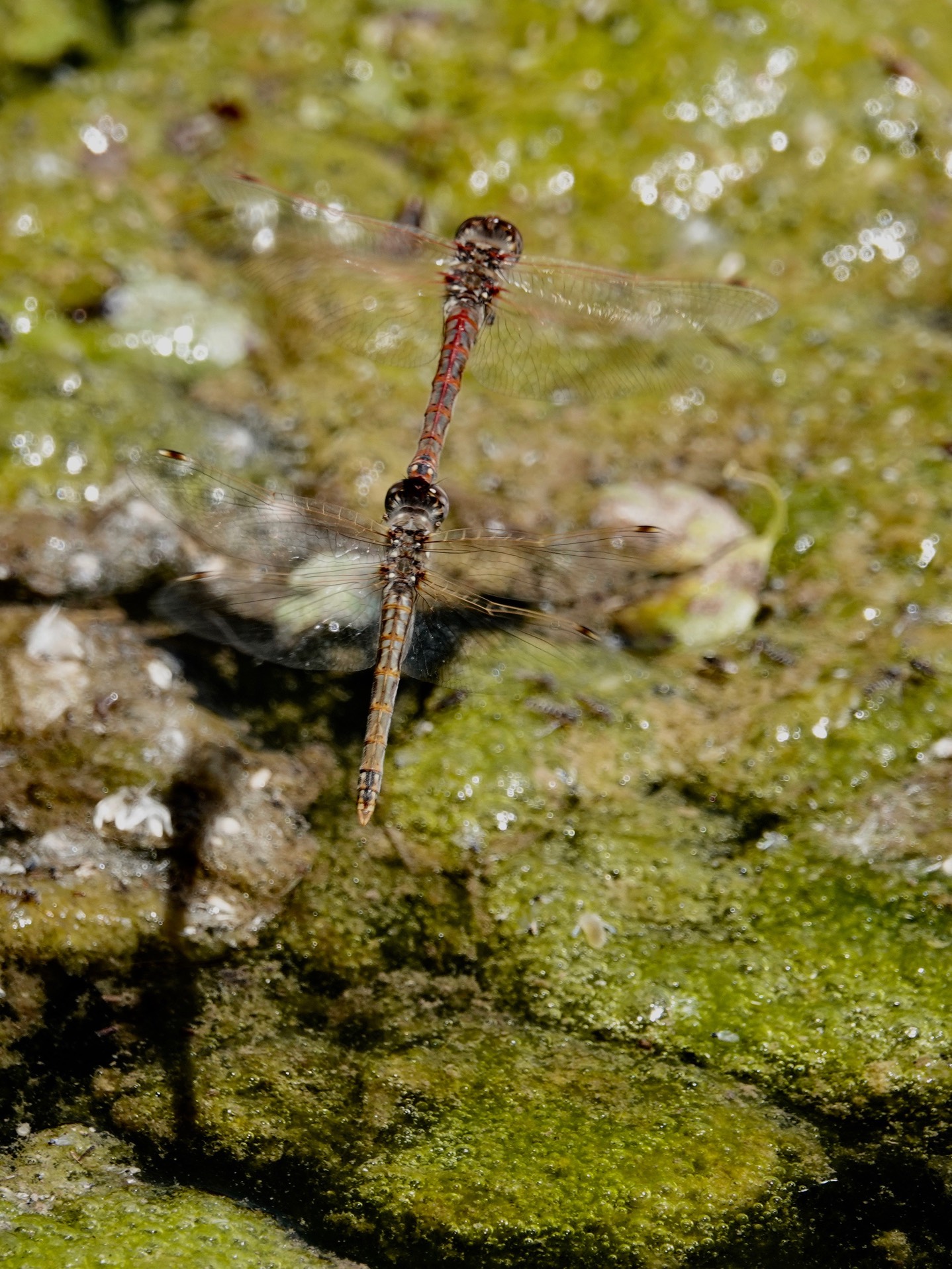
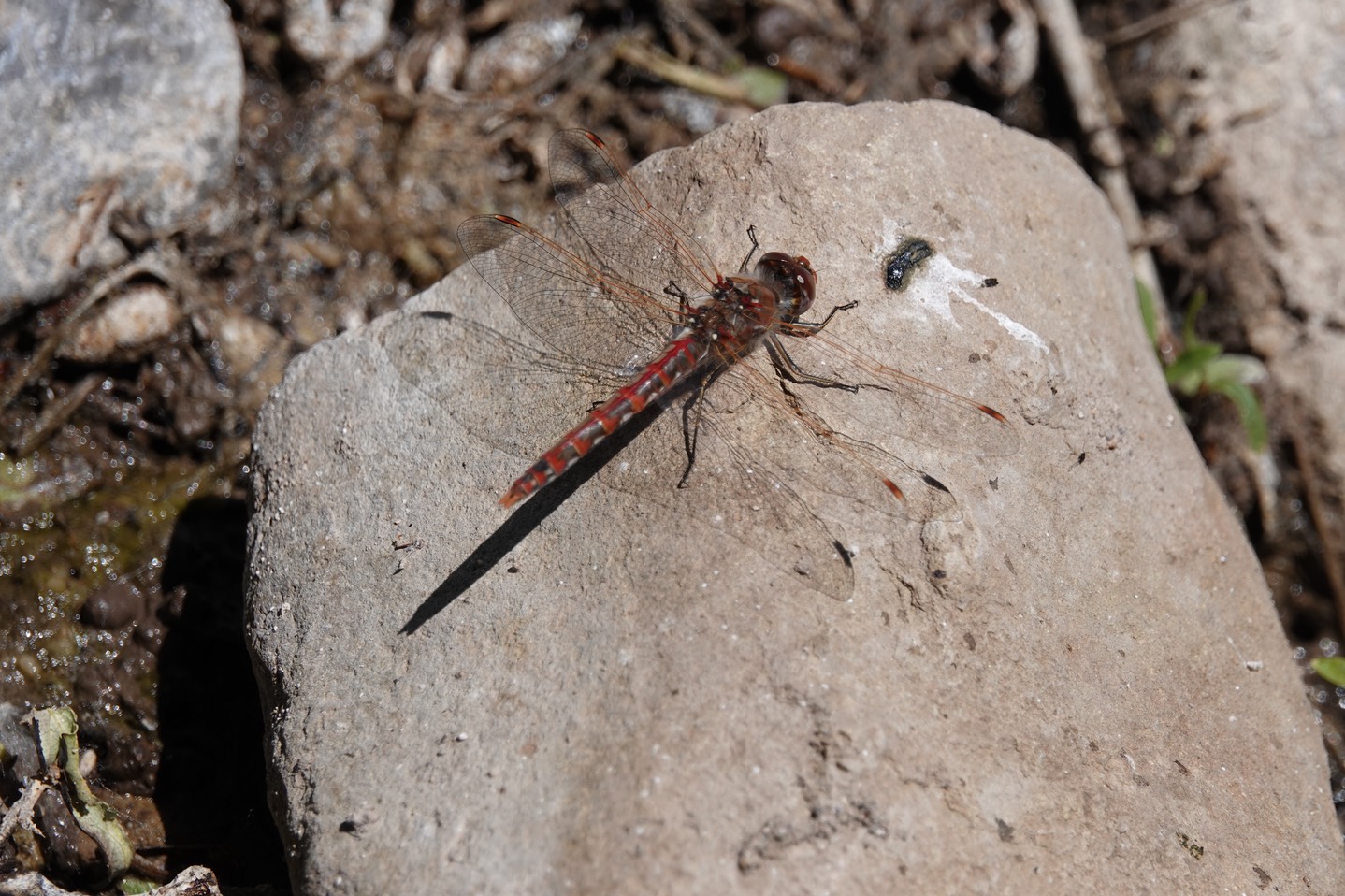
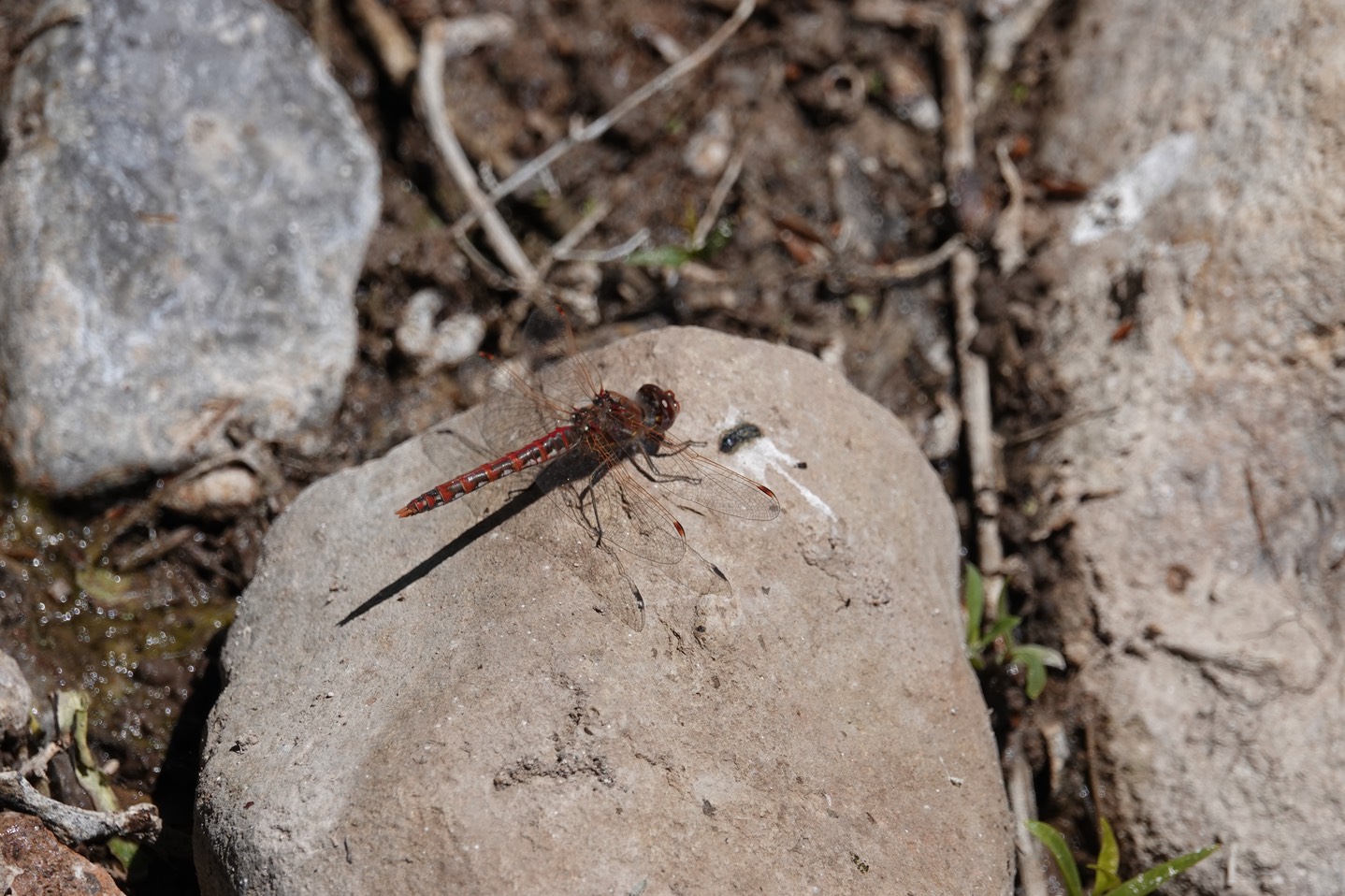
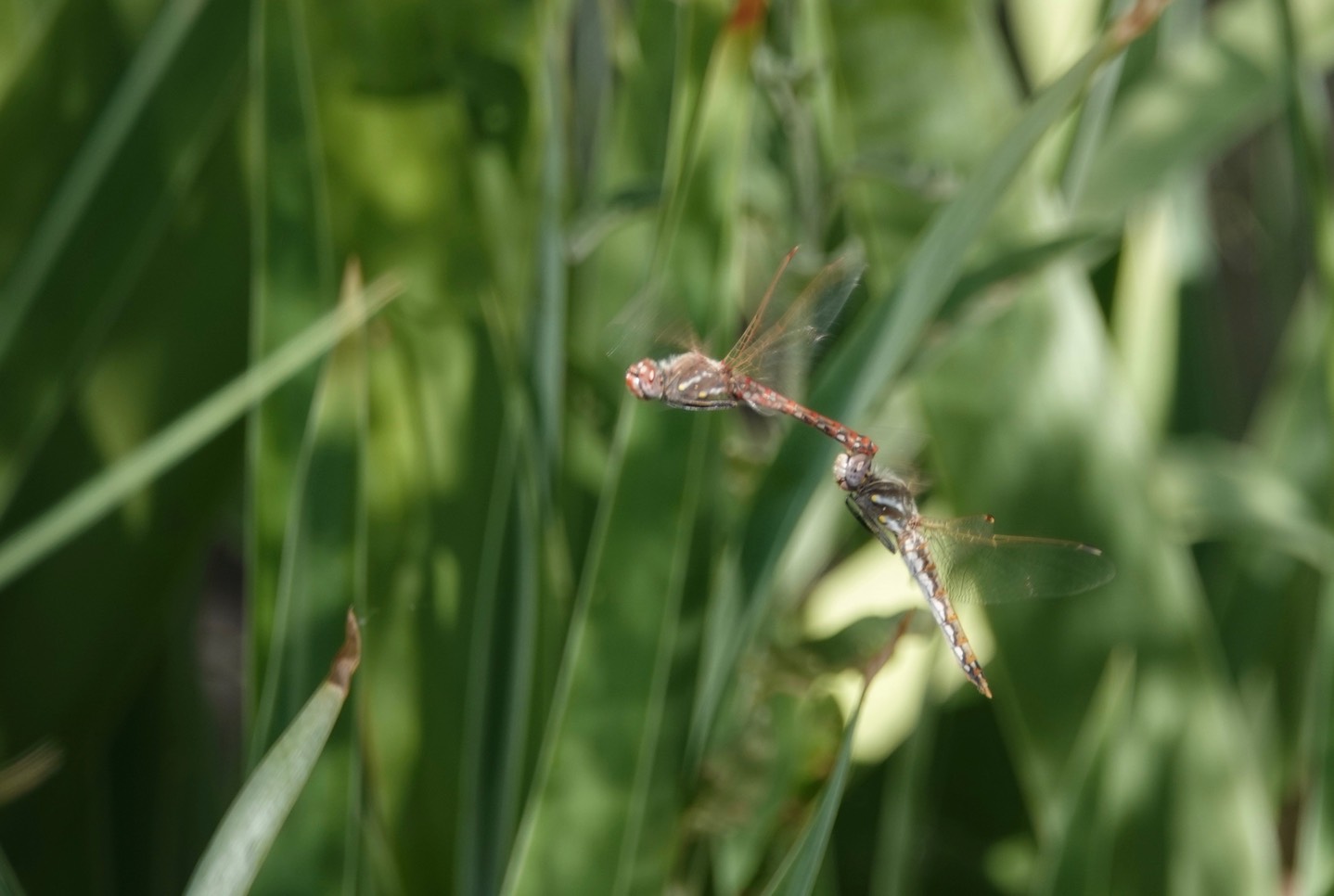
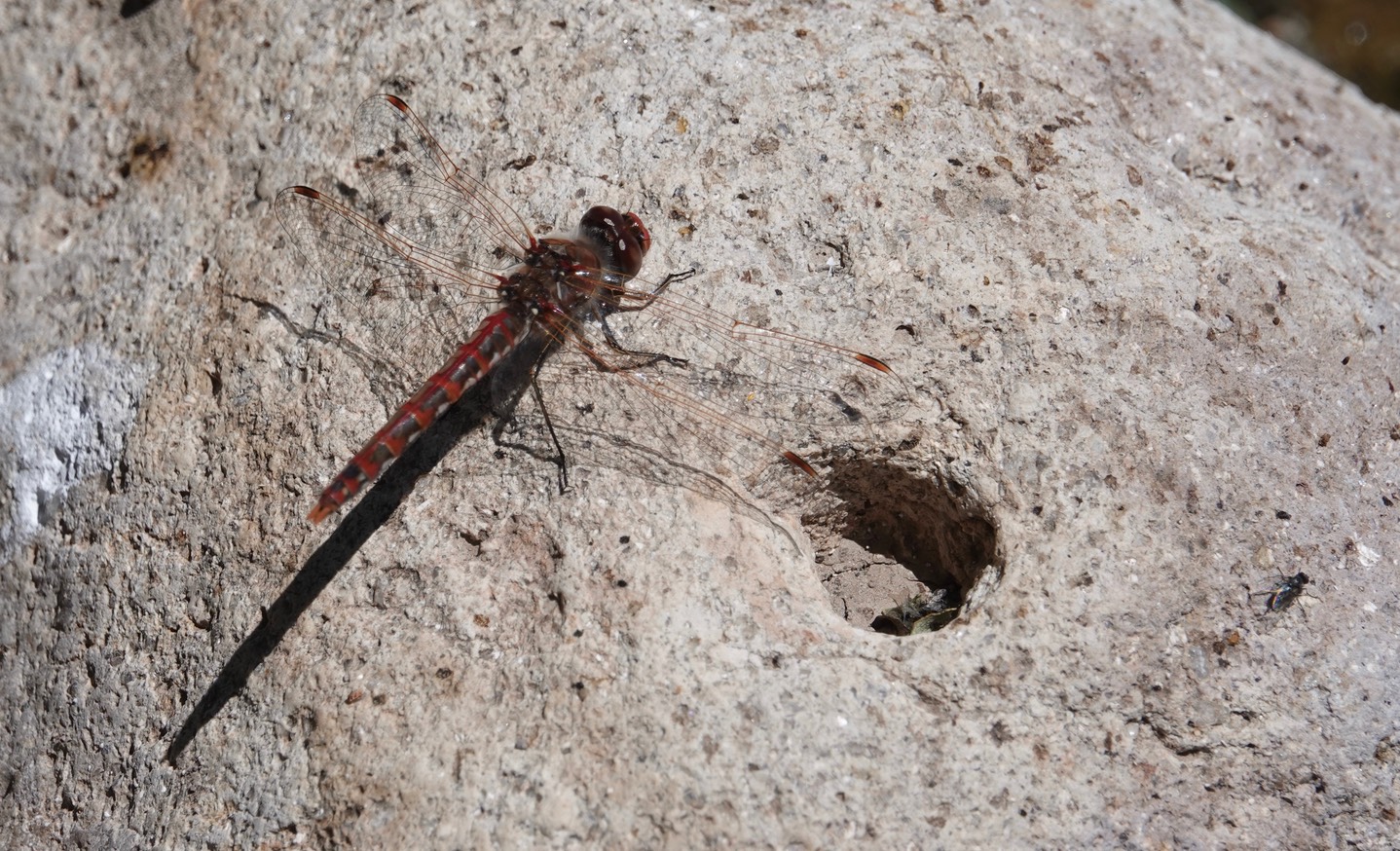
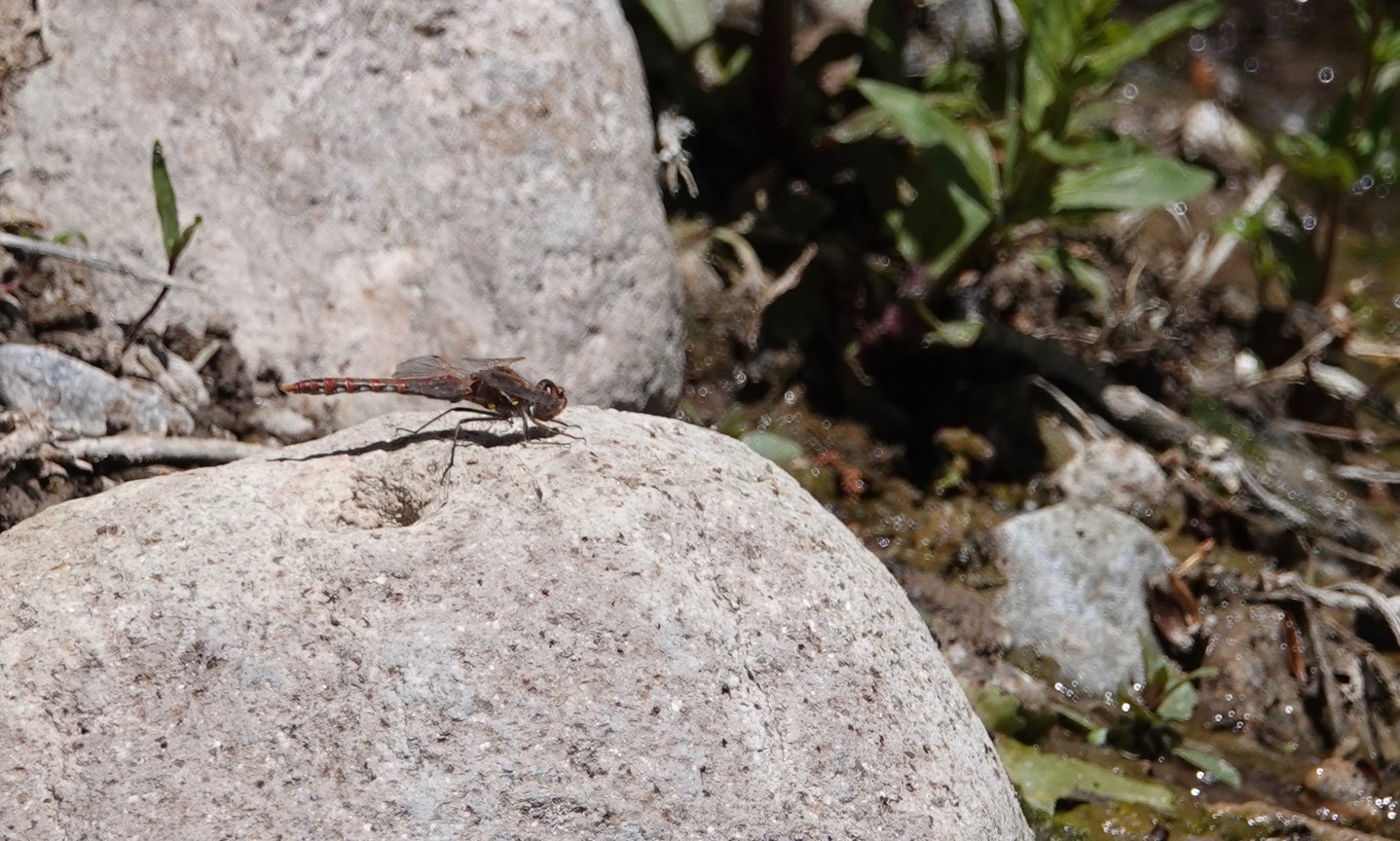
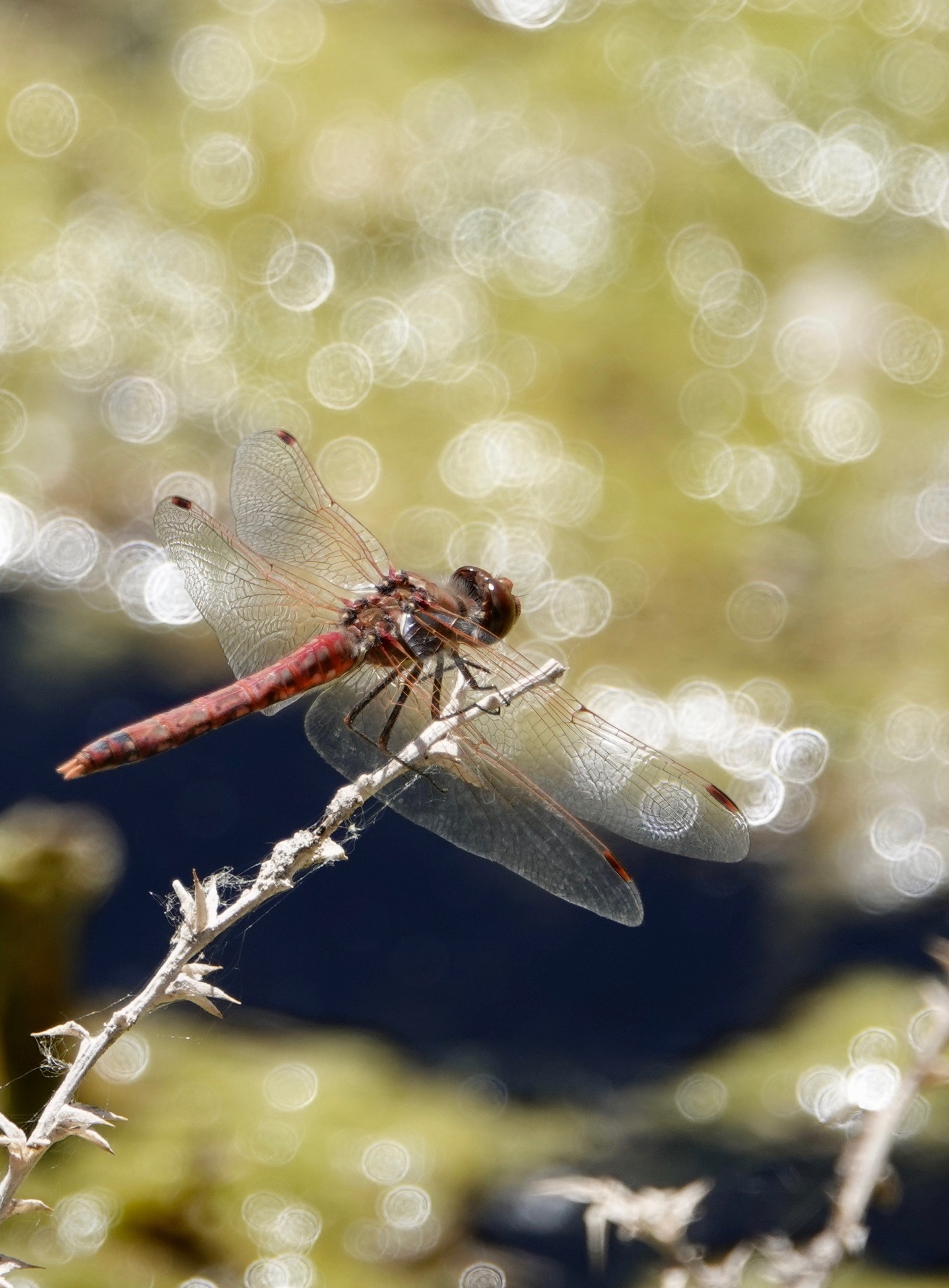
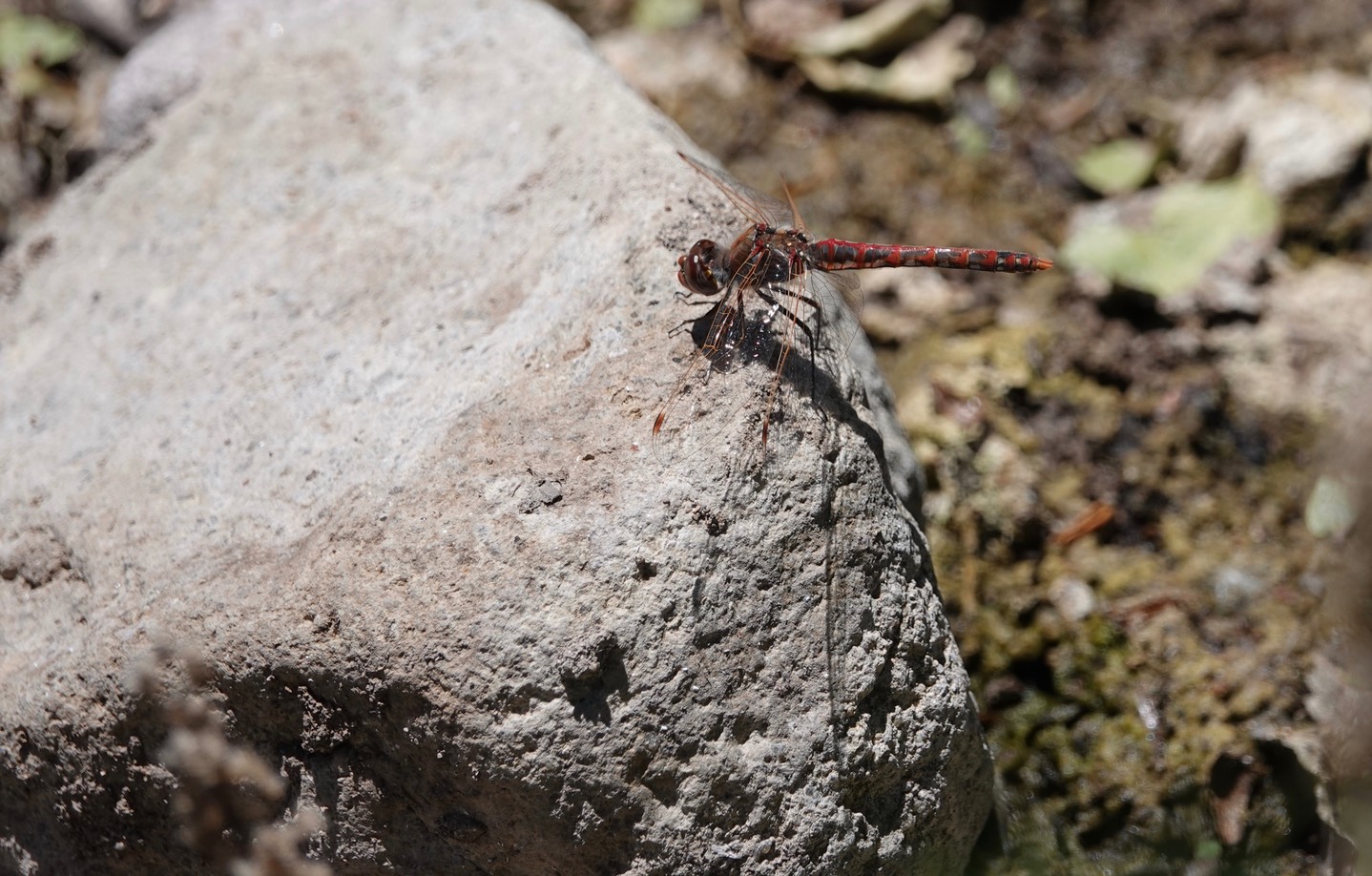
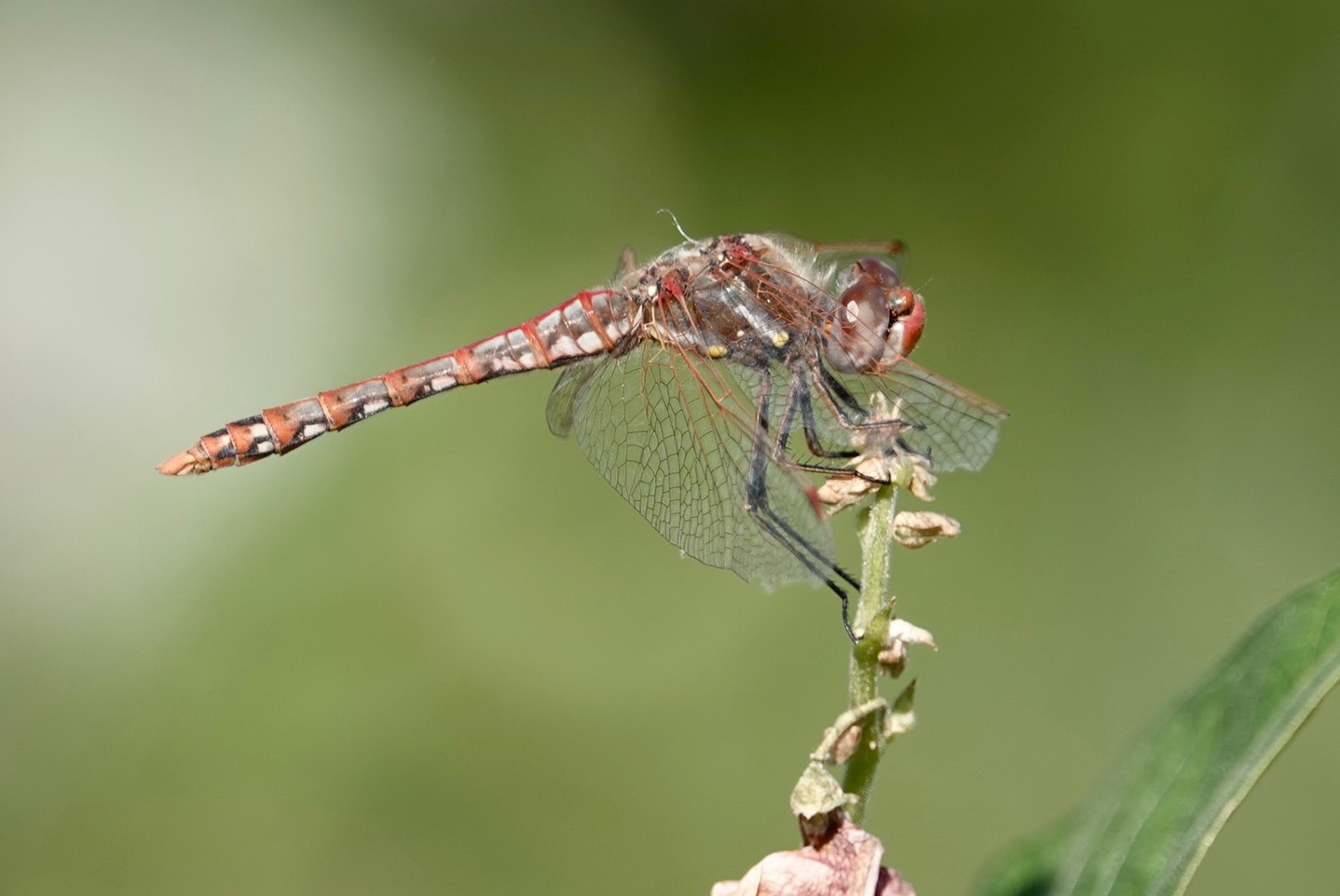
Sympetrum corruptum
Variegated Meadowhawk
Hillsboro
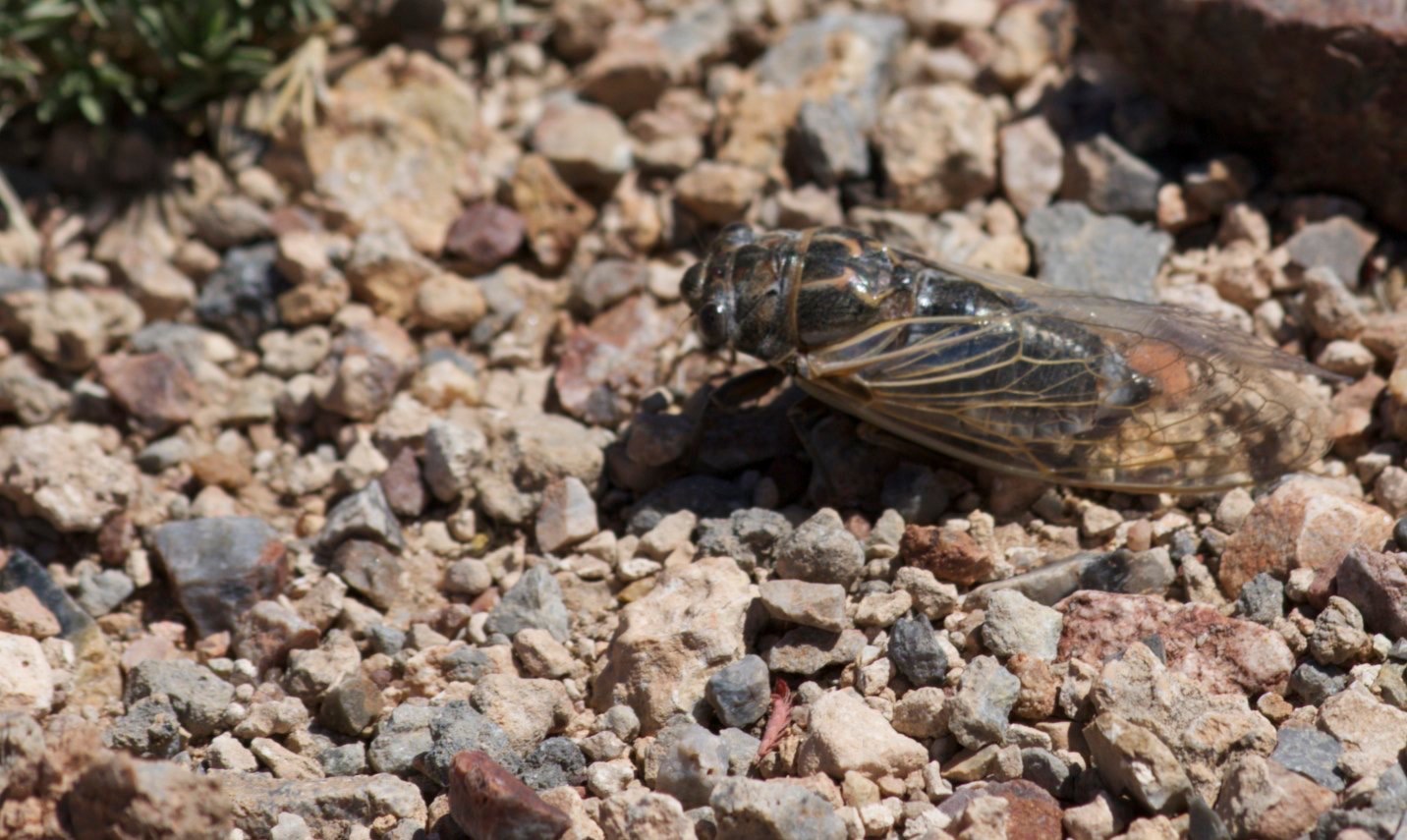
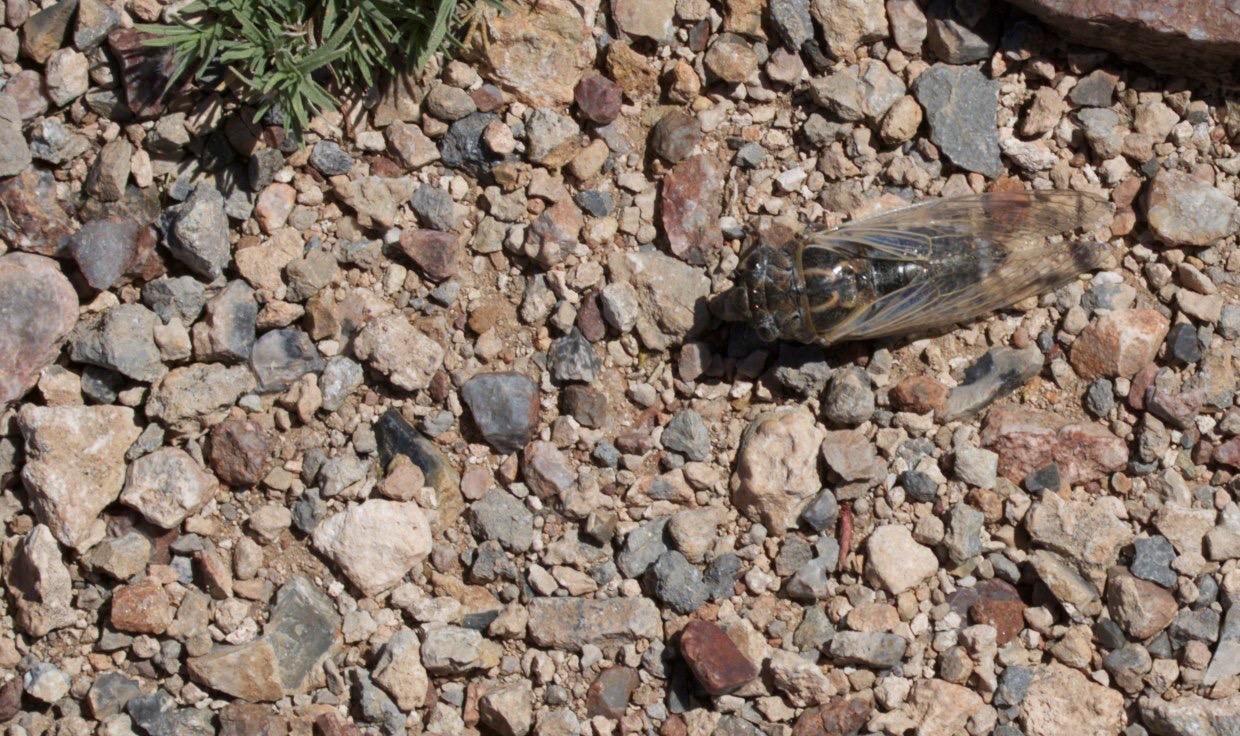
Tibicen (sp?)
Annual Cicada
East of Hillsboro
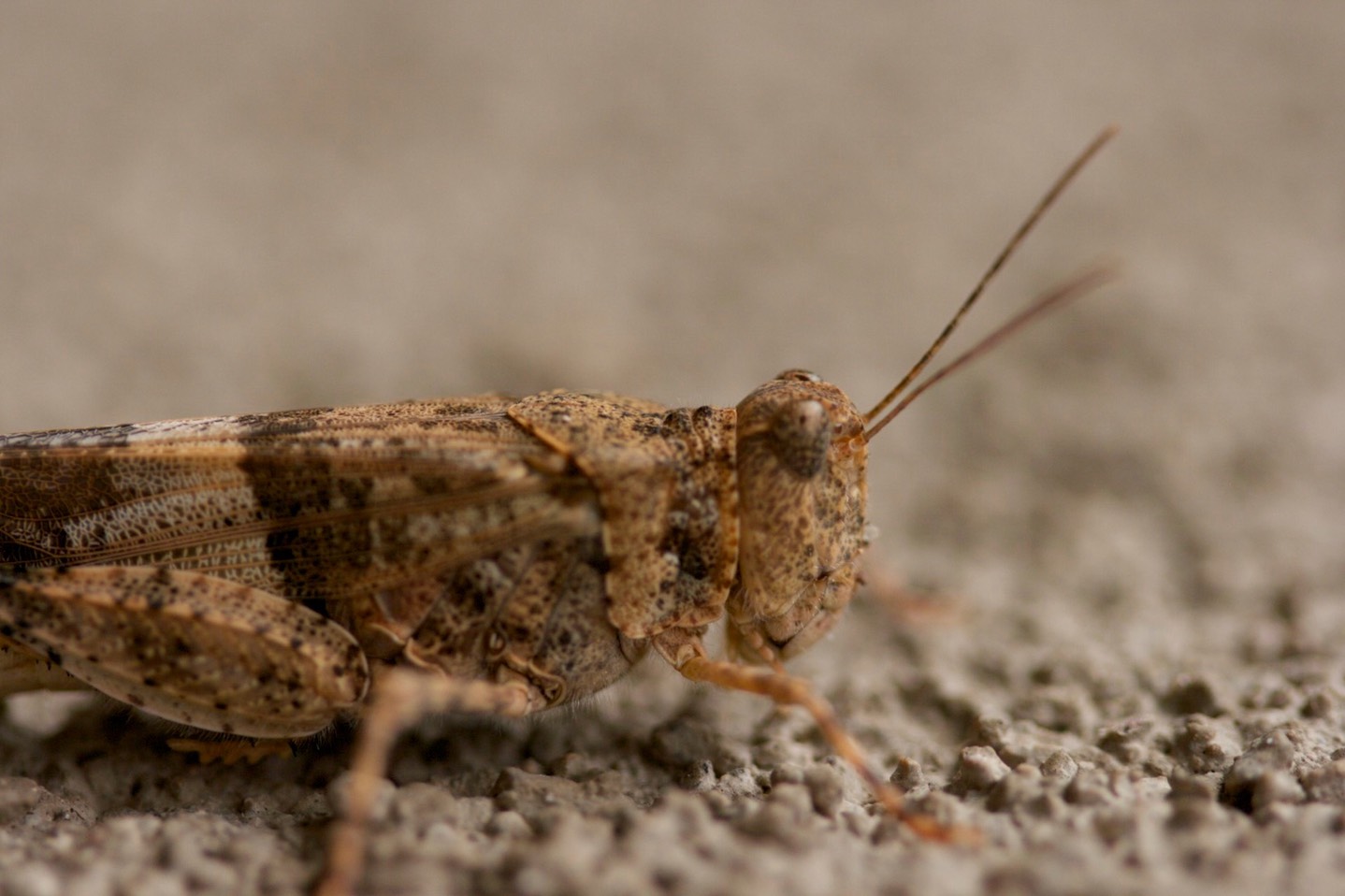
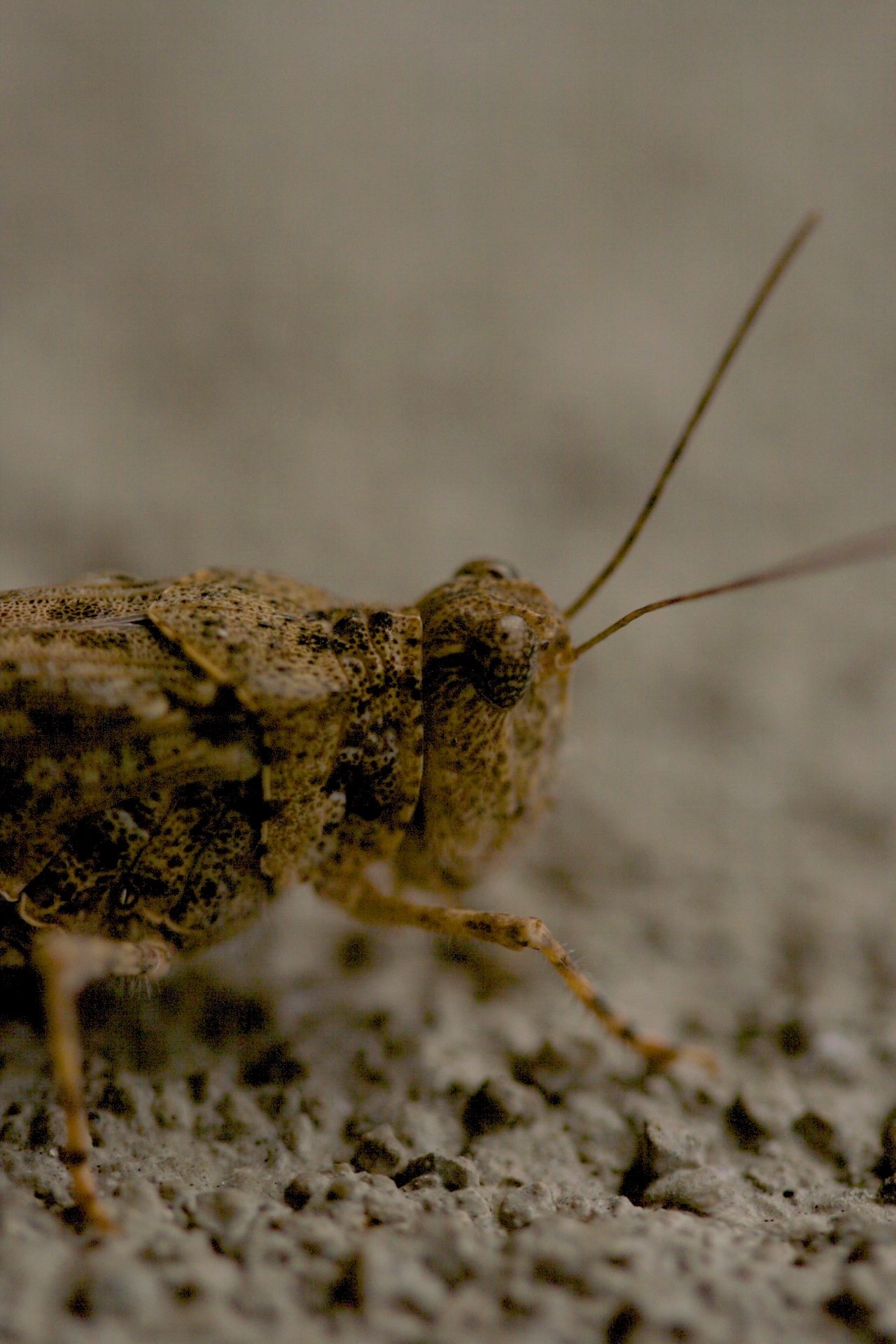
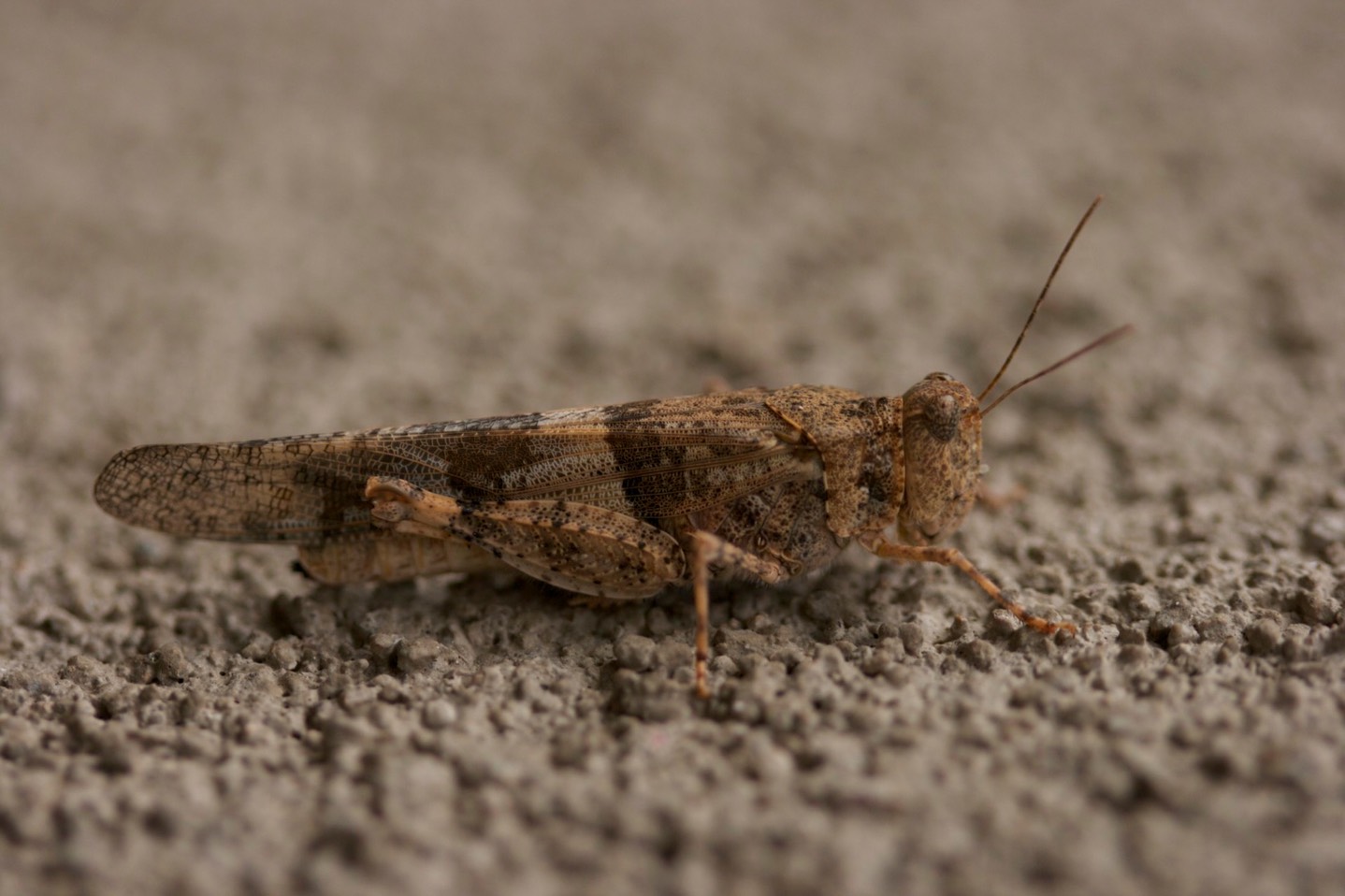
Trimerotropis pallidipennis ?
Pallidwinged Grasshopper
Hillsboro
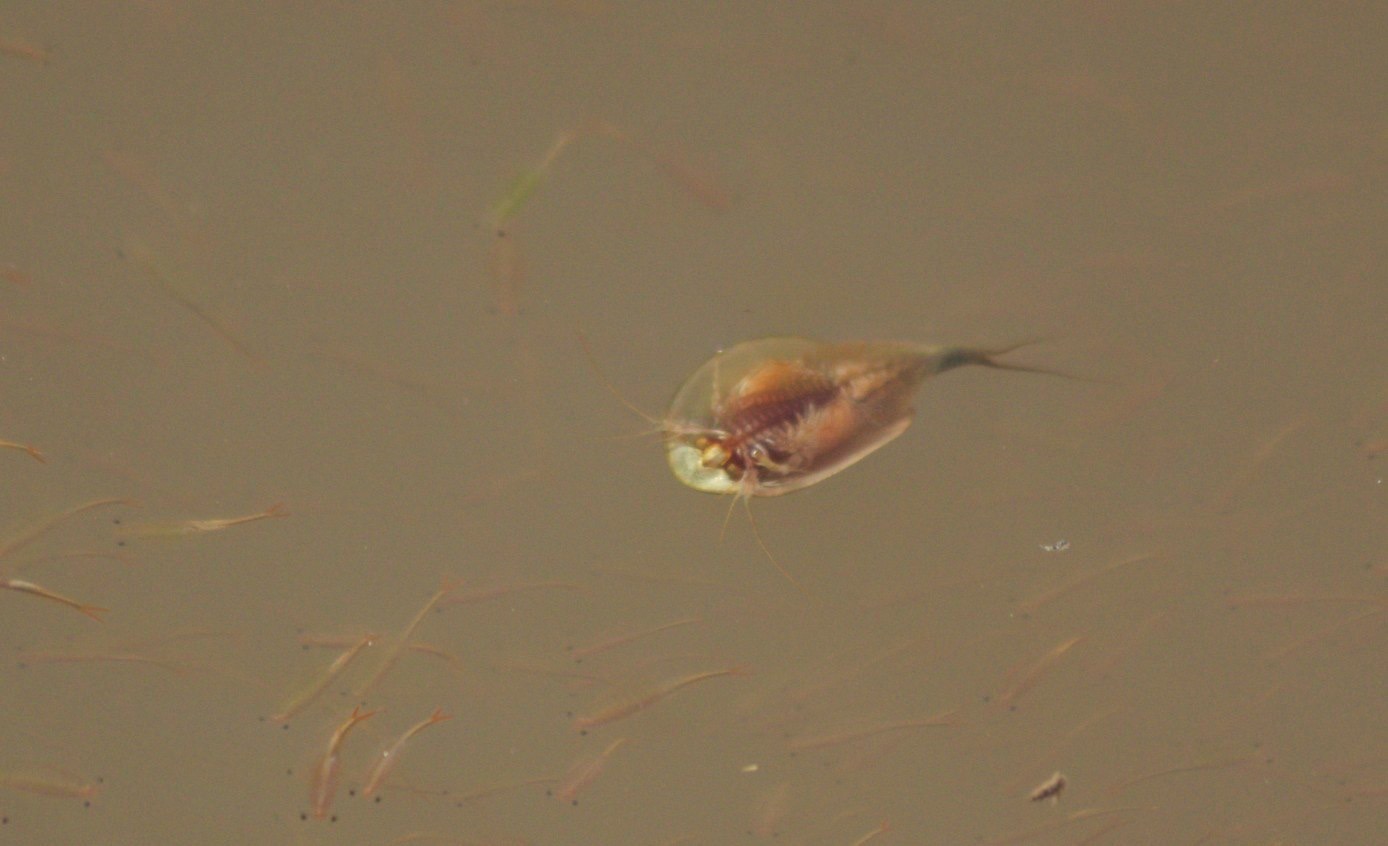
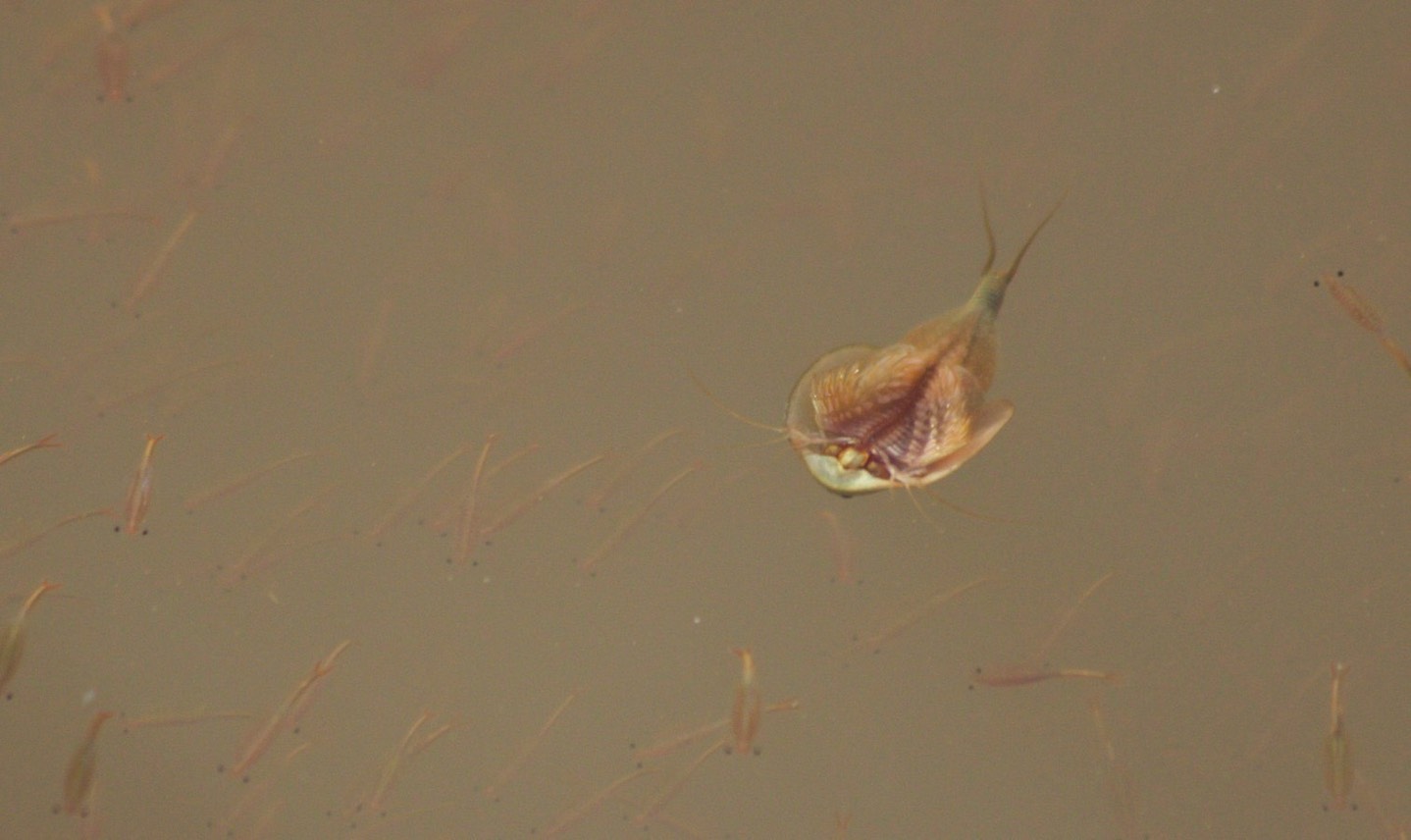
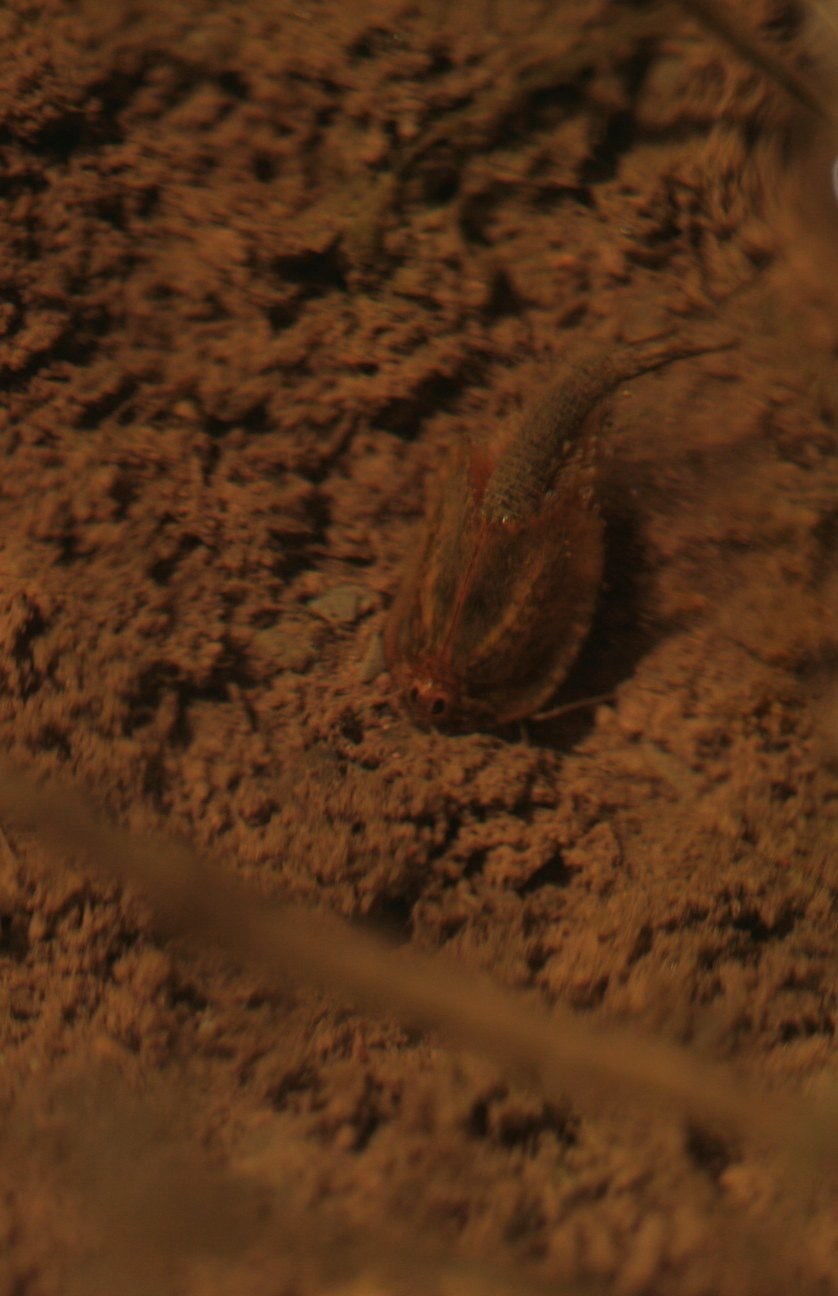
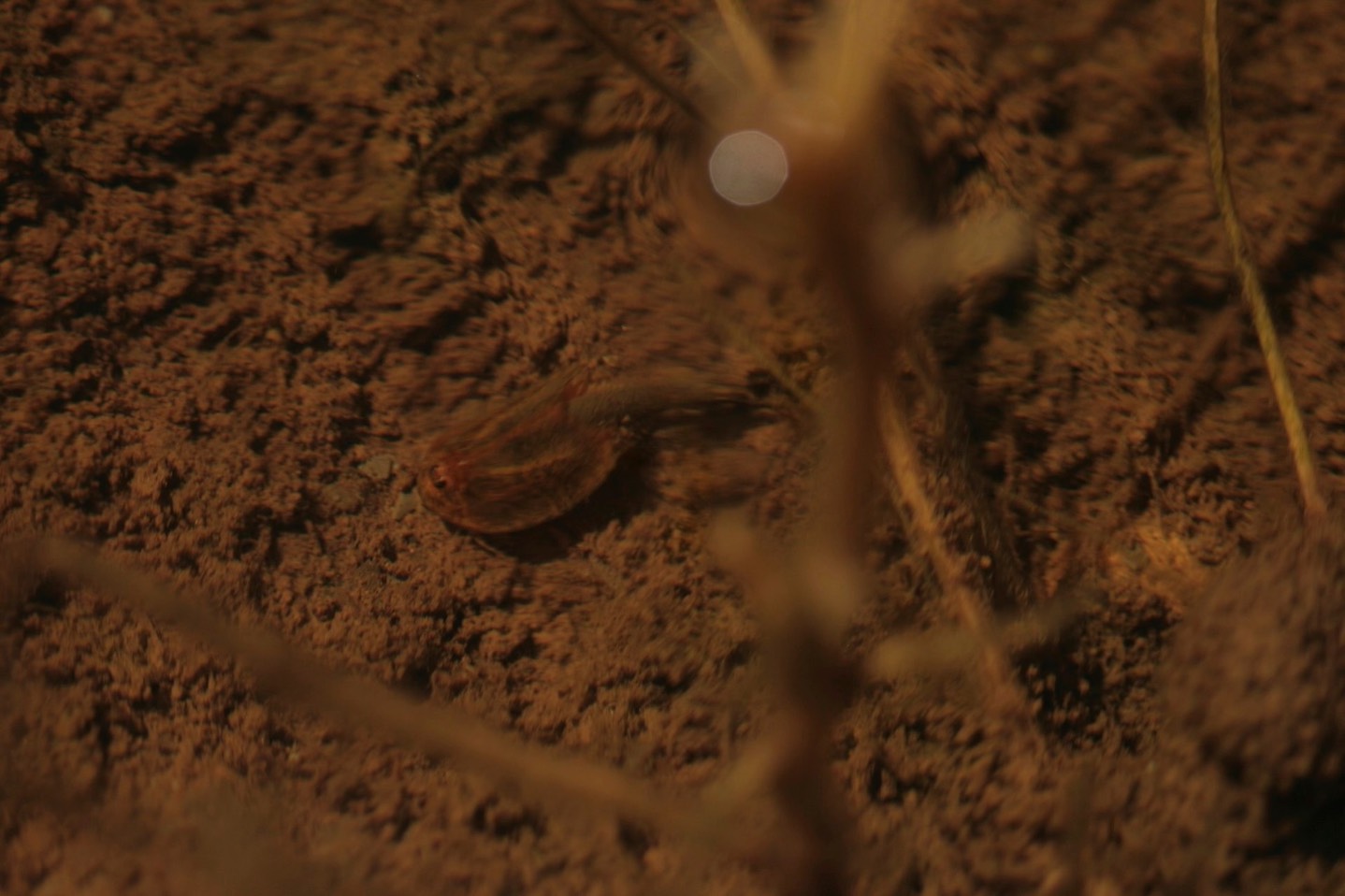
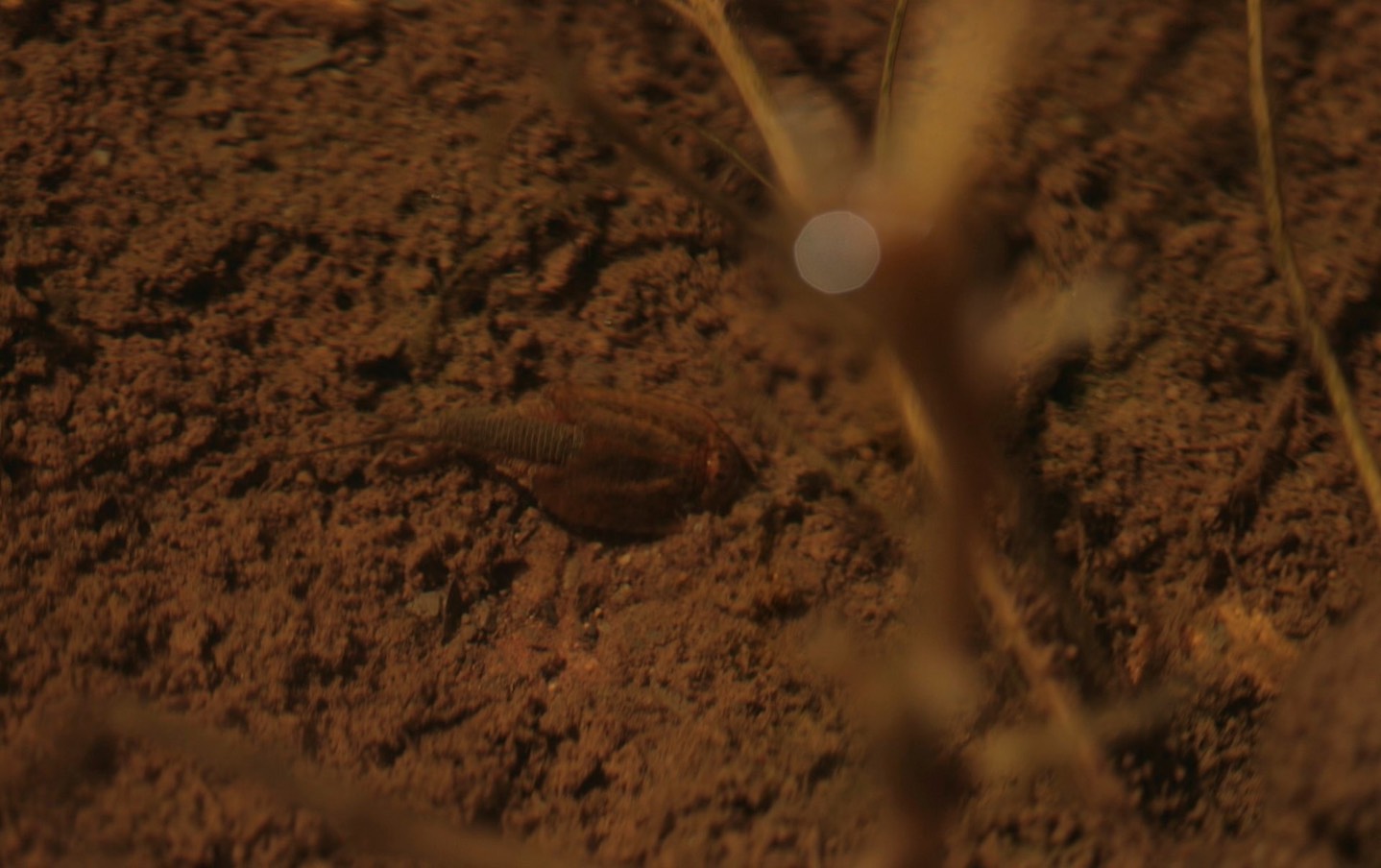
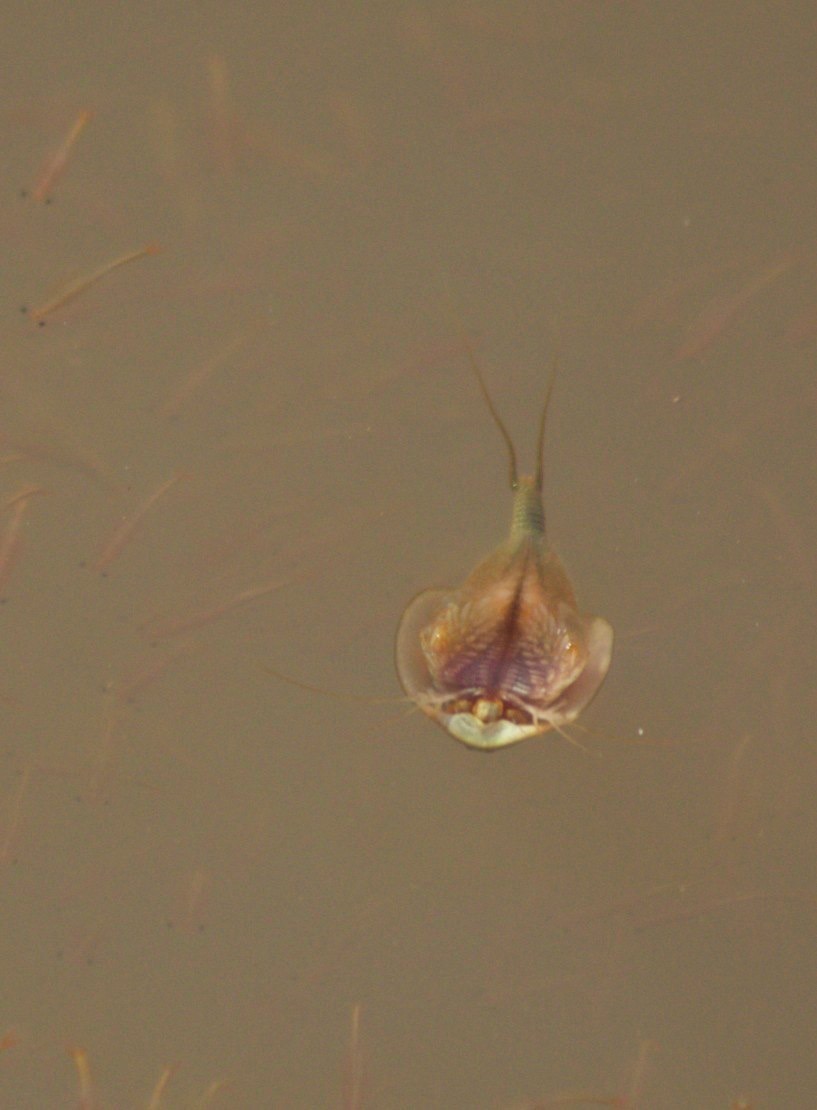
Triops longicaudatus
Longtail Tadpole Shrimp
Stock Pond East of Hillsboro
and one in Lake Valley
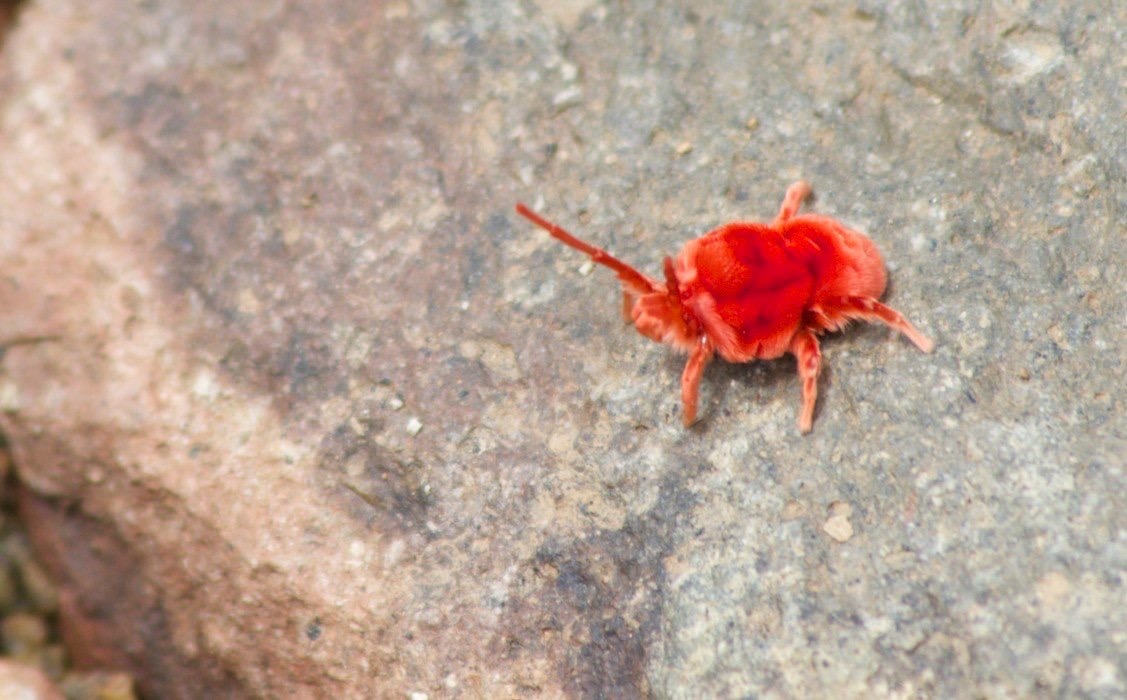
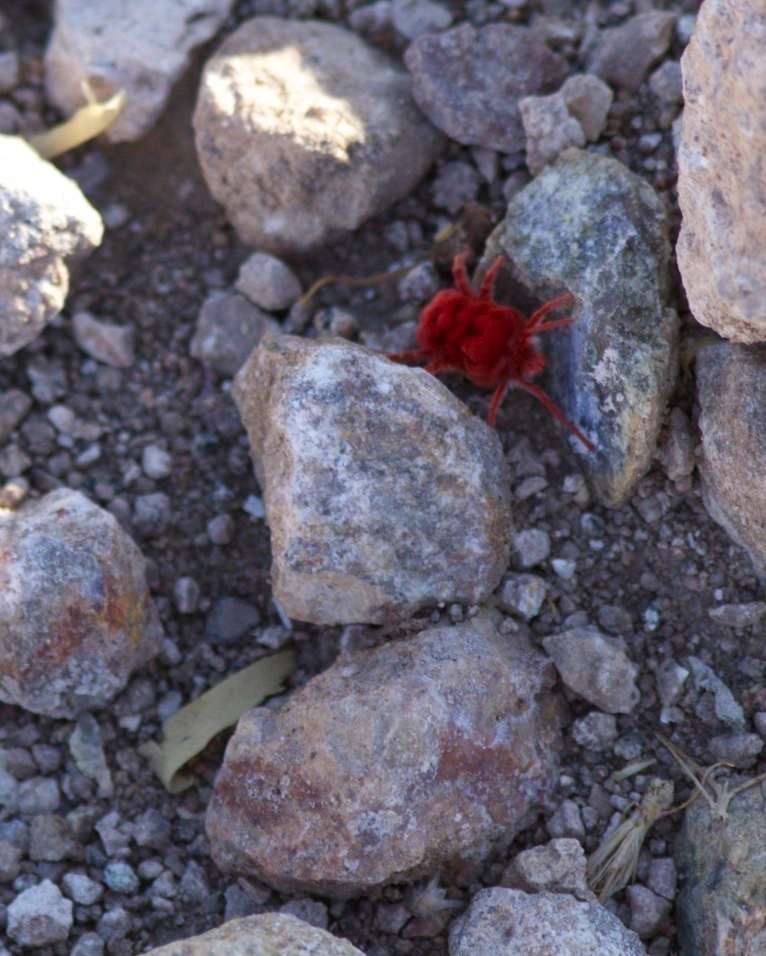
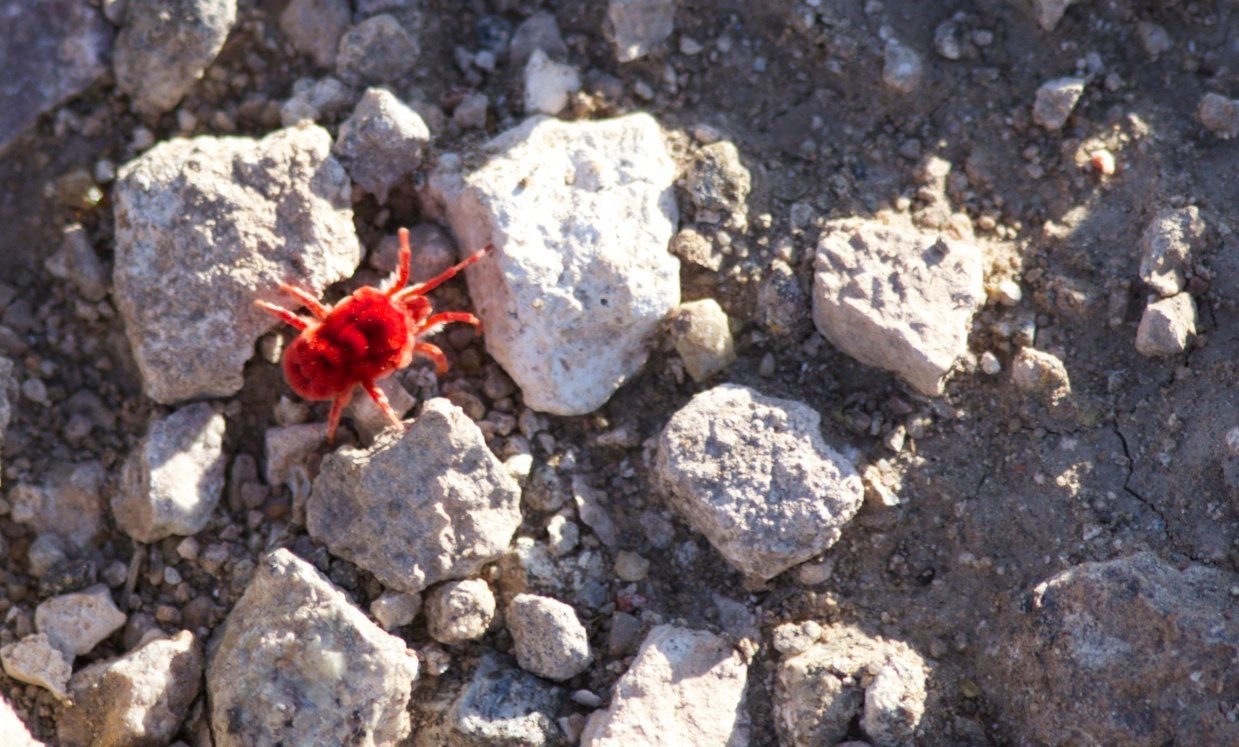
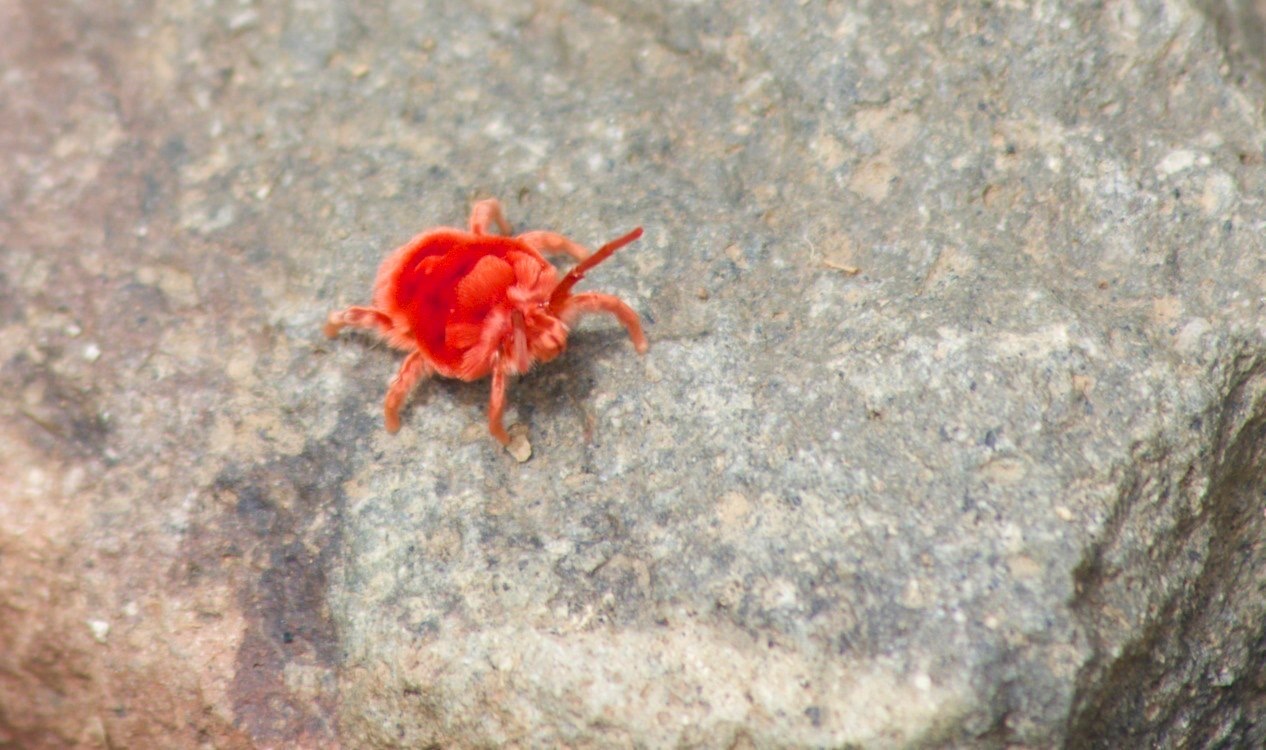
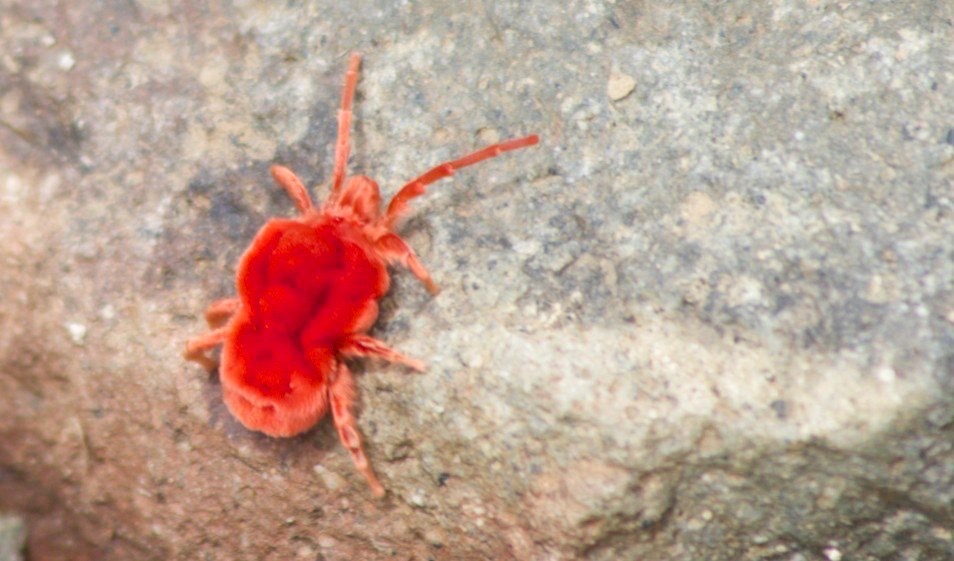
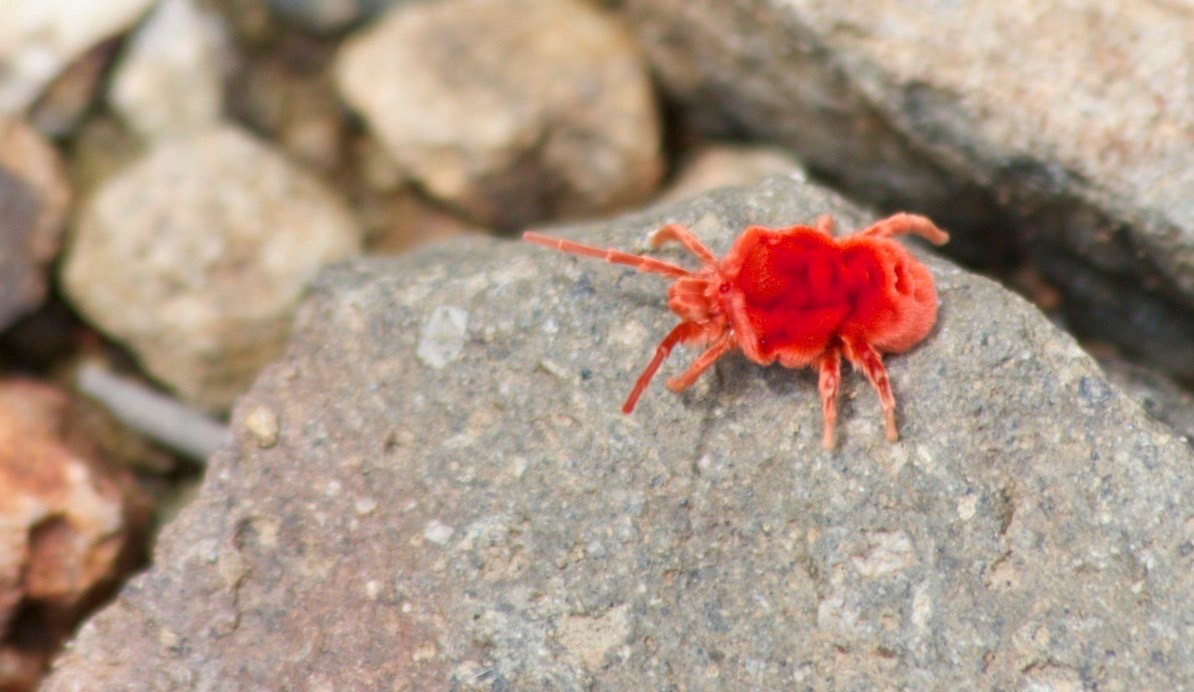
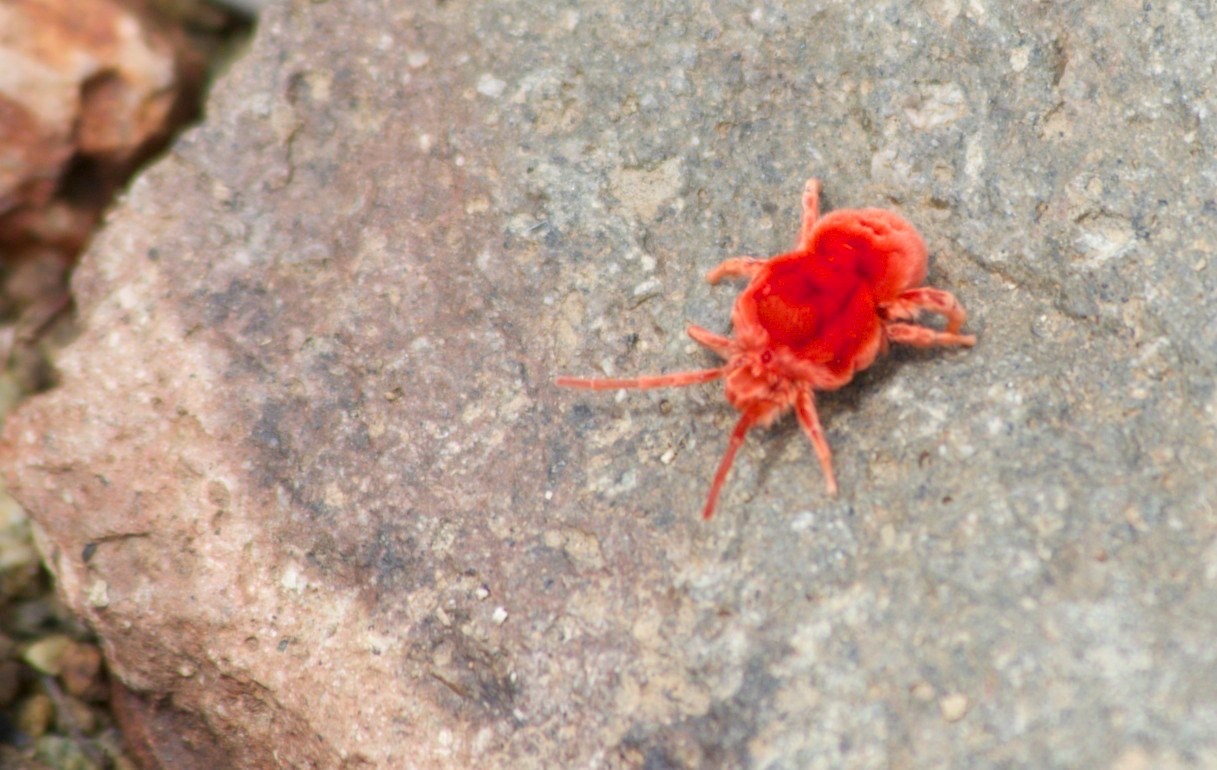
Trombidium sp.
Red Velvet Mite
North Wicks Canyon
East of Hillsboro
Villa
(possibly V. lateralis)
Black Range Crest Trail
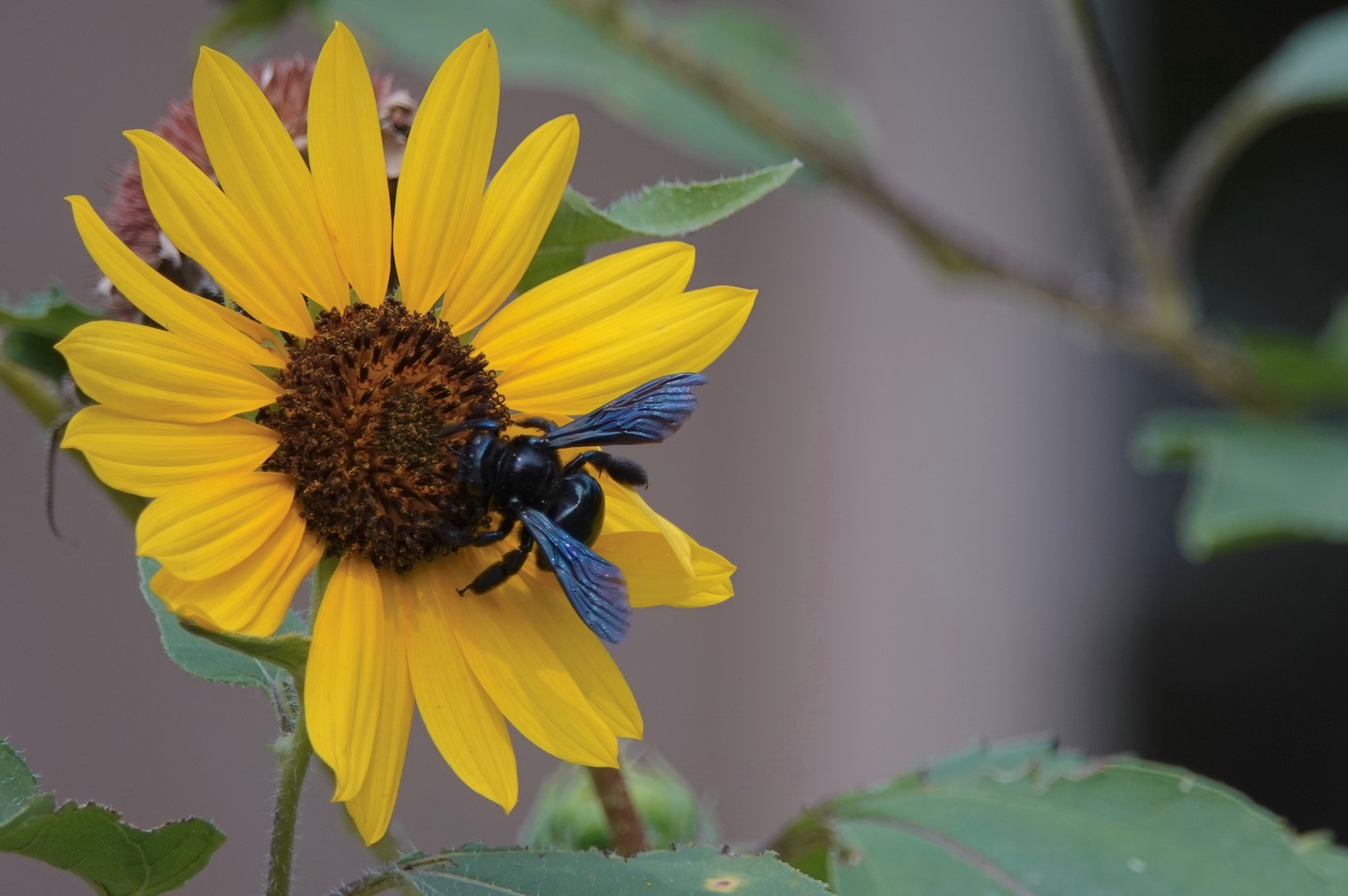
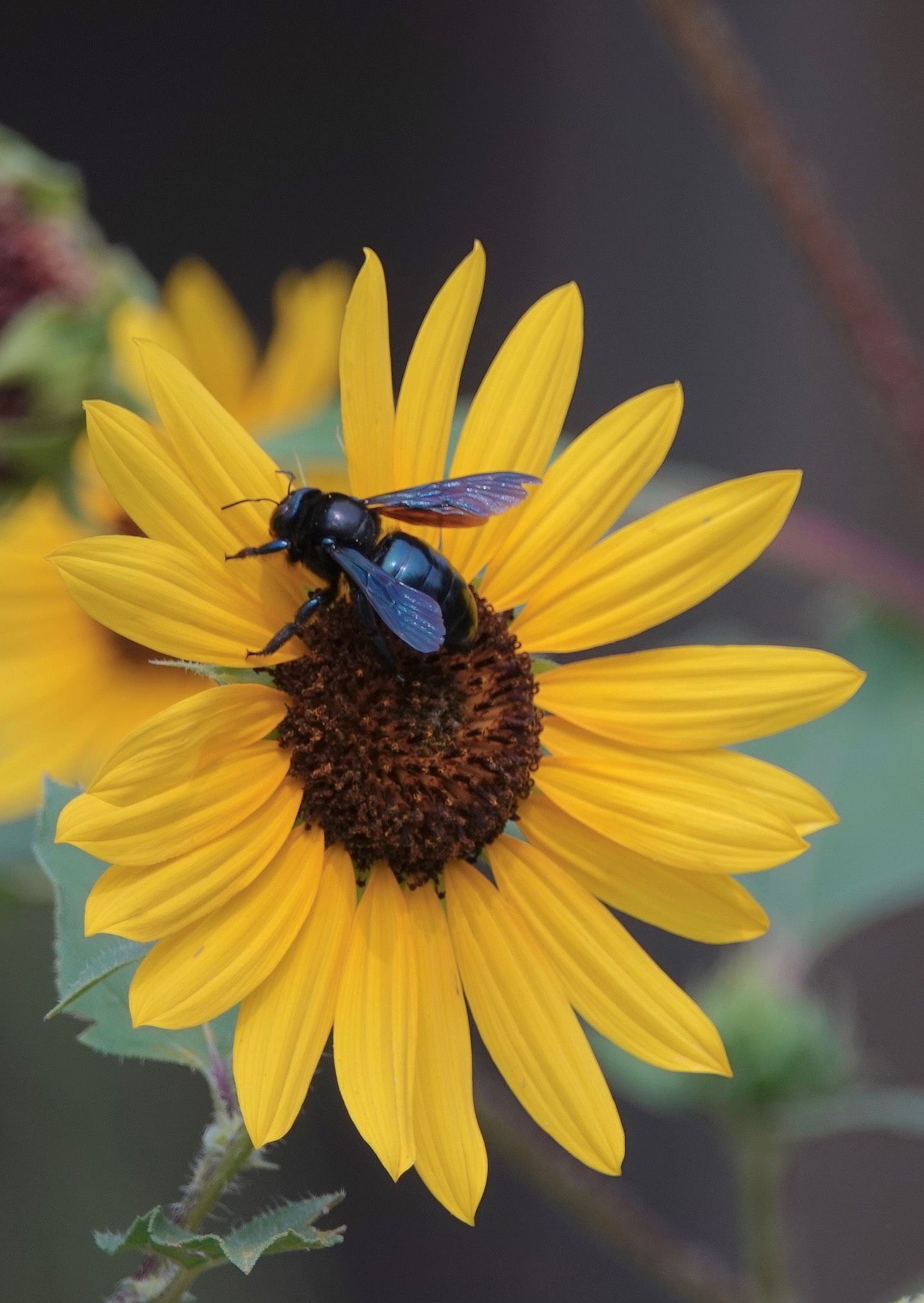
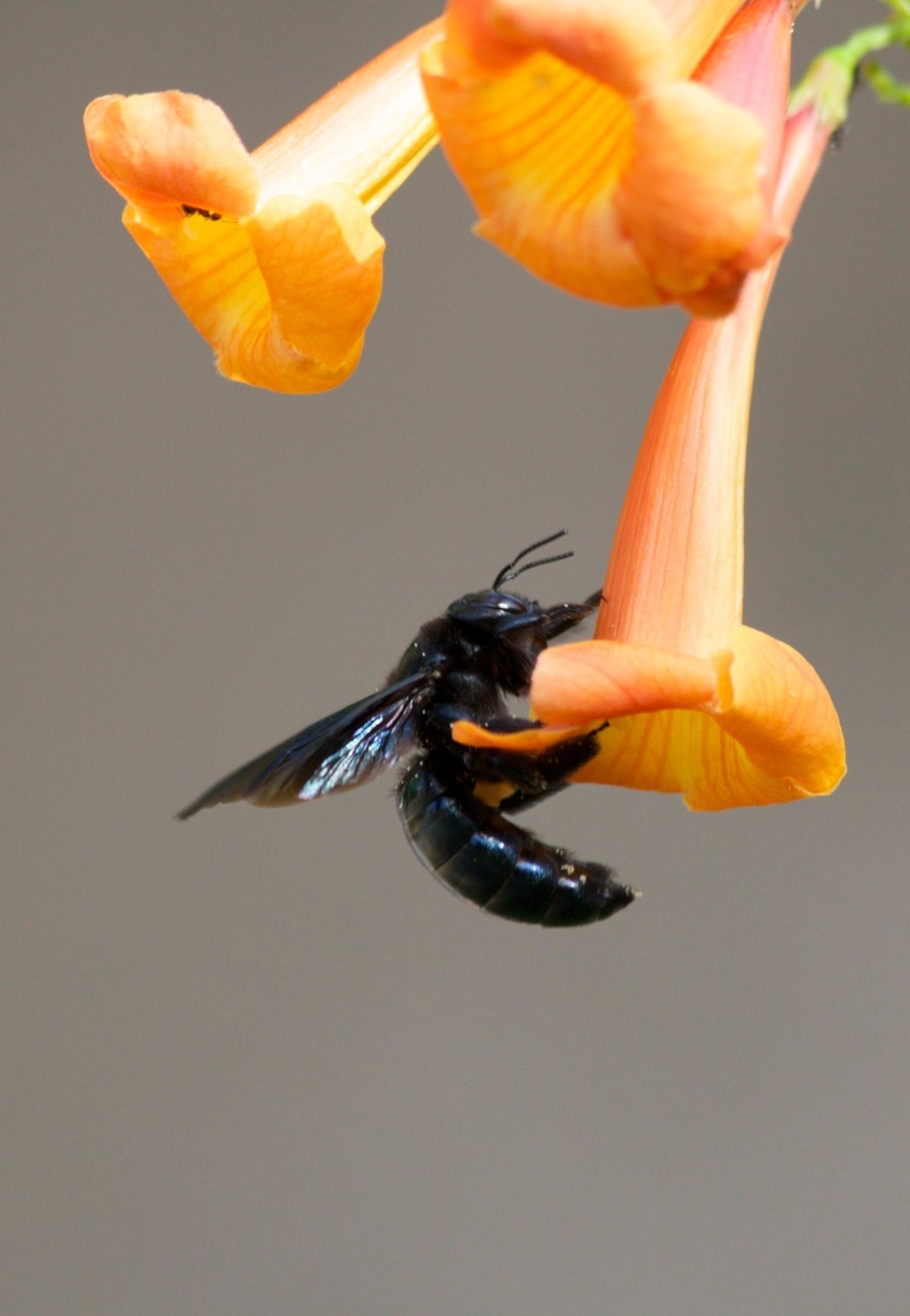
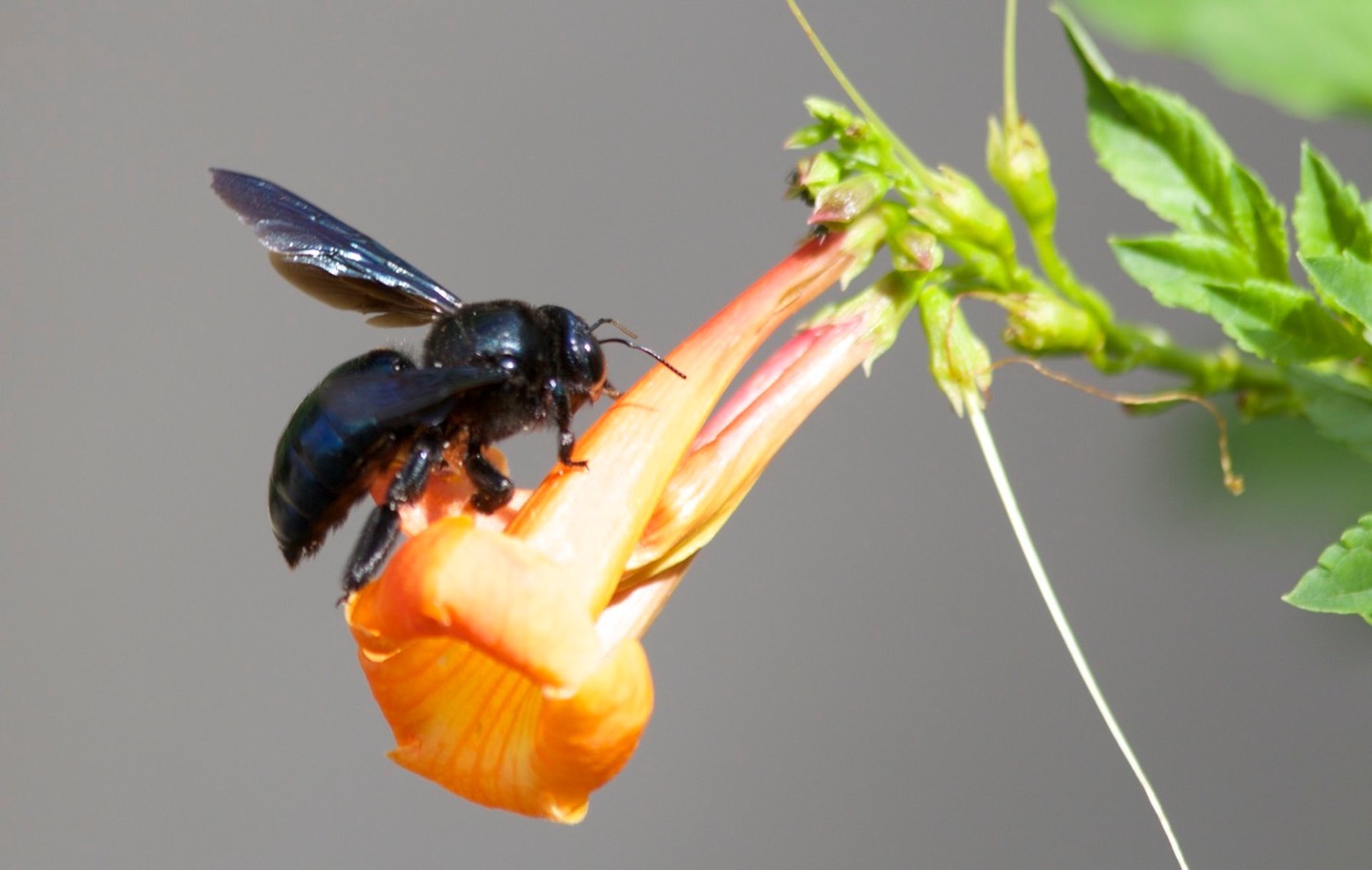
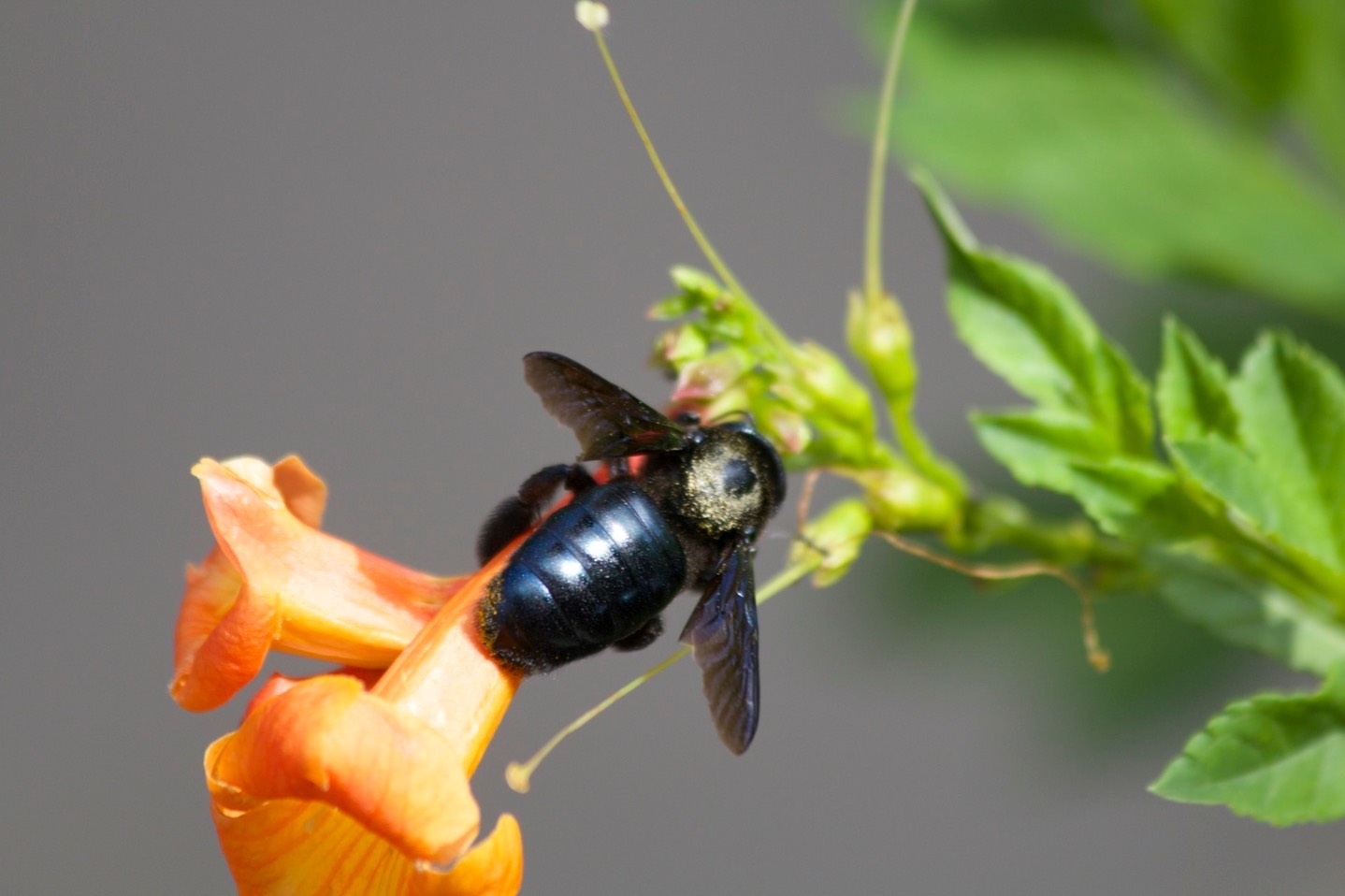
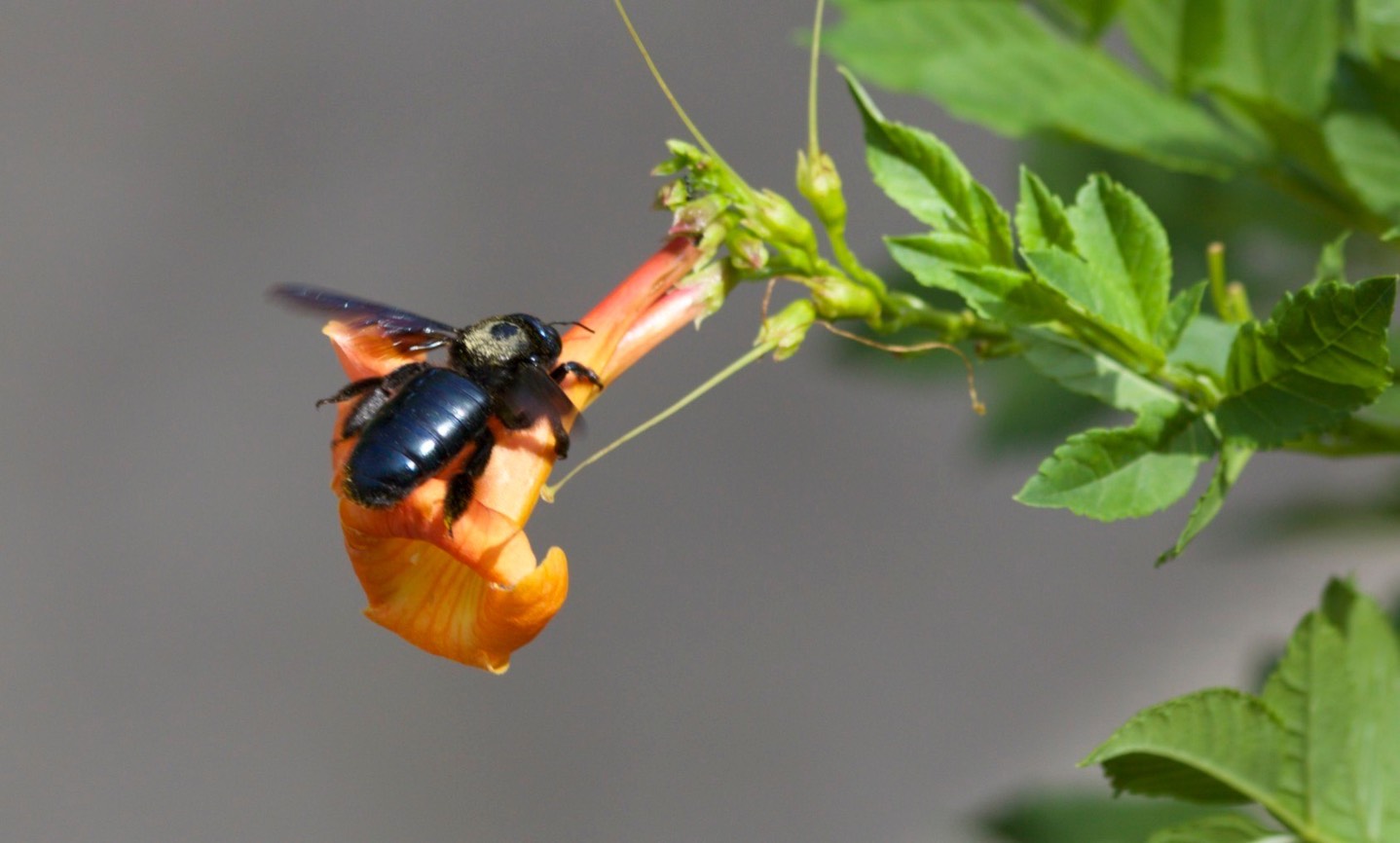
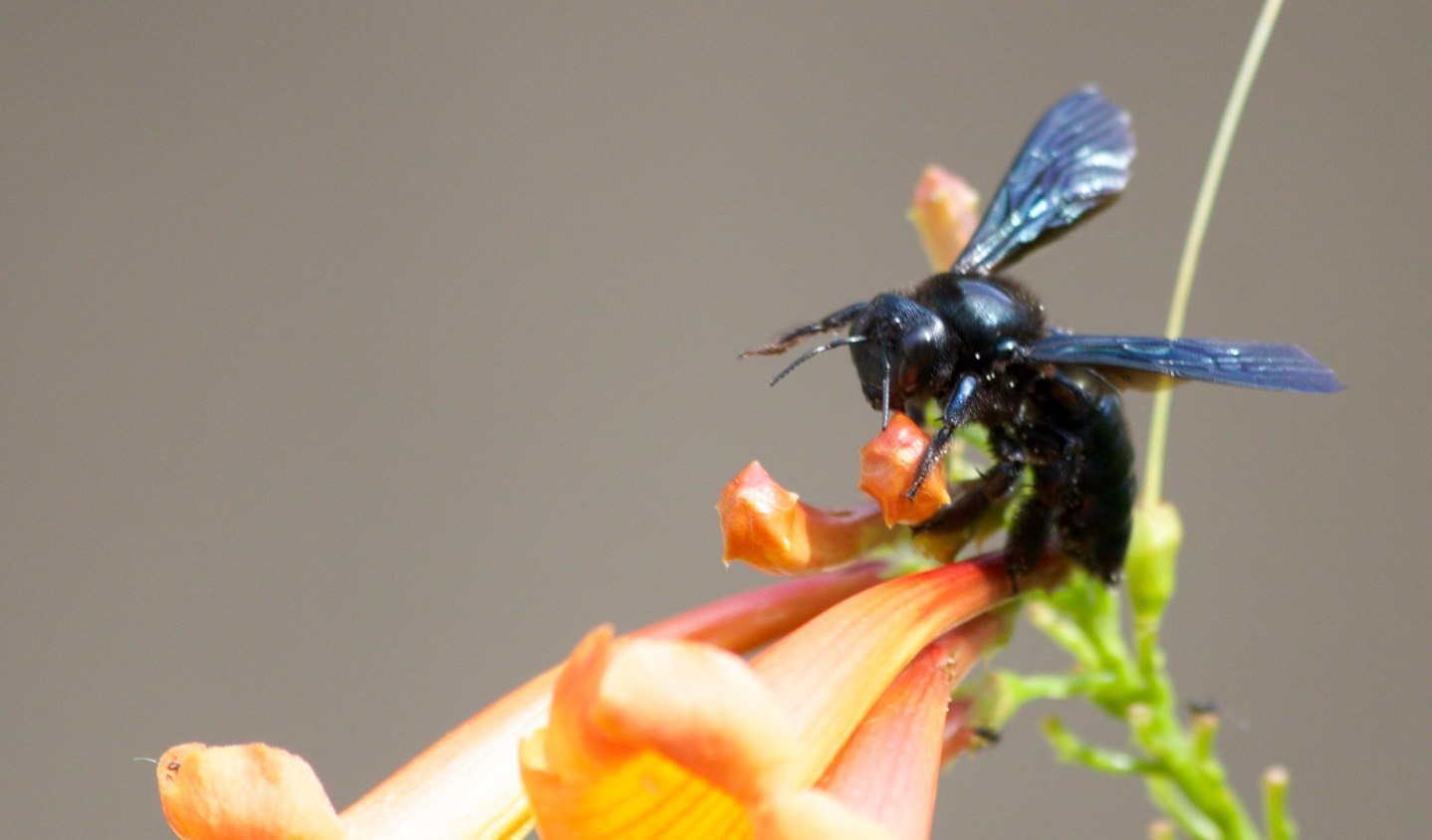
Xylocopa californica arizonensis
Arizona Carpenter Bee
Hillsboro